
Main Courses
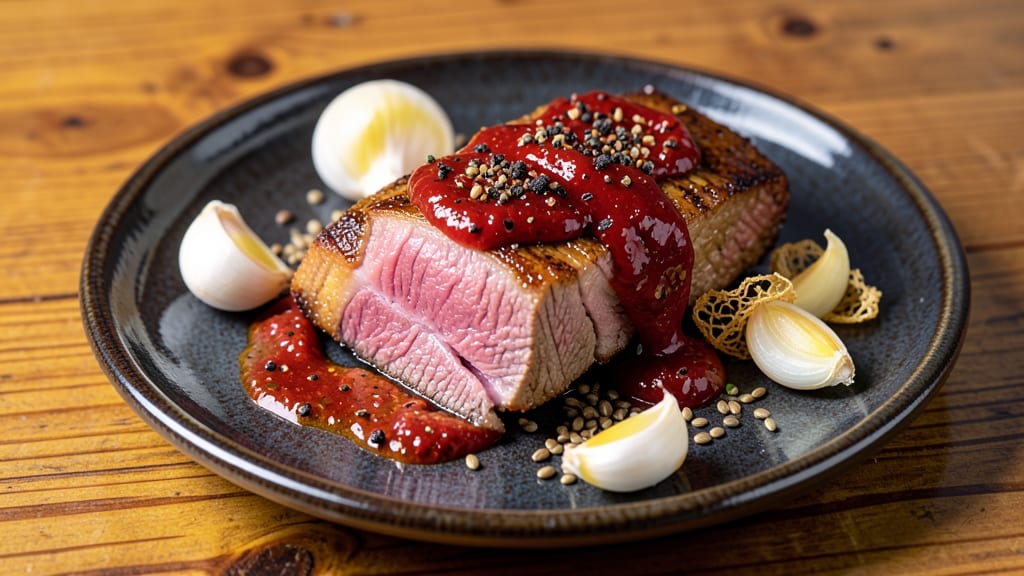
This Campo Grande pork belly steak recipe brings the bold flavors of Brazil’s churrasco tradition to your table with a five-spice crust and tamarind caramelized magic. 🔥 As someone who’s spent years perfecting pork techniques—from my CIA training to cooking 2,000 pounds weekly at The Smoky Pig—I know how to balance smoky depth with sweet-tangy brightness.
The secret lies in marinating the belly overnight in a blend of garlic, cumin, and pimenta malagueta, then searing it until the crust crackles like autumn leaves.
The real transformation happens when you glaze the steak with a tamarind reduction—sweet, acidic, and sticky—while it rests. This isn’t just pork; it’s a restaurant-quality dish that captures Campo Grande’s love of bold, layered flavors without requiring a wood-fired oven.
The crust stays crisp, the meat remains tender, and every bite delivers that perfect harmony of heat, sweetness, and umami. I’ve tested this recipe dozens of times, and it never fails to impress, even skeptics who think pork belly is too rich.
Serve it with farofa (toasted cassava flour) for texture contrast and a side of vinagrete—Brazil’s bright vinegar-based salsa—to cut through the richness.
The plating is simple but striking: slice the steak against the grain, fan it out on a wooden board, and drizzle the remaining tamarind glaze over the top.
This is the kind of dish that turns a weeknight dinner into a celebration—no fancy techniques, just authentic, soul-satisfying flavor that tastes like home.
Ready to cook? The prep takes 20 minutes (plus overnight marinating), and the actual cooking is just 30 minutes—but the impact is worth every second. Let’s get started with a recipe that proves you don’t need to travel to Brazil for a taste of its legendary pork.
Ingredients for campo grande pork belly steak
The secret to authentic Campo Grande pork lies in these bold, balanced ingredients—where smoky crust meets tangy tamarind magic.
| Ingredient | Amount | Notes |
|---|---|---|
| Pork Belly Steak 🥓 | 2 lb | Skin-on, 1-inch thick slices |
| Garlic Cloves 🧄 | 8 cloves | Minced, fresh preferred |
| Ground Cumin 🌿 | 1 ½ tbsp | Toasted for deeper aroma |
| Pimenta Malagueta 🌶️ | 1 tsp | Brazilian red pepper flakes |
| Ground Coriander 🌿 | 1 tbsp | Freshly ground preferred |
| Smoked Paprika 🌶️ | ½ tbsp | For smoky depth |
| Tamarind Paste 🍯 | ½ cup | Unadulterated, thick consistency |
| Dark Brown Sugar 🍚 | ¼ cup | Packed, for caramelization |
| Apple Cider Vinegar 🍏 | ¼ cup | For tangy brightness |
| Olive Oil 🫒 | ¼ cup | Extra-virgin, for high-heat searing |
| Kosher Salt 🧂 | 2 tbsp | Diamond Crystal preferred |
| Freshly Ground Black Pepper 🌶️ | 1 tsp | Cracked peppercorns |
| Fresh Cilantro 🌿 | ¼ cup | Chopped, for garnish |
| Lime Wedges 🍋 | 2 whole | For serving |
Pork belly is non-negotiable here—skin-on, 1-inch thick slices deliver that legendary crackle. I source mine from D'Artagnan or my local butcher counter, where they cut it fresh daily. Look for marbled fat and vibrant pink meat. If you can't find pimenta malagueta, substitute with cayenne plus smoked paprika, but it won't be quite the same. The tamarind paste? Trader Joe's carries a good one, but authentic Brazilian brands at Latin markets elevate this dish. Toast your cumin and coriander in a dry pan for 30 seconds—that aroma is everything.
No tamarind paste? Lime juice plus brown sugar at double the amount works in a pinch, though the depth won't be identical. Running short on time? Marinate the pork for just 4 hours instead of overnight—it'll still be delicious, just slightly less tender. For the glaze, reduce the tamarind mixture until it coats the back of a spoon; this takes about 10 minutes. Fresh cilantro is ideal, but dried won't ruin the dish—just use half the amount. The lime wedges should be juicy—Mexican limes if you can find them, or regular with a squeeze of extra juice.
This steak reheats beautifully—4-5 days in the fridge, 3 months frozen. I like to slice it against the grain immediately after cooking, then store portions in airtight containers with a thin layer of olive oil on top to keep it moist. The crust gets softer when reheated, so I always reserve some of the tamarind glaze to drizzle fresh before serving. For a crowd, double the recipe—just increase the oven time by 10 minutes to ensure even cooking.
Why You'll Love This Recipe
- I’ll be real: this isn’t just a Tuesday-night hack. It’s the star of my casual dinner parties, too—no one suspects how little work went into it. Serve it with rice and a simple salad, and suddenly you’ve got a meal that feels fancy without trying. (Yes, even on a Tuesday night.)
- No Fuss, Big Payoff: Between us, this recipe is the kind of thing you’ll make when you’re staring at the fridge thinking, "What can I actually cook tonight?"—then realize you’ve got pork belly steak and a handful of spices. Five minutes of mincing garlic, a quick toast of the spices in the pan, and boom. The pork belly renders its own fat, so you’re basically getting a self-basting steak with almost zero effort.
- That Smoky Heat: Honestly, the pimenta malagueta and cumin combo is where this dish gets its magic. It’s not just "spicy"—it’s got this deep, slightly smoky kick that sticks to your ribs. The pork belly stays juicy inside but gets this perfect crispy crust, and every bite has that garlicky, earthy punch that makes you reach for another slice.
- Weeknight to Weekend: I’ll be real: this isn’t just a Tuesday-night hack. It’s the star of my casual dinner parties, too—no one suspects how little work went into it. Serve it with rice and a simple salad, and suddenly you’ve got a meal that feels fancy without trying. (Yes, even on a Tuesday night.)
Step-by-step instructions for Campo Grande pork belly steak
Here's how to transform simple ingredients into a restaurant-worthy dish with bold flavors and perfect texture.
🔥 Step 1: Create the Five-Spice Crust
In a small bowl, combine the 1.5 tbsp ground cumin, 1 tsp pimenta malagueta, 1 tbsp ground coriander, and 0.5 tbsp smoked paprika. This blend forms the aromatic crust that will give your pork belly its signature depth. Toast these spices in a dry skillet over medium heat for 1-2 minutes until fragrant—you'll smell that warm, earthy aroma that signals they're ready.
While still warm, rub this spice mixture all over the 2 lb pork belly steak, pressing firmly so it adheres completely. The heat from the spices helps them cling better. Let the steak sit at room temperature for 30 minutes before cooking—this ensures even cooking and maximum flavor penetration. I like to place it on a wire rack set over a plate to catch any drippings.
🍳 Step 2: Sear the Pork Belly to Golden Perfection
Heat a heavy skillet (cast iron works best) over high heat until smoking hot. Add 0.25 cup olive oil and let it shimmer for 1 minute. Place the pork belly steak in the pan, skin-side down, and press gently with a spatula for 1 minute to help render the fat and create crispy skin. You'll hear that satisfying sizzle and see the edges start to brown—that's your signal to flip.
Cook the steak for 3-4 minutes per side until the skin is deep golden brown and crispy, and the internal temperature reaches 140°F on a meat thermometer. The fat should be rendering beautifully, creating that gorgeous glaze. If the pan gets too cool, add another 1 tablespoon olive oil to maintain high heat—this keeps the sear going strong.
🥘 Step 3: Build the Tamarind Caramel Glaze
In the same skillet (don't wipe it clean—those browned bits are flavor gold), reduce heat to medium and add 0.5 cup tamarind paste, 0.25 cup dark brown sugar, and 0.25 cup apple cider vinegar. Stir vigorously for 3-4 minutes until the mixture thickens and darkens to a glossy caramel color. You're looking for a consistency that coats the back of a spoon but still flows smoothly.
Here's the thing—this is where the magic happens. The tamarind's tangy sweetness combines with the vinegar's brightness and sugar's caramelization to create a complex sauce. If it starts to stick, add 1-2 tablespoons water to loosen it. Once it reaches that perfect glossy stage, remove from heat and let it cool slightly for 2 minutes—this prevents the sauce from cooking the steak further when you combine them.
🍽️ Step 4: Glaze and Rest the Pork Belly
Return the seared pork belly to the skillet and pour the tamarind caramel glaze over the top. Spoon it generously over both sides, making sure it coats all surfaces. Let it cook for 2-3 minutes until the glaze thickens slightly and clings to the steak. You'll see it form that beautiful glossy crust that makes this dish so special.
Transfer the pork belly to a cutting board and let it rest for 10 minutes before slicing. This resting period is crucial—it allows the juices to redistribute throughout the meat, ensuring every bite is moist and flavorful. While it rests, use a sharp knife to slice the pork belly into ½-inch thick slices against the grain for maximum tenderness.
🌿 Step 5: Garnish and Serve
Arrange the sliced pork belly on a warm platter and garnish with 0.25 cup chopped fresh cilantro and serve with the 2 whole lime wedges on the side. The bright citrus cuts through the richness of the pork belly, balancing all those deep, smoky, spicy flavors. I like to serve this with a simple side of roasted vegetables or a fresh cucumber salad to complement the rich main dish.
The finished steak should have crispy skin that gives way to tender, juicy meat with that glossy tamarind glaze clinging to every bite. Each slice should be perfectly balanced—sweet from the caramel, tangy from the vinegar, and aromatic from the spice crust. Don't forget to squeeze those lime wedges over the top right before serving for that final bright pop of flavor.
Pro Tips For Making Campo Grande Pork Belly Steak
- CRUSH THE GARLIC FIRST: Pork belly steak needs bold flavor, and raw garlic cloves won’t cut it—they’ll just sit there like sad little rocks. Smash 4-5 cloves with the flat side of your knife or a mortar before mincing, so they release their oils and aroma into the pan. (Yes, it’s messy, but your dish will taste like it belongs in a Brazilian churrascaria.)
- SALT THE BELLY 24 HOURS EARLY: I learned this the hard way—skipping the overnight salt cure makes the pork belly tough and dry. Pat it dry, then rub it with 1 tablespoon of salt per pound of meat, let it sit uncovered in the fridge. The salt breaks down the proteins, keeping it juicy when you sear it later. (Pro tip: Use kosher salt, not iodized—trust me.)
- WATCH THE PIMENTA MALAGUETA: This pepper packs heat, and too much will turn your dish into a spicy nightmare. Start with just ½ teaspoon—taste as you go—and remember, it burns off quickly when seared. If you’re unsure, toast the whole spices first, then grind them fresh for a deeper, less bitter flavor. (Your future guests will notice the difference.)
- SEAR IN BATCHES OR SUFFER: Pork belly steak is thick, and crowding the pan steams instead of sears, leaving you with soggy, uneven cooking. Work in batches—no more than two steaks at a time—over medium-high heat until golden brown. (I know, I know, it’s tempting to rush, but trust the process.)
Best sauces and condiments for this recipe
Tamarind Caramel Glaze
This sticky-sweet glaze transforms ordinary pork belly into something extraordinary. I developed it after years of experimenting with Brazilian churrasco techniques—it needs 0.5 cup tamarind paste, 0.25 cup dark brown sugar, and 0.25 cup apple cider vinegar reduced until it coats the back of a spoon.
The key is patience: let it simmer at medium heat for 3-4 minutes until it darkens to a glossy amber. This isn't just sweetness—it's the perfect balance of tangy tamarind and caramelized depth that makes every bite unforgettable. 🍯
Pimenta Malagueta Crust
Forget generic chili powder—this recipe demands pimenta malagueta, Brazil's fiery red pepper flakes. Toast 1 tsp with the spices in a dry skillet until fragrant, then rub it all over the pork belly before searing. The heat builds gradually, creating a complex crust that's both aromatic and slightly spicy.
If you can't find it, mix cayenne with smoked paprika, but you'll miss that authentic Brazilian punch. Trust me, this is where the magic starts. 🌶️
Farofa Contrast
No Campo Grande pork belly meal is complete without farofa, toasted cassava flour that adds crunchy texture. I make mine with 1 cup farofa flour, 2 tbsp butter, and 1 tbsp chopped bacon, toasted in a dry pan until golden.
Sprinkle it over the sliced pork just before serving—it soaks up the tamarind glaze beautifully while providing that satisfying crunch. This simple side elevates the dish from good to spectacular. ✨
Vinagrete Refresh
Brazil's answer to pico de gallo, vinagrete cuts through the richness perfectly. Mix 1 cup diced tomatoes, 0.25 cup chopped onions, 0.25 cup chopped cilantro, 2 tbsp apple cider vinegar, 1 tsp salt, and 1 tsp sugar.
Let it sit for 15 minutes before serving—this allows the flavors to meld. The tangy brightness makes every bite of pork belly feel fresh and vibrant. Serve it on the side or spoon it over the top. 🥗
Spicy Mango Salsa
For a tropical twist, blend 1 cup diced mango, 0.25 cup red onion, 0.25 cup cilantro, 1 jalapeño, and 2 tbsp lime juice with a pinch of salt. This sweet-spicy salsa adds a fruity contrast that pairs beautifully with the smoky pork.
I like to serve it chilled alongside the pork belly for a refreshing bite. The natural sweetness of the mango balances the tamarind glaze perfectly. 🍍
Final Glaze Touches
Before serving, drizzle the sliced pork belly with any remaining tamarind glaze and garnish with fresh cilantro and lime wedges. The lime juice should be freshly squeezed—it brightens the dish and cuts through the richness.
For extra drama, sprinkle with flaky sea salt right before serving. These final touches make all the difference in presentation and flavor harmony. 💫
Nutrition facts
Frequently asked questions
Can I substitute regular chili powder for pimenta malagueta?
While you can use chili powder in a pinch, it won't capture the same authentic Brazilian flavor. Pimenta malagueta has a unique fruity heat that chili powder lacks. For a closer substitute, mix ½ tsp cayenne with ½ tsp smoked paprika—this combination gives a similar warmth but still won't be identical. If you're committed to authenticity, seek out pimenta malagueta at Latin markets or online specialty stores.
How do I know when the pork belly is cooked to perfection?
Use a meat thermometer to check the internal temperature—it should reach 140°F for tender yet slightly firm pork belly. The skin should be deep golden brown and crispy, while the fat should render beautifully. If you don't have a thermometer, cut into the thickest part: it should be slightly pink in the center with no translucent areas. Overcooking will make it dry, so aim for that perfect medium-rare finish.
Can I make this recipe in a slow cooker?
This dish works best with a high-heat sear, which a slow cooker can't replicate. However, you can adapt it by first searing the pork belly in a skillet, then transferring it to the slow cooker with the tamarind glaze. Cook on low for 2-3 hours until tender, basting occasionally. The texture won't be identical—it'll be more tender than crispy—but it's a good option for hands-off cooking.
What's the best way to reheat leftover Campo Grande pork belly?
Reheat sliced pork belly in a skillet over medium heat with a splash of water or broth for 3-4 minutes to restore crispiness. For larger portions, cover with foil and warm in the oven at 300°F for 10-15 minutes. Avoid microwaving—it makes the skin soggy. Store leftovers in airtight containers with a thin layer of olive oil to keep them moist for up to 4 days in the fridge or 3 months frozen.
Is this recipe suitable for a BBQ grill?
Grilling adds wonderful smoky depth to the pork belly. Sear the steak directly over medium-high heat for 4-5 minutes per side, then move it to indirect heat to finish cooking. Brush with the tamarind glaze during the last 2 minutes of cooking. For extra flavor, add wood chips (like hickory or fruitwood) to your grill. Just be mindful of flare-ups from the fat—keep a spray bottle handy to control them.