
Main Courses
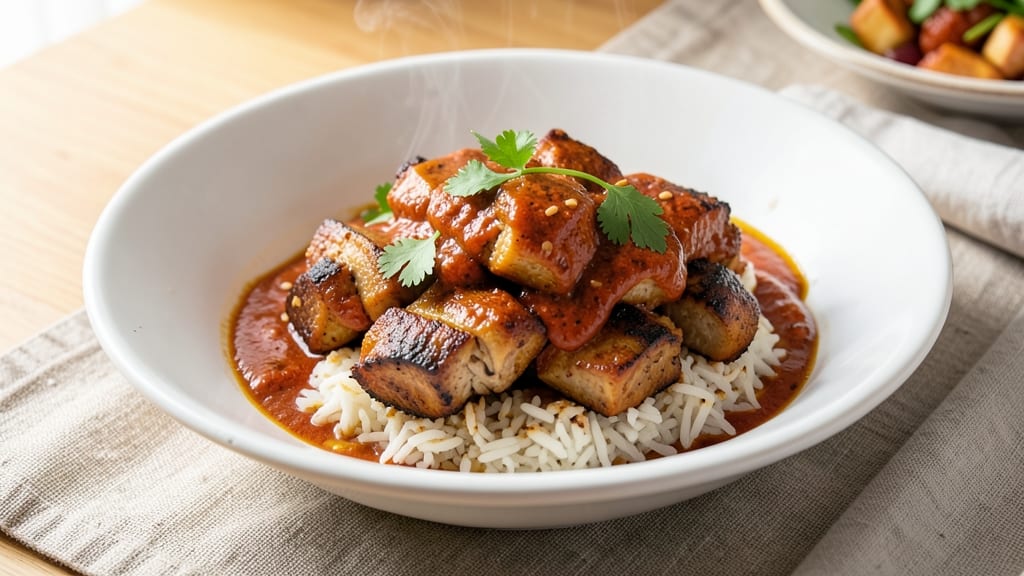
This one-pot canned pork recipe ideas transforms humble ingredients into bold Asian-inspired meals that deliver restaurant-quality flavor with minimal effort. I developed it after realizing how versatile canned pork can be—whether you're craving Filipino lechon kawali, Korean bossam, or something entirely new.
The secret lies in balancing sweet, savory, and umami elements that work together in a single pot, making cleanup nearly nonexistent.
What makes this recipe special is its adaptability—you can swap ingredients based on what you have, yet still achieve deep, complex flavors. Think crispy edges on tender pork, aromatic spices, and a sauce that clings perfectly to every bite.
The one-pot method ensures everything cooks evenly, with no risk of overcrowding or uneven heat distribution. It's the kind of meal that feels indulgent but requires only 30 minutes of active time.
By the time you're done, you'll have a dish that's rich, satisfying, and packed with layers of taste—whether it's the smoky-sweet glaze of a stir-fry or the tangy-spicy kick of a fusion taco filling.
The best part? Leftovers reheat beautifully, so you can enjoy this meal multiple times without sacrificing flavor. This is comfort food with a global twist, and it's about to become your go-to weeknight solution.
Pair it with steamed rice, fresh herbs, or a simple salad to round out the meal. The possibilities are endless, but the technique remains simple: one pot, bold flavors, and a dish that feels like a celebration. Let's get cooking!
Ingredients for canned pork recipe ideas
One-pot magic with bold Asian flavors—just 15 ingredients for restaurant-worthy meals.
| Ingredient | Amount | Notes |
|---|---|---|
| Canned Pork 🥓 | 14 oz | Drained, Asian-style preferred |
| Coconut Milk 🥥 | 1 can (13.5 oz) | Full-fat for creaminess |
| Red Curry Paste 🌶️ | 2 tbsp | Maesri brand recommended |
| Fish Sauce 🐟 | 1 tbsp | Red Boat preferred |
| Soy Sauce 🥢 | 1 tbsp | Low-sodium preferred |
| Brown Sugar 🍯 | 1 tbsp | Light or dark works |
| Garlic Cloves 🧄 | 4 cloves | Minced for depth |
| Fresh Ginger 🌿 | 1 tbsp | Grated, aromatic |
| Green Onions 🧅 | 3 whole | Sliced, for garnish |
| Thai Basil Leaves 🌿 | ¼ cup | Or regular basil |
| Vegetable Oil 🫒 | 1 tbsp | For searing |
| Jasmine Rice 🍚 | 1 ½ cups | Uncooked, for serving |
| Lime Wedges 🍋 | 2 whole | Freshly squeezed |
| Salt 🧂 | ½ tsp | Kosher or sea salt |
| Black Pepper 🌶️ | ¼ tsp | Freshly ground |
The canned pork is your flavor anchor, so Asian-style is ideal—it's pre-marinated with soy and sugar, cutting prep time. Filipino or Korean brands at Asian markets have the best balance of sweetness and savory depth. If you're stuck with regular canned pork, add an extra 1/2 tbsp soy sauce and 1/2 tbsp brown sugar to mimic the flavor. The coconut milk? Full-fat only—light versions won't give that creamy, velvety texture you want. Pro tip: open the can and drain it well, but save the juice—it's packed with flavor. For the curry paste, Maesri from Thai markets is my go-to, but any quality brand works. If you can't find it, mix 1 tbsp each of chili paste and curry powder as a pinch-hitter.
No fish sauce? Soy sauce plus a dash of Worcestershire gets you close, though it won't have that exact umami punch. Short on Thai basil? Cilantro or regular basil works in a pinch—just add a pinch of sugar to balance. The ginger and garlic are non-negotiable for that aromatic base, but if you're using jarred minced garlic, reduce to 2 cloves—it's stronger than fresh. For the rice, jasmine is traditional, but basmati or even instant rice works if you're in a hurry. The lime wedges? Mexican limes from the grocery store are brighter than regular limes, but any fresh lime will do. If you're making this ahead, add the lime juice at the end—it keeps best when fresh.
This reheats beautifully—just add a splash of water or coconut milk to loosen the sauce. Keeps for 4 days in the fridge, and freezes for 3 months (though the texture changes slightly). I always double the batch because it's that good. Store the sauce separately from the rice if you want to reheat them together—prevents soggy rice. For extra crispiness, broil for 2 minutes before serving. The leftovers? Even better the next day as the flavors meld. Pair with store-bought spring rolls or a simple cucumber salad for a full meal.
Why You'll Love This Recipe
- Pantry to Plate Fast: I swear by this recipe when I forget to meal prep—just dump canned pork into a pot with coconut milk and curry paste, simmer, and boom. No chopping, no fuss, and it’s ready while you’re still deciding what to watch on TV.
- Umami Bomb Combo: That fish sauce and soy sauce? They’re the secret weapons here. The salty depth cuts through the richness of the coconut milk, and the red curry paste adds a slow-building heat that makes every bite ridiculously satisfying.
- Weeknight Wonder: Between us, this is my go-to when I’ve got friends over at 7 PM with no time to impress. Serve it over rice with a quick stir-fry of frozen veggies, and suddenly you’ve got a restaurant-worthy meal that didn’t require a grocery run.
- Budget-Friendly Leftovers: Honestly, I make this too much on purpose. Canned pork and coconut milk stretch forever, and the flavors only get better the next day—perfect for lunchboxes or a lazy Sunday reheat. Plus, it freezes like a dream for those "I don’t wanna cook" nights.
Step-by-step instructions for one-pot coconut curry with canned pork
Aromatic, creamy, and packed with bold Asian flavors, this one-pot wonder transforms simple ingredients into a restaurant-quality meal.
Prep the Aromatics and Sear the Pork
Heat the 1 tablespoon vegetable oil in a large pot or deep skillet over medium-high heat until shimmering. Add the 14 oz canned pork, breaking it into smaller chunks with a wooden spoon. Let it sear for 3-4 minutes until the edges begin to brown—this builds deep flavor. Remove the pork and set it aside temporarily.
In the same pot, add the 4 cloves minced garlic and 1 tablespoon grated fresh ginger. Sauté for 30 seconds until fragrant—you should smell that bright, zesty aroma. Immediately add the 2 tablespoons red curry paste and stir vigorously for 1 minute to toast the spices and deepen their flavors. This quick step prevents bitterness and ensures maximum flavor extraction.
Build the Creamy Curry Base
Pour in the 1 can (13.5 oz) coconut milk and scrape up any browned bits from the bottom of the pot with a wooden spoon. This deglazing captures all the flavor you've built so far. Stir in the 1 tablespoon fish sauce, 1 tablespoon soy sauce, and 1 tablespoon brown sugar, letting the mixture simmer gently for 5 minutes over medium heat. The sauce should thicken slightly and develop a rich, golden hue.
Return the seared pork to the pot and add the 0.5 teaspoon salt and 0.25 teaspoon black pepper. Bring the mixture to a gentle simmer, then reduce heat to low and let it cook uncovered for 15 minutes. This slow cooking allows the flavors to meld beautifully while keeping the pork tender. Stir occasionally to prevent sticking—you want the sauce to coat the pork evenly.
Finish with Fresh Herbs and Serve
After 15 minutes, taste the curry and adjust seasoning if needed—you might want to add a bit more fish sauce for saltiness or brown sugar for sweetness. Stir in the 0.25 cup Thai basil leaves and cook for another 2 minutes just until the leaves wilt slightly. Remove from heat and let it rest for 5 minutes—this allows the flavors to settle and the sauce to thicken slightly.
While the curry rests, prepare the 1.5 cups jasmine rice according to package instructions. To serve, divide the rice among bowls, top with the coconut curry, and garnish with 3 sliced green onions and a squeeze of 2 lime wedges. The bright acidity of the lime cuts through the richness of the coconut, balancing the dish perfectly. Serve immediately with steamed greens or extra lime wedges on the side.
Pro Tips For Making Canned Pork Recipe Ideas
- Bloom the Paste First: Toss that red curry paste into your pot with 1-2 tablespoons of coconut milk and let it sizzle for 2-3 minutes before adding anything else. I learned this the hard way—skipping this step means your curry will taste raw and underdeveloped, no matter how long you simmer later.
- Drain and Rinse Pork: Canned pork comes swimming in syrup or brine—drain it, then rinse it under cold water to cut the sweetness. Trust me, your curry won’t taste like a dessert if you skip this. Pat it dry afterward to help it absorb flavors better.
- Simmer, Don’t Boil: Once everything’s in the pot, keep the heat at a gentle simmer—not a rolling boil. Coconut milk curds and splits if you push it, and you’ll end up with a broken, grainy sauce. A steady simmer guarantees smoothness.
- Balance the Sauces: Fish sauce and soy sauce are your flavor anchors, but don’t dump them in all at once. Start with half the amount, taste, then adjust—especially if your canned pork is already salty. You’re aiming for umami depth, not a salty slap.
Troubleshooting great canned pork recipe ideas
Curry Paste Too Bitter?
If your curry paste tastes bitter, you likely toasted it too long. I’ve ruined batches by letting it brown—just stir constantly for 30-45 seconds over medium heat until fragrant but not dark.
For extra insurance, add ½ tsp sugar to balance bitterness. Store-bought pastes vary in spice levels, so taste first and adjust with fish sauce or brown sugar.
Pro tip: Use Maesri brand if possible—it’s milder than some Thai market versions. If you’re using a generic paste, reduce to 1 tbsp and add ½ tsp curry powder for depth without overpowering heat. 🌶️
Pork Too Dry?
Canned pork can dry out if overcooked. The trick is to sear it first (3-4 minutes max) and then simmer gently in the sauce. If your pork looks dry, add 2-3 tbsp coconut milk or water to the pot and simmer uncovered for 5 minutes to rehydrate.
For extra moisture, try Filipino-style canned pork—it’s pre-marinated and stays juicier.
I once burned a batch by simmering too long. Now I check the internal temp—pork should reach 160°F max. If it’s higher, add more liquid and reduce heat immediately. 💡
Sauce Too Thin?
Thin sauces happen when coconut milk separates or the pot isn’t tight enough. Simmer uncovered for 5-10 minutes to thicken naturally—stir occasionally to prevent sticking.
If it’s still too runny, mash 1 tbsp cornstarch with 2 tbsp water, stir into the sauce, and simmer for 2 minutes until it glues together.
For a richer texture, use full-fat coconut milk (no substitutions!) and avoid overcrowding the pot. If you’re serving with rice, let the sauce reduce slightly before adding it—it’ll soak up excess liquid. ✨
Fish Sauce Overpowering?
Fish sauce is salty and funky, so balance it with sweetness or acidity. Add ½ tsp sugar or 1 tsp lime juice to mellow the flavor.
If you’re sensitive to fish sauce, reduce to ½ tbsp and boost umami with 1 tsp soy sauce or ½ tsp MSG (if you have it). Taste as you go—adjust gradually!
I once ruined a batch by adding too much fish sauce. Now I start with ½ tbsp, taste, and add more only if needed. The goal is a savory depth, not a salty punch. 🐟
Nutrition facts
Frequently asked questions
What's the best way to store leftover canned pork dishes?
Store in an airtight container with a lid for up to 4 days in the fridge. For longer storage, freeze for 3 months—just thaw overnight in the fridge before reheating. The sauce reheats beautifully with a splash of water or coconut milk to loosen it. Pro tip: Keep the sauce separate from rice to prevent sogginess when reheating.
Can I make this recipe without coconut milk?
Yes! For a lighter version, substitute with 1 cup heavy cream or 1 cup chicken broth. For a dairy-free option, use 1 cup cashew cream (blend soaked cashews with water) or 1 cup light coconut milk. The flavor will shift slightly, but the dish will still be delicious. The key is maintaining the creamy texture—don't skip it entirely!
How can I make this spicier?
Add ½ teaspoon chili flakes or 1-2 slices of fresh chili (like Thai bird's eye) while cooking. For heat lovers, stir in 1 teaspoon sambal oelek at the end. Always taste first—spice levels vary! If using canned chilis, remove seeds first for milder heat. Remember, you can always add more, but you can't take it out.
What are good side dishes for this curry?
Classic pairings include jasmine rice (as shown), steamed greens like bok choy, or a simple cucumber salad with lime dressing. For extra texture, try crispy spring rolls or toasted rice noodles. In my Boston kitchen, I often serve it with crusty bread to soak up the sauce—perfect for using up stale loaves!
Can I use regular canned ham instead of Asian-style pork?
Yes, but you'll need to adjust flavors. Regular ham lacks the natural sweetness and umami of Asian-style pork, so add 1 extra tablespoon soy sauce and ½ teaspoon brown sugar to compensate. Also consider adding ½ teaspoon five-spice powder for depth. The texture will be slightly different but still delicious—just expect a more pronounced ham flavor.