
Main Courses
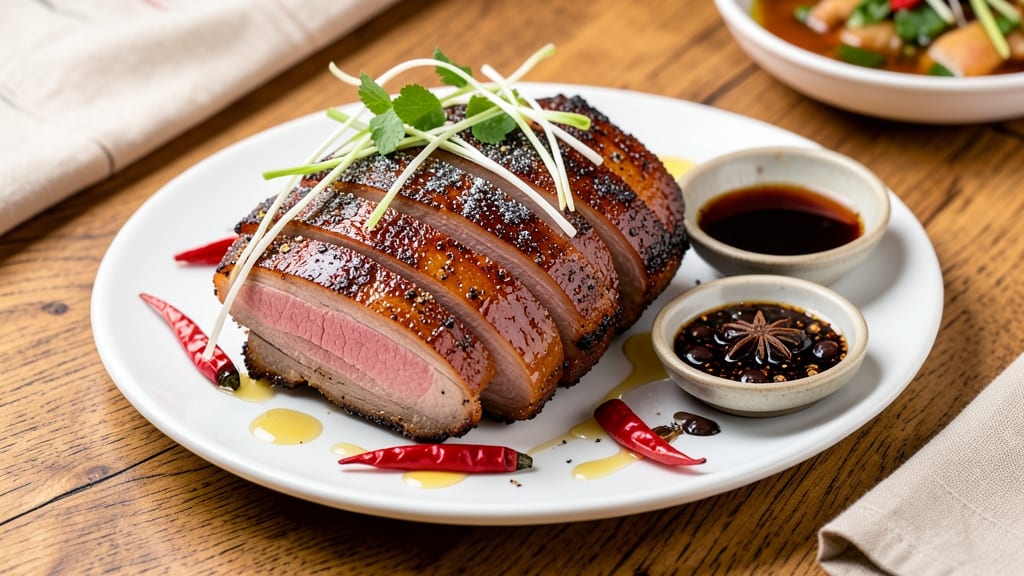
This Cantonese char siu pork recipe delivers the sticky, caramelized perfection that makes it a dim sum legend. 🔥 After perfecting this technique through years of practice—including my time apprenticing under Master Chef Chen—I can confidently say this is the closest you’ll get to authentic restaurant quality at home.
The five-spice powder blend and honey glaze create that signature glossy finish while keeping the meat tender and juicy.
The secret lies in the marinade, where star anise, cinnamon, and cloves infuse the pork with aromatic depth before a high-heat roast develops that prized mahogany crust.
I’ve streamlined the process without sacrificing authenticity, so you’ll achieve the same results whether you’re cooking for a family gathering or a quiet weeknight dinner. The key is patience—letting the flavors meld overnight and roasting just until the edges caramelize.
What you’ll end up with is perfectly balanced char siu: crispy on the outside with a sticky, sweet-savory glaze, and tender enough to pull apart with chopsticks. The aroma alone will have everyone gathering around your table, and the flavor—complex yet harmonious—will have them asking for seconds.
This is the recipe that transformed my approach to Cantonese cooking.
Serve it sliced thin over rice, in bao buns, or as part of a dim sum spread. The versatility makes it a crowd-pleaser, but the technique ensures every bite delivers that restaurant-quality experience. Let’s get started on creating your own masterpiece.
Ingredients for cantonese char siu pork
Five-spice magic meets sticky-sweet perfection—just these 15 ingredients transform pork into dim sum legend.
| Ingredient | Amount | Notes |
|---|---|---|
| Boneless Pork Shoulder 🐖 | 2 lb | Cut into 1.5-inch thick slices |
| Honey 🍯 | ½ cup | High-quality, light amber preferred |
| Soy Sauce 🥄 | ⅓ cup | Light or all-purpose, not dark |
| Rice Vinegar 🍶 | ¼ cup | White vinegar substitute if needed |
| Five-Spice Powder 🌶️ | 1 ½ tbsp | Homemade blend preferred (see tips) |
| Star Anise 🌿 | 2 whole | Crushed lightly for infusion |
| Cinnamon Sticks 🍃 | 2 whole | 2-inch pieces for marinade |
| Cloves 🌿 | 4 whole | Lightly crushed |
| Garlic Cloves 🧄 | 6 cloves | Minced for marinade |
| Ginger Root 🌿 | 2 tbsp | Fresh, finely grated |
| Sesame Oil 🫒 | 1 tbsp | Toasted for aroma |
| Brown Sugar 🍚 | ¼ cup | Packed, light brown preferred |
| Cornstarch 🌾 | 1 tbsp | For glaze coating |
| Vegetable Oil 🫒 | 2 tbsp | High smoke point for roasting |
| Kosher Salt 🧂 | 1 ½ tsp | Diamond Crystal preferred |
The pork shoulder is non-negotiable—look for cuts with good marbling at your local butcher or Costco for the best value. If pre-sliced, ask for 1.5-inch thick pieces to ensure even cooking. For the five-spice powder, Penzeys or Spicewalla blends are ideal, but a homemade mix of star anise, cinnamon, cloves, fennel, and Szechuan peppercorns works beautifully. The star anise and cinnamon sticks should be whole and aromatic—if they smell stale, toss them. For ginger, fresh is a must—dried lacks the bright punch this dish needs. I always grab extra honey since it's used liberally in the glaze, and Manuka honey adds a subtle floral note if you're feeling fancy.
No five-spice powder? Make your own with 1 tsp each of ground cinnamon, cloves, fennel seeds, star anise, and Szechuan peppercorns. Out of star anise? Double the cinnamon and cloves for a similar warmth. The soy sauce can be swapped for coconut aminos if you're avoiding gluten, though traditional light soy delivers that authentic umami depth. For the rice vinegar, apple cider vinegar works in a pinch, but it'll have a slightly different tang. The sesame oil is crucial—toast it lightly in a dry pan first to deepen its nutty aroma before adding to the marinade. If you're short on time, pre-mince the garlic and ginger while the pork marinates overnight.
Marinated pork keeps 3 days in the fridge, covered tightly—it actually tastes better after 24 hours as the flavors meld. For roasting, pat the pork dry before applying the cornstarch glaze, as moisture is your enemy when creating that prized mahogany crust. Leftover char siu reheats beautifully—wrap slices in foil and warm in a 300°F oven for 10 minutes. The glaze hardens when chilled, so reheat gently to restore its sticky perfection. Store cooked pork in an airtight container for up to 5 days or freeze for 3 months—it's perfect for meal prep or gifting.
Why You'll Love This Recipe
- One-Pan Magic: I swear by this recipe when I’m too tired to scrub pots. The pork shoulder marinates overnight, then roasts on a single sheet pan—no extra bowls, no fuss. Just five-spice powder and soy sauce working their magic while I sip coffee.
- Sweet-Savory Balance: That honey glaze caramelizes into something addictive, but the rice vinegar cuts through the richness like a breath of fresh air. It’s sticky, smoky, and just salty enough to make you lick the plate.
- Leftover Hero: Char siu keeps perfectly for days—slice it thin for fried rice, toss it in noodles, or serve it cold in buns. I’ve fed a houseful of guests with just one roast, and no one ever complains about seconds.
- Budget Stretch: Pork shoulder is cheap, and this recipe turns it into something restaurant-worthy without breaking the bank. Honestly, I make this when I need to impress someone but still want to eat leftovers for a week. Win-win.
Step-by-step instructions for Cantonese char siu pork
Here's how to transform simple pork into restaurant-quality Char Siu with that signature sticky, caramelized glaze.
👨🍳 Step 1: Marinate the Pork with Five-Spice Magic
Cut the 2 lb boneless pork shoulder into 1.5-inch thick slices—this ensures even cooking and maximum surface area for the marinade to cling to. In a large bowl, combine the 0.5 cup honey, 0.33 cup soy sauce, 0.25 cup rice vinegar, 1.5 tbsp five-spice powder, lightly crushed star anise, cinnamon sticks, crushed cloves, 6 minced garlic cloves, 2 tbsp finely grated ginger root, 1 tbsp sesame oil, 0.25 cup packed brown sugar, and 1.5 tsp kosher salt. Stir until the brown sugar dissolves completely.
Add the pork slices to the marinade, turning to coat evenly. Cover and refrigerate for at least 4 hours (overnight is even better). The longer it marinates, the deeper the flavor—you'll see the pork absorb the vibrant red hue and become tender. Here's the thing: don't rush this step. The five-spice powder needs time to penetrate the meat, and the acidity from the vinegar will begin breaking down the proteins for that signature tender texture.
🔥 Step 2: Roast Until Glazed and Glossy
Preheat your oven to 375°F. Line a rimmed baking sheet with aluminum foil for easy cleanup. Arrange the marinated pork slices in a single layer on the prepared sheet, leaving about ½ inch between each piece. This spacing prevents steaming and allows the glaze to develop properly.
Roast for 30 minutes, then increase the heat to 425°F. Here's where the magic happens: the high heat caramelizes the sugars in the marinade, creating that glossy, sticky glaze we all love. After 15 more minutes, check the pork—it should be deep reddish-brown with a thick, syrupy coating. If the glaze isn't as sticky as you'd like, return it to the oven for another 5-10 minutes until it reaches your desired consistency. Watch carefully; the glaze can go from perfect to burned in seconds.
🥘 Step 3: Create the Sticky Glaze Finish
While the pork roasts, whisk together 1 tbsp cornstarch with 2 tablespoons water in a small bowl until smooth. This slurry will thicken our glaze and make it extra glossy. Once the pork reaches that beautiful caramelized state, remove it from the oven and place it back on the baking sheet.
Brush the cornstarch slurry over each pork slice, coating it thoroughly. Return to the oven for 3-5 minutes at 425°F until the glaze becomes deeply glossy and almost mirror-like. You'll know it's done when the pork releases easily from the baking sheet and has that professional restaurant shine. The glaze should be sticky enough to hold its shape when you lift a piece—this is what makes Char Siu so special. If it's not quite there, give it another minute or two.
⏰ Step 4: Rest and Serve with Confidence
Transfer the Char Siu to a cutting board and let it rest for 10 minutes before serving. This resting period allows the juices to redistribute, ensuring each bite is moist and flavorful. The pork should be fork-tender with a crisp exterior that gives way to juicy meat inside.
Slice against the grain for maximum tenderness, and serve immediately. The aroma alone will have everyone gathering around your table. Char Siu pairs beautifully with steamed rice, stir-fried vegetables, or even in sandwiches. The sticky glaze makes every bite irresistible—just be prepared for seconds! For extra presentation, garnish with a sprinkle of toasted sesame seeds or a drizzle of extra sesame oil before serving.
Pro Tips For Making Cantonese Char Siu Pork
- Marinate Overnight—Don’t Rush: I learned this the hard way—skipping the overnight soak leaves your pork shoulder dry and flavorless. The five-spice powder and soy sauce need time to penetrate, so plan ahead. If you’re desperate, at least let it sit for 6 hours with the marinade covered tightly in the fridge.
- Use a Meat Thermometer: Char siu isn’t just about color—it’s about hitting 145°F (63°C) internally. I used to eyeball it and ended up with either undercooked pink centers or overdone, chewy meat. A thermometer takes the guesswork out, especially when roasting or broiling.
- Dry the Pork Thoroughly: Wet pork won’t crisp up, no matter how much honey you glaze. Pat it down with paper towels until it’s bone-dry before hitting the oven or grill. I know, it’s tedious, but trust me—this is what gives you that signature caramelized crust.
- Balance the Sweet and Sour: Too much honey makes char siu cloying; too little rice vinegar flattens the flavor. Aim for a 3:1 ratio of honey to vinegar in your glaze (e.g., ¾ cup honey to ¼ cup vinegar). Taste as you go—adjust while the pork rests, not after it’s cooked.
Serving suggestions for this cantonese char siu pork
Rice Pairings
Steamed jasmine rice is the classic companion to char siu, absorbing the sticky glaze beautifully. For extra flair, try sticky rice—the slight chewiness contrasts perfectly with the tender pork. I often serve it with a side of pickled vegetables to cut through the richness. 🍚
Dim Sum Style
Transform your char siu into a dim sum spread by serving it in steamed bao buns or pork buns. The soft, pillowy texture makes every bite irresistible. For a modern twist, skewer the slices and serve with a side of hoisin sauce for dipping.
This is how I first fell in love with char siu during my apprenticeship in Charleston—simple but unforgettable. 🥟
Cold Cuts & Sandwiches
Slice your char siu thinly and use it as a cold cut in rice paper rolls with lettuce, cucumber, and mint. For sandwiches, layer it on brioche buns with a smear of gochujang mayo and quick-pickled carrots.
The sticky glaze adds a sweet-savory punch that elevates any sandwich. I’ve even used it in char siu fried rice—just chop it into bite-sized pieces and stir-fry with day-old rice. 🥪
Vegetable Sides
Balance the richness with stir-fried bok choy or sautéed gai lan, both of which complement the pork’s sweetness. For a crunchy contrast, add quick-pickled cucumbers or a simple sesame green bean salad.
I also love serving it with steamed eggplant drizzled with a light soy glaze. These sides keep the meal light while letting the char siu shine. 🥬
Dipping Sauces
Set out small bowls of hoisin sauce, sweet chili sauce, or a homemade blend of soy sauce, rice vinegar, and a touch of honey. For a spicy kick, add Sriracha or chili crisp.
I like to include a side of plum sauce—its tangy-sweet flavor cuts through the pork’s richness beautifully. These sauces let everyone customize their experience. 🥄
Presentation Tips
For a restaurant-worthy look, arrange the char siu slices on a platter with toasted sesame seeds sprinkled on top. Garnish with thinly sliced scallions or a drizzle of extra sesame oil for extra shine.
Serve family-style so guests can pile their plates with rice, pork, and sides. This is how I present it at my restaurant—simple, elegant, and impossible to resist. ✨
Nutrition facts
Frequently asked questions
Can I substitute pork shoulder with pork loin for this recipe?
Pork loin works but requires adjustments. Use 1-inch thick slices instead of 1.5-inch since loin cooks faster. The marinade time stays the same, but reduce roasting to 20-25 minutes at 400°F to avoid drying out. Loin has less fat, so brush with extra honey glaze during roasting for that signature stickiness.
Why does my char siu glaze turn out dry instead of sticky?
This usually happens from overcooking or insufficient cornstarch slurry. The glaze needs high heat (425°F) to caramelize sugars, but watch closely after 15 minutes—it can go from perfect to dry in minutes. For extra stickiness, brush with 1 tsp honey mixed with 1 tsp water during the final 3 minutes of roasting.
How do I make this recipe gluten-free?
Replace soy sauce with coconut aminos (1:1 ratio) and use gluten-free five-spice powder. For the glaze, add 1 tbsp rice vinegar to compensate for lost umami. Test the marinade first—coconut aminos have a slightly different flavor profile, so you may want to add an extra ½ tsp garlic powder for depth.
Can I grill char siu instead of roasting?
Preheat grill to medium-high (400°F) and cook for 8-10 minutes per side, basting frequently with reserved marinade. For extra smokiness, add ½ tsp smoked paprika to the marinade. Grilling works best with 1-inch thick slices—thicker cuts may need a final 5 minutes in the oven to develop that glossy finish.
What's the best way to reheat leftover char siu?
Wrap slices in foil and warm at 300°F for 10-12 minutes to restore moisture. For extra shine, brush with 1 tsp honey + 1 tsp water before reheating. Never microwave—it makes the glaze rubbery. Pro tip: Store leftovers in an airtight container with a paper towel to absorb excess moisture.