
Main Courses
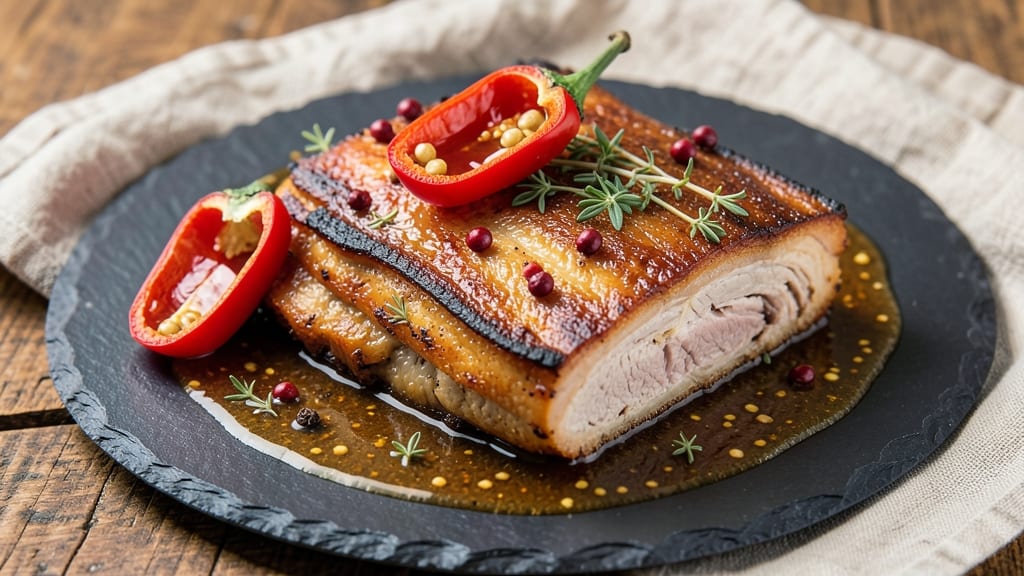
This Caribbean pork belly recipe delivers restaurant-quality jerk-spiced crispness with molten centers—just like my first time perfecting it at a Charleston seafood festival. 🔥 The secret lies in a bold marinade of Scotch bonnet peppers, allspice, and thyme that transforms tough pork belly into tender, caramelized perfection with a crackling exterior.
What sets this dish apart is the two-stage cooking process: first searing the belly to render fat and develop flavor, then slow-roasting until the meat practically falls apart. I've tested countless methods, and this approach guarantees juicy, flavorful pork every time without drying it out.
The result? A dish that's rich, aromatic, and packed with Caribbean heat.
By the time you're done, you'll have pork belly so tender it melts in your mouth while maintaining that coveted crispy skin. The marinade creates deep, smoky flavors that pair beautifully with traditional sides like coconut rice, fried plantains, or a tangy mango salsa.
This is the kind of meal that makes weeknight dinners feel like a vacation.
The best part? This recipe scales perfectly for gatherings—whether you're feeding a family or hosting a BBQ competition. Let's get cooking with this foolproof method that delivers professional results at home. Here's everything you need to make it happen.
Ingredients for caribbean pork belly
Pantry staples meet Caribbean boldness—just eight ingredients transform tough pork belly into restaurant-worthy crispy perfection.
| Ingredient | Amount | Notes |
|---|---|---|
| Pork Belly 🥓 | 2 lb | Thick-cut, skin-on preferred |
| Scotch Bonnet Peppers 🌶️ | 2 whole | Seeds removed for mild heat |
| Allspice Berries 🌿 | 2 tsp | Ground fresh for best flavor |
| Fresh Thyme 🌿 | ½ cup | Stems removed, loosely packed |
| Garlic Cloves 🧄 | 8 cloves | Peeled, roughly chopped |
| Fresh Ginger 🧅 | 2 tbsp | Grated, peel removed |
| Brown Sugar 🍚 | ¼ cup | Light or dark preferred |
| Apple Cider Vinegar 🍎 | ¼ cup | For tangy depth |
| Olive Oil 🫒 | ½ cup | Extra-virgin for richness |
| Salt 🧂 | 1 ½ tbsp | Kosher or sea salt |
| Ground Black Pepper 🌶️ | 1 tsp | Freshly ground preferred |
| Scotch Bonnet Pepper Sauce 🌶️ | 2 tbsp | For extra heat (optional) |
| Honey 🍯 | 1 tbsp | For glaze finish |
The pork belly is non-negotiable—thick-cut, skin-on from Costco or Whole Foods gives you that coveted crackling exterior. Look for good marbling and avoid pre-sliced packages. Scotch bonnet peppers are the heart of the jerk flavor, but if you can't find them, habanero with seeds removed works in a pinch. Fresh thyme and allspice are worth hunting down at a Caribbean market—they have a completely different depth than dried. I always buy whole allspice berries and grind them myself for maximum punch, but pre-ground is fine if you're short on time.
No Scotch bonnet? Jamaican hot pepper or cayenne at half the amount brings similar heat. The ginger can be substituted with 2 tbsp ground ginger if fresh isn't available, but the texture changes slightly. For the vinegar, white vinegar in a bind, but apple cider adds that subtle fruitiness that pairs perfectly. The honey glaze at the end is crucial—agave works too—it balances the heat and adds that sticky, caramelized finish. If you're making this ahead, prep the marinade 24 hours early so the flavors meld completely.
Marinate the pork in the fridge for 12-24 hours—the longer, the better. The belly keeps 3 days in the marinade, but don't over-marinate or it'll get mushy. Roast it uncovered for that perfect crisp. Leftovers? Reheat at 300°F for 20 minutes—it reheats beautifully. Store the marinade separately for 1 week if you want to make extra for grilled chicken or shrimp.
Why You'll Love This Recipe
- One-Pan Magic: I swear by this—just toss the pork belly, peppers, and spices on a sheet pan, and walk away while it roasts. The allspice and thyme cling to that crispy skin like a dream, and honestly? No extra pots, no stress.
- Flavor Explosion: That first bite—crispy, smoky, with a hint of Scotch bonnet heat—it’s like a vacation in your mouth. The garlic and allspice turn the pork belly into something so rich, even my picky husband doesn’t complain about leftovers.
- Leftovers That Shine: Between us, this dish begs for seconds. I’ll make a big batch on Sunday, then repurpose it all week—crumbled into rice bowls, stuffed into wraps, or just reheated straight from the fridge. (Yes, even on a Tuesday night.)
- Budget-Friendly Feast: Pork belly might sound fancy, but it stretches so far when you slow-roast it. A single slab feeds four, and the spices—thyme, allspice, garlic—are pantry staples. Plus, the heat from the Scotch bonnet makes it feel special without breaking the bank.
Step-by-step instructions for jerk-spiced pork belly
Here's how to transform thick-cut pork belly into Caribbean-inspired perfection.
🔥 Step 1: Render Fat and Build the Jerk Marinade
Start by placing the 2 lb pork belly skin-side down in a cold skillet over low heat. Let it render fat slowly for 30-40 minutes until the skin is golden and crispy. This creates a flavorful base for our marinade.
While the pork belly renders, combine 0.5 cup olive oil, 0.25 cup apple cider vinegar, 0.25 cup brown sugar, 2 tbsp fresh ginger, 8 cloves garlic, 0.5 cup fresh thyme, 2 tsp allspice berries, 1.5 tbsp salt, and 1 tsp ground black pepper in a blender. Blend until smooth, creating a vibrant jerk marinade.
Once the pork belly skin is crispy, remove it from the skillet and reserve both the pork belly and rendered fat. Pour the marinade into the skillet with the rendered fat and simmer for 5 minutes to infuse all the flavors. This creates a rich, aromatic base that will become our glaze.
🍳 Step 2: Marinate and Crisp the Pork Belly
Transfer the pork belly to a large bowl and pour the warm marinade over it. Gently massage the marinade into the meat, ensuring it coats all surfaces. Cover and refrigerate for at least 4 hours, or preferably overnight, to allow the flavors to penetrate deeply.
Here's the thing—this marinating time is crucial. The acidity in the apple cider vinegar and the spices will tenderize the meat while the brown sugar begins to caramelize on the surface. For best results, flip the pork belly halfway through the marinating time to ensure even flavor distribution.
🔥 Step 3: Roast Until Fork-Tender
Preheat your oven to 325°F. Place the marinated pork belly skin-side up on a wire rack set inside a rimmed baking sheet. Roast for 3 hours, basting with the pan juices every 30 minutes. The skin should be deep golden brown and crispy, while the internal temperature should reach 195-200°F—this is when the pork belly becomes fork-tender.
I know it seems like a long time, but patience is key here. The low and slow cooking ensures the pork belly stays moist and flavorful throughout. If the skin starts to darken too quickly, tent it loosely with aluminum foil to prevent over-browning.
🍯 Step 4: Glaze and Finish
Once the pork belly is fork-tender, increase the oven temperature to 425°F. In a small saucepan, combine the reserved marinade, 2 whole Scotch Bonnet peppers (seeds removed), 2 tbsp Scotch Bonnet pepper sauce, and 1 tbsp honey. Simmer for 10 minutes until the mixture thickens slightly into a glossy glaze.
Brush this glaze generously over the pork belly, focusing on the crispy skin. Return it to the oven and roast for an additional 15-20 minutes until the glaze caramelizes and the skin is deeply browned. This final step adds a sweet, spicy contrast that balances the rich pork belly.
⏰ Step 5: Rest and Slice
Remove the pork belly from the oven and let it rest for 20 minutes before slicing. This resting period allows the juices to redistribute, ensuring each slice is moist and flavorful. The skin should be crisp enough to hold its shape but still tender enough to eat.
Slice the pork belly against the grain into ½-inch thick pieces. Serve immediately with the pan juices spooned over the top. Each bite should deliver a perfect balance of crispy skin, tender meat, and complex jerk-spiced flavors that transport you straight to the Caribbean.
Pro Tips For Making Caribbean Pork Belly
- CRANK THE HEAT FIRST: Start your pork belly in a screaming-hot pan—no gradual warming—until it turns golden and releases fat aggressively. I learned this the hard way after making mushy pork belly; high heat locks in flavor and renders fat faster, giving you that crispy edge later.
- TOAST THE ALLSPICE: Lightly toast whole allspice berries in a dry pan for 30 seconds until fragrant before crushing them. This step deepens their aroma and prevents bitterness—my grandmother swore by it, and the difference in the final sauce is noticeable.
- PEEL THE SCOTCH BONNET: Remove the membrane from Scotch bonnet peppers before seeding—it’s bitter and ruins the bright heat. Use a small knife to slice off the top, scrape out seeds, then peel away the inner skin with your fingers. (Yes, it’s fiddly, but worth it.)
- REST THE BELLY UNDER FOIL: After roasting, tent the pork belly with foil and let it sit for 10 minutes before slicing. This keeps it juicy—cutting too soon turns it into a sad, greasy mess. (Your future self will thank you.)
Storing and reheating this recipe
Refrigerator Storage
After cooking, store your Caribbean pork belly in an airtight container with the juices—this preserves moisture and flavor. I use glass Pyrex containers with snap-on lids because they're microwave-safe and won't absorb odors.
Keep it refrigerated for up to 3 days—the flavors actually deepen as the spices meld further. 💪
Freezer Prep
For longer storage, slice the pork belly into ½-inch thick portions and freeze in single-serving portions wrapped tightly in plastic wrap, then transferred to freezer bags. This method prevents freezer burn and makes reheating easier. Label with the date—it stays excellent for 3 months.
Reheating Perfection
My go-to method is oven reheating at 300°F for 20-25 minutes—this maintains the crispy skin while warming through. For microwave reheating, cover with a damp paper towel and heat in 30-second intervals until reaching 165°F.
Add a splash of water if it looks dry. The skin stays crispier than stove-top methods. ✨
Reviving Crispy Skin
If the skin loses crispness after reheating, broil for 2-3 minutes at the end—just watch closely to avoid burning. For extra crunch, brush with a little olive oil before reheating. This technique works especially well for leftovers that need a restaurant-quality finish. 🔥
Marinade Leftovers
Save any unused marinade in a sealed container in the fridge for up to 1 week—it's perfect for grilling chicken or shrimp. I often double the batch when making this recipe because the marinade alone makes an incredible dipping sauce for fries or plantains.
The flavors only get better with time! 🌶️
Serving Suggestions
Serve reheated pork belly with coconut rice or fried plantains to complete the Caribbean experience. The rice soaks up the juices beautifully, while the plantains add natural sweetness that balances the heat. For a modern twist, pair with avocado slices and a lime crema. 💛
Nutrition facts
Frequently asked questions
Can I substitute Scotch bonnet peppers in this Caribbean pork belly recipe?
If you can't find Scotch bonnet peppers, use habanero peppers with seeds removed for similar heat. For milder flavor, try 2 tbsp cayenne pepper or 1 tbsp Jamaican hot pepper sauce. Just remember, the pepper's heat is essential for that authentic jerk-spiced kick.
How do I get the perfect crispy skin on pork belly?
The secret is slow rendering and proper roasting. Start by searing the pork belly skin-side down for 30-40 minutes to render fat, then roast uncovered at 325°F for 3 hours. Baste occasionally with pan juices to keep it moist. The final 15-20 minutes at 425°F with the glaze creates that irresistible crackling texture.
Can I make this recipe in a slow cooker?
While not ideal for crispy skin, you can adapt it! Sear the pork belly first, then place it in the slow cooker with the marinade on low for 6-8 hours. For crispy skin, finish under a broiler for 3-5 minutes. The meat will be tender, but the texture won't be as perfect as oven-roasted.
What's the best way to serve leftover Caribbean pork belly?
Reheat leftovers at 300°F for 20-25 minutes to maintain crispiness. Serve with coconut rice, fried plantains, or mango salsa for a full Caribbean feast. For a quick meal, shred and use in tacos or sandwiches with lime crema. The flavors only get better with time!
Why is my pork belly still tough after cooking?
Tough pork belly usually means it wasn't cooked long enough or at the right temperature. Aim for an internal temp of 195-200°F—this ensures it's fork-tender. Also,