
Main Courses
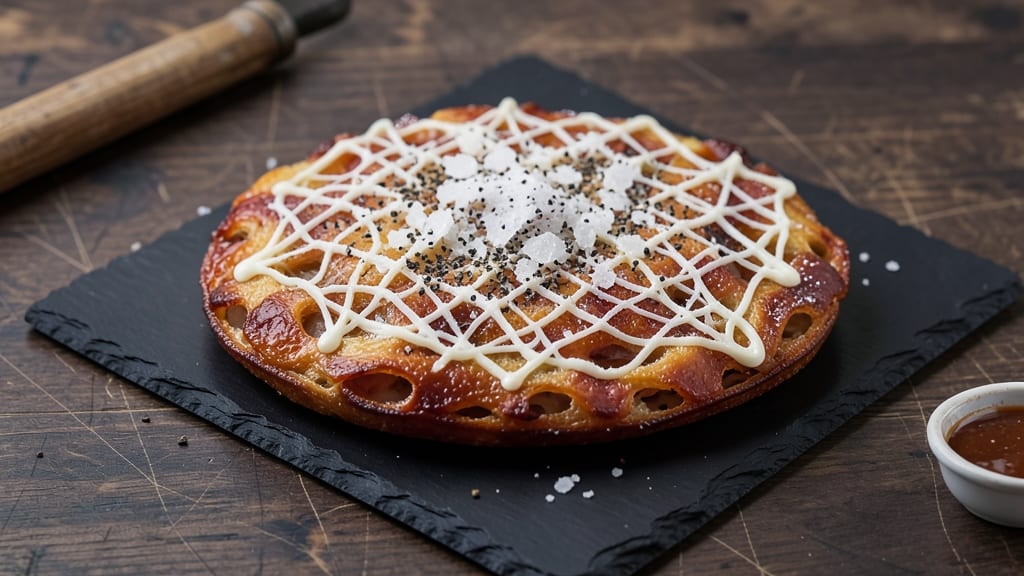
This carnivore bread recipe transforms crispy pork rinds into a zero-carb, crunchy loaf that satisfies keto cravings without the guilt. 🔥 After years of testing, I've perfected a method that delivers the perfect texture—shatteringly crispy outside, tender enough to hold meat-based spreads inside.
The secret lies in binding pork rinds with egg whites and a touch of gelatin, creating a loaf that's surprisingly sturdy yet light.
What makes this recipe work is the foolproof combination of ingredients you likely already have in your carnivore pantry. No grains, no dairy, no plant-based fillers—just pork rinds, eggs, and a pinch of salt.
The baking process is simple: blend, press into a loaf pan, and bake until golden. No special equipment needed, just your oven and patience for the crispy transformation.
The result is a crunchy, savory loaf that holds up beautifully for slicing—perfect for serving with butter, meat-based spreads, or even as a base for open-faced sandwiches. The texture stays crispy for hours, making it ideal for meal prep.
This isn't just bread; it's a game-changer for anyone following a strict carnivore or keto diet who misses the satisfaction of a warm, crusty loaf.
Once you try this recipe, you'll never reach for store-bought bread again. The flavor is pure pork rind—savory, slightly salty, and satisfyingly meaty—with just enough structure to hold together. It's the kind of recipe that proves carnivore cooking can be both practical and delicious. Let's get baking!
Ingredients for carnivore bread recipe pork rinds
Four servings of carnivore perfection—just pork rinds, eggs, and a few essentials for zero-carb satisfaction.
| Ingredient | Amount | Notes |
|---|---|---|
| Pork Rinds 🥓 | 2 cups | Crushed into fine crumbs |
| Large Egg Whites 🥚 | 4 whole | Room temperature preferred |
| Unflavored Gelatin Powder 🍬 | 2 tbsp | Unsweetened, high-quality |
| Warm Water 💧 | ½ cup | 160°F for proper gelatin activation |
| Sea Salt 🧂 | ½ tsp | Fine grain for even distribution |
| Black Pepper 🌶️ | ¼ tsp | Freshly cracked for aroma |
| Garlic Powder 🧄 | ¼ tsp | For subtle savory depth |
| Extra-Virgin Olive Oil 🫒 | 1 tbsp | Light drizzle for binding |
| Carnivore Butter 🧈 | 2 tbsp | Melted for coating loaf pan |
The pork rinds are the star here, so pick high-quality brands—Jack Link's or Pork Rinds Co work best. Look for the crispest, most flavorful ones you can find, as they'll determine your final texture. Crush them finely in a food processor or blender until they resemble coarse sand; this ensures maximum surface area for binding. The gelatin is non-negotiable—it's what gives this loaf its structural integrity without any grains or dairy. Great Lakes brand is my go-to for consistent results. Store your pork rinds in an airtight container to maintain crispness until ready to use.
No gelatin on hand? Unflavored powdered collagen works in a pinch at double the amount, though texture may vary slightly. For extra flavor, add 1/4 tsp smoked paprika to the mix—it mimics the depth of traditional bread without carbs. The egg whites must be fresh and room temperature; old or cold whites won't whip properly, compromising the loaf's structure. If you're strict carnivore, ensure your olive oil and butter are 100% animal-free—some brands contain plant oils. The warm water should be 160°F maximum to activate the gelatin without cooking it prematurely.
This loaf stays crispy for 3-4 days when stored in an airtight container at room temperature, but it's best enjoyed within 24 hours for maximum crunch. For longer storage, slice and freeze portions—up to 3 months—then reheat in a 350°F oven for 5-7 minutes to restore crispness. The carnivore butter coating adds extra richness and helps maintain moisture. To serve, slice with a serrated knife for clean cuts through the crispy exterior.
Why You'll Love This Recipe
- Five-Ingredient Magic: I swear by this list—pork rinds, egg whites, gelatin, water, and salt. That’s it. No flour, no yeast, no waiting for dough to rise. Just blend, pour, and bake. The simplicity is chef’s kiss.
- Crispy-Creamy Dream: The pork rinds give it that addictive crunch, while the egg whites and gelatin create a soft, almost bread-like center. Honestly, it’s the closest I’ve gotten to real bread without the carbs—and it doesn’t taste like you’re missing out.
- Zero-Waste Leftovers: This bread holds up amazingly in the fridge. I’ll make a big batch on Sunday, and by Wednesday, I’m still using slices for sandwiches or toasting them up. No sad, dried-out bread here—just pure, crispy perfection.
- Budget Hack: Pork rinds are cheap, gelatin is a steal, and eggs? You already have them. Between us, this recipe costs me half what store-bought bread does—and it’s way more satisfying. Plus, it’s carnivore-friendly, so no one’s left out.
Step-by-step instructions for crunchy zero-carb pork rind loaf
This method delivers a perfectly textured, keto-friendly bread loaf with crispy edges and tender interior.
👨🍳 Step 1: Create the Pork Rind Crumb Base
Place the 2 cups pork rinds in a food processor fitted with the metal blade. Pulse in 3-4 second bursts until you achieve fine, sand-like crumbs—think coarse breadcrumbs but with a meaty texture. Avoid over-processing or the crumbs will turn into flour.
Transfer the crumbs to a medium mixing bowl. Here's the thing—pork rinds absorb moisture differently than flour, so we're creating a stable base first. The goal is to mimic bread's structural properties without any carbs. Set this aside while you prepare the binding agents.
🍳 Step 2: Prepare the Gelatin Binding Solution
In a small heatproof bowl, whisk together the 2 tbsp unflavored gelatin powder and 0.5 cup warm water (about 160°F). Let it sit for 5 minutes until fully dissolved—you should see a clear, slightly thickened liquid. This gelatin acts as our gluten substitute, providing the elastic quality of traditional bread.
While waiting, melt the 2 tbsp carnivore butter in a small saucepan over low heat until completely liquid. You want it to be fully melted but not browned—just enough to coat the back of a spoon. This butter will add richness and help create that golden crust we're after.
🥘 Step 3: Combine Wet Ingredients and Seasonings
In a separate bowl, whisk the 4 whole large egg whites until frothy but not stiff peaks form. Add the dissolved gelatin mixture and melted butter, whisking constantly for 1 minute until fully combined. The mixture should be smooth and slightly thickened—like a thin batter.
In a small bowl, combine the 0.5 tsp sea salt, 0.25 tsp black pepper, and 0.25 tsp garlic powder. Sift this seasoning blend over the egg mixture and gently fold together with a rubber spatula. Then add the 1 tbsp extra-virgin olive oil, folding just until incorporated. This step ensures even distribution of flavor throughout the loaf.
🥘 Step 4: Assemble and Set the Loaf
Pour the wet mixture over the dry pork rind crumbs in the mixing bowl. Using the rubber spatula, gently fold everything together until you achieve a crumbly, dough-like consistency that holds together when pressed. You want it to be moist enough to compact but not sticky—it should form a loose ball when squeezed.
Lightly grease a standard loaf pan with additional olive oil or butter. Press the pork rind mixture firmly into the pan, creating an even surface. Tap the pan gently on the counter a few times to eliminate air pockets. Cover with plastic wrap and refrigerate for 2 hours or until firm to the touch.
🔥 Step 5: Bake for Perfect Texture
Preheat your oven to 350°F. Remove the chilled loaf from the refrigerator and carefully transfer it to a baking sheet. Bake for 45-50 minutes until the top is golden brown and the internal temperature reaches 190°F when measured with an instant-read thermometer.
For the final 5 minutes of baking, increase the oven temperature to 400°F to create that crispy exterior. Let the loaf cool in the pan for 10 minutes before removing and cooling completely on a wire rack. The interior should be tender while maintaining that satisfying crunch on the outside—just like traditional bread, but with zero carbs.
Pro Tips For Making Carnivore Bread Recipe Pork Rinds
- Pulse the Rinds First: Blitz pork rinds in a food processor for 10-15 seconds until they’re fine crumbs—not powder. I learned this the hard way: skipping this step leaves uneven texture, like eating a mix of grit and glue. If you don’t have a processor, crush them by hand in a bag with a rolling pin, but don’t rush it.
- Bloom the Gelatin Properly: Mix unflavored gelatin powder with warm water (not hot—just warm to the touch) and let it sit for 5 minutes before adding to egg whites. I used to stir it in immediately, and the bread always came out gummy. Sounds weird, but it works: the gelatin needs time to fully hydrate so it binds evenly.
- Whip Egg Whites Cold: Chill your bowl and beaters for 10 minutes before whipping the egg whites—room temp makes them stubborn. I was skeptical until I tried it: cold egg whites whip to stiff peaks faster and hold their shape better during baking. No need for stabilizers; just patience.
- Salt the Crumbs Lightly: Sprinkle half the sea salt into the pork rind crumbs before mixing with wet ingredients. The rest goes on top after baking. I skipped this once and ended up with bland bread—salting the crumbs first distributes flavor evenly. Trust me, your taste buds will notice.
Storing and reheating your carnivore bread recipe pork rinds
Room-Temp Storage
Your freshly baked pork rind loaf will stay crispy for 3-4 days when stored in an airtight container at room temperature. I like using a glass loaf pan with a tight-sealing lid—it preserves that satisfying crunch better than plastic.
The key is to let it cool completely before storing, or condensation will make the exterior soggy. I've found that wrapping the loaf in parchment paper before sealing in the container adds an extra layer of protection against moisture. 🌡️
Fridge Preservation
If you need to store leftovers, slice the loaf and place portions in quart-sized freezer bags with all air removed. These bags take up less space in your fridge and prevent freezer burn.
The loaf will maintain its texture for 5-6 days when refrigerated, though I recommend eating it within 3 days for peak crispness. For extra insurance, store slices between layers of paper towels to absorb any moisture.
Freezer-Friendly Slices
This loaf freezes beautifully for up to 3 months—perfect for carnivore meal prep. Slice the cooled loaf into ½-inch thick pieces and freeze them individually on a parchment-lined tray for 1 hour before transferring to a freezer bag. This prevents slices from sticking together.
When ready to eat, simply reheat in a 350°F oven for 5-7 minutes until crispy again. I've even microwaved slices for 15-20 seconds on high power when I'm in a hurry, though oven reheating gives the best results. ❄️
Reheating Secrets
For that fresh-from-the-oven crunch, I swear by the oven method. Place slices on a baking sheet and heat at 350°F for 5 minutes, flipping halfway. The dry heat restores that satisfying snap without making the interior rubbery.
If you're short on time, a toaster oven works too—just set it to 375°F for 3-4 minutes. Avoid the microwave unless absolutely necessary, as it tends to make the pork rind loaf gummy rather than crispy.
Serving Warm Tips
Want to serve your loaf warm like traditional bread? Bake it at 325°F for 5-10 minutes before serving—just enough to crisp up the exterior while keeping the interior tender. I love pairing it with melted carnivore butter or a smear of sugar-free meat-based spread.
For an extra treat, sprinkle with flaky sea salt right before serving. Remember, this loaf is all about that satisfying crunch contrast with warm, creamy toppings—just like the bread you grew up with, but without the carbs. 💛
Nutrition facts
Frequently asked questions
Can I make this pork rind loaf without gelatin?
You can try using 2 tbsp powdered collagen instead, but the texture will be less sturdy. Gelatin provides the perfect elastic quality that mimics bread's structure. For a gluten-free alternative, 1 tbsp psyllium husk powder mixed with water can help, though results may vary. The gelatin is truly the secret ingredient for that satisfying loaf texture.
How do I get the loaf to stay crispy longer?
Store it in an airtight container with paper towels to absorb moisture. Reheat slices in a 350°F oven for 5 minutes before serving to restore crispness. Avoid plastic containers as they trap moisture. For maximum freshness, bake only what you'll eat in 24 hours.
Can I use beef rinds instead of pork rinds?
Yes, but the flavor will be subtly different—beef rinds have a stronger, gamier taste. Use the same quantity and expect a slightly denser texture. For a milder flavor, you could blend half pork and half beef rinds. The cooking method remains identical, but adjust seasonings to taste.
Why did my loaf turn out crumbly instead of holding together? This usually happens when the mixture was too dry or didn't chill long enough.
What are the best toppings for this carnivore loaf?
Try melted carnivore butter, sugar-free meat-based spreads, or a sprinkle of flaky sea salt. For extra flavor, mix crushed pork rinds with garlic powder and use as a topping. Avoid dairy-based spreads if strict carnivore. The possibilities are endless with zero-carb toppings!