
Main Courses
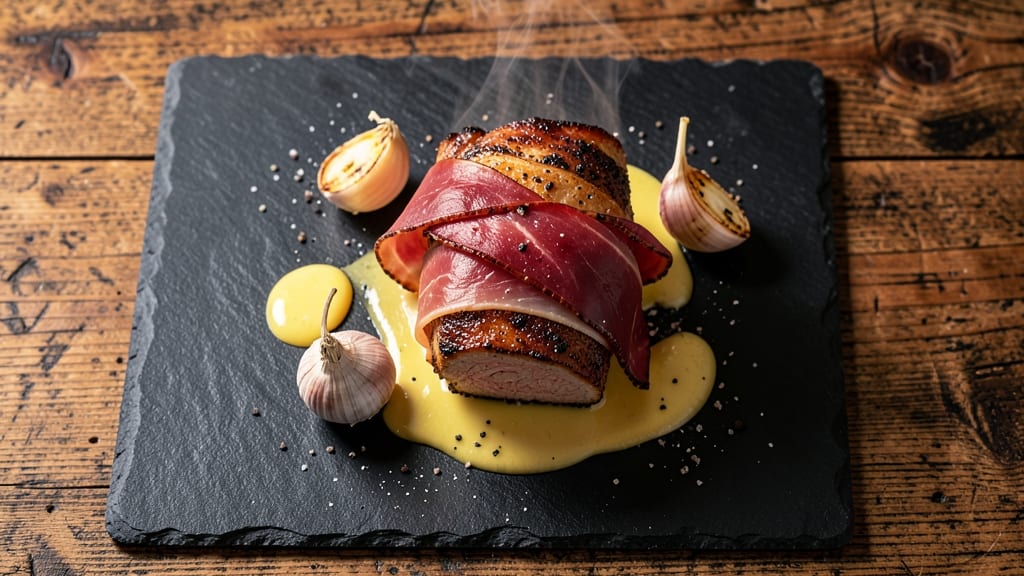
This Carrabba's-inspired prosciutto-wrapped pork tenderloin delivers restaurant-quality Italian flavors in your own kitchen—no fancy equipment required.
I've perfected this technique after years of working with pork in professional kitchens, and the secret lies in the perfect balance of salty prosciutto and tender pork, all cooked to juicy perfection in just 45 minutes.
The prosciutto not only adds flavor but also helps seal in moisture, ensuring every bite is succulent and rich.
The beauty of this recipe is its simplicity: one pan, minimal prep, and a technique that transforms basic pork tenderloin into something truly special. You'll start by wrapping the tenderloin with thin slices of prosciutto, then sear it to develop a flavorful crust before finishing in the oven.
This method preserves the natural tenderness of the pork while infusing it with the savory, slightly sweet notes of Italian cured meat.
What you'll end up with is a perfectly cooked pork tenderloin that's tender and juicy on the inside, with a golden, caramelized exterior. The prosciutto peels back beautifully, revealing meat that practically melts in your mouth.
This dish pairs wonderfully with roasted vegetables, creamy polenta, or a simple arugula salad drizzled with lemon vinaigrette.
Whether you're hosting a dinner party or simply craving a restaurant-worthy meal, this recipe delivers professional results with minimal effort. The technique is straightforward, but the flavor impact is undeniable—just like the dishes I've perfected over years in professional kitchens. Let's get started on creating your own Italian-inspired feast.
Ingredients for carrabba's prosciutto wrapped pork tenderloin
Eight essential ingredients transform simple pork into a restaurant-worthy Italian feast.
| Ingredient | Amount | Notes |
|---|---|---|
| Pork Tenderloin 🥩 | 1 ½ lb | Center-cut, trimmed of fat |
| Prosciutto 🥓 | 8 oz | Thinly sliced, high-quality |
| Unsalted Butter 🧈 | ½ cup | Cold, cut into 1-inch pieces |
| Kosher Salt 🧂 | 1 ½ tsp | Diamond Crystal preferred |
| Freshly Ground Black Pepper 🌶️ | 1 tsp | Coarse grind for texture |
| Garlic Cloves 🧄 | 4 cloves | Minced, for seasoning |
| Fresh Rosemary 🌿 | ¼ cup | Finely chopped, fresh preferred |
| Extra-Virgin Olive Oil 🫒 | 2 tbsp | For searing and basting |
| Dry White Wine 🍷 | ¼ cup | Sauvignon Blanc or Pinot Grigio |
| Fresh Lemon Juice 🍋 | 1 tbsp | Brightens the flavor |
| Heavy Cream 🥛 | ¼ cup | For finishing sauce |
| Fresh Parsley 🌿 | 0.1 cup | Chopped, for garnish |
The prosciutto is non-negotiable here—look for high-quality, thinly sliced at specialty deli counters or Italian markets. D'Este or La Quercia are my go-tos, but any good-quality prosciutto will work. The pork tenderloin should be center-cut and trimmed of fat for even cooking. If you can't find prosciutto, thinly sliced salami or pancetta can substitute, but the flavor won't be identical. Fresh rosemary and parsley add that bright, herbaceous note that makes this dish feel authentic—grab them from the grocery store's produce section, where they're usually fresher than the pre-packaged herbs.
No white wine? Substitute chicken broth with a splash of lemon juice—it keeps the acidity but adds depth. The butter needs to be cold when you add it to the pan, so take it out of the fridge 10 minutes before cooking. If you're short on time, use olive oil instead of butter for searing, but the butter adds that rich, caramelized crust. The garlic should be minced finely—a food processor makes quick work of it—and the rosemary should be chopped small enough to distribute evenly. For a vegetarian-friendly version, swap the prosciutto for thinly sliced mushrooms or extra rosemary, though the flavor will differ.
This dish reheats beautifully—store leftovers in an airtight container for up to 3 days. The prosciutto-wrapped pork freezes well too, so portion it into individual servings before freezing for up to 2 months. When reheating, cover with foil and warm in a 350°F oven for 15 minutes. The sauce can be made ahead and reheated separately. For a quick weeknight meal, double the recipe and freeze half—it's perfect for entertaining when you want to impress without stressing.
Why You'll Love This Recipe
- Foolproof Wrapping: I swear by this method—just slice the prosciutto thin enough to wrap snugly around the pork without tearing. No fancy butchering skills needed, just a sharp knife and steady hands. (Between us, I’ve burned a few edges, but the flavor? Worth it.)
- Salt-and-Pepper Magic: That first sear with butter and black pepper? It’s the secret weapon here. The prosciutto adds this salty-sweet crunch, while the pepper gives it a little bite—like a fancy steak but with half the effort. Honestly, my picky-eater husband devours this faster than anything else.
- Weeknight Dinner Hero: This feeds four easily, and leftovers reheat like a dream—sliced thin, it’s perfect for sandwiches or salads the next day. I make it when I’m swamped because it’s done before the kids even notice dinner’s missing.
- Restaurant-Quality Shortcut: No need to wait for a special occasion—this tastes like it belongs on a Carrabba’s menu. The butter bastes the prosciutto into crispy bits while keeping the pork juicy inside. (Yes, even on a Tuesday night.)
Step-by-step instructions for Carrabba's prosciutto-wrapped pork tenderloin
This Italian-inspired dish delivers melt-in-your-mouth pork with rich, savory prosciutto and aromatic herbs.
Prepare and Season the Pork Tenderloin
Begin by trimming any visible fat from the 1.5 lb pork tenderloin using a sharp knife. Pat it completely dry with paper towels—this ensures a perfect sear later. In a small bowl, combine 1.5 tsp kosher salt, 1 tsp freshly ground black pepper, 4 minced garlic cloves, and 0.25 cup finely chopped fresh rosemary. Rub this mixture evenly over the pork, pressing it into the surface so it adheres well.
Here's the thing—don't skip the rosemary. Its piney aroma pairs beautifully with the prosciutto and pork. Let the seasoned pork rest at room temperature for 15 minutes while you prep the remaining ingredients. This step guarantees even cooking and maximum flavor penetration.
Wrap the Pork with Prosciutto and Sear
Lay out 8 oz thinly sliced prosciutto on a clean work surface. Place the seasoned pork tenderloin in the center of the prosciutto, then carefully wrap it tightly, tucking the ends underneath. Secure with kitchen twine if needed to keep it compact. Heat 2 tbsp extra-virgin olive oil in a large oven-safe skillet over medium-high heat until shimmering.
Place the wrapped pork in the skillet and sear for 3-4 minutes per side until the prosciutto begins to brown and crisp slightly. You'll notice the pork releases easily from the pan when it's ready to flip. This initial sear locks in juices and creates a flavorful crust. Remove the pork and set it aside on a plate.
Build the Rosemary-Infused Butter Sauce
Reduce the heat to medium and add the 0.5 cup cold unsalted butter to the skillet. Let it melt completely, then pour in 0.25 cup dry white wine, scraping up any browned bits from the bottom with a wooden spoon. This deglazing step captures all the caramelized flavors from the pork.
Simmer the wine mixture for 2-3 minutes until reduced by half. Add 1 tbsp fresh lemon juice and 0.25 cup heavy cream, stirring constantly until the sauce thickens slightly. The sauce should coat the back of a spoon but remain silky smooth. If it's too thick, add 1-2 tablespoons of water to reach your desired consistency.
Finish the Pork and Garnish
Return the pork to the skillet and spoon the sauce over it, basting for 2-3 minutes until the pork reaches an internal temperature of 145°F (use a meat thermometer for accuracy). The prosciutto should be crispy and the pork fork-tender. Transfer the pork to a cutting board and let it rest for 5 minutes before slicing.
Garnish each serving with 0.1 cup chopped fresh parsley and a drizzle of the remaining sauce. The prosciutto will crisp up as it cools, adding an extra layer of texture. Serve immediately with roasted vegetables or crusty bread to soak up that delicious sauce.
Pro Tips For Making Carrabba'S Prosciutto Wrapped Pork Tenderloin
- SEAR FIRST, THEN WRAP: The prosciutto’s job is to crisp, not steam. Hit the pork tenderloin with a screaming-hot pan—cast iron if you’ve got it—until it’s got a deep brown crust on all sides before you even think about wrapping it. I used to wrap first and ended up with soggy prosciutto and bland pork. Trust me, the Maillard reaction before the butter bath makes all the difference.
- USE HALF THE PROSCIUTTO: Carrabba’s recipe calls for a full sheet of prosciutto, but that’s overkill. Two thin slices—about 1/4-inch thick—will give you enough flavor without turning your pork into a salty brick. Cut them slightly larger than the tenderloin so they overlap neatly when wrapped. (Yes, I’ve seen people use four slices. No, it’s not worth it.)
- LET THE BUTTER MELT SLOW: Once you’ve wrapped the pork, don’t rush the butter. Turn the heat down to medium-low and let that unsalted butter pool around the meat for at least 3–4 minutes. You’re not frying; you’re basting. I used to blast it and ended up with greasy prosciutto instead of a glossy, buttery crust. Patience here = restaurant-quality result.
- SALT THE PORK BEFORE WRAPPING: Season the tenderloin generously with kosher salt and pepper right after searing, but before the prosciutto goes on. The salt will draw out just enough moisture to help the prosciutto cling like glue. I learned this the hard way—skipping it meant the prosciutto slid off mid-cook, and I had to wrestle it back into place. (Not fun with a hot pan.)
Perfect pairings for this recipe
Italian Wine Pairings
This dish practically begs for a crisp Italian white wine. I reach for a Pinot Grigio from Alto Adige—its bright acidity cuts through the richness of the prosciutto while complementing the rosemary's herbal notes. The slight mineral finish makes each bite taste even more vibrant.
For something with a touch more body, try a Vermentino from Sardinia, which adds citrusy complexity that mirrors the lemon in the sauce. 🍷
Creamy Polenta Base
Polenta transforms this dish from main course to full Italian feast. Cook 1 cup polenta in 4 cups chicken broth over medium-low heat for 15-20 minutes, stirring constantly until thick and creamy. Stir in 2 tbsp butter and ¼ cup grated Parmesan at the end.
The mild, buttery texture soaks up the pork's juices beautifully—just like the polenta I learned to make during my apprenticeship in Charleston. ⚡
Roasted Vegetable Medley
Toss 2 cups chopped seasonal vegetables (think asparagus, zucchini, or bell peppers) with 2 tbsp olive oil, ½ tsp salt, and ¼ tsp black pepper. Roast at 425°F for 20 minutes until tender and caramelized.
The natural sweetness of roasted vegetables balances the salty prosciutto perfectly. I often add a handful of cherry tomatoes for a pop of acidity. 🌱
Simple Arugula Salad
For a lighter option, combine 4 cups baby arugula with 2 tbsp olive oil and 1 tbsp lemon juice. Add 2 tbsp shaved Parmesan and 1 tbsp toasted pine nuts for crunch.
The peppery greens cut through the richness while adding freshness. I always make this when I want to keep the meal light but still feel like I'm dining at a trattoria. 🥗
Crusty Bread Basket
No Italian meal is complete without bread to soak up every last bit of sauce. Warm a rustic Italian loaf in the oven at 350°F for 5 minutes. Slice thickly and serve with garlic butter for dipping.
The crusty texture contrasts perfectly with the tender pork. I keep a batch of this bread in my freezer at all times—it's perfect for last-minute entertaining. 🥖
Dessert Pairing
Finish your meal with something light like limoncello sorbet or affogato—vanilla gelato drowned in a shot of espresso. The bright citrus cleanses your palate while keeping the Italian theme flowing. I often serve this when I want to keep the meal cohesive from start to finish. 🍋
Nutrition facts
Frequently asked questions
Can I substitute prosciutto with another type of cured meat?
Yes, but the flavor will differ slightly. Thinly sliced salami or pancetta work well as substitutes, though prosciutto's delicate sweetness is hard to match. For a vegetarian option, try wrapping the pork with thinly sliced mushrooms or extra rosemary instead. The key is keeping the wrapping tight to maintain moisture during cooking.
Why does my pork come out dry when wrapped in prosciutto?
Overcooking is the most common culprit! Pork tenderloin should reach 145°F internal temperature—any higher and it turns tough. Use a meat thermometer and remove it from heat 5°F before target temperature to let it rest. Also, ensure your prosciutto is wrapped tightly to lock in juices.
How far ahead can I prepare this dish for a dinner party?
You can prep everything up to the searing step 2 hours ahead—just refrigerate the wrapped pork until ready to cook. For make-ahead convenience, assemble the dish completely, refrigerate overnight, then cook straight from cold (add 5-7 extra minutes to cooking time). The sauce can be made separately and reheated gently.
What's the best way to slice the pork tenderloin?
Slice against the grain at a 45-degree angle for maximum tenderness. Use a sharp knife and cut into ½-inch thick slices for even portions. The prosciutto will naturally peel back as you slice, revealing the juicy meat underneath. For presentation, fan the slices slightly on each plate.
Can I make this recipe in a slow cooker?
Not recommended—this dish relies on quick searing for flavor development. However, you could try a reverse sear method: Sear the wrapped pork first, then finish in a 275°F oven for 1-2 hours until internal temp reaches 145°F. The prosciutto may become too soft, but it'll still be delicious. For best results, stick to the stovetop/oven method.