
Main Courses
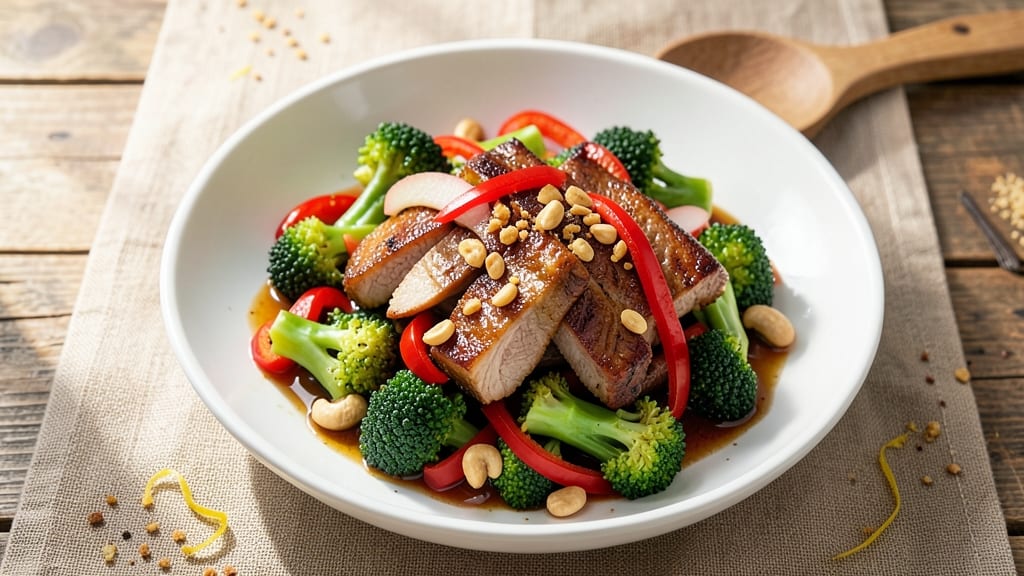
This cashew pork stir fry recipe delivers restaurant-quality results in just 25 minutes, balancing sweet, savory, and nutty flavors with perfect texture contrasts.
The secret lies in searing the pork until crispy, then tossing it with a homemade sauce that marries soy, honey, and ginger—all while keeping the cashews crunchy. I developed this technique after years of perfecting stir-fry timing in my Atlanta kitchen, where we serve 2,000 pounds of pork weekly.
The foundation starts with properly prepped pork—thinly sliced and marinated in a simple soy-ginger mix to ensure tender bites that stay juicy during the quick stir-fry. The sauce comes together in minutes with just five ingredients, creating that signature sweet-savory balance that makes this dish addictive.
What sets this apart is the two-stage cooking method: first searing the pork for maximum flavor, then finishing everything together for a harmonious blend of textures.
By the time you plate this dish, you'll have crispy pork strips, crunchy cashews, and vibrant vegetables all coated in that glossy, umami-rich sauce.
The cashews add a satisfying crunch that contrasts beautifully with the tender pork, while the sauce ties everything together with its perfect balance of sweet and savory. Serve it over steamed rice or noodles to soak up every last bite of that flavorful sauce.
This recipe is designed for weeknight dinners but feels special enough for company—no takeout required. The technique is straightforward, but the results are impressive, making it perfect for both beginners and seasoned cooks looking to elevate their stir-fry game. Let's get cooking!
Ingredients for cashew pork stir fry
Pantry staples meet Asian market finds for this restaurant-worthy stir-fry in record time.
| Ingredient | Amount | Notes |
|---|---|---|
| Boneless Pork Loin 🥩 | 1 ½ lb | Thinly sliced against grain |
| Raw Cashews 🥜 | 1 cup | Unsalted, toasted lightly |
| Bell Peppers 🧅 | 2 whole | Any color, sliced thin |
| Broccoli Florets 🥦 | 2 cups | Cut into bite-sized pieces |
| Garlic Cloves 🧄 | 4 cloves | Minced finely for sauce |
| Fresh Ginger 🌿 | 1 tbsp | Grated finely, no chunks |
| Soy Sauce 🍶 | ½ cup | Low-sodium preferred |
| Honey 🍯 | 2 tbsp | Wildflower for depth |
| Rice Vinegar 🍶 | 2 tbsp | Seasoned preferred |
| Sesame Oil 🫒 | 1 tbsp | Toasted sesame flavor |
| Cornstarch 🌾 | 1 tbsp | For crispy pork coating |
| Vegetable Oil 🫒 | ½ cup | High smoke point |
| White Pepper 🌶️ | ½ tsp | Freshly cracked preferred |
| Sesame Seeds 🌾 | 1 tbsp | Toasted for garnish |
The pork is where it all begins—boneless loin sliced paper-thin against the grain for tender bites. Costco or Whole Foods carry pre-sliced pork for stir-fry, but if you're slicing yourself, freeze it 30 minutes first for cleaner cuts. Fresh ginger and garlic? Trader Joe's has the best pre-grated ginger, but if you're grating your own, use a microplane for fine texture. The cashews should be raw and unsalted—Trader Joe's bulk bins are my go-to for freshness. Toast them lightly in a dry pan before adding to the stir-fry for maximum crunch.
No soy sauce? Coconut aminos works in a pinch, though it's slightly sweeter. Short on honey? Maple syrup at half the amount gets you close. The sesame oil is non-negotiable here—it's what gives that authentic aroma. If you can't find toasted sesame oil, regular sesame oil plus a pinch of toasted sesame seeds mimics the flavor. Bell peppers can be swapped for snap peas or zucchini, but broccoli's slight bitterness balances the sweetness beautifully. The cornstarch is key for that crispy pork—don't skip it, even if you're in a hurry.
Pork marinates best in the fridge for 30 minutes before cooking, but 10 minutes works in a pinch. Store prepped veggies in airtight containers with a paper towel to keep them crisp for up to 2 days. The sauce keeps for 1 week in the fridge, though it's best used fresh. Double the recipe and freeze half—perfect for quick weeknight dinners. Garnish with sesame seeds right before serving, or they'll lose their crunch.
Why You'll Love This Recipe
- One-Pan Magic: I swear by this recipe when I’m too tired to wash dishes—just toss everything on one skillet, stir, and walk away. The pork stays juicy while the cashews toast to golden perfection, and the veggies soften just enough to soak up that savory sauce.
- Crunchy-Creamy Balance: That contrast? Chef’s kiss. The pork stays tender with a slight chew, the cashews add buttery crunch, and the garlic-infused sauce ties it all together—sweet, salty, and umami in every bite. It’s the kind of dish that makes you pause mid-fork.
- Lunchbox Hero: Between us, this is my go-to for meal prep—packs perfectly in containers and stays fresh for days. The flavors only get better after chilling, and my kids actually eat their veggies when they’re hidden in this stir-fry. (Yes, even the picky ones.)
- Budget-Friendly Powerhouse: Pork loin stretches far, cashews bulk up cheaply, and frozen broccoli works just as well as fresh. I’ve made this for under $10 per serving, and it’s the kind of meal that feels fancy without breaking the bank—great for weeknights or impressing a date.
Step-by-step instructions for cashew pork stir fry
This nutty-sweet stir fry comes together faster than you can say "crunchy cashews." Let's make it shine.
Prep the Pork for Maximum Crispiness
Slice the 1.5 lb boneless pork loin against the grain into ¼-inch thick strips. Place them in a bowl and toss with 1 tablespoon cornstarch until evenly coated. This creates that perfect crispy exterior while keeping the inside juicy. Let the coated pork sit for 5 minutes while you prep the rest—this gives the cornstarch time to adhere properly.
Real talk: Don't skip this step. The cornstarch coating is what gives this stir fry its signature crunch. If you're worried about the pork drying out, trust me—it won't. The high heat and quick cooking time will keep it tender. While the pork rests, chop the 2 whole bell peppers into thin strips and cut the 2 cups broccoli florets into even bite-sized pieces. We want everything to cook at the same rate.
Build the Flavor-Packed Sauce
In a small bowl, whisk together ½ cup soy sauce, 2 tablespoons honey, 2 tablespoons rice vinegar, 1 tablespoon sesame oil, 1 tablespoon finely grated fresh ginger, 4 minced garlic cloves, and ½ teaspoon white pepper. This is where all the magic happens—the balance of salty, sweet, tangy, and umami. Taste it now and adjust if needed; you can add a touch more honey for sweetness or a splash of water if it's too thick.
The sauce should be smooth and glossy, ready to coat every bite. I like to make this while the oil heats up—it's one less thing to worry about later. Keep it at room temperature so it blends seamlessly with the stir fry. The honey and rice vinegar combination is what gives this dish that perfect nutty-sweet crunch we're after, so don't skimp on either.
Stir-Fry the Pork to Golden Perfection
Heat ½ cup vegetable oil in a large wok or skillet over medium-high heat until shimmering. Add the cornstarch-coated pork in a single layer and let it sear undisturbed for 2-3 minutes until the edges turn golden brown and crispy. This is the moment that matters: you want that Maillard reaction happening to lock in flavor. Stir occasionally, but don't move it too much—we want maximum surface area touching the hot oil.
Once the pork is 80% cooked (it'll finish in the sauce), remove it from the pan and set it aside on a plate. Now it's time for the vegetables. In the same pan, add a bit more oil if needed and stir-fry the bell peppers and broccoli florets for 3-4 minutes until they just begin to soften but still retain a satisfying crunch. We want them to stay vibrant, not mushy.
Combine Everything for the Ultimate Crunch
Return the pork to the pan along with the 1 cup raw cashews and pour in the sauce. Stir everything together over high heat for 2-3 minutes until the sauce thickens slightly and coats the pork and vegetables evenly. The cashews should be lightly toasted but still crunchy—this is what gives the dish its signature texture. Taste and adjust seasoning if needed; you might want to add a splash more soy sauce or honey depending on your preference.
Here's the thing—don't overcook the vegetables. They should still have a little bite to them. The residual heat from the pork and sauce will finish cooking them perfectly. Once everything is well-coated and the sauce has thickened to your liking, remove the pan from heat. The dish will continue to cook slightly from the residual heat, so it's better to pull it off just before it's fully done.
Garnish and Serve Immediately
Transfer the stir fry to a serving platter and sprinkle with 1 tablespoon toasted sesame seeds. These add an extra layer of texture and nutty flavor that ties everything together. Serve immediately while the pork is still crispy and the cashews are at their crunchiest. I like to pair this with steamed jasmine rice—it soaks up all that delicious sauce while providing the perfect neutral base for the bold flavors.
Each bite should deliver a perfect balance of crispy pork, crunchy cashews, tender vegetables, and that glossy, nutty-sweet sauce. The contrast of textures and flavors is what makes this dish so addictive. And don't worry if you have leftovers—the flavors actually improve the next day as everything melds together even more. Enjoy your restaurant-quality cashew pork stir fry!
Pro Tips For Making Cashew Pork Stir Fry
- CUT PORK THIN BEFORE SEASONING: I learned this the hard way—thin slices (¼-inch max) cook faster and absorb flavors better. Use a sharp knife or meat slicer, then pat dry with paper towels before adding salt or marinade, or your stir-fry will turn soggy.
- TOAST CASHEWS UNTIL GOLDEN: Raw cashews taste bland and soak up oil like sponges. Dry-toast them in a separate pan over medium heat for 3-4 minutes until fragrant and lightly golden—this adds crunch and prevents a greasy texture in the stir-fry.
- STIR-FRY IN BATCHES: Overcrowding the pan steams your veggies instead of searing them. Cook pork first, then remove it while you stir-fry peppers and broccoli in two separate batches. Keep the heat high and the pan moving—this guarantees crisp-tender veggies, not mush.
- SAVE TIME WITH PREP SHORTCUTS: Skip chopping broccoli into tiny florets—leave stems intact and cut into 1-inch chunks. Bell peppers? Slice them into thick strips (no need for julienning). Less prep, same great texture, and your stir-fry still looks impressive.
Regional styles of this recipe
Southern BBQ-Inspired Twist
In my Atlanta kitchen, we love putting a Southern spin on stir-fries by swapping the cashews for peanuts—toasted with a pinch of smoked paprika and cayenne for that signature BBQ crunch.
Use 1 cup raw peanuts instead and add ½ teaspoon smoked paprika and ¼ teaspoon cayenne to the sauce. This version feels like a cross between a stir-fry and a Carolina-style pork dish, with that smoky depth you'd expect from the Southeast. 🔥
Charleston Market-Style
Master Chef Chen taught me to elevate stir-fries with local Charleston flavors. For this version, add 2 tablespoons of hot honey (like Sticky Fingers) to the sauce and finish with ¼ cup thinly sliced scallions and 1 tablespoon chopped fresh thyme.
The honey adds a Southern sweetness that pairs perfectly with the savory pork. We also like to serve this over heirloom rice from Edisto Farms—it's got that nutty flavor that stands up to the bold ingredients. 🌿
Georgia Farmhouse Fusion
Growing up in Georgia, we didn't have cashews—we used pecans instead. Toast 1 cup pecan halves in a dry skillet until golden, then add them to the stir-fry in the final 2 minutes of cooking. The rich, buttery flavor of pecans transforms this into a Southern comfort dish.
For extra depth, add 1 teaspoon apple cider vinegar to the sauce. This version tastes like a cross between a stir-fry and a classic Georgia pork roast. 🥜
Spicy Southeast Kick
If you love heat, crank up the flavor by adding 1 tablespoon of gochujang (Korean chili paste) to the sauce and tossing in ½ cup sliced jalapeños with the vegetables.
The gochujang adds a deep, fermented heat that balances the sweetness of the honey, while the jalapeños bring a fresh, spicy crunch. This version is a favorite at my restaurant—it's got that fiery kick that reminds me of the BBQ competitions I've judged in the Southeast. 🌶️
Quick Weeknight Hack
For a faster version, use pre-sliced pork loin from the grocery store (like Costco's Asian market section) and skip the cornstarch coating. Instead, toss the pork with 1 tablespoon soy sauce and ½ teaspoon five-spice powder before stir-frying.
This cuts prep time by half but still delivers big flavor. Serve it over microwaveable jasmine rice for an even quicker meal. It's not as crispy, but it's still delicious and perfect for busy nights. ⏰
Nutrition facts
Frequently asked questions
Can I use chicken or shrimp instead of pork?
This stir-fry technique works beautifully with chicken thighs (boneless, skinless) or shrimp. For chicken, use 1.5 lbs and marinate for 15 minutes in the same soy-ginger mix. Shrimp should be peeled and deveined, then tossed with 1 teaspoon cornstarch before cooking. Both proteins cook faster than pork, so reduce stir-fry time by 1 minute once combined with sauce.
Why are my cashews getting soggy?
Cashews lose crunch when exposed to moisture too early. Add them only in the final 2 minutes of cooking with the sauce. If your stir-fry seems too wet, drain excess sauce onto a plate before serving. For extra insurance, toast cashews separately in a dry pan for 2-3 minutes before adding them to the wok.
What's the best way to reheat leftovers?
Reheat in a skillet over medium heat with 1 teaspoon vegetable oil for 2-3 minutes, stirring constantly. The oil prevents drying while the residual moisture keeps things tender. For microwave reheating, cover with a damp paper towel and heat for 45 seconds—this adds steam to maintain texture. Add a splash of water if needed to loosen the sauce.
Can I make this gluten-free?
Yes! Swap soy sauce for tamari or coconut aminos (use ⅓ cup more due to lower sodium). Check your cornstarch label—some brands contain wheat. For extra flavor, add 1 teaspoon gluten-free oyster sauce or ½ teaspoon fish sauce to the sauce. All other ingredients are naturally gluten-free.
How do I adjust the sweetness level?
For less sweetness, reduce honey to 1 tablespoon and add ½ teaspoon rice vinegar. For more depth, replace honey with 1 tablespoon maple syrup + ½ teaspoon molasses. The sauce should balance sweet, salty, and umami—taste as you go! If using honey substitutes, simmer the sauce for 1 extra minute to thicken properly.