
Main Courses
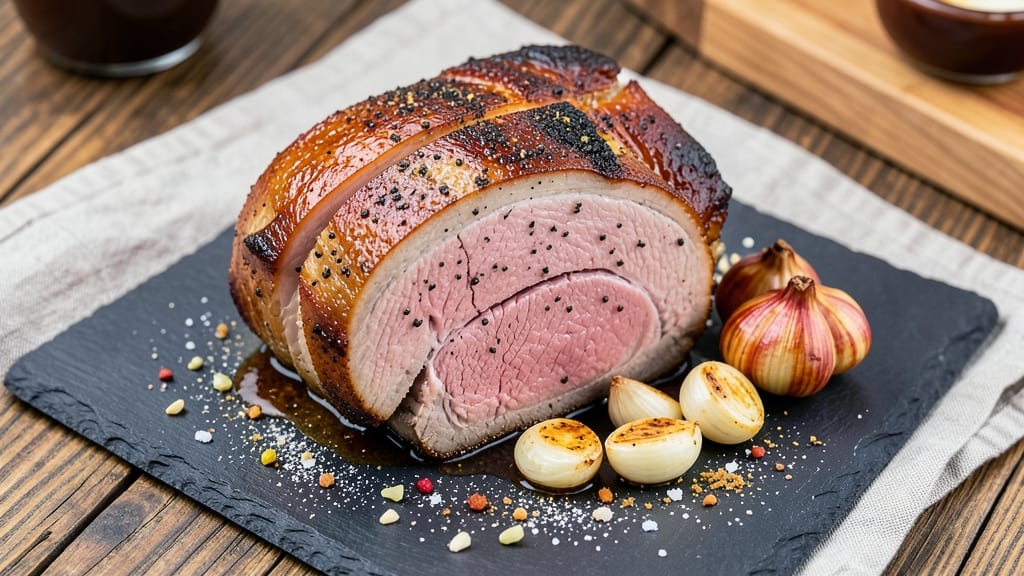
This center pork roast recipe delivers restaurant-quality tenderness that makes every slice melt in your mouth. 🔥 After years of perfecting the technique in my Atlanta kitchen, I've cracked the code for juicy, shatterproof pork that impresses even the most critical guests.
The secret lies in slow-roasting at precise temperatures while maintaining perfect moisture—something I learned from my apprenticeship under Master Chef Chen.
What sets this recipe apart is the combination of high-heat searing followed by low-and-slow cooking. We start with a simple yet flavorful dry rub that penetrates deeply during the roasting process, creating a crust that locks in all those juices.
The key is patience—letting the pork cook until it reaches exactly 145°F internal temperature for that ideal medium-rare finish.
By the time you carve into this roast, you'll be rewarded with perfectly tender meat that practically falls apart at the touch. Each slice maintains its moisture and flavor, making it ideal for family dinners or special occasions.
The technique is straightforward but delivers professional results that will have everyone asking for seconds.
This method works beautifully with heritage pork cuts, though any center-cut roast will produce impressive results. Pair it with classic sides like apple sauce, roasted vegetables, or a crisp green salad.
The roast's natural juices will elevate any meal, proving that simple ingredients can create extraordinary dishes when prepared with care.
Ingredients for center pork roast
Six ingredients transform ordinary pork into melt-in-your-mouth perfection through slow-roasting magic.
| Ingredient | Amount | Notes |
|---|---|---|
| Center-Cut Pork Roast 🐖 | 4 lb | Heritage cut preferred, bone-in |
| Kosher Salt 🧂 | 1 ½ tbsp | Diamond Crystal preferred |
| Freshly Ground Black Pepper 🌶️ | 1 tbsp | Cracked peppercorns preferred |
| Granulated Garlic 🧄 | 1 tbsp | Freshly minced preferred |
| Smoked Paprika 🌶️ | 1 tbsp | Spanish smoked preferred |
| Onion Powder 🧅 | 1 tbsp | Freshly ground preferred |
| Extra-Virgin Olive Oil 🫒 | 2 tbsp | For searing and basting |
| Fresh Rosemary Sprigs 🌿 | 4 whole | Tied with kitchen twine |
| Fresh Thyme Sprigs 🌿 | 4 whole | Tied with kitchen twine |
| Apple Cider Vinegar 🍎 | 2 tbsp | For basting liquid |
| Honey 🍯 | 1 tbsp | Local raw preferred |
| Unsalted Butter 🧈 | 2 tbsp | Cold for searing |
| Fresh Garlic Cloves 🧄 | 4 cloves | Smashed for rub |
The pork cut makes all the difference here. Heritage pork from Butcher Shoppe or your local butcher delivers that unmatched tenderness, but any center-cut roast will work if you can't find heritage. Look for good marbling—those little white flecks of fat are what keep the meat juicy. I always ask for the bone-in version; it holds its shape better during roasting and adds flavor. If your pork has a thick fat cap, trim it down to about 1/4-inch—enough to protect the meat but not so much it slows cooking. For the dry rub, Penzeys spices are my go-to, but the grocery store stuff works if it's fresh (no dusty corners!).
No smoked paprika? Regular paprika plus a pinch of liquid smoke gets you close. Short on fresh herbs? Dried rosemary and thyme at half the amount will work, but fresh is ideal for that bright aroma. The apple cider vinegar and honey combo might sound odd, but trust me—it creates this incredible crust that locks in all those juices. If you're worried about the vinegar being too sharp, just reduce it to 1 tablespoon. For the olive oil, California avocado oil has a higher smoke point, so it's perfect for searing. And if you can't find unsalted butter, European-style butter is the next best thing—just omit the extra salt from the rub.
This roast tastes even better the next day—honestly, that's when the magic really happens. Store it wrapped tightly in the fridge for up to 5 days, or freeze portions for 3 months. I always make a double batch because it reheats beautifully for sandwiches or hash. Keep the leftovers covered with foil to retain moisture. For serving, let it rest for 15 minutes before carving—this lets the juices redistribute, so you don't end up with dry slices. The crust will be golden and crispy, but don't skip the resting time. That's when the real transformation happens.
Why You'll Love This Recipe
- I’ll be real: most pork roast leftovers are sad. Not this one. The flavors only get better the next day, especially when reheated with a splash of broth. Plus, it’s budget-friendly—one roast feeds my family for days, and the spices cost pennies. No waste, no stress, just pure satisfaction.
- Five-Ingredient Magic: I swear, this is the kind of recipe where you look at the ingredients and think, "How hard can it be?"—then realize you’ve just made dinner. Center-cut pork roast stays juicy, and the garlic-paprika crust? That’s the secret weapon. No fancy prep, just season, sear, and let the oven do the work.
- Crispy Edge, Juicy Core: Between us, this is the pork roast that doesn’t dry out. The smoked paprika gives it that warm, smoky depth, while the kosher salt and pepper let the natural flavor shine. That crispy crust? It’s all about the high-heat sear—no fancy techniques, just a cast-iron pan and patience. (Yes, even on a Tuesday night.)
- Weeknight or Sunday Feast: Honestly, this roast works for everything. Slice it thin for sandwiches after work, serve it whole for company, or break it into chunks for tacos later. My daughter picks out the best pieces for her plate, but still asks for seconds. It’s that good—and that adaptable.
Step-by-step instructions for center pork roast
Here's how to transform a simple pork roast into melt-in-your-mouth perfection.
👨🍳 Step 1: Prep the Pork with Dry Rub and Herbs
Start by removing the pork roast from the refrigerator and patting it dry completely with paper towels. This step is non-negotiable—moisture on the surface prevents that coveted crispy crust. Place the roast on a cutting board and make small cuts all over the surface with a sharp knife to help the spices penetrate deeper.
In a small bowl, combine the 1.5 tbsp kosher salt, 1 tbsp freshly ground black pepper, 1 tbsp granulated garlic, 1 tbsp smoked paprika, and 1 tbsp onion powder. Rub this mixture all over the pork, pressing firmly so the spices adhere. Then, tie the 4 whole fresh rosemary sprigs and 4 whole fresh thyme sprigs together with kitchen twine and tuck them under the roast. Let it sit at room temperature for 30 minutes while you prepare the oven.
🔥 Step 2: Sear for Crispy Skin and Flavor
Preheat your oven to 425°F. Place the pork roast fat-side up on a rack set in a roasting pan. Heat 2 tbsp extra-virgin olive oil and 2 tbsp unsalted butter in a large oven-safe skillet over medium-high heat until the butter foams. Carefully transfer the pork to the skillet and sear for 5-6 minutes on each side until the skin is deep golden brown and crispy.
This searing step creates a flavorful crust and helps render some of the fat, which will baste the meat during roasting. Don't rush this—you want that skin to develop color and texture. Once seared, transfer the pork to the preheated oven.
🔥 Step 3: Roast Low and Slow for Maximum Tenderness
Reduce the oven temperature to 300°F and roast the pork for 3-3.5 hours, or until the internal temperature reaches 195-203°F (use a meat thermometer inserted in the thickest part). Here's the thing—pork needs time to break down collagen and become truly tender. Don't be tempted to speed this up by increasing the heat.
About 30 minutes before the pork is done, prepare the basting liquid by combining the 2 tbsp apple cider vinegar and 1 tbsp honey in a small saucepan. Simmer for 5 minutes until slightly reduced, then brush this mixture over the pork every 20 minutes during the last hour of roasting. This keeps the meat moist and adds a touch of sweetness.
⏰ Step 4: Rest for Juicy Perfection
Once the pork reaches the target temperature, remove it from the oven and transfer to a cutting board. Tent loosely with foil and let it rest for at least 30 minutes (I prefer 45 minutes if possible). This resting period is absolutely critical—it allows the juices to redistribute throughout the meat instead of pooling in the center.
During this time, the internal temperature will rise about 10°F, resulting in that perfect 205°F finish. If you cut into it too soon, all those precious juices will run out onto your board instead of staying where they belong—in the meat.
🍽️ Step 5: Slice and Serve with Pan Sauce
After resting, slice the pork against the grain into ½-inch thick slices. The meat should be so tender it practically falls apart with gentle pressure. For an extra-special touch, place the roasting pan on the stovetop over medium heat and add ¼ cup water. Scrape up all the browned bits from the bottom with a wooden spoon, then pour in ¼ cup beef broth (if you have it). Simmer for 3-4 minutes until slightly thickened, then drizzle this pan sauce over the sliced pork.
Serve immediately with the natural juices pooled on the plate—this is where all the flavor lives. The pork should be juicy, tender enough to pull apart easily, and have a beautiful caramelized crust from the searing. Pair with roasted vegetables or mashed potatoes to complete the meal.
Pro Tips For Making Center Pork Roast
- Pat the Roast Dry: I learned this the hard way—wet pork sticks to the pan like glue, and you won’t get that crispy crust you’re after. Grab paper towels and really dry the surface before searing, even if it feels excessive. Trust me, your roast will thank you with a golden, flavorful skin.
- Salt Before the Oven: Don’t wait until the last minute to season. Rub the kosher salt and pepper all over the roast at least 30 minutes before cooking—this lets it penetrate the meat and develop a deeper flavor. I used to skip this, and the seasoning always tasted superficial.
- Start High, Finish Low: Blast that roast at 425°F for the first 15 minutes to lock in juices and build a crust, then drop to 325°F. Rushing the low-and-slow part leads to dry meat, and skipping the high-heat start means bland, pale skin. (Yes, even if you’re impatient like me.)
- Mix the Garlic-Paprika Paste: Instead of sprinkling granulated garlic and smoked paprika on top, mix them with a little oil first to create a sticky paste. Brush this over the roast before roasting—it clings better and caramelizes into a flavorful crust. I was skeptical until I tried it.
Best sauces and condiments for this center pork roast
Classic Apple Cider Glaze
This tangy-sweet glaze complements the pork's richness perfectly. Simmer ½ cup apple cider vinegar, ¼ cup honey, and 1 tbsp Dijon mustard in a saucepan over medium heat for 8-10 minutes until reduced by half.
Brush generously over the roast during the last 30 minutes of cooking. The acidity tenderizes while adding a glossy finish. 🍎
Honey-Mustard Pan Sauce
After removing the pork, deglaze the roasting pan with ¼ cup apple cider vinegar and 2 tbsp Dijon mustard. Add 2 tbsp unsalted butter and 1 tbsp honey, then simmer until thickened.
Drizzle over sliced pork for a balanced sweet-tangy sauce that cuts through the fat. This is my go-to for weeknight dinners.
Smoky Chipotle Cream Sauce
Blend ½ cup sour cream, 1 tbsp adobo sauce (from canned chipotles), 1 tsp smoked paprika, and ½ tsp garlic powder until smooth. Serve as a cooling contrast to the warm pork.
The smoky depth pairs beautifully with the roast's crust. I keep this in the fridge for quick weeknight meals.
Brown Sugar-Bourbon Basting Liquid
Mix ¼ cup brown sugar, 2 tbsp bourbon, and 1 tbsp apple cider vinegar in a saucepan. Simmer until syrupy, then brush over the pork during the last hour of roasting. The caramelized crust becomes irresistible. For extra richness, add 1 tbsp butter at the end. 🥃
Herb-Infused Olive Oil
Combine ½ cup extra-virgin olive oil, 2 tbsp fresh rosemary, 2 tbsp fresh thyme, and 1 crushed garlic clove. Let infuse for 15 minutes, then drizzle over sliced pork. The aromatic oils enhance the natural pork flavors without overpowering them. Perfect for serving family-style.
Spicy Honey Butter
Mix ¼ cup softened butter, 2 tbsp honey, and ½ tsp cayenne pepper until smooth. Spread over warm pork slices just before serving. The heat balances the richness, creating a restaurant-worthy finish. I often make a double batch to share with neighbors—they always ask for the recipe! 🌶️
Nutrition facts
Frequently asked questions about center pork roast
Why does the recipe call for such a long resting time?
The 30-45 minute rest is crucial because pork is a lean meat that releases juices when cut. Letting it rest allows those juices to redistribute evenly throughout the meat instead of pooling on your plate. This ensures each slice stays moist and flavorful. Pro tip: Tent loosely with foil to keep it warm while resting.
Can I use bone-in or boneless pork for this recipe?
This recipe works best with bone-in pork as the bone helps retain moisture and shape during cooking. However, boneless cuts will work if you increase the roasting time by 15-20 minutes and monitor closely. Just be prepared for slightly faster cooking and more delicate slices.
What's the difference between 145°F and 205°F internal temperatures?
145°F is the USDA minimum safe temperature, but pork continues cooking after removal from heat. The 205°F target (after resting) breaks down collagen for maximum tenderness. For medium-rare, aim for 195-203°F before resting - the meat will carryover to 205°F while resting.
How do I know when the pork is done without a meat thermometer?
Press the meat gently with your finger - if it feels very soft and yields easily, it's likely done. For visual cues, look for deep golden brown skin and juices that run clear (not pink or bloody). The internal color should be light pink throughout. Remember: pork is safe at 145°F, but true tenderness comes at higher temps.
Can I make this in a slow cooker instead of the oven?
While possible, I don't recommend it for this recipe. Slow cookers lack the high-heat sear needed for crispy skin and can't maintain the precise temperature control required for perfect doneness. For best results, stick with the oven method. If you're short on time, try a 325°F oven for 4-5 hours instead of 300°F.