
Main Courses
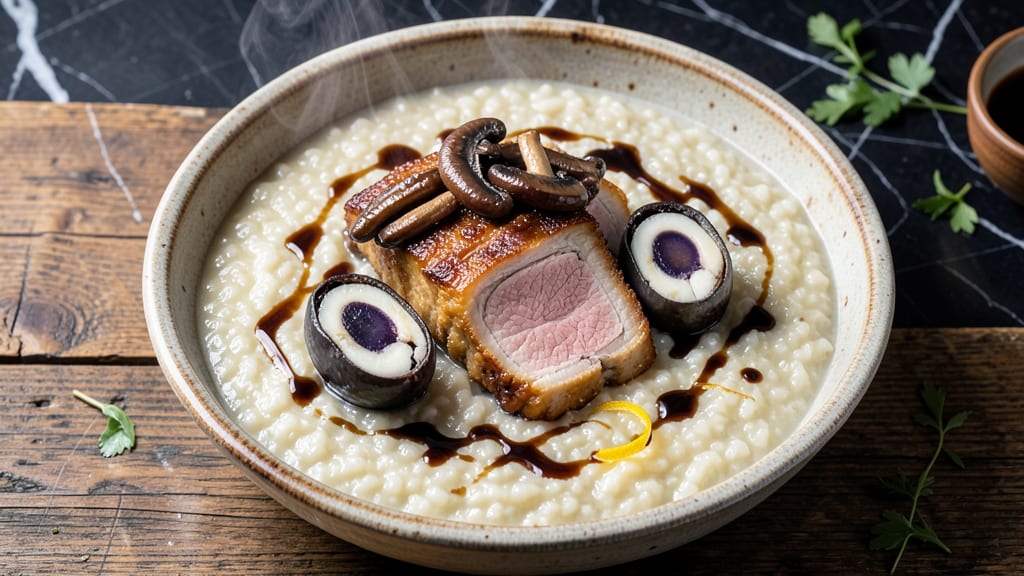
Century egg pork porridge delivers the ultimate comfort food experience—rich, savory, and deeply satisfying in every spoonful. 🔥 As someone who's spent years perfecting pork dishes, I can tell you this recipe captures the soul of Chinese home cooking with its bold umami flavors and silky texture. The secret lies in balancing the unique taste of century eggs with tender pork and fragrant rice porridge.
What makes this dish special is the harmony of textures and flavors: the creamy porridge base, the tender pork that practically melts in your mouth, and the distinctive taste of century eggs that adds depth without overpowering.
I've simplified the process while keeping the authentic essence—no shortcuts that compromise the final result. This is comfort food at its finest, perfect for chilly evenings or when you crave something hearty yet delicate.
The preparation might sound complex at first glance, but I'll guide you through each step to ensure success. We'll start with properly pickling the century eggs, then cook the pork to tender perfection before combining everything with the porridge.
The final assembly is where the magic happens, with traditional garnishes like chives and cilantro adding freshness to balance the rich flavors.
This recipe serves as a reminder of how simple ingredients can create something extraordinary when combined with care and technique. The result is a dish that's both nourishing and deeply satisfying—a true comfort food experience that will have you reaching for the leftovers.
Let's get started on creating this flavorful masterpiece.
Ingredients for century egg pork porridge
Rich, savory ingredients that create a deeply satisfying porridge experience.
| Ingredient | Amount | Notes |
|---|---|---|
| Century Eggs 🥚 | 4 whole | Freshly prepared or high-quality store-bought |
| Pork Belly 🥓 | 1 lb | Cut into 1-inch cubes, skin removed |
| Jasmine Rice 🍚 | 1 cup | Uncooked, long-grain preferred |
| Dried Shiitake Mushrooms 🍄 | 4 whole | Rehydrated in hot water |
| Light Soy Sauce 🥄 | ¼ cup | For umami depth |
| Dark Soy Sauce 🥄 | 1 tbsp | For rich color |
| Shaoxing Wine 🍷 | 2 tbsp | Or dry sherry in a pinch |
| Sesame Oil 🫒 | 1 tbsp | Toasted for aroma |
| Fresh Ginger 🧅 | 1 inch | Thinly sliced, peeled |
| Green Onions 🧅 | 3 whole | Sliced, for garnish |
| Cilantro 🌿 | ¼ cup | Chopped, for garnish |
| Chicken Broth 💧 | 4 cups | Homemade or quality store-bought |
| Salt 🧂 | 1 tsp | Adjust to taste |
| White Pepper 🌶️ | ½ tsp | Freshly ground preferred |
Century eggs are the heart of this dish—look for plump, firm ones with minimal cracks at Asian markets or specialty stores like H Mart. If you can't find them fresh, Hunan or Pearl River brands are reliable. The pork belly should have good marbling for tenderness—Costco or Whole Foods carry excellent cuts. For shiitake mushrooms, dried is best—soak them in hot water until soft, then slice. The rice should be jasmine, not basmati, for that fragrant aroma that pairs perfectly with the umami flavors. I always double-check my soy sauces too—Lee Kum Kee is my go-to for both light and dark varieties.
No century eggs? Substitute with preserved duck eggs (marinated in soy and spices) for a similar texture. Running out of pork belly? Pork shoulder works too, but increase cooking time by 15 minutes. Shaoxing wine unavailable? Dry sherry or even a splash of mirin will do in a pinch. The ginger and green onions are non-negotiable for freshness—no dried substitutes here. For the broth, homemade is ideal, but Swanson or Pacific brand work in a hurry. The sesame oil should be toasted—look for the dark, aromatic kind at Trader Joe's or Asian grocery stores. And if you're out of cilantro, fresh Thai basil adds a nice twist.
Century eggs keep for 2 weeks in the fridge once opened, covered in their liquid. Pork belly freezes beautifully—portion and vacuum-seal for up to 6 months. The dried shiitake mushrooms last years in a cool, dark place. For maximum flavor, make the porridge fresh, but it reheats wonderfully—just add a splash of water or broth to loosen. I always make a double batch because the leftovers are just as good, if not better, the next day. Store in airtight containers for 4 days in the fridge.
Why You'll Love This Recipe
- One-Pot Magic: I swear by this—just rice, pork belly, and a handful of mushrooms simmering together. No extra pots, no fuss, and that rich pork fat infuses every grain while you prep the toppings.
- Umami Bomb: Century eggs and shiitake mushrooms? That’s a flavor combo that hits different. The salty, creamy eggs cut through the pork’s richness, while the mushrooms add earthy depth—each bite’s a little taste explosion.
- Weeknight Workhorse: This is my lazy night secret weapon. Double the rice, store it in the fridge, and reheat with a splash of water—suddenly, you’ve got dinner for three nights. (Yes, even on a Tuesday night.)
- Budget Luxury: Pork belly might sound fancy, but it stretches across multiple bowls, and century eggs last ages in the fridge. You’re feeding a crowd for pennies, and honestly? Nobody will guess it’s not a restaurant dish.
Step-by-step instructions for century egg pork porridge
This one-pot wonder delivers rich, comforting flavors with minimal effort—just follow these simple steps.
🍳 Step 1: Sear the Pork Belly for Maximum Flavor
Heat a large pot or deep skillet over medium-high heat until hot. Add the 1 lb pork belly cut into 1-inch cubes and sear undisturbed for 3-4 minutes until golden brown on all sides. I press down gently on the cubes during the first minute—this prevents them from curling and ensures even contact with the pan.
Once browned, remove the pork and set aside. You should have about 1 tablespoon of rendered fat remaining in the pot—this is pure flavor gold. If you need more, add 1 teaspoon of neutral oil, but the pork fat alone should be sufficient. Don't drain the fat; it'll form the base of your porridge.
🍳 Step 2: Rehydrate Shiitake Mushrooms and Sauté Aromatics
While the pork cooks, place the 4 whole dried shiitake mushrooms in a heatproof bowl and cover with hot water. Let them soak for 20 minutes until softened. Drain, reserving the soaking liquid, and slice the mushrooms.
In the same pot with pork fat, add the sliced mushrooms and cook for 3 minutes until fragrant. Add the 1-inch fresh ginger (thinly sliced) and cook for another 1 minute until the ginger turns translucent and aromatic. This step builds the porridge's umami foundation—don't skip it!
🥘 Step 3: Build the Porridge Base with Rice and Broth
Add the 1 cup jasmine rice to the pot and stir to coat it in the pork fat and mushroom juices. Pour in the 4 cups chicken broth and bring to a boil over high heat. Once boiling, reduce heat to low and simmer uncovered for 20 minutes, stirring occasionally to prevent sticking.
After 20 minutes, add the reserved mushroom soaking liquid (about ½ cup) to maintain moisture. The rice should be tender but still slightly firm—it'll finish cooking with the century eggs. If the porridge looks too thick, add ¼ cup water to reach your desired consistency.
🔪 Step 4: Prepare and Add the Century Eggs
Peel the 4 whole century eggs, removing the outer membrane and black jelly carefully. Cut each egg into 4 wedges (you'll have 16 pieces total). The key here is to keep the jelly intact—it's the heart of the flavor. Set aside until ready to add.
Return the pork belly to the pot and add the 0.25 cup light soy sauce, 1 tbsp dark soy sauce, 2 tbsp shaoxing wine, 1 tsp salt, and 0.5 tsp white pepper. Stir gently to combine, then add the century egg wedges. Simmer for another 10 minutes on low heat until the rice is fully tender and the pork is fork-tender.
🍽️ Step 5: Finish with Sesame Oil and Garnish
Remove the pot from heat and stir in the 1 tbsp sesame oil. The aroma will fill your kitchen—this is your signal that the porridge is ready. Taste and adjust seasoning if needed; the century eggs and pork belly should be rich enough that you might not need more salt.
Ladle the porridge into bowls and garnish with chopped green onions and cilantro. The contrast of fresh herbs against the deep umami flavors is what makes this dish sing. Serve immediately while hot, with extra century egg slices on the side if you're feeling extra indulgent.
Pro Tips For Making Century Egg Pork Porridge
- Boil Pork Low and Slow: Century egg porridge isn’t the time for rushed pork belly—simmer it at the gentlest bubble (just enough to keep it moving) for 2-3 hours. I learned this the hard way when my pork turned out chewy instead of melt-in-your-mouth tender. Use a heavy pot and add water just to cover the pork, then top with a lid to lock in moisture.
- Peel Century Eggs Fresh: Skip the store-bought peeled century eggs—they lose texture and flavor fast. Crack them open just before adding to the porridge, then swirl the yolk and white together with chopsticks to break up the jelly-like center. This keeps the dish silky rather than grainy.
- Soak Mushrooms in Hot Water: Cold soaking dried shiitakes makes them tough; instead, pour boiling water over them for 20 minutes. After rehydrating, squeeze out excess water—no one wants a watery porridge. This also concentrates their umami punch, which balances the pork’s richness.
- Stir Rice Constantly for 10 Minutes: The first 10 minutes after adding rice are non-negotiable—keep stirring over medium-low heat to prevent sticking. I used to walk away, and the porridge would seize up like glue. Once the rice softens, reduce heat and let it finish on its own steam.
Wine and beer pairings for this dish
Umami-Rich Reds
This dish's deep, savory profile pairs beautifully with Chinese red wines like Gewürztraminer or Cabernet Franc. I reach for Meiomi Pinot Noir from California—its bright acidity and red fruit notes complement the century egg's funk without overpowering.
The wine's earthy undertones mirror the shiitake mushrooms' umami, creating a harmonious balance. Serve slightly chilled (55°F) to enhance the wine's freshness against the porridge's richness. 🍷
Light Beers for Balance
For beer lovers, Chinese lager like Tsingtao or Yanjing works wonders—its crisp, clean profile cuts through the dish's richness without competing. If you prefer craft options, look for wheat beers with citrus notes like Blue Moon or Allagash White, which refresh the palate between bites.
The effervescence helps cleanse after each spoonful of creamy porridge. 🍺
Sweet Liquor Contrast
My go-to for a surprising but perfect pairing is Shaoxing wine—the same ingredient used in the recipe! Sip a small glass (2 oz) alongside your meal to experience the wine's nutty, caramel notes complementing the century egg's complexity.
For a sweeter option, Moscato d'Asti adds a delicate floral aroma that contrasts beautifully with the dish's savory depth.
Herbal Tea Harmony
If you prefer non-alcoholic options, jasmine tea is my top choice—its floral notes echo the jasmine rice while its subtle sweetness balances the pork's richness. For something bolder, Pu-erh tea (fermented and earthy) mirrors the century egg's funky profile.
Brew a fresh pot and let it steep for 3-4 minutes to achieve the perfect balance of aroma and flavor.
Unexpected Pairing
Here's a secret I picked up during my time in Charleston: Southern sweet tea with a splash of bourbon (just ½ oz) creates an unexpected but delightful pairing. The tea's sweetness contrasts the dish's savory depth, while the bourbon adds a smoky warmth that enhances the pork's flavor.
It's a fusion that surprises even my most discerning guests. 💫
Nutrition facts
Frequently asked questions
What makes century eggs special in this pork porridge?
The century egg's unique texture and complex flavor—creamy yet slightly firm with its signature black jelly—adds depth that transforms ordinary porridge into something extraordinary. The jelly releases umami flavors when cooked, creating that signature savory richness that pairs perfectly with tender pork. Don't skip the jelly when peeling!
Can I make this porridge without century eggs?
Yes, but the flavor will be different. Try preserved duck eggs (marinated in soy and spices) for a similar texture, or add extra shiitake mushrooms and dark soy sauce to boost umami. For a vegetarian version, substitute with marinated tofu or extra mushrooms—but the dish loses its signature character without century eggs.
How do I know when the pork belly is tender enough?
Use the fork test: The pork should be fork-tender but not falling apart. For 1-inch cubes, cook until they reach an internal temperature of 195°F (they'll continue cooking in the porridge). If the pork feels slightly firm, add 5-10 more minutes of simmering—this ensures that magical melt-in-your-mouth texture.
What's the best way to store leftovers?
Store in airtight containers for up to 4 days in the fridge. Reheat gently on the stove with a splash of water or broth to restore creaminess. The flavors actually improve overnight as the ingredients meld together! For longer storage, freeze portions for up to 3 months—just thaw in the fridge before reheating.
Why does my porridge turn out too thick?
This usually happens when the rice absorbs too much liquid. Add ¼ cup water at a time while simmering, stirring gently until you reach a creamy consistency. For next time, start with 4.5 cups broth instead of 4 to give yourself a buffer. The porridge should coat the back of a spoon but still be spoonable.