
Main Courses
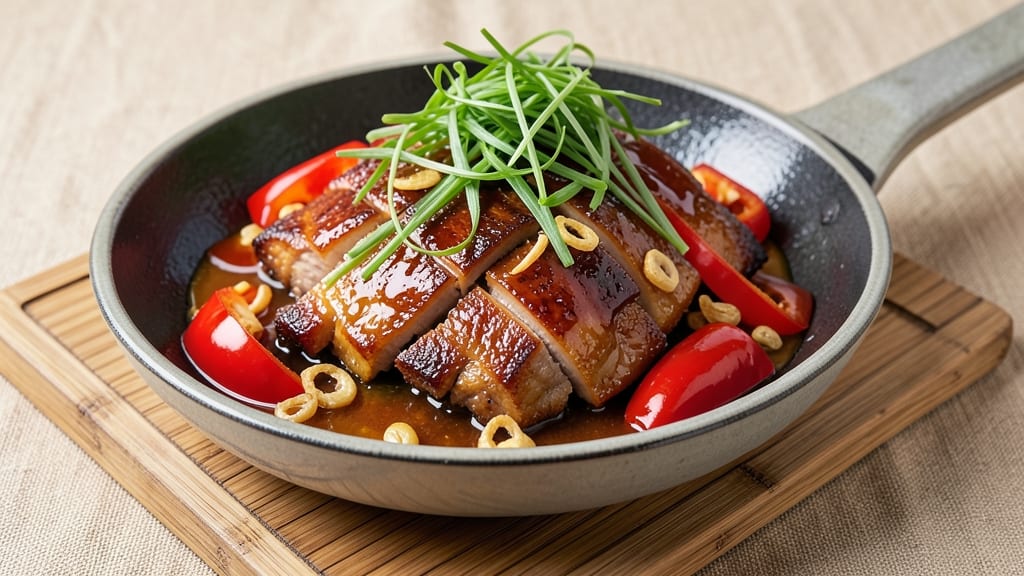
This char siu pork stir fry recipe transforms tender, five-spice glazed pork into a restaurant-worthy dish in just 20 minutes. 🔥 I developed this method after years of perfecting Cantonese techniques for home cooks—no pressure cooker or wok mastery required.
The secret lies in the marinade: a balance of sweet, smoky, and aromatic spices that create that signature char siu flavor.
What sets this recipe apart is the two-step process: first, the pork marinates overnight in a blend of honey, hoisin, and five-spice powder, then gets seared to crispy perfection before the quick stir-fry. This approach delivers that authentic char siu texture without hours of babysitting the oven.
The result is tender, sticky, and irresistibly crispy pork that holds up beautifully in stir-fries. By the time you're done, you'll have a dish that's vibrant, aromatic, and packed with those deep char siu flavors we all love.
The pork stays juicy while developing a caramelized crust, and the stir-fry technique ensures everything cooks in minutes. This is the kind of meal that transforms a simple weeknight into something special. Serve over steamed jasmine rice with quick-pickled vegetables for a complete meal that feels both comforting and impressive.
Let's get cooking!
Ingredients for char siu pork stir fry
The secret to authentic char siu flavor lies in these 15 ingredients—sweet, smoky, and aromatic.
| Ingredient | Amount | Notes |
|---|---|---|
| Boneless Pork Shoulder 🥩 | 1 ½ lb | Cut into 1-inch cubes |
| Hoisin Sauce 🍶 | ½ cup | Store-bought or homemade |
| Honey 🍯 | ¼ cup | Wildflower preferred |
| Five-Spice Powder 🌶️ | 2 tbsp | Toasted for deeper flavor |
| Soy Sauce 🍶 | ¼ cup | Light or all-purpose |
| Garlic Cloves 🧄 | 6 cloves | Minced for marinade |
| Ginger Root 🌿 | 1 tbsp | Freshly grated |
| Sesame Oil 🫒 | 1 tbsp | Toasted sesame oil |
| Brown Sugar 🍚 | 2 tbsp | Packed firmly |
| Neutral Oil 🫒 | 2 tbsp | Vegetable or canola |
| Red Bell Pepper 🌶️ | 1 whole | Sliced into strips |
| Green Onions 🧅 | 4 whole | Cut into 2-inch pieces |
| Jasmine Rice 🌾 | 1 ½ cups | Uncooked, long-grain |
| Salt 🧂 | 1 tsp | Diamond Crystal preferred |
| Black Pepper 🌶️ | ½ tsp | Freshly cracked |
The pork shoulder is non-negotiable here—it stays juicy while developing that signature caramelized crust. Look for well-marbled cuts at your butcher or the meat department. If you're short on time, Costco's pre-cut pork shoulder works perfectly. The hoisin sauce? Lee Kum Kee is the gold standard, but any quality brand will do. For the five-spice powder, Penzeys or bulk bins at Asian markets offer the best flavor. Toast it lightly in a dry pan before using—trust me, it makes all the difference. The garlic and ginger should smell vibrant, not musty, and the sesame oil needs to be toasted, not the cheap, flavorless kind from the back of the store.
No hoisin? Mix 2 tbsp soy sauce, 1 tbsp honey, and 1 tsp sugar as a quick substitute. Running low on five-spice? Combine 1 tsp cinnamon, 1 tsp fennel seeds, 1/2 tsp cloves, 1/2 tsp star anise, and 1/4 tsp nutmeg—it's not identical, but it'll get you close. The red bell pepper can be swapped for green bell pepper or baby bok choy if you're feeling adventurous. For the rice, jasmine is ideal, but basmati or even short-grain white rice works in a pinch. The key is making sure it's steamed perfectly—no mushy rice here. And if you're out of toasted sesame oil? Regular sesame oil plus a pinch of smoked paprika adds depth.
Marinate the pork overnight for maximum flavor, but if you're in a rush, at least 4 hours will do. The rice keeps best in an airtight container for 2-3 days, while the cooked pork reheats beautifully—just add a splash of water and cover to steam. For leftovers, freeze portions in a single layer before transferring to a bag for up to 3 months. Pro tip: save the marinade scraps—they make killer pork broth. And if you've got extra five-spice powder, it's amazing on roasted nuts or sprinkled over stir-fried greens.
Why You'll Love This Recipe
- One-Pan Magic: I swear by this for nights when I’m too wiped to wash a million dishes—just sear the pork, toss in the stir-fry veggies (or skip them, no judgment), and let that hoisin-honey glaze do the work. The five-spice powder gives it this warm, aromatic depth without needing a spice rack.
- Sweet-Savory Obsession: That balance of sticky-sweet hoisin and tangy soy sauce? It’s ridiculously good—like a cross between a BBQ pork shoulder and a candy-coated dream. The honey caramelizes just enough to make every bite irresistible, even when reheated.
- Leftover Hero: I make this on Sundays because it’s the ultimate meal prep win: the pork stays juicy for days, and the glaze thickens into a glossy sauce that’s perfect for rice bowls, sandwiches, or even a quick fried rice. (Pro tip: freeze half—it’s my go-to for lazy Fridays.)
- Budget-Friendly Feast: Pork shoulder is cheap, and a little goes a long way when you’re rendering fat into flavor. Plus, the sauce costs pennies but tastes like a restaurant takeout order. Honestly, I’ve fed four people for under $10 with this—no complaints from anyone.
Step-by-step instructions for char siu pork stir fry
Here's how to transform tender pork into restaurant-quality char siu with a glossy, five-spice glaze.
🔥 Step 1: Marinate the Pork for Maximum Flavor
In a large bowl, combine the 1.5 lb boneless pork shoulder cut into 1-inch cubes with the 0.5 cup hoisin sauce, 0.25 cup honey, 2 tbsp five-spice powder, 0.25 cup soy sauce, 2 tbsp brown sugar, 6 cloves minced garlic, and 1 tbsp freshly grated ginger. Mix thoroughly until every piece is evenly coated.
Transfer the mixture to a resealable plastic bag and massage it gently to ensure the marinade penetrates deeply. Seal the bag and refrigerate for at least 4 hours—overnight is ideal. This long marinating time develops complex flavors and ensures tender, juicy pork. I like to turn the bag occasionally to distribute the marinade evenly.
🍳 Step 2: Cook the Jasmine Rice to Perfection
Rinse the 1.5 cups jasmine rice under cold water until the water runs clear, then drain well. In a medium saucepan, combine the rice with 2 cups water, 1 tsp salt, and 0.5 tsp black pepper. Bring to a boil, then reduce heat to low, cover, and simmer for 15 minutes. Remove from heat and let it steam, covered, for another 10 minutes. Fluff with a fork before serving.
This method ensures perfectly fluffy rice that won't turn mushy. The salt and pepper in the cooking water infuse subtle flavor throughout each grain. Keep the rice warm while you finish the stir-fry—it'll pair beautifully with the char siu.
🔥 Step 3: Sear the Pork for Crispy Edges
Heat 2 tbsp neutral oil in a large wok or skillet over high heat until shimmering. Remove the pork from the marinade (reserve the marinade) and shake off any excess. Working in batches to avoid overcrowding, sear the pork for 2-3 minutes per side until deep golden brown and slightly charred. Transfer to a plate and set aside.
Don't rush this step—the Maillard reaction creates that signature char siu flavor. If the pork releases easily from the pan, it's ready. The high heat also helps render some fat, which will create a delicious sauce when combined with the reserved marinade.
🍳 Step 4: Glaze and Stir-Fry to Silky Perfection
Return the wok to high heat and add the reserved marinade. Bring to a boil, then reduce to medium-high and simmer for 3-4 minutes until slightly thickened. Add the seared pork back to the wok along with 1 tbsp toasted sesame oil and toss everything together for 1-2 minutes until the pork is evenly coated in the glossy glaze.
Add the 1 whole red bell pepper sliced into strips and 4 whole green onions cut into 2-inch pieces. Stir-fry for another 1-2 minutes until the vegetables are crisp-tender but still vibrant. The acidity from the soy sauce and sweetness from the honey will balance beautifully with the smoky pork.
🍽️ Step 5: Serve Immediately for Maximum Impact
Transfer the char siu pork stir-fry to a serving platter and garnish with extra green onions if desired. Serve the sizzling pork over the fluffy jasmine rice for an authentic Cantonese dining experience. The contrast of tender pork, crisp vegetables, and fragrant rice creates a harmonious bite every time.
This dish tastes best immediately after cooking, so don't wait to serve. The residual heat from the wok keeps everything warm while you plate. For extra drama, arrange the pork slices fanned out on the rice—it looks as good as it tastes!
Pro Tips For Making Char Siu Pork Stir Fry
- Marinate Overnight (Not 30 Minutes): I learned this the hard way—rushing the marinade means the five-spice powder and hoisin just coat the surface instead of soaking in. At least 8 hours (or overnight) lets the flavors penetrate that dense pork shoulder, especially if you’re using thick cuts. Pro tip: Toss the meat in the fridge after the first 2 hours to keep it from sitting in its own juices.
- Slice Against the Grain (But Not Too Thin): Char siu pork should be tender enough to eat with chopsticks, but if you slice too thin, it turns into chewy rubber. Cut at a 45-degree angle against the grain into ½-inch strips—thick enough to hold up during stir-frying, but not so thick you’re chewing for days. (Yes, even if you’re impatient like me.)
- Use a Splatter Screen (Or Suffer the Mess): Honey and soy sauce in a hot pan = instant kitchen chaos. I used to ignore this and ended up scrubbing my stove after every batch. A cheap splatter screen (or even crumpled foil) keeps the sticky glaze from turning your stove into a sticky disaster. Bonus: It also helps the glaze caramelize faster.
- Double the Glaze (Then Reduce): The first time I made this, I followed the recipe exactly and ended up with dry pork. Instead, mix double the hoisin-honey-soy glaze (2 tbsp hoisin + 1 tbsp honey + 1 tbsp soy per pound of pork), toss it on, then reduce it by half on high heat before stir-frying. The extra liquid ensures the pork stays juicy, and reducing it concentrates the flavor. (Your future self will thank you.)
Dietary considerations for these flavors
Gluten-Free Adaptation
Char siu pork stir fry is naturally gluten-free if you use tamari instead of soy sauce—just swap the 0.25 cup soy sauce for 0.25 cup tamari. I recommend Edward & Sons or San-J brands for authentic umami without gluten. For hoisin, check labels—most store-bought versions contain wheat.
Make your own gluten-free hoisin by blending ½ cup peanut butter, 1 tbsp rice vinegar, 1 tbsp honey, 1 tsp sesame oil, and 1 tsp five-spice powder. 🌱
Low-Sodium Options
If you're watching sodium, reduce the soy sauce to 2 tbsp and add 1 tbsp coconut aminos for extra depth. Use low-sodium hoisin sauce (like Primal Kitchen) and omit added salt in the rice.
I also recommend seasoning the pork with 1 tsp smoked paprika instead of extra salt to enhance flavor without the sodium spike. Your taste buds will thank you!
Dairy-Free Considerations
This recipe is already dairy-free, but if you're serving alongside sauces or sides, double-check ingredients. For example, some Asian takeout sauces contain hidden dairy. I always keep coconut milk-based sweet chili sauce on hand—it pairs beautifully with char siu and is completely dairy-free.
The pork's natural richness stands up perfectly to creamy coconut elements.
Nut-Free Variations
Standard char siu marinades often include sesame oil, which can be problematic for nut allergies. Use avocado oil instead and ensure your hoisin is nut-free (check labels or make your own with tomato paste and apple cider vinegar).
For extra crunch, toast pumpkin seeds instead of sesame seeds—they add a lovely nutty flavor without the risk. 💛
Protein Swaps
For a vegetarian version, marinate extra-firm tofu or mushroom caps in the same sauce and bake until crispy. I've also used chicken thighs with great success—they absorb the marinade beautifully.
If you're avoiding pork entirely, duck breast makes a luxurious alternative, though it requires slightly longer cooking. The five-spice glaze works magic on all of them!
Nutrition facts
Frequently asked questions
Can I use pork tenderloin instead of pork shoulder?
Yes, but with adjustments! Pork tenderloin is leaner, so it cooks faster and can dry out. Use 1 lb instead of 1.5 lb and reduce marinating time to 2-3 hours max. Sear it for only 1-2 minutes per side to avoid overcooking. The result will be juicier but slightly less forgiving—keep an eye on it!
What's the best way to store leftovers?
Store cooked char siu pork in an airtight container in the fridge for up to 4 days. For reheating, place pork in a skillet with 1 tsp water over medium heat for 2-3 minutes until warmed through. Freeze portions in a single layer for up to 3 months—thaw overnight in the fridge before reheating. The glaze may thicken slightly when reheated, so add a splash of water if needed.
Can I make this without a wok?
A heavy-bottomed skillet or even a cast iron pan works perfectly. For best results, use high heat and avoid overcrowding the pan. If your pan isn't wide enough, cook in batches—just be sure to maintain that high heat for the sear. The stir-fry technique is all about quick cooking over direct heat, so any pan that can handle high temps will work.
Why is my pork dry instead of tender?
Overcooking is the most common cause—pork shoulder should stay juicy even after searing. Always cook to 145°F internal temp (about 2-3 minutes per side for 1-inch cubes). The marinade helps retain moisture, but don't skip it! If using tenderloin, reduce cooking time significantly. For extra tenderness, let the pork rest 5 minutes after searing before glazing.
What sides pair best with this stir fry?
Classic Cantonese sides include steamed bok choy, pickled vegetables (like daikon and carrot), or cucumber salad. For a modern twist, try garlic fried rice or sticky rice. The sweet-savory pork also pairs beautifully with miso soup or egg drop soup—the umami balance is perfect. Don't forget fresh herbs like cilantro or Thai basil for brightness!