
Main Courses
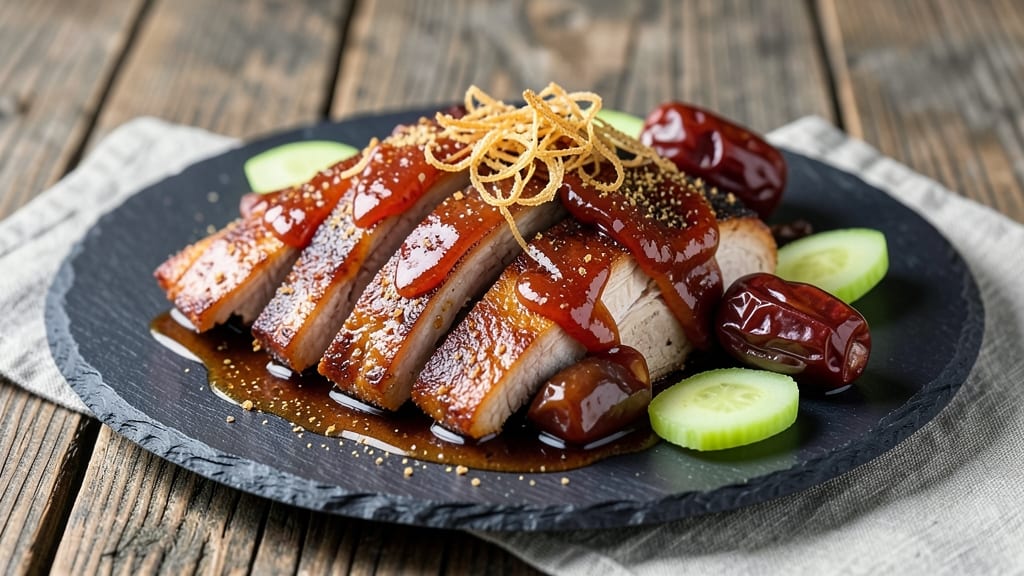
This charsu pork recipe transforms humble pork shoulder into a restaurant-worthy centerpiece with just a few hours of hands-on work. 🔥 The secret lies in the marinade—a bold blend of five-spice powder, tamarind, and vinegar—that tenderizes the meat while building layers of umami and sweetness.
I first discovered this technique while researching Southeast Asian curing methods, and it quickly became a staple in my kitchen for its versatility and depth of flavor.
The process begins with a 24-hour cure where the pork absorbs the marinade, developing that signature glossy sheen and complex aroma. What makes this recipe special is how the spices penetrate deeply, creating a balance between sweet, tangy, and savory notes that's impossible to achieve with dry rubs alone.
The tamarind adds a bright acidity that cuts through the richness, while the five-spice blend delivers warmth and complexity.
When you're ready to cook, the pork can be braised for tender, fall-apart texture or pan-fried for crispy edges—both methods preserve that marinated flavor.
The result is a dish that's equally at home on a weeknight table or a holiday spread, with a depth of flavor that rivals professional restaurant preparations. This is pork elevated to its most sophisticated form without sacrificing approachability.
The beauty of charsu pork lies in its adaptability. Serve it as-is with steamed rice and pickled vegetables, or shred it for tacos, banh mi, or even char siu bao.
The marinade's versatility means you can use the leftovers in countless ways—proof that great cooking doesn't always require complicated techniques, just thoughtful preparation. Let's get started on creating your own showstopping centerpiece.
Ingredients for charsu pork
Six pounds of pork shoulder meets bold Asian spices for a showstopping centerpiece.
| Ingredient | Amount | Notes |
|---|---|---|
| Pork Shoulder 🐖 | 3 lb | Bone-in for best flavor |
| Five-Spice Powder 🌶️ | 2 tbsp | Toasted for deeper aroma |
| Tamarind Paste 🍯 | ½ cup | Unsweetened, block or paste |
| Rice Vinegar 💧 | ½ cup | White or seasoned variety |
| Brown Sugar 🍚 | ½ cup | Packed, light or dark |
| Soy Sauce 🥢 | ½ cup | Light or dark preferred |
| Garlic Cloves 🧄 | 8 cloves | Minced for marinade |
| Ginger Root 🌿 | 2 tbsp | Freshly grated, peeled |
| Sesame Oil 🫒 | 1 tbsp | Toasted for nuttiness |
| Honey 🍯 | 2 tbsp | Wildflower preferred |
| Red Chili Flakes 🌶️ | 1 tbsp | Adjust for heat preference |
| Kosher Salt 🧂 | 1 ½ tbsp | Diamond Crystal preferred |
| Black Peppercorns 🌶️ | 1 tsp | Freshly cracked |
| Coconut Oil 🫒 | 2 tbsp | For searing |
The pork shoulder is non-negotiable here—bone-in, skin-on for maximum flavor. Grab the thickest cut you can find, usually labeled 'pork butt' at Whole Foods or your local butcher. If you're buying pre-cut, look for pieces with good marbling—they'll stay juicier during the long cure. Five-spice powder is the heart of this recipe, so don't skimp. Penzeys or the bulk bins at Trader Joe's carry excellent blends. Toast it lightly in a dry pan before mixing to wake up those flavors.
No tamarind paste? Lime juice plus a pinch of sugar works in a pinch, though it won't give that exact tangy depth. Running short on rice vinegar? Apple cider vinegar at half the amount does the job, though it'll be slightly less refined. The honey can be swapped for maple syrup if you're avoiding it, but I prefer honey's floral notes here. For the sesame oil, toasted at the end of cooking is key—it shouldn't be the star, just add a nutty finish. The garlic and ginger should be minced finely so they dissolve completely into the marinade.
This marinade keeps for up to 2 weeks in the fridge, though the pork should be used within 3 days of marinating. Wrap the pork tightly in plastic wrap and refrigerate it submerged in its marinade—this helps develop that signature glossy sheen. The cured pork can be frozen for 3 months before cooking, making it perfect for meal prep. I like to portion the cooked pork into single-serving containers with a little extra marinade for reheating—just microwave with a splash of water for 2 minutes.
Why You'll Love This Recipe
- Few Ingredients, Big Payoff: I swear by this—just pork shoulder, five-spice powder, and a splash of tamarind. No fancy prep, no hidden pantry staples. The magic happens in the slow cook, and honestly? That’s half the fun.
- Sweet-Savory Magic: The tamarind paste and brown sugar caramelize into something irresistible, while the five-spice adds warmth that lingers. It’s the kind of dish where every bite feels like a little flavor explosion—no blandness here.
- Meal Prep MVP: Between us, this is my go-to for busy weeks. Shred it once, and you’ve got tacos, fried rice, or a quick stir-fry for days. (Yes, even on a Tuesday night.) The flavors only get better as it sits, so make a big batch—you’ll thank me later.
- Budget-Friendly Feast: Pork shoulder is cheap, and this recipe stretches it far. I’ve fed six people for under $20 with leftovers that disappear faster than I can say “seconds, please.” Plus, the ingredients? Most are already in my pantry.
Step-by-step instructions for charsu pork
Here's how to transform humble pork shoulder into restaurant-worthy charsu with that signature tamarind glow.
👨🍳 Step 1: Prep and Score the Pork Shoulder
Start by trimming any excess fat from the 3 lb pork shoulder, leaving just a thin layer for flavor. Pat the meat completely dry with paper towels—this helps the marinade penetrate deeply. Using a sharp knife, make shallow diagonal cuts about ¼-inch deep all over the surface. These scores create pathways for the marinade to seep in and transform the meat.
Place the scored pork in a large bowl and set aside. Here's the thing—don't skip the scoring. It might seem tedious, but those little cuts make all the difference in flavor absorption and texture. The meat will look like it's been through a battle, but trust me, that's exactly what we want for maximum marinade penetration.
🍳 Step 2: Create the Five-Spice Marinade
In a medium bowl, combine the 2 tbsp five-spice powder, 0.5 cup tamarind paste, 0.5 cup rice vinegar, 0.5 cup brown sugar, 0.5 cup soy sauce, 8 minced garlic cloves, 2 tbsp freshly grated ginger root, 1 tbsp toasted sesame oil, 2 tbsp honey, 1 tbsp red chili flakes, 1.5 tbsp kosher salt, and 1 tsp freshly cracked black peppercorns. Mix everything thoroughly until the tamarind paste dissolves completely and you have a smooth, glossy marinade.
This marinade is the soul of charsu. The tamarind gives that signature tangy glow, while the five-spice powder adds that complex aromatic depth. I like to let the marinade sit for 10 minutes before applying—it gives the spices time to bloom and release their full flavor potential. The mixture should be thick enough to cling but still pourable.
🥘 Step 3: Marinate the Pork for Maximum Flavor
Pour the marinade over the pork shoulder in the bowl, making sure it's completely coated. Use your hands to massage the marinade into all the scored areas and any crevices. Transfer the pork to a resealable plastic bag or a shallow dish that's large enough to hold it in a single layer. Seal tightly and refrigerate for at least 12 hours, but I recommend 24 hours for maximum flavor development.
Here's where patience pays off. The longer the pork marinates, the deeper the flavors penetrate. I know it's tempting to rush, but resist. The acid in the rice vinegar and tamarind will start breaking down the muscle fibers after about 8 hours, making the meat incredibly tender. Flip the bag occasionally during marinating to ensure even coverage.
🔥 Step 4: Sear the Pork for Irresistible Crust
Remove the pork from the fridge and let it sit at room temperature for 30 minutes before cooking. Heat a large skillet over medium-high heat and add 2 tbsp coconut oil. Once the oil is shimmering, add the pork shoulder and sear on all sides until deeply browned, about 5-7 minutes per side. You're looking for a rich, caramelized crust that's deep golden brown—this builds incredible flavor.
Don't be tempted to rush the searing. You'll know it's ready when the pork releases easily from the pan and the crust is set. If it sticks, just let it cook a bit longer—it'll come free eventually. The seared crust is what gives charsu its irresistible texture contrast between the crispy exterior and tender interior. Transfer the seared pork to a plate and tent loosely with foil.
⏰ Step 5: Braise Until Fork-Tender
In the same skillet, reduce heat to medium-low and add enough of the reserved marinade to just barely coat the bottom of the pan. Return the pork to the skillet, fat-side up, and cover with a lid. Braise for 2.5-3 hours until the pork is fork-tender and the internal temperature reaches 200°F. You'll know it's done when a knife slides in and out like butter with no resistance.
The braising process is where all the magic happens. The pork will develop that signature charsu texture—tender enough to pull apart with a fork but still holding its shape when sliced. The marinade will reduce down to a glossy, sticky sauce that clings beautifully to the meat. Here's the crucial part: don't peek or lift the lid during braising. Every time you do, you lose heat and steam, which can make the pork tough.
Pro Tips For Making Charsu Pork
- Trim the Fat First: Charsu pork works best when the meat develops deep flavor, but thick fat layers can turn greasy instead of caramelized. Use a sharp knife to score the pork shoulder in a diamond pattern—this helps the marinade penetrate and renders the fat evenly. I learned this the hard way after a batch ended up slick and underseasoned.
- Simmer Low and Slow: After the initial sear, resist the urge to crank the heat. A gentle simmer at 160°F (71°C) for 3–4 hours lets the five-spice powder and tamarind meld into the meat without burning. I once rushed it and ended up with a bitter, overpowering sauce—your patience here makes all the difference.
- Balance the Tamarind: Tamarind paste is sour, but too much makes charsu taste like a pickle. Start with 1 tablespoon per pound of pork, then adjust after tasting. If it’s too sharp, add a splash of brown sugar or a pinch of salt to round it out. Sounds weird, but it works—trust the small tweaks.
- Save the Vinegar Last: Rice vinegar brightens the dish, but adding it too early can make the pork turn mushy. Stir it in only during the final 15 minutes of cooking—this keeps the texture firm while letting the acid cut through the richness. I skip this step sometimes, and the dish is noticeably less vibrant.
Troubleshooting this dish
Marinade Not Penetrating
If your pork isn't absorbing the marinade properly, the issue is likely surface tension or insufficient scoring. First, ensure you've scored the meat ¼-inch deep in a diamond pattern—this creates pathways for the marinade to seep in.
For extra insurance, I like to use a meat mallet to gently pound the scored areas after applying the marinade. This opens up the muscle fibers even more. Also, make sure your pork is completely submerged in the marinade—use a bowl large enough to hold it in a single layer.
If you're still having issues, try adding 1 tbsp cornstarch to the marinade to help it cling better. 💡
Pork Too Dry After Cooking
Overcooking is the most common cause of dry charsu pork. The internal temperature should reach 200°F, but if you're using a meat thermometer, pull it out at 195°F and let it rest for 20-30 minutes—this allows residual heat to finish cooking while juices redistribute.
Never skip the resting period! Another trick I learned from my apprenticeship is to add ½ cup water or broth to the braising liquid during the last 30 minutes of cooking. This creates steam that keeps the meat moist.
If your pork is already dry, try reheating it with a splash of the reserved marinade or pan juices. 🥗
Lacking That Signature Glow
The tamarind glow is what makes charsu visually stunning, and it comes from proper marinating and cooking techniques. First, ensure your pork is fully submerged in the marinade and refrigerated for the full 24 hours. The cold temperature helps the tamarind's acidity work its magic.
During braising, keep the lid on tightly to trap steam—this helps develop that glossy sheen.
If your pork still lacks shine after cooking, brush it with a mixture of 1 tbsp rice vinegar and 1 tbsp honey while it rests, then broil for 2-3 minutes for a quick caramelized finish. 🌟
Bland Flavor Profile
Bland flavors usually mean the marinade didn't have enough time to penetrate or the spices weren't toasted properly. Always toast your five-spice powder in a dry pan for 1-2 minutes before mixing it into the marinade—this wakes up the flavors significantly.
For extra depth, I like to add 1 tbsp fish sauce to the marinade (trust me, it disappears but adds umami).
If your pork tastes flat after cooking, try finishing it with a quick sear in a hot pan with 1 tsp toasted sesame oil and ½ tsp red chili flakes to intensify the flavors. 🌶️
Uneven Cooking
Uneven cooking often happens when the pork isn't brought to room temperature before searing or when the braising liquid isn't hot enough. Always let your pork sit at room temperature for 30 minutes before cooking—this ensures even heat penetration.
For braising, maintain a consistent medium-low heat and add enough marinade to coat the bottom of the pan (about ½ inch). If your pork is cooking unevenly, try rotating the pan occasionally or using a baking sheet instead of a skillet for more even heat distribution. 🔥
Marinade Too Thin or Too Thick
The marinade should be thick enough to cling but still pourable—like a loose glaze. If it's too thin, add 1 tbsp cornstarch or arrowroot powder mixed with 1 tbsp water and stir until thickened. If it's too thick, thin it with 1-2 tbsp warm water or rice vinegar.
The consistency affects how well it penetrates the meat and develops flavor. I like to test the marinade by dipping a spoon in—it should coat the back of the spoon but still drip off slightly. The perfect consistency ensures maximum flavor absorption and that signature charsu texture. ✨
Nutrition facts
Frequently asked questions
Can I use pork belly instead of pork shoulder for this recipe?
Pork belly works beautifully and actually creates a more luxurious texture. The fat content is higher, so reduce the marinating time to 18-20 hours to avoid over-tenderizing. When braising, cover with just enough marinade to coat the bottom of the pan, as the fat will render out naturally. For best results, score the belly in a diamond pattern and sear until deeply browned before braising.
How do I store leftover charsu pork?
Store cooked charsu pork in an airtight container in the refrigerator for up to 5 days. For longer storage, freeze it for 3 months. When reheating, place it in a skillet with a splash of water or reserved marinade and cover with a lid over medium-low heat until warmed through. The marinade helps restore that signature glossy texture and prevents drying out.
What's the difference between charsu and lechon kawali?
While both are Filipino pork dishes, they're prepared differently. Charsu is a cured, marinated pork that's either braised or fried, resulting in tender, flavorful meat with a glossy sheen. Lechon kawali, on the other hand, is typically a whole piglet roasted over charcoal until crispy. Charsu focuses on marinade penetration and slow cooking, while lechon kawali emphasizes crispy skin and roasted flavors.
Can I make this recipe without tamarind paste?
Yes, but the flavor will be different. For a substitute, mix ¼ cup lime juice with 2 tbsp brown sugar and 1 tsp soy sauce. This won't give the exact tangy glow, but it will provide acidity and sweetness. Another option is to use ¼ cup pineapple juice with 1 tbsp honey—this adds a subtle fruity note that complements the five-spice blend.
How do I know when the pork is fully cooked?
The pork is done when it reaches an internal temperature of 200°F and feels fork-tender. For best results, pull it out at 195°F and let it rest for 20-30 minutes before slicing. This allows the juices to redistribute, ensuring moist, flavorful meat. If you don't have a meat thermometer, check by inserting a knife—it should slide in and out easily with no resistance.