
Main Courses
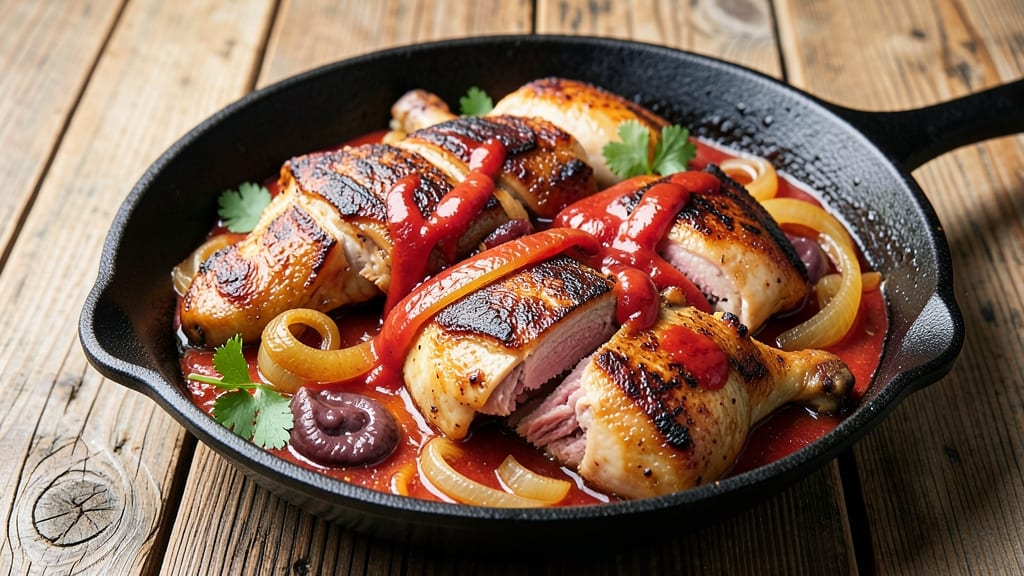
This Filipino-style chicken and pork caldereta delivers rich, tangy flavors that make every spoonful unforgettable. The secret lies in slow-cooked meat simmered in a deep tomato base, creating a sauce so velvety it clings to every bite.
I've perfected this recipe to balance traditional techniques with modern convenience, ensuring tender meat and a sauce that's both complex and approachable.
The dish begins with browning the meat—chicken and pork—until deeply caramelized, locking in flavors that will infuse the sauce. Liver spread, a Filipino pantry staple, adds depth, while tomatoes and vinegar create that signature tang.
Simmering low and slow transforms tough cuts into melt-in-your-mouth perfection, while vegetables like potatoes and carrots soak up the rich, savory broth.
What makes this caldereta special is its versatility—serve it over rice for a hearty meal or as a standalone stew with crusty bread. The sauce thickens beautifully, coating every ingredient in a glossy, aromatic layer that's both comforting and restaurant-worthy.
Whether you're recreating a family tradition or introducing Filipino flavors to your table, this recipe delivers.
The beauty of caldereta lies in its adaptability. Swap in shrimp for seafood lovers or add bell peppers for extra freshness. The key is patience—letting the flavors meld over time creates a dish that's far more than the sum of its ingredients. Ready to make this Filipino classic your own?
Ingredients for chicken and pork caldereta
Rich Filipino flavors start with these 14 essential ingredients—simple pantry staples plus a few specialty finds.
| Ingredient | Amount | Notes |
|---|---|---|
| Boneless Chicken Thighs 🍗 | 1 ½ lb | Skin-on preferred for flavor |
| Pork Shoulder 🥩 | 1 ½ lb | Cut into 1-inch cubes |
| Liver Spread 🥓 | ¼ cup | Filipino-style, like La Choy |
| Canned Tomato Sauce 🍅 | 1 can | 28 oz can, San Marzano preferred |
| White Vinegar 💧 | ¼ cup | For tangy brightness |
| Yellow Onions 🧅 | 2 whole | Sliced into half-moons |
| Garlic Cloves 🧄 | 6 cloves | Minced for aromatic base |
| Russet Potatoes 🥔 | 2 lb | Cut into 1-inch chunks |
| Carrots 🥕 | 1 ½ lb | Peeled, cut into thick sticks |
| Bay Leaves 🌿 | 2 whole | Dried, for depth |
| Black Peppercorns 🌶️ | 1 tsp | Freshly cracked |
| Salt 🧂 | 1 ½ tsp | Diamond Crystal preferred |
| Olive Oil 🫒 | ¼ cup | For browning meat |
| All-Purpose Flour 🌾 | 2 tbsp | For sauce thickening |
The pork shoulder and chicken thighs are non-negotiable here—pork shoulder delivers that melt-in-your-mouth texture, while chicken thighs stay juicy through the long simmer. Grab boneless, skin-on thighs for extra flavor, but boneless works too. For the pork, Costco or local butcher cuts save money, but any supermarket pork shoulder will do. Liver spread is the Filipino secret weapon—La Choy is the brand most Filipino markets carry, but any chicken liver pâté works. The San Marzano tomato sauce makes all the difference (trust me), but regular canned tomato sauce in a pinch won't ruin it. Yellow onions should be sweet, not bitter—Spanish onions from the grocery store's fresh produce section are ideal.
No liver spread? Chicken liver pâté or even pâté de foie gras (yes, really) works in a bind. White vinegar can be swapped for white wine vinegar if that's what you've got—just reduce the amount by half. The bay leaves are crucial for that earthy depth, but if you're missing them, a pinch of dried thyme adds a similar note. Russet potatoes should be waxy—not floury—for the best texture. Carrots can be baby carrots if that's what's in your fridge, but orange carrots add a lovely pop of color. The San Marzano tomatoes? Worth the splurge if you can find them, but any high-quality canned tomatoes will work. For the garlic, fresh is non-negotiable—jarred garlic just doesn't cut it here.
This stew tastes even better the next day as flavors meld. Store in an airtight container in the fridge for up to 5 days, or freeze portions for 3 months. The sauce thickens as it cools, so you can always thin it with a splash of water or broth when reheating. Double the recipe—it's perfect for meal prep, and the leftovers reheat beautifully. Serve over steamed rice or with crusty bread to soak up every last drop of that velvety sauce.
Why You'll Love This Recipe
- One-Pot Magic: Honestly, I swear by this recipe when I’m too tired to dirty more than one pot. The chicken thighs and pork shoulder go in raw, simmer together with the liver spread and tomato sauce—no pre-cooking, no fuss. By the time the vinegar brightens the sauce, everything’s meltingly tender and ready to serve.
- Umami Bomb: That liver spread? It’s the secret weapon. One spoonful turns this into something rich and deep, like a slow-cooked stew without the hours. The vinegar cuts through the richness just enough to keep it bright and addictive—every bite has that satisfying, almost-smoky punch.
- Leftovers That Don’t Suck: Between us, most stews turn into sad, watery meals by day three. Not this one. The pork stays juicy, the sauce thickens into a glorious glaze, and reheating it? Just add a splash of water and a minute in the microwave. I’ve fed my family this for lunch three times in a row—no complaints.
- Budget Feast for Crowds: Pork shoulder and chicken thighs are cheap cuts that pack serious flavor, and the liver spread stretches the richness across the whole pot. I’ve made this for 10 people at potlucks, and it’s always the first bowl cleared. Plus, the canned tomato sauce and vinegar mean no fancy ingredients—just real, hearty comfort.
Step-by-step instructions for chicken and pork caldereta
Here's how to build this rich Filipino stew with layers of savory meat and tangy tomato depth.
Brown the Meat for Maximum Flavor
Heat a large Dutch oven over medium-high heat and add the 0.25 cup olive oil. Working in batches to avoid crowding, sear the 1.5 lb pork shoulder cubes for 4-5 minutes until golden brown on all sides. Remove and set aside. In the same pot, sear the 1.5 lb boneless chicken thighs for 3-4 minutes per side until they develop a deep brown crust. This step creates the Maillard reaction that forms the stew's complex flavor foundation.
Don't rush this process—the meat needs time to develop that rich color. If the oil starts smoking excessively, reduce the heat slightly. I like to press down gently on the chicken thighs during the first minute to prevent curling, which ensures even contact with the pan. Once browned, remove both meats and set aside with the pork.
Build the Aromatic Base
In the same Dutch oven, reduce heat to medium and add 2 whole yellow onions sliced into half-moons. Cook for 5-6 minutes until softened and starting to caramelize at the edges. Add the 6 cloves minced garlic and cook for 30 seconds until fragrant—this is where the caldereta develops its signature depth of flavor.
Here's where it gets interesting: stir in the 0.25 cup liver spread and cook for 1 minute until it melts and blends with the onions. The liver spread adds that unmistakable Filipino umami punch. Then sprinkle in the 2 tbsp all-purpose flour and stir vigorously for 1 minute to create a light roux that will thicken your sauce beautifully.
Develop the Tangy Tomato Sauce
Pour in the 1 can canned tomato sauce and 0.25 cup white vinegar, scraping up any browned bits from the bottom of the pot. This deglazing step captures all the meaty flavors you worked so hard to develop. Add the 2 whole bay leaves and 1 tsp cracked black peppercorns, then bring to a gentle simmer.
Let the sauce cook uncovered for 10 minutes while you prepare the vegetables. This reduction time is crucial—it allows the acidity to mellow slightly and the flavors to meld together. You'll notice the sauce will thicken as it simmers, but don't worry about adjusting consistency yet. The vegetables will help balance the acidity as they cook.
Add Vegetables and Simmer
Add the 2 lb russet potatoes cut into 1-inch chunks and 1.5 lb peeled carrots cut into thick sticks to the Dutch oven. Stir gently to coat the vegetables with the sauce. Return the meat to the pot, then add 1.5 tsp salt and enough water to just cover the ingredients—about 2 cups. Bring to a gentle boil, then reduce heat to low and cover partially.
Simmer for 45-50 minutes until the potatoes are tender and the carrots can be pierced easily with a fork. The meat should be fork-tender as well. Here's the thing about caldereta—it tastes even better the next day when the flavors have time to develop fully. If you're serving immediately, check for doneness at the 40-minute mark, as ovens vary in temperature.
Finish and Serve
Once everything is tender, remove the 2 bay leaves and adjust the seasoning if needed. The stew should be rich and slightly tangy, with the acidity balanced by the sweetness of the carrots and potatoes. If the sauce is too thin, uncover and simmer for another 5-10 minutes to reduce it to your desired consistency.
Serve the caldereta hot, family-style, with steamed rice. The meat should be falling off the bone, the vegetables tender but still holding their shape, and the sauce clinging beautifully to each bite. For extra richness, you can garnish with fresh cilantro or a drizzle of the reserved cooking oil from the pot. This dish tastes even better the next day as the flavors continue to meld together.
Pro Tips For Making Chicken And Pork Caldereta
- SEAR THE MEAT FIRST: Don’t just toss everything in the pot—start with a quick sear. Brown the pork shoulder and chicken thighs in batches over medium-high heat for 3-4 minutes per side. This builds flavor that canned tomato sauce alone won’t match, and it keeps the meat from turning into mush later.
- TRIM THE PORK SHOULDER: I used to skip this, but here’s the deal: Pork shoulder has fat that renders unevenly, leaving grease pools in your stew. Trim excess fat to ¼-inch thickness—just enough to keep it juicy, but not so much it makes the caldereta greasy. Use that trimmed fat for searing instead.
- ACIDIFY THE TOMATO SAUCE: The liver spread is rich, and the tomato sauce can taste flat next to it. Balance it by adding 1-2 tablespoons of white vinegar before simmering. This brightens the sauce without overpowering the meat—just enough to cut through the richness like a knife.
- SIMMER LOW AND LONG: Caldereta isn’t a rush job. After browning and deglazing, reduce heat to a gentle simmer (small bubbles, occasional skimming) for at least 1.5 hours. Pork shoulder needs time to fall apart, and chicken thighs stay tender instead of drying out. Skimp on time, and you’ll regret it.
Best sauces and condiments for chicken and pork caldereta
Liver Spread Magic
The secret weapon in caldereta is the 0.25 cup liver spread—it adds that unmistakable Filipino umami depth that sets this stew apart. I always use La Choy liver spread (the brand most Filipino markets carry), but chicken liver pâté works in a pinch.
Spread it directly into the onions while they're caramelizing so it melts into the base, creating a rich, savory foundation. 🥓
Tomato Sauce Upgrades
While San Marzano tomato sauce delivers the best flavor, don't stress if you can't find it—any high-quality canned tomato sauce works. For extra richness, stir in 1 tbsp tomato paste with the sauce to deepen the color and intensify the tomato flavor.
I also like adding 1 tsp sugar to balance the acidity, especially if using a particularly tart vinegar.
Vinegar Variations
The 0.25 cup white vinegar is crucial for that signature tang, but you can experiment with other acids. White wine vinegar works well (use half the amount), or try apple cider vinegar for a fruity twist.
If you prefer less acidity, reduce to 0.125 cup and add 1 tbsp soy sauce for umami instead. The key is balancing the tang with the sweetness of the carrots and potatoes.
Sauce Thickeners
The 2 tbsp all-purpose flour creates a natural thickener, but you can use other options. For a gluten-free version, substitute with 2 tbsp cornstarch or 1 tbsp tomato paste.
If your sauce needs more body, mix 1 tbsp flour with 1 tbsp cold water to create a slurry and stir it in during the final 5 minutes of simmering. This prevents lumps and gives you precise control over the consistency.
Herb and Spice Boosts
For extra depth, add 1 tsp dried oregano or ½ tsp smoked paprika with the bay leaves. Fresh herbs like cilantro or parsley brighten the dish at the end—just add them during the last 5 minutes of cooking so they stay vibrant.
If you love heat, stir in ½ tsp chili flakes or 1 sliced jalapeño for a spicy kick. 🌶️
Final Flavor Adjustments
Always taste before serving! The stew should be rich, slightly tangy, and well-balanced. If it needs more depth, add 1 tsp soy sauce or ½ tsp fish sauce (classic Filipino flavors). For brightness, a splash of lemon juice or more vinegar works wonders.
The sauce should coat the back of a spoon—if it's too thin, simmer uncovered for 5-10 minutes to reduce it. Trust your taste buds and adjust as you go!
Nutrition facts
Frequently asked questions
Can I substitute chicken breast for thighs in this recipe?
While you can use chicken breast, thighs are ideal because they stay juicier during the long simmer. If using breast, cut them into 1-inch pieces and add them to the pot only during the last 15 minutes of cooking to prevent drying out. For best results, use a 50/50 mix of thighs and breast if that's what you have available.
What's the best way to make this recipe in a slow cooker?
Transfer all ingredients to your slow cooker after browning the meat in a separate pan. Cook on low heat for 6-7 hours or high heat for 3-4 hours, adding 1 cup water if the sauce becomes too thick. The slow cooker method actually enhances the flavors as they meld over time, resulting in an even more tender stew.
Can I make caldereta without liver spread?
Yes! If you don't have liver spread, use 2 tbsp chicken liver pâté or 1 tbsp soy sauce plus 1 tsp fish sauce for umami depth. For a vegetarian option, substitute with 2 tbsp tomato paste plus 1 tsp mushroom powder. The key is adding something to boost the savory base—just adjust seasoning to taste afterward.
How do I know when the meat is fully cooked?
The pork should easily pull apart with a fork, and the chicken should reach an internal temperature of 165°F. For pork, look for no pink juices when pierced—the meat should be opaque throughout. If using a meat thermometer, insert it into the thickest part of the chicken thigh and pork shoulder to check doneness.
Can I add other vegetables to this recipe?
Bell peppers, green beans, or zucchini work beautifully. Add them during the last 20 minutes of cooking to prevent overcooking. For extra richness, stir in ½ cup coconut milk with the vegetables. Just remember that the sauce may need additional thickening time if you add more liquid ingredients.