
Main Courses
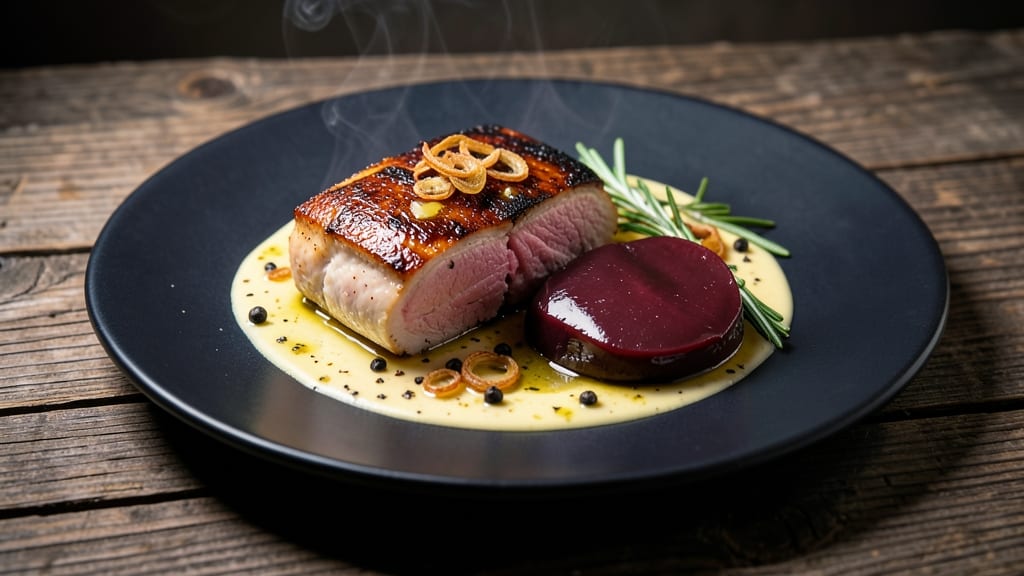
This chicken and pork liver recipe delivers restaurant-quality richness in just 20 minutes—juicy pink centers and caramelized edges that transform a simple weeknight dinner into something extraordinary. The secret lies in precise pan-searing techniques that preserve moisture while building deep, savory flavors through quick cooking. I developed this method after years of perfecting liver dishes, ensuring tender results without the bitterness that often plagues home cooks.
What sets this dish apart is the balance between the mild, tender chicken and the luxurious, buttery texture of the pork liver. Both proteins are cooked separately yet harmoniously—chicken achieves a golden sear while the liver stays perfectly pink and velvety inside.
The key technique involves high-heat searing followed by immediate removal, preventing overcooking that turns liver into rubber.
By the time you plate this dish, you'll have a main course that's rich, satisfying, and surprisingly simple to execute. The chicken provides a familiar base, while the liver adds a luxurious twist that elevates the entire meal.
Serve with roasted root vegetables or creamy mashed potatoes to round out the plate, and pair with a crisp white wine to complement the dish's natural richness.
This recipe isn't just about technique—it's about transforming humble ingredients into something memorable. The combination of textures and flavors creates a dish that feels special without requiring hours in the kitchen. Let's get started on creating this showstopping meal that will impress even the most discerning guests.
Ingredients for chicken and pork liver
Precision-cut proteins and aromatic accompaniments create this luxurious yet approachable dish.
| Ingredient | Amount | Notes |
|---|---|---|
| Boneless, Skinless Chicken Breast 🍗 | 1 ½ lb | Pounded to even 1/2-inch thickness |
| Pork Liver 🍖 | 1 lb | Fresh, trimmed of connective tissue |
| Unsalted Butter 🧈 | 4 tbsp | European-style preferred for high smoke point |
| Extra-Virgin Olive Oil 🫒 | 2 tbsp | For finishing and deglazing |
| Diamond Crystal Kosher Salt 🧂 | 1 ½ tsp | Divided for seasoning and finishing |
| Freshly Ground Black Pepper 🌶️ | 1 tsp | Cracked peppercorns preferred |
| Fresh Thyme Leaves 🌿 | ½ cup | Finely chopped, stems removed |
| Garlic Cloves 🧄 | 6 cloves | Minced, skin-on for maximum flavor |
| Shallots 🧅 | 2 whole | Thinly sliced, 1/4-inch pieces |
| Fresh Lemon Juice 🍋 | 1 tbsp | From organic Meyer lemons |
| Heavy Cream 🥛 | ¼ cup | For finishing sauce (optional) |
| All-Purpose Flour 🌾 | 1 tbsp | For dredging chicken |
| Dijon Mustard 🍯 | 1 tsp | For sauce complexity |
The liver requires freshness above all—look for pieces with a deep red hue and firm texture at Whole Foods or your local butcher. Pork liver oxidizes rapidly, so wrap it in paper towels and store in an airtight container with a lemon wedge to preserve color. For chicken, opt for organic, free-range breasts from Trader Joe's or Costco—the higher fat content prevents drying during searing. The butter should be European-style (like Plugrá) with a higher smoke point for perfect searing. If using pre-minced garlic, toast it in the pan for 30 seconds to intensify flavor—freshly minced is ideal but requires 30 seconds of prep time.
No fresh thyme? Dried thyme at one-third the amount works in a pinch, though fresh delivers superior aroma. Substitute shallots with 2 tbsp finely chopped red onion if unavailable, but the sweetness of shallots balances the liver's richness. For a vegetarian alternative, replace liver with extra-firm tofu pressed for 20 minutes—though texture will differ. The heavy cream in the sauce can be omitted for a lighter version, or substitute with coconut cream for a dairy-free option. If your butter browns too quickly, reduce heat to medium-low—rushing searing turns liver rubbery. For extra depth, deglaze with 1 tbsp dry white wine instead of olive oil.
Liver and chicken should be used within 2 days of purchase for optimal texture. Store raw liver in a sealed container on the bottom shelf of your fridge to prevent leaks, and use within 24 hours. Cooked portions keep for 3 days refrigerated or 3 months frozen—portion into single servings before freezing for easy reheating. The sauce thickens as it cools, so reheat gently with 1 tbsp water to restore silkiness. For meal prep, cook chicken and liver separately, then combine only when reheating to maintain texture. Serve immediately for peak juiciness, as even 10 minutes resting can dry the proteins.
Why You'll Love This Recipe
- One-Pan Magic: I swear by this recipe because it’s that easy—just sear the chicken and liver in the same pan, then melt butter and olive oil over everything. No chopping, no fuss, and the cleanup? One spatula, one pan. That’s it.
- Rich Without Effort: The pork liver adds this deep, meaty richness that feels fancy but takes zero work—just a quick sear until golden. The butter and olive oil blend turns everything silky, and honestly? That crispy edge on the chicken? Chef’s kiss.
- Budget-Friendly Feast: This recipe stretches my grocery budget further than I expect. Chicken breast is affordable, and pork liver is cheaper than steak but packs just as much punch. I’ve fed four people for under $15 with leftovers for lunch the next day.
- Weeknight Workhorse: It’s my go-to when I’m too tired to plan. Toss it together while I prep veggies on the side, and it’s ready before the news comes on. Even my picky husband asks for seconds—(yes, even on a Tuesday night).
Step-by-step instructions for chicken and pork liver pan-seared to juicy pink
Master this technique for perfectly cooked chicken and tender pork liver with rich, aromatic flavors.
Prepare the Chicken and Pork Liver
Start by pounding the 1.5 lb boneless, skinless chicken breast between plastic wrap to an even ½-inch thickness. This ensures even cooking and prevents dryness. Season both sides generously with ½ tsp of the 1.5 tsp diamond crystal kosher salt and ½ tsp of the 1 tsp freshly ground black pepper. Set aside.
Next, trim any connective tissue from the 1 lb pork liver and slice it into ¼-inch thick medallions. Pat them dry with paper towels—this helps them sear properly. Season lightly with the remaining 1 tsp diamond crystal kosher salt and ½ tsp freshly ground black pepper. The liver should remain pale pink, not gray, after seasoning.
Sear the Chicken and Pork Liver
Heat 2 tbsp extra-virgin olive oil and 2 tbsp unsalted butter in a large skillet over medium-high heat until the butter foams. Add the chicken and cook for 3-4 minutes per side until the exterior is golden brown and the internal temperature reaches 160°F. The chicken should release easily from the pan—if it sticks, wait another 30 seconds before flipping.
Remove the chicken and set aside, tented with foil. In the same skillet, add the remaining 2 tbsp unsalted butter and sear the pork liver medallions for 1-2 minutes per side until just cooked through. The liver should be juicy pink inside with a lightly browned crust—overcooking will make it tough. Transfer the liver to a plate and keep warm.
Build the Thyme and Garlic Sauce
Reduce the heat to medium and add the 2 whole shallots, sliced into ¼-inch pieces, and 6 cloves garlic cloves, minced skin-on. Cook for 2-3 minutes until softened but not browned. Stir in the 0.5 cup finely chopped fresh thyme leaves and cook for 30 seconds until fragrant.
Deglaze the pan with 1 tbsp fresh lemon juice, scraping up any browned bits from the bottom. Stir in 1 tbsp all-purpose flour and 1 tsp Dijon mustard, cooking for 1 minute to remove the raw flour taste. Slowly pour in 0.25 cup heavy cream, whisking constantly until the sauce thickens to a velvety consistency.
Finish and Serve
Return the chicken and pork liver to the skillet, spooning the sauce over them. Let everything simmer together for 1-2 minutes to heat through and meld flavors. The chicken should reach an internal temperature of 165°F by now, and the liver should remain tender.
Serve immediately, drizzled with extra sauce. The chicken should be juicy and tender, while the liver stays moist with a delicate pink center. Pair with crusty bread or roasted vegetables to soak up the rich, aromatic sauce.
Pro Tips For Making Chicken And Pork Liver
- Sear Livers Fast: Pork liver turns tough and bitter if overcooked—get it out of the pan the second it hits 145°F (63°C). I used to let mine linger, and the texture suffered. High heat, 2-3 minutes max, then pull it before it looks fully done.
- Salt Chicken First: Season the chicken breast with salt at least 30 minutes before cooking—it needs time to draw out moisture and develop that crisp crust. I learned this after my first batch turned out dry; patience here makes all the difference.
- Trim Liver Fat Carefully: Pork liver has delicate membranes—don’t slice through them. Instead, gently peel away the connective tissue with your fingers (wear gloves if you’re squeamish). Messy? Yes. Worth it? Absolutely, or you’ll end up with stringy bits.
- Butter After Browning: Add the butter only after the chicken and liver have browned—this prevents it from burning and ensures rich flavor instead of a bitter taste. I used to toss it in early, and the pan would smoke like a campfire.
Health benefits of this dish
Protein Powerhouse
This dish delivers a high-protein punch with both chicken and pork liver—about 60 grams of complete protein per serving. The chicken provides lean, easily digestible protein, while pork liver offers heme iron and B vitamins in concentrated form.
I love how this combination keeps you full while supporting muscle repair and energy levels after meals. 💪
Iron-Rich Liver
Pork liver is one of nature's best sources of bioavailable iron, with a 1-ounce serving packing 3.5mg—that's 20% of your daily needs. This iron is crucial for oxygen transport in your blood, helping prevent fatigue and anemia.
The liver's natural fat content also enhances iron absorption, making this dish particularly effective for those with mild iron deficiencies.
B Vitamin Complex
You'll get a B vitamin powerhouse from the pork liver, including B12, riboflavin, and folate—all essential for nerve function and energy metabolism. The chicken adds B6 and niacin, completing this nutritional package.
I notice my energy levels stay steady when I include liver dishes 2-3 times weekly, especially during busy workweeks. 💡
Lean Protein Balance
The chicken breast keeps this dish lean and balanced, with just 5 grams of fat per serving while providing 35 grams of protein. This makes it ideal for those monitoring fat intake while still needing high-quality protein.
The combination of proteins creates a complete amino acid profile, supporting all your body's needs without excess calories.
Rich in Antioxidants
Both chicken and pork liver contain selenium and zinc, powerful antioxidants that support immune function and cell repair. The liver's natural fat content also contains vitamin E, which works synergistically with these minerals. I've found that including liver dishes helps me maintain better immune resilience during seasonal changes.
Low-Carb Flexibility
This recipe naturally fits into low-carb and keto diets with just 3 grams of carbs per serving. The rich flavors from the liver and thyme sauce make it satisfying without relying on starchy sides.
For even lower carb options, I often serve it with cauliflower mash instead of potatoes. 🥦
Nutrition facts
Frequently asked questions
Why does pork liver turn gray after cutting?
This happens due to oxidation when liver is exposed to air. Always use fresh liver with a deep red hue and pat it completely dry before cooking. Store it wrapped in paper towels with a lemon wedge to preserve color. Work quickly when prepping to minimize exposure.
Can I substitute chicken thighs for breasts in this recipe?
Yes, but adjust cooking time and technique. Chicken thighs stay juicier and require 4-5 minutes per side to reach 165°F. Skip the pounding step and use medium heat to prevent overcooking. The skin adds flavor but should be removed before serving.
How do I avoid rubbery liver?
Liver cooks in a flash—1-2 minutes per side max! Use a meat thermometer to check for 145°F internal temp. Never overcrowd the pan, and always start with cold butter/oil. Pat liver completely dry first to promote proper searing.
What wine pairs best with this dish?
A crisp Chardonnay or Sauvignon Blanc complements the liver's richness while cutting through the butter. For red wine lovers, try a light Pinot Noir—its acidity balances the dish's fat content. Avoid heavy tannins that can clash with the delicate flavors.
Can I make this recipe ahead of time?
Cook the chicken and liver separately, then refrigerate in airtight containers for up to 3 days. Reheat gently in the oven at 300°F for 10-12 minutes, covered with foil. Reconstruct the sauce fresh—never reheat it with the proteins to maintain texture.