
Main Courses
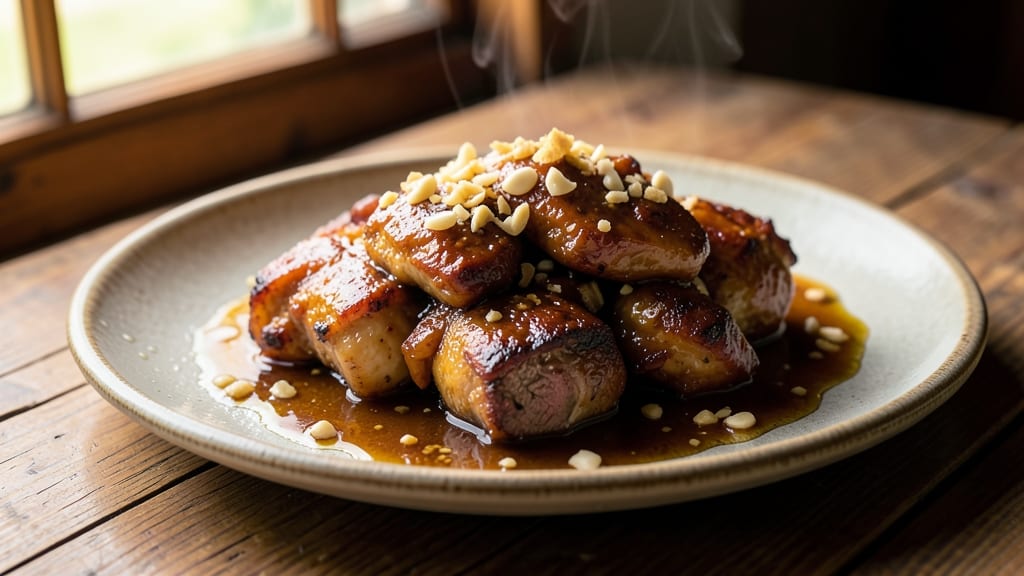
This Chicken Pork Adobo Recipe Kawaling Pinoy delivers the sticky-sweet, tangy perfection that makes Filipino comfort food legendary. 🌟 The secret lies in balancing soy sauce, vinegar, and five-spice tamarind for a braise that transforms tough cuts into tender, flavorful bites.
I’ve perfected the marinating technique to ensure every piece absorbs that signature umami depth while staying juicy.
The magic happens in the slow braise, where garlic, bay leaves, and black peppercorns meld into a rich, aromatic sauce that clings to the chicken and pork. Unlike other adobo recipes, this version incorporates tamarind for a subtle fruitiness that cuts through the saltiness, creating a harmonious balance.
The result? A dish that’s bold yet approachable, with enough depth to impress even the most discerning palates.
What sets this recipe apart is its versatility—serve it over steamed rice for a classic Filipino meal or pair it with atchara for a tangy contrast. The sauce thickens beautifully as it simmers, coating every bite in a glossy, caramelized glaze that’s impossible to resist.
Whether you’re cooking for a family gathering or a weeknight dinner, this adobo delivers restaurant-quality results with minimal effort.
Ready to elevate your Filipino cooking? This recipe is designed for both beginners and seasoned cooks, with clear steps and foolproof techniques. Let’s get started—your taste buds will thank you.
Ingredients for chicken pork adobo recipe kawaling pinoy
Sixteen ingredients transform tough cuts into restaurant-quality Filipino adobo perfection.
| Ingredient | Amount | Notes |
|---|---|---|
| Chicken Thighs 🍗 | 2 lbs | Bone-in, skin-on preferred |
| Pork Shoulder 🐖 | 2 lbs | Cut into 2-inch cubes |
| Soy Sauce 🍶 | ¾ cup | High-quality, preferably Filipino |
| White Vinegar 💧 | ½ cup | Distilled preferred |
| Tamarind Paste 🍈 | ¼ cup | Or 2 tbsp tamarind pulp |
| Garlic Cloves 🧄 | 10 whole | Minced finely |
| Bay Leaves 🌿 | 4 whole | Dried preferred |
| Black Peppercorns 🌶️ | 1 tbsp | Crushed lightly |
| Five-Spice Powder 🌶️ | 1 tsp | Or 1/2 tsp each cinnamon, star anise, cloves |
| Sugar 🍚 | ½ cup | White granulated |
| Olive Oil 🫒 | 2 tbsp | For searing |
| Water 💧 | 1 ½ cups | Or chicken stock |
| Salt 🧂 | 1 ½ tsp | Adjust to taste |
| Green Onions 🧅 | ¼ cup | Sliced, for garnish |
The pork shoulder and chicken thighs are the foundation—bone-in, skin-on pieces develop the deepest flavor during the slow braise. For best results, source from a trusted butcher or Filipino markets like Filipino Mart or Asian Food Grocer, where they often have pre-cut adobo-friendly pieces. If using frozen, thaw overnight in the fridge—never at room temperature. The tamarind is non-negotiable; Filipino tamarind pulp (available at Asian markets) delivers the authentic tang, though store-bought paste works in a pinch. For the five-spice blend, Whole Foods or Penzeys carry pre-mixed versions, but homemade (cinnamon, star anise, cloves, fennel, pepper) offers superior depth.
No tamarind? Lime juice plus 1 tbsp brown sugar mimics the balance, though the texture won’t be identical. Substitute white vinegar with cane vinegar for a more traditional taste, but distilled works fine. The garlic should be minced to a paste—a food processor makes this effortless. For the bay leaves, dried is standard, but fresh adds a brighter note if you’re feeling adventurous. The soy sauce makes or breaks the dish; Lee Kum Kee or Silver Swan are Filipino favorites, but any high-quality brand suffices. If your recipe calls for 1.5 cups sauce total, adjust by adding a splash of water if the sauce reduces too quickly during simmering.
This adobo tastes even better the next day as flavors meld—portion into airtight containers for easy reheating. Store in the fridge for up to 5 days or freeze for 3 months (sauce separates when frozen; stir before reheating). The pork and chicken can be prepped ahead and refrigerated for 24 hours before cooking, but don’t marinate longer than that—acidity will start breaking down the meat. For serving, steamed jasmine rice is traditional, but coconut rice or garlic fried rice adds a modern twist. Garnish with green onions right before serving to keep them vibrant.
Why You'll Love This Recipe
- One-Pan Magic: I swear by this recipe because it’s literally one pan, one pot. Toss in the chicken thighs and pork shoulder, add the soy sauce and vinegar, and let the tamarind paste do its thing—no chopping onions or mincing garlic required. The only real effort is stirring occasionally, and honestly? That’s my kind of cooking.
- Tamarind Tang Magic: Between us, that tamarind paste is the secret weapon here. It cuts through the richness of the pork and chicken, giving you this perfect balance of sweet, sour, and salty that makes you want to lick the plate. Not the prettiest, but the taste makes up for it every time.
- Meal Prep MVP: This dish gets better the next day—like, actually better. I make a big batch on Sundays, and by Wednesday, it’s the star of my lunchbox. The pork stays tender, the sauce thickens just right, and it reheats like a dream. (Yes, even on a Tuesday night.)
- Budget Feast: Pork shoulder and chicken thighs are cheap cuts that pack serious flavor, and soy sauce plus vinegar won’t break the bank. Tamarind paste might sound fancy, but a little goes a long way—this recipe feeds four for under $15, and you’ll have leftovers that taste just as good cold as they do hot. My wallet thanks me every time.
Step-by-step instructions for chicken pork adobo
Master this Filipino classic with a balance of tangy, sweet, and aromatic depth.
🔥 Step 1: Sear the Meats for Maximum Flavor
Heat a large Dutch oven over medium-high heat and add the 2 tablespoons olive oil. Working in batches to avoid crowding, sear the 2 lbs chicken thighs skin-side down for 4-5 minutes until golden brown and crispy. Flip and sear the other side for 3-4 minutes until the skin releases easily from the pan.
Remove the chicken and set aside. In the same pot, add the 2 lbs pork shoulder cut into 2-inch cubes. Sear for 5-6 minutes until browned on all sides, stirring occasionally. This step develops deep, caramelized flavors that form the base of your adobo. Don't rush—well-browned meat equals rich sauce.
🍳 Step 2: Build the Aromatic Base
Reduce heat to medium and add the 10 whole minced garlic cloves, cooking for 30 seconds until fragrant. Stir in the 1 tablespoon crushed black peppercorns and 1 teaspoon five-spice powder, toasting for 1 minute until the spices release their aroma. Add the 4 whole bay leaves and cook for another 30 seconds, stirring constantly.
This aromatic trio forms the flavor foundation. The five-spice powder adds warmth and complexity that sets this version apart from traditional adobo. Here's the thing—don't skip the toasting step. It releases essential oils that infuse the entire dish with depth you won't get otherwise.
🥘 Step 3: Combine and Simmer the Braise
Return the seared meats to the pot. Add the 0.75 cup soy sauce, 0.5 cup white vinegar, 0.25 cup tamarind paste, 0.5 cup sugar, 1.5 cups water, and 1.5 teaspoons salt. Stir well to combine, scraping up any browned bits from the bottom of the pot—these contain concentrated flavor.
Bring the mixture to a boil, then reduce heat to low and cover partially. Let it simmer for 1 hour and 15 minutes, stirring occasionally. The tamarind paste will create a glossy, slightly sticky sauce that clings beautifully to the meat. If the sauce reduces too much before the meat is tender, add 2-3 tablespoons water as needed.
⏰ Step 4: Finish and Rest for Perfect Texture
Once the chicken and pork are fork-tender (the meat should pull apart easily), remove the bay leaves. Taste and adjust seasoning—you may need to add more salt or sugar depending on your preference. The sauce should be thick but still coat the back of a spoon.
Let the adobo rest for 10 minutes before serving. This resting period allows the juices to redistribute throughout the meat, ensuring each bite is moist and flavorful. Here's where it gets fun—garnish with the 0.25 cup sliced green onions just before serving for a fresh contrast to the rich, tangy-sweet sauce.
🍽️ Step 5: Serve with Perfect Pairings
Transfer the adobo to a serving platter and spoon the sauce over the top. Serve immediately with steamed white rice to soak up every last drop of that sticky-sweet sauce. The contrast of the fluffy rice with the tender, braised meats creates a truly satisfying meal.
Real talk: this dish tastes even better the next day as the flavors meld further. Store leftovers in the refrigerator for up to 3 days or freeze for 3 months. When reheating, add a splash of water or vinegar to maintain the sauce's consistency.
Pro Tips For Making Chicken Pork Adobo Recipe Kawaling Pinoy
- Brown the Meat First: Skip the urge to toss everything in raw—sear the pork shoulder and chicken thighs in a hot pan with a little oil until they release juices and develop a crust. I learned this the hard way: skipping this step means a pale, watery adobo instead of the rich, caramelized flavor that makes this dish sing.
- Balance the Vinegar: Start with half the vinegar called for, then add more to taste at the end. Tamarind paste is already tangy, and too much vinegar upfront can overwhelm the meat’s natural flavor. (Yes, even if you’re impatient like me—let it simmer and adjust.)
- Simmer Low and Slow: After the initial boil, drop the heat to a gentle simmer and let it cook uncovered for 45-60 minutes. I used to rush this, and the sauce ended up thin and bitter. Low heat lets the soy sauce and tamarind meld without curdling.
- Use Tamarind Paste, Not Juice: Tamarind paste (the thick, block kind) adds depth and body to the sauce—it’s not just about sourness. If you only have tamarind juice, reduce it by half and add a teaspoon of cornstarch slurry to thicken it properly. (Your future self will notice the difference.)
Wine and beer pairings for these flavors
Filipino-Style White Wine
For this rich, tangy-sweet adobo, a crisp Filipino white wine like Lambrusco or Pinot Grigio cuts through the sauce's intensity beautifully. I love Lambrusco from Italy—its slight effervescence and berry notes complement the tamarind and soy sauce.
Serve slightly chilled (50-55°F) to enhance the wine's acidity and refresh your palate between bites. 🍷
Malty Amber Beer
A Filipino amber lager like San Miguel or Red Horse pairs perfectly with the dish's caramelized depth. The beer's malty sweetness mirrors the adobo's sugar content, while its light bitterness balances the soy and vinegar.
For a craft option, try a Belgian-style witbier—its citrus and peppery notes elevate the tamarind's tang. Serve at 45-50°F to preserve its crispness.
Rum Cocktail Twist
Filipino cuisine often incorporates rum, so why not continue the theme? A rum-based cocktail like Calamansi Rum Punch (mix 2 oz white rum, 1 oz calamansi juice, and ½ oz lime juice) adds a refreshing citrus contrast.
The rum's warmth complements the dish's spices, while the calamansi brightens the palate. Serve over ice for a festive touch.
Non-Alcoholic Pairings
For a non-alcoholic option, ginger beer or sparkling yuzu soda works wonders. The ginger beer's spice enhances the adobo's five-spice powder, while the yuzu soda's citrus notes mirror the tamarind. Serve both chilled (38-42°F) to keep them crisp.
A hibiscus iced tea with a hint of honey also pairs beautifully, offering a floral contrast to the dish's umami richness.
Coffee Finish
End your meal with a Filipino-style coffee like Barako or Espresso con Leche. The coffee's bold, slightly nutty notes cleanse the palate after the adobo's richness.
For a lighter option, try Kape't Sarsa (coffee with vinegar), which echoes the dish's tangy profile. Serve the coffee hot to balance the meal's lingering sweetness.
Nutrition facts
Frequently asked questions
Why does this recipe use both chicken and pork?
This combination creates a perfect balance of textures and flavors! The pork shoulder adds rich, meaty depth that stands up to the tangy-sauce, while the chicken thighs stay tender and juicy. The fat from the pork also helps create a more flavorful, caramelized sauce during the braising process. It's a classic Filipino approach that maximizes both tenderness and umami.
Can I substitute tamarind paste if I can't find it?
Yes, but expect slightly different results. For the closest substitute, mix 2 tablespoons lime juice with 1 tablespoon brown sugar—this mimics the tangy-sweet profile. If you have calamansi juice (Filipino lime), use 1.5 tablespoons with ½ tablespoon sugar. The texture won't be identical, but the flavor balance will work well.
How do I know when the pork is fully tender?
Use the fork test! The pork should easily pull apart with minimal resistance—no need for a knife. For chicken thighs, the meat should separate cleanly from the bone. If you're unsure, cut into a small piece: the center should be moist and opaque, not pink. The sauce should also thicken noticeably as the meat releases its juices during cooking.
Can I make this recipe in a slow cooker?
Sear the meats as directed, then transfer everything to your slow cooker. Cook on low for 6-7 hours or high for 3-4 hours, stirring once halfway. The slow cooker method actually enhances the tenderness, especially for tougher pork cuts. Just add ½ cup water if the sauce seems too thick before serving.
What's the best way to reheat leftovers?
Reheat gently to preserve moisture! Place leftovers in a skillet over low-medium heat with 2-3 tablespoons water or vinegar to restore sauce consistency. Cover and simmer for 8-10 minutes, stirring occasionally. Microwaving works too—use 30-second intervals on medium power, stirring between each, until heated through. Never reheat to boiling.