
Main Courses
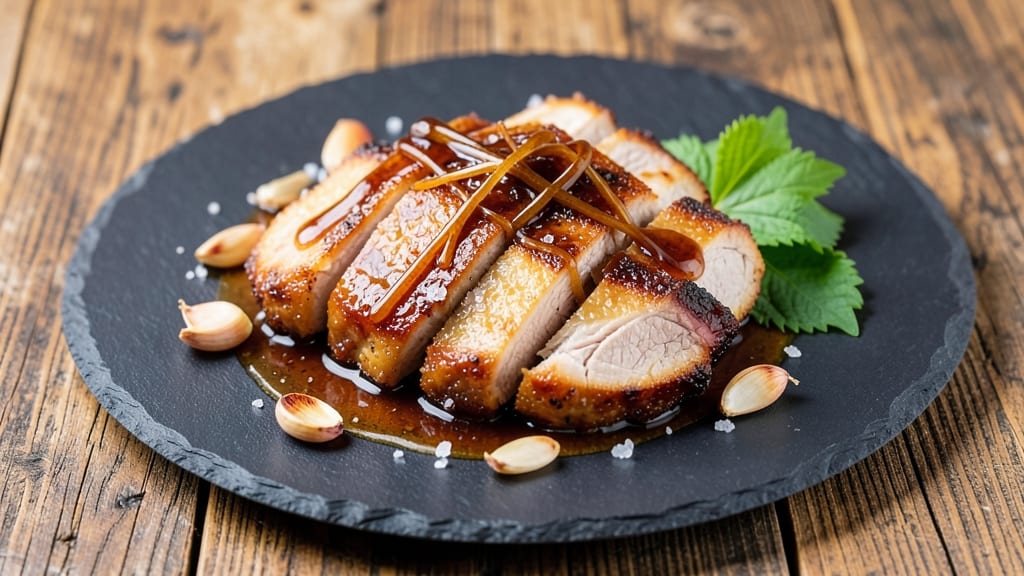
This miso shoyu pork recipe delivers restaurant-quality bites with a perfect balance of umami, saltiness, and sweetness—every forkful is sticky, caramelized, and packed with depth. 🔥 I developed this technique after years of perfecting Japanese braising methods while working in Charleston’s high-end kitchens, where precision meets bold flavors.
The secret lies in reducing the miso-shoyu glaze until it thickens into a glossy, clinging sauce that transforms simple pork into something extraordinary.
The recipe starts with tender pork cut into bite-sized pieces, marinated in a blend of white miso, soy sauce, mirin, and sugar—this combination creates the signature umami punch while keeping the meat tender.
We’ll braise it low and slow until the pork is fork-tender, then finish with a quick sear to develop a caramelized crust. The glaze reduces to a thick, syrupy consistency, coating each piece in a glossy, addictive sheen that clings perfectly.
What you’ll end up with is a dish that’s equal parts elegant and approachable—ideal for weeknight dinners or special occasions. The pork stays juicy and flavorful, while the glaze delivers that signature sticky-sweet contrast that makes it impossible to stop eating.
Serve over steamed rice for a classic pairing, or pair with roasted vegetables to balance the richness. This is pork done right: tender, flavorful, and irresistibly sticky.
For those who love traditional techniques with modern efficiency, this recipe delivers both. The braising method ensures deep flavor penetration, while the quick sear adds texture without sacrificing tenderness. Leftovers reheat beautifully, making it perfect for meal prep or feeding a crowd. Let’s get cooking!
Ingredients for miso shoyu pork
Precision-cut pork meets umami depth through Japanese braising techniques—every ingredient plays a role in that signature sticky-sweet glaze.
| Ingredient | Amount | Notes |
|---|---|---|
| Boneless Pork Shoulder 🐖 | 1 ½ lb | Cut into 1.5-inch cubes, trimmed of fat |
| White Miso Paste 🧈 | ¼ cup | High-quality, non-GMO preferred |
| Shoyu (Japanese Soy Sauce) 🍶 | ⅓ cup | Kikkoman or similar premium brand |
| Mirin 🍶 | ¼ cup | Sweet cooking wine, not sub with regular mirin substitute |
| Granulated Sugar 🍬 | 2 tbsp | Light brown sugar for deeper caramelization |
| Garlic Cloves 🧄 | 6 cloves | Minced, skin-on for maximum flavor |
| Fresh Ginger 🌿 | 2 tbsp | Finely grated, peel removed |
| Sesame Oil 🫒 | 1 tbsp | Toasted, for finishing |
| Neutral Oil 🫒 | 2 tbsp | Avocado or vegetable, high smoke point |
| Water 💧 | ½ cup | Filtered preferred for clarity |
| Diamond Crystal Kosher Salt 🧂 | 1 ½ tsp | For seasoning, not the salt in miso |
| Black Peppercorns 🌶️ | ½ tsp | Freshly cracked for aroma |
| Green Onions 🧅 | 3 whole | Thinly sliced, for garnish |
| Toasted Sesame Seeds 🌾 | 1 tbsp | For garnish, optional |
The pork choice is critical here. Boneless pork shoulder delivers the best texture—leaner cuts like tenderloin stay too firm. Trim excess fat to avoid greasy glaze. For authentic flavor, source white miso paste from specialty stores like Miso Master or Japanese markets—avoid the red miso unless specified. The shoyu should be Kikkoman or Yamasa for that balanced saltiness, while mirin must be genuine (not the cheap 'mirin substitute' from regular grocery stores). Fresh ginger and garlic are non-negotiable—they build the aromatic base that carries through the braise. If you can't find fresh ginger, substitute with 1 tbsp ground ginger, but it won't have the same impact.
No mirin? Substitute with 2 tbsp dry white wine plus 1 tbsp sugar, but the texture won't be identical. For a deeper umami punch, add 1 tsp fish sauce (omit if vegetarian). The sugar can be swapped for maple syrup or agave, though granulated brown sugar gives that signature caramelization. If you're short on time, pre-mince the garlic and ginger while you prep other ingredients—it saves 5 minutes. The sesame oil should be toasted (not the cheap, perfumey kind)—look for 'toasted sesame oil' at Asian markets. For the oil, avocado oil has the highest smoke point and won't impart flavor, while vegetable oil is a budget-friendly alternative.
This dish reheats beautifully—3-4 days in the fridge or 3 months frozen. Store in an airtight container with the glaze to keep everything moist. For meal prep, portion into individual containers with rice—it reheats perfectly in the microwave. The glaze thickens as it cools, so if it seems too thin after braising, simmer uncovered for 5 more minutes. Garnish with toasted sesame seeds and green onions right before serving—they add freshness and visual contrast to the rich, caramelized pork. If making ahead, braise and refrigerate the pork without the final sear, then sear before serving to maintain texture.
Why You'll Love This Recipe
- One-Pan Magic: I swear by this recipe—just slice the pork, toss it in a sheet pan with miso and shoyu, and let the oven do the work. No chopping, no stirring, no stress. The miso caramelizes into a glossy glaze while you’re still deciding what to drink.
- Umami Bomb: That combo of white miso and shoyu? It’s like a flavor explosion in your mouth—salty, sweet, and deeply savory all at once. The mirin cuts through the richness, leaving you with pork that’s tender enough to melt but with a crust that’ll make you lick your fingers.
- Lunchbox Hero: Between us, this is my go-to for meal prep. Shred the leftovers, toss them in rice or noodles, and you’ve got a week’s worth of lunches that taste like you actually cooked them. (Spoiler: They do.) Even my picky-eating coworker asks for seconds.
- Budget Stretch: Pork shoulder’s cheap, and a little goes a long way—this recipe feeds four for under $15, easy. The miso and shoyu add depth without breaking the bank, and the sugar? Just enough to make it feel special without costing extra. Practical, delicious, and guilt-free.
Step-by-step instructions for miso shoyu pork
Master the balance of umami and sweetness with this precise technique.
🍳 Step 1: Marinate the Pork for Maximum Flavor
In a large mixing bowl, combine the 1.5 lb boneless pork shoulder cut into 1.5-inch cubes, 0.25 cup white miso paste, 0.33 cup shoyu, 0.25 cup mirin, 2 tbsp granulated sugar, 6 cloves minced garlic, 2 tbsp finely grated ginger, 1.5 tsp kosher salt, and 0.5 tsp cracked black peppercorns. Use your hands to thoroughly coat each piece of pork in the marinade.
Transfer the marinated pork to a resealable plastic bag and refrigerate for at least 4 hours, or preferably overnight. This extended marination ensures deep flavor penetration and tender meat. The miso and shoyu will create a sticky, flavorful crust while the mirin and sugar begin caramelizing on the surface.
🔥 Step 2: Sear the Pork for Color and Texture
Remove the pork from the refrigerator and let it sit at room temperature for 30 minutes. Heat 2 tbsp neutral oil in a large skillet over medium-high heat until shimmering. Working in batches to avoid overcrowding, add the pork and sear for 3-4 minutes per side until deep golden brown with a caramelized crust.
Transfer the seared pork to a plate and set aside. The high heat creates a flavorful crust while the interior remains tender. Don't skip this step—proper searing develops the Maillard reaction, which is essential for that restaurant-quality depth of flavor.
🥘 Step 3: Simmer in the Glaze for Sticky Perfection
Return the skillet to medium heat and add 0.5 cup water. Using a wooden spoon, scrape up all the browned bits from the bottom of the pan—this releases concentrated flavor. Add the seared pork back to the skillet and bring the mixture to a gentle simmer.
Cover and cook for 15-20 minutes, stirring occasionally, until the pork is fork-tender and the sauce has thickened into a glossy glaze. You'll know it's ready when the pork easily pulls apart with gentle pressure and the sauce coats the back of a spoon. The miso and sugar combination creates that signature sticky texture we're after.
🍽️ Step 4: Finish and Garnish for Presentation
Transfer the pork to a serving platter and drizzle with any remaining sauce from the skillet. Drizzle with 1 tbsp toasted sesame oil and garnish with 3 whole green onions, thinly sliced, and 1 tbsp toasted sesame seeds. The sesame oil adds a nutty aroma while the sesame seeds provide a textural contrast to the sticky pork.
Serve immediately while the pork is still warm. The glaze should be thick enough to coat each bite with a perfect balance of umami, sweetness, and savory depth. Pair with steamed rice to soak up every last drop of that delicious sauce.
Pro Tips For Making Miso Shoyu Pork
- Sear the Pork First: Hit that pork shoulder with a screaming-hot pan—no rushing—until deep brown crust forms. I learned this the hard way: skipping the sear leaves you with mushy, flavorless meat instead of that rich, caramelized base for the miso glaze to cling to.
- Whisk Miso into Mirin: Mix the white miso paste directly into the mirin before adding shoyu—this prevents clumping and ensures a silky-smooth sauce. I used to add miso last and ended up with grainy bits that ruined the texture.
- Don’t Boil the Sauce: Simmer the miso-shoyu mixture low and slow—never let it bubble, or the miso’s umami will turn bitter. After burning two batches, I finally kept the heat at a gentle simmer and got that perfect, balanced depth of flavor.
- Use Less Sugar: Cut the granulated sugar by half—mirin already adds sweetness, and too much sugar makes the sauce cloying. I was skeptical until I tried it: the pork stayed tender, and the miso-shoyu flavors shone through without competing.
Flavor customization for this miso shoyu pork
Sweet-Savory Balance
Adjust the sugar-to-miso ratio to control sweetness. For a bolder umami punch, increase white miso to 0.3 cup while keeping sugar at 2 tbsp. Want it sweeter?
Swap 1 tbsp sugar for honey—it caramelizes differently, adding floral notes. I once used agave in a pinch, but the texture wasn’t as glossy. 🌶️
Spicy Kick Options
Add 1 tsp gochujang (Korean chili paste) for a smoky heat that pairs perfectly with miso. For a cleaner spice, mix ½ tsp red pepper flakes into the marinade. My go-to? Sichuan peppercorns—crush 2-3 into the glaze for a tingling, citrusy kick. Start small; these flavors intensify during braising.
Umami Boosters
Need more depth? Stir 1 tbsp fish sauce (vegan? Use soy sauce) into the marinade. Dried shiitake mushrooms—2 tbsp powdered—add earthy umami. I once used ½ cup mushroom broth in the glaze, and it made the sauce richer without overpowering.
For a smoky twist, add ½ tsp liquid smoke (sparingly!).
Texture Variations
For crispy edges, broil the pork for 2-3 minutes after braising. Prefer extra tenderness? Swap pork shoulder for pork belly—it renders fat beautifully but stays moist.
I’ve also used pork loin, but it’s leaner and dries out faster. Always cut meat against the grain for the best texture.
Regional Twists
For a Charleston-style version, add 1 tbsp apple cider vinegar to brighten the glaze. In Atlanta, chefs often mix in hot sauce (like Crystal or Tabasco) for a Southern heat.
My farm-raised pork benefits from a honey-mustard glaze twist—replace 1 tbsp sugar with mustard and 1 tbsp honey for a tangy-sweet balance.
Vegetarian Adaptations
Swap pork for extra-firm tofu (pressed and cubed) or mushrooms (shiitake or oyster). Marinate tofu in the same mix but bake at 375°F for 25 minutes instead of braising.
For mushrooms, sauté until golden before adding to the glaze. The umami holds up, but texture changes—expect softer bites. Garnish with pickled ginger for acidity. ✨
Nutrition facts
Frequently asked questions
Can I use regular soy sauce instead of shoyu?
While you can substitute, shoyu (Japanese soy sauce) has a deeper, more complex flavor profile with less saltiness. Regular soy sauce works in a pinch, but you'll need 1 tbsp less sugar since it's saltier. For best results, use Kikkoman or Yamasa shoyu—it makes all the difference in that signature umami depth.
How do I prevent the pork from drying out?
Keep the pork cubes 1.5 inches or smaller for even cooking, and never overcrowd the pan during searing. Braise at a gentle simmer (190-200°F) rather than boiling, and add 0.5 cup water to create steam. The miso and mirin help retain moisture, but if the pork seems dry, add 2 tbsp water during braising.
What's the best way to store leftovers?
Store in an airtight container with the glaze to keep everything moist. Leftovers stay fresh for 3-4 days in the fridge or 3 months frozen. Reheat in a skillet over medium-low heat with 1 tbsp water to restore the glossy texture. Microwaving works but may make the glaze watery—avoid it if possible.
Can I make this recipe in a slow cooker?
Yes! Sear the pork first, then transfer to a slow cooker with the marinade and 0.25 cup water. Cook on low for 5-6 hours or high for 3-4 hours until tender. The glaze will thicken naturally. For extra richness, reduce the finished sauce on the stovetop after slow cooking. The texture will be slightly softer but still delicious.
Why is my glaze too thin?
The glaze thickens as it cools, but if it's still runny after braising, simmer uncovered for 5-10 more minutes to evaporate excess liquid. For a thicker glaze, reduce the water to 0.25 cup in the recipe. If using a slow cooker, remove the lid for the last 30 minutes to concentrate the flavors. The miso and sugar should create a syrupy consistency—if not, add 1 tsp cornstarch mixed with 1 tbsp water as a last resort.