
Side Dishes
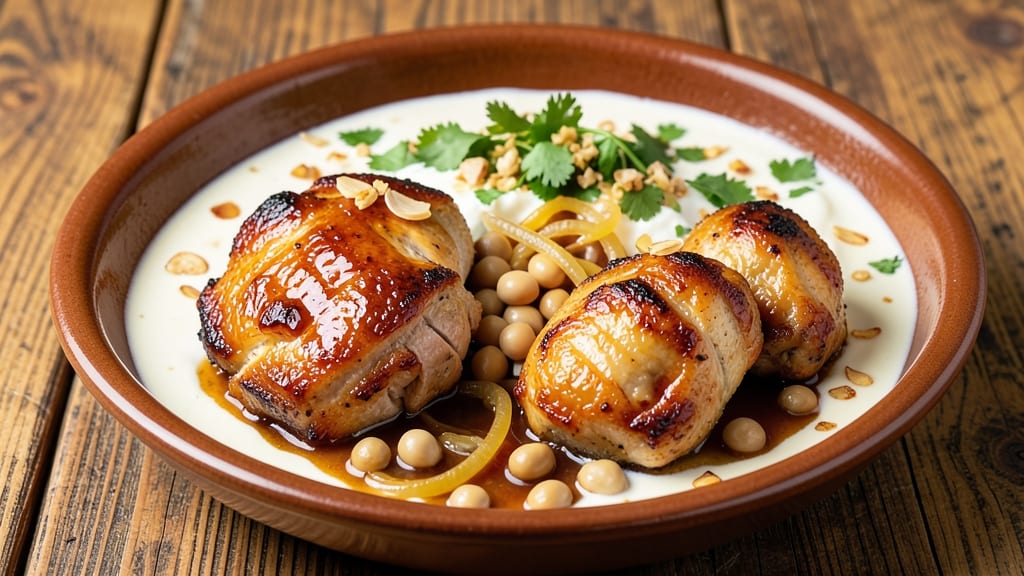
This one-pot Filipino chicken and pork with beans delivers the bold, tangy flavors of home in a single aromatic dish. 🔥 The magic happens when tender chicken and pork braise with coconut milk, soy sauce, and garlic until fall-off-the-bone tender—all while beans soak up the rich, umami-packed sauce.
I first tasted this dish in Manila, where it’s a staple for family gatherings, and now it’s my go-to weeknight comfort meal.
The beauty of this recipe lies in its simplicity: just one pot, minimal prep, and layers of flavor from traditional Filipino ingredients like soy sauce, vinegar, and ginger.
The beans—whether garbanzos or local munggo—absorb the sauce perfectly, turning this into a hearty, protein-rich meal that’s ready in under an hour. No fancy techniques, just deep, satisfying flavors that taste like a hug in a bowl.
What makes this dish special is the balance of textures—tender meat, creamy coconut milk, and slightly crispy edges from the slow cooking. The tangy kick from vinegar and the umami depth from soy sauce make every bite addictive.
Serve it over steamed rice with a side of sinigang broth or atchara pickles for the full Filipino experience.
This recipe is foolproof, whether you’re feeding a family or meal prepping for the week. The leftovers taste even better the next day, as the flavors meld and deepen. Let’s bring a taste of the Philippines to your kitchen—one-pot at a time.
Ingredients for chicken with pork and beans filipino
These Filipino pantry staples and fresh aromatics create a one-pot masterpiece.
| Ingredient | Amount | Notes |
|---|---|---|
| Boneless Chicken Thighs 🍗 | 1 ½ lb | Cut into 1-inch pieces |
| Pork Shoulder 🥓 | 1 lb | Cut into 1-inch cubes |
| Garbanzo Beans (Dried) 🌾 | 1 ½ cups | Soaked overnight or canned drained |
| Coconut Milk (Full-Fat) 🥥 | 1 can | 13.5 oz can, unsweetened |
| Yellow Onion 🧅 | 1 whole | Diced into 1/4-inch pieces |
| Garlic Cloves 🧄 | 6 cloves | Minced finely |
| Fresh Ginger 🌿 | 2 tbsp | Grated finely |
| Canned Tomato Sauce 🍅 | 1 can | 15 oz can, no salt added |
| Soy Sauce 🥄 | ⅓ cup | Filipino-style preferred |
| White Vinegar 💧 | ¼ cup | Distilled white vinegar |
| Brown Sugar 🍯 | 2 tbsp | Light or dark |
| Bay Leaves 🌿 | 2 whole | Crushed lightly |
| Ground Black Pepper 🌶️ | 1 tsp | Freshly ground |
| Salt 🧂 | 1 ½ tsp | Kosher or sea salt |
| Vegetable Oil 🫒 | 2 tbsp | For searing |
The coconut milk is non-negotiable here—full-fat canned works best (the kind with a thick creamy layer on top). Filipino brands like Goya or Thai Kitchen are easy to find at most grocery stores, but any unsweetened canned coconut milk will do. For the pork, shoulder or belly gives the best flavor and texture—ask your butcher to cut it into 1-inch cubes if they don't already. Garbanzo beans? Dried are traditional but canned (no salt added) saves time. Just drain and rinse them well. The soy sauce matters too—Filipino-style like Silver Swan has a deeper, slightly sweeter profile than regular soy sauce.
No Filipino soy sauce? Double the regular soy sauce and add 1 tsp sugar to mimic the flavor. Fresh ginger and garlic can be swapped for powdered (use half the amount), but trust me, fresh is worth the extra minute. Running short on coconut milk? Substitute with 1/2 cup coconut cream plus 1/2 cup water. The brown sugar can be swapped for white sugar, but it adds a nice caramel note. For the beans, munggo beans or kidney beans work too—just adjust cooking time. The tomato sauce adds acidity, but if you're avoiding it, 1 tbsp tomato paste works.
This dish tastes even better the next day as flavors meld—make extra for leftovers. Store in an airtight container in the fridge for 4-5 days or freeze for 3 months. I like to portion it into containers with rice so it's ready for quick lunches. The sauce thickens as it cools, so add a splash of water or coconut milk when reheating. For serving, steamed jasmine rice is classic, but I've also seen it over buttered noodles—whatever you've got!
Why You'll Love This Recipe
- I’ll be real: pork shoulder and chicken thighs are affordable, but they go a long way here. The dried beans? A total game-changer for stretching meals without sacrificing taste. Make a big batch, and you’ve got leftovers that reheat like a dream—no soggy edges, just that same rich, satisfying bite. My wallet and my freezer both thank me.
- One-Pot Magic: I swear by this recipe when I’m too tired to wash a million dishes—just brown the chicken and pork, toss in the soaked beans and coconut milk, then let it simmer. The onions caramelize right in the pot, so no extra prep, no extra cleanup. Honestly, the only thing I’m scrubbing is my conscience for not making it more often.
- Rich & Earthy: That combo of chicken thighs and pork shoulder? Chef’s kiss. The thighs stay juicy while the pork melts into tender shreds, and the garbanzo beans—soaked overnight, but worth it—add this deep, nutty backbone. Pour in that full-fat coconut milk, and suddenly you’ve got a dish that’s creamy, hearty, and packed with layers of flavor without a single drop of cream.
- Weeknight to Party: Between us, this is my go-to when I need to feed a crowd but don’t want to slave over the stove. Double the recipe, and it’s still unfussy—just more of the good stuff. My in-laws think it’s “fancy,” but it’s really just me playing it smart. (Yes, even on a Tuesday night, it’ll fool them.)
Step-by-step instructions for chicken, pork, and beans Filipino stew
Here's how to make this rich, one-pot Filipino masterpiece with tender meats and creamy coconut depth.
🍳 Step 1: Sear the Meats for Deep Flavor
Heat the 2 tablespoons vegetable oil in a large Dutch oven over medium-high heat until shimmering. Add the 1.5 lb boneless chicken thighs cut into 1-inch pieces, spreading them in a single layer. Sear for 4-5 minutes until golden brown on all sides, then remove and set aside.
In the same pot, add the 1 lb pork shoulder cut into 1-inch cubes. Sear for 5-6 minutes, stirring occasionally, until the pork develops a nice crust. You're building layers of flavor here—don't rush this step. The meat should release easily when ready to flip.
👨🍳 Step 2: Sauté the Aromatics
In the same Dutch oven (no need to wipe it clean—those browned bits are flavor gold), add the diced yellow onion. Cook for 3-4 minutes until softened and translucent. Add the minced garlic cloves and grated fresh ginger, stirring constantly for 30 seconds until fragrant.
Here's where it gets good—stir in the 1 can canned tomato sauce, 0.33 cup soy sauce, 0.25 cup white vinegar, 2 tablespoons brown sugar, 2 whole crushed bay leaves, 1 teaspoon ground black pepper, and 1.5 teaspoons salt. Give it a quick stir to combine, then let it simmer for 2 minutes until slightly thickened.
🥘 Step 3: Add Beans and Simmer
Return the seared meats to the pot and add the 1.5 cups soaked garbanzo beans (if using dried) or 1.5 cups canned drained garbanzo beans. Pour in the 1 can full-fat coconut milk and stir gently to combine. Bring everything to a gentle simmer over medium heat.
Now comes the long cook—cover the pot and reduce heat to low. Let it simmer for 45-50 minutes, stirring occasionally, until the pork is fork-tender and the beans are soft. You'll know it's ready when the pork easily pulls apart with minimal resistance, and the sauce has thickened slightly but still coats the back of a spoon.
⏰ Step 4: Finish and Rest
Once everything is tender, uncover the pot and let it simmer uncovered for another 5 minutes to allow any excess moisture to evaporate. This helps thicken the sauce just right. Taste and adjust seasoning if needed—you might want to add a pinch more salt or soy sauce to balance the flavors.
Remove from heat and let it rest for 10 minutes before serving. This resting period lets the flavors meld together perfectly. The dish will be even more flavorful after resting—don't skip this step! Serve hot with steamed rice to soak up every delicious drop of that coconut-tangy sauce.
Pro Tips For Making Chicken With Pork And Beans Filipino
- Parboil Beans First: Skip the raw chickpeas—soak them overnight, then boil for 10 minutes before adding to the stew. I learned this the hard way: unsoaked dried beans turn the sauce gummy and unevenly tender, no matter how long you simmer. This step guarantees they soften with the meat, not against it.
- Brown Pork in Batches: Pork shoulder releases fat like a firehose—don’t crowd the pan. Cook it in two rounds if needed, scraping up the browned bits each time. Those caramelized bits are the flavor foundation, and skipping this means a milder, greasier dish. (Yes, even if you’re impatient like me.)
- Simmer, Don’t Boil: Once the coconut milk hits the pot, drop the heat to a bare simmer—think tiny bubbles, not a rolling boil. High heat curdles the milk faster than you can say "sabog," and no one wants a split coconut sauce. A lid helps, but keep it slightly ajar to let steam escape.
- Use Onion Bottoms: Save those onion ends and bottoms—they’re free flavor bombs. Sauté them with the garlic at the start; their concentrated sweetness builds depth without wasting a single scrap. (Your future self will thank you when you’re staring at a sad half-onion in the fridge.)
Serving suggestions for chicken with pork and beans filipino
Rice Pairings
This dish practically begs for steamed jasmine rice, which absorbs the rich coconut-tangy sauce beautifully. I always cook 2 cups uncooked rice for 4 servings—it’s the perfect neutral base that lets the flavors shine.
For extra flair, try garlic fried rice where you quickly sauté 2 cloves minced garlic in 1 tbsp butter before adding the rice. 🍚
Side Dish Harmony
Add sinigang broth on the side for a tangy contrast—the sourness cuts through the richness perfectly. I like to serve it warm with sliced radishes and green mango. Another favorite is atchara pickles, those sweet and sour Filipino mango pickles that add a bright, refreshing bite.
For a heartier option, garlic green beans sautéed with 1 tbsp minced garlic and 1 tsp soy sauce work wonders.
Garnish Like a Pro
Fresh cilantro leaves sprinkled on top add a bright, herbaceous note that balances the richness. I also love a drizzle of calamansi juice (or sub with lime) right before serving—just 1 tbsp per bowl—for that signature Filipino citrus tang.
A pinch of toasted sesame seeds adds texture, while crushed fried shallots give a crispy finish that’s pure comfort food magic.
Beverage Pairings
A cold San Miguel beer is my go-to with this dish—the crisp, clean flavor cleanses your palate between rich bites. For something non-alcoholic, hibiscus tea (tsokolate) with its tart, fruity notes complements the coconut beautifully.
If you’re feeling fancy, a Filipino gin like Lambanog served chilled adds a herbal, slightly sweet contrast that’s perfect for sipping while you eat.
Leftovers Reinvented
Turn yesterday’s leftovers into tomorrow’s lunch by serving this over buttered noodles—just toss 8 oz cooked spaghetti with 1 tbsp butter and 1 tbsp soy sauce before adding the stew.
For a quick breakfast, I sometimes fry the leftovers with 1 egg per serving and serve it with toast—like a Filipino-style shakshuka. The sauce thickens beautifully when reheated, making it even more flavorful the second time around. 💫
Nutrition facts
Frequently asked questions
Can I use chicken breast instead of thighs?
Chicken breast works, but thighs are traditional for this dish because they stay juicier during the long simmer. If using breast, cut into 1-inch pieces and add them 10 minutes before the pork is done to prevent drying out. For best results, marinate the breast in soy sauce and vinegar for 30 minutes first to help retain moisture.
What kind of beans work best in this recipe?
Garbanzo beans (chickpeas) are classic, but you can use munggo beans (Filipino green gram) or kidney beans. For dried beans, soak overnight—1.5 cups dried equals 3 cups cooked. Canned beans work too, but drain and rinse well to avoid excess sodium. The beans should be tender but still hold their shape after cooking.
How do I make this dish extra tender?
For melt-in-your-mouth pork, start with pork shoulder or belly and cut into 1-inch cubes. The key is slow cooking—simmer uncovered for 5 extra minutes at the end to evaporate moisture and thicken the sauce. Adding 1/4 cup water at the start also helps create steam for even tenderness. A splash of coconut milk at the end adds richness.
Can I make this in a slow cooker or Instant Pot?
For a slow cooker, sear the meats first, then add everything and cook on low for 6 hours or high for 3 hours. For an Instant Pot, use the high pressure setting for 20 minutes after searing, then natural release for 10 minutes. The Instant Pot version finishes faster but may need a splash of coconut milk at the end to restore creaminess.
What if my sauce is too thin?
Simmer uncovered for 5-10 extra minutes to reduce the sauce naturally. If it's still too thin, mix 1 tablespoon cornstarch with 2 tablespoons water and stir it in, simmering for another 2 minutes until thickened. Avoid over-salting—Filipino dishes rely on balance, so taste and adjust with soy sauce or vinegar instead of salt.