
Main Courses
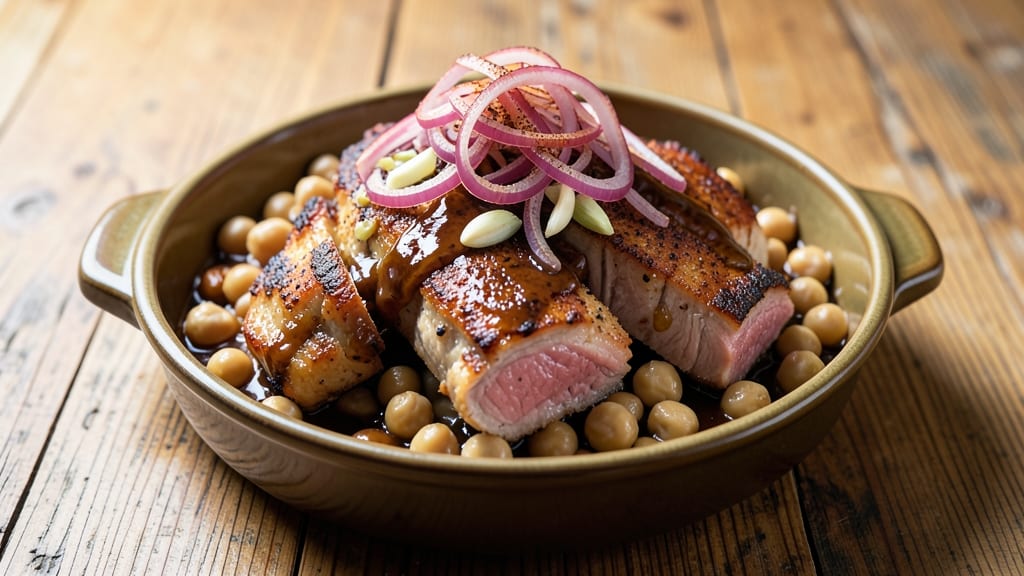
This one-pot chickpeas and pork recipe transforms humble ingredients into a restaurant-worthy meal with crispy edges and deep umami flavor—no fancy techniques required.
I developed it during a particularly busy week when I needed a dish that delivered maximum flavor with minimal cleanup, and it’s since become a staple in my kitchen.
The secret lies in balancing tender pork with perfectly textured chickpeas, all simmered in a rich, aromatic sauce that builds complexity with every passing minute.
The beauty of this recipe is its versatility—it works as a hearty weeknight dinner or a showstopping centerpiece for gatherings.
Pork shoulder, slow-cooked until fork-tender, meets chickpeas that develop a satisfying crispness from the high-heat finish, while a blend of spices and a splash of vinegar create that signature tangy depth.
This isn’t just a one-pot meal; it’s a foolproof method that ensures every bite is packed with texture and flavor, proving that simple ingredients can deliver extraordinary results when handled with care.
What makes this dish truly special is how the components come together: the pork’s richness contrasts beautifully with the chickpeas’ earthy crunch, while the sauce—infused with garlic, ginger, and a touch of smoked paprika—ties everything into a cohesive, satisfying bite.
The crispy edges on the chickpeas add an unexpected texture that keeps the dish exciting, and the aromatics wafting from the pot will have everyone gathering around the table before it’s even ready.
Serve it with crusty bread to soak up the sauce or alongside a simple green salad for balance. The leftovers, if there are any, reheat beautifully, making this the ultimate make-ahead meal for busy schedules. Let’s get cooking—this dish is about to become your new go-to for effortless, impressive dinners.
Ingredients for chickpeas and pork
These fifteen ingredients deliver restaurant-quality umami depth with minimal effort and maximum flavor.
| Ingredient | Amount | Notes |
|---|---|---|
| Pork Shoulder 🐖 | 1 ½ lb | Bone-in preferred for flavor |
| Dried Chickpeas 🌾 | 1 ½ cups | Unsoaked, high-quality brand |
| Yellow Onion 🧅 | 1 whole | Diced, medium size |
| Garlic Cloves 🧄 | 6 cloves | Freshly minced, aromatic |
| Fresh Ginger 🌿 | 1 tbsp | Finely grated, zesty |
| Smoked Paprika 🌶️ | 1 tbsp | High-quality, smoky flavor |
| Ground Cumin 🌿 | 1 tsp | Toasted for depth |
| Ground Coriander 🌿 | 1 tsp | Freshly ground preferred |
| Apple Cider Vinegar 🍎 | 2 tbsp | Bragg preferred for tang |
| Vegetable Oil 🫒 | 2 tbsp | High smoke point |
| Chicken Broth 💧 | 1 ½ cups | Low-sodium preferred |
| Salt 🧂 | 1 ½ tsp | Diamond Crystal preferred |
| Black Pepper 🌶️ | ½ tsp | Freshly cracked |
| Fresh Cilantro 🌿 | ¼ cup | Chopped, for garnish |
| Lemon Juice 🍋 | 1 tbsp | Freshly squeezed |
The pork shoulder is the foundation—bone-in cuts deliver richer flavor than boneless, and the connective tissue breaks down beautifully during slow cooking. For best results, source from a reputable butcher or Costco, where you can find well-marbled cuts. If using pre-cut pork, look for thick slices (about 1-inch) to ensure even cooking. The chickpeas should be high-quality dried—brands like Great Northern or Beluga hold up best during long cooking. Fresh ginger and garlic are non-negotiable here; organic produce from the grocery store's fresh section ensures maximum aromatic potential. Smoked paprika is the secret to that signature depth—Penzeys brand offers the most authentic smoky flavor, but any high-quality smoked variety works.
No pork shoulder? Pork tenderloin works in a pinch, though it’ll be leaner and require shorter cooking. Substituting dried chickpeas? Canned chickpeas (rinsed and drained) cut cooking time by half, but they lack the crispy texture—roast them separately at 400°F for 20 minutes to compensate. Fresh ginger unavailable? Ground ginger at half the amount works, but the flavor will be less vibrant. The apple cider vinegar adds that signature tang—substitute white vinegar if needed, though the flavor profile shifts slightly. For the spices, toasted cumin and coriander elevate the dish, but if you’re short on time, pre-ground spices from Spicewalla or your local bulk bin will suffice. The vegetable oil should have a high smoke point—avocado or grapeseed oil are ideal for crisping the chickpeas.
This dish tastes even better the next day—reheat gently with a splash of broth to restore moisture. Store in an airtight container in the fridge for up to 5 days or freeze for 3 months. For crispy chickpeas, roast them separately before adding to the pot—400°F for 20-25 minutes until golden. The pork shoulder can be prepped ahead: season and refrigerate overnight for deeper flavor penetration. Garnish with fresh cilantro and lemon juice just before serving to brighten the dish. Leftovers reheat beautifully—add a splash of broth to prevent drying out.
Why You'll Love This Recipe
- One-Pot Magic: I swear by this when I’m too tired to wash dishes. Toss everything—pork shoulder, chickpeas, onions, garlic, and ginger—into one pot and let it simmer. No chopping boards to clear, no pans to scrub. Just rich, sticky goodness with zero fuss.
- Ginger-Pork Crunch: That first bite? The pork’s tender but still holds its shape, while the ginger adds a zing that cuts through the meat’s richness. Honestly, the dried chickpeas soak up all the flavor like little flavor sponges—no mushy texture, just perfect texture every time.
- Lunchbox Hero: Between us, this is my secret weapon for meal prep. The flavors deepen overnight, so it’s even better the next day. Pack it in containers for work lunches or school lunches—kids included—and watch it disappear. (Yes, even on a Tuesday night.)
- Budget Booster: Pork shoulder is cheap, chickpeas last forever, and you’re not using fancy ingredients. I’ll be real: it’s not the prettiest dish, but the taste makes up for it every time. Plus, leftovers? They’re my new favorite thing.
Step-by-step instructions for one-pot umami chickpeas and pork
This method delivers deep umami flavor with crispy pork edges using just one pot—no complicated techniques, just precise timing and layering.
Sear the Pork Shoulder for Maximum Flavor
Heat a large, heavy-bottomed pot over medium-high heat and add the 2 tablespoons vegetable oil. Once the oil shimmers, carefully add the 1.5 lb pork shoulder, working in batches if needed to avoid crowding. Let it sear undisturbed for 4-5 minutes per side until it develops a deep golden-brown crust.
This initial sear creates the Maillard reaction that builds the rich, caramelized flavors we want in every bite. I press down gently on the pork during the first minute to prevent curling, which ensures even contact with the hot oil. Once browned, transfer the pork to a plate and set aside temporarily.
Build the Umami Base with Aromatics
In the same pot, reduce the heat to medium and add the diced yellow onion. Cook for 5-6 minutes until softened and translucent, stirring occasionally to prevent burning. Add the 6 cloves minced garlic cloves and 1 tablespoon finely grated fresh ginger, cooking for another 1 minute until fragrant.
Here's where the umami foundation begins. The onions should caramelize slightly at the edges—this adds sweetness that balances the savory depth. Don't rush this step; the aromatic compounds need time to develop. I like to use a wooden spoon to scrape up any browned bits from the bottom of the pot, as these contain concentrated flavor.
Develop the Spice Blend and Add Chickpeas
Stir in the 1 tablespoon smoked paprika, 1 teaspoon ground cumin, and 1 teaspoon ground coriander, cooking for 30 seconds until the spices are toasted and aromatic. Add the 1.5 cups dried chickpeas, giving everything a good stir to coat the chickpeas in the spice mixture.
The spices should smell earthy and slightly smoky—this is your quality check. The chickpeas will absorb these flavors during the cooking process. I like to add a splash of the 2 tablespoons apple cider vinegar at this stage to brighten the spices and prevent any potential bitterness from developing later.
Braise for Tender Pork and Infused Chickpeas
Pour in the 1.5 cups chicken broth and bring the mixture to a gentle simmer. Return the pork shoulder to the pot, fat-side up, then cover with a tight-fitting lid. Reduce the heat to low and let it braise for 2 hours, checking occasionally to ensure there's enough liquid (add a splash of water if needed).
This long, slow cook time transforms the tough pork shoulder into tender, pull-apart meat while allowing the chickpeas to soften and absorb all the surrounding flavors. The pork should be fork-tender at this stage, with the internal temperature reaching 195-200°F. If the liquid reduces too much, add ¼ cup water to maintain moisture.
Finish with Crispy Edges and Fresh Garnishes
Remove the pork shoulder from the pot and let it rest on a cutting board for 10 minutes. Increase the heat under the chickpea mixture to medium-high and let it reduce for 5-7 minutes until slightly thickened. Stir in the 1.5 teaspoons salt and 0.5 teaspoon black pepper, then add the 1 tablespoon lemon juice to brighten the flavors.
While the sauce reduces, slice the pork shoulder against the grain into ¼-inch thick slices. Return the pork to the pot and toss gently to coat in the sauce. Garnish with the 0.25 cup chopped fresh cilantro just before serving. The result should be tender pork with crispy edges, chickpeas infused with smoky depth, and a sauce that clings beautifully to every bite.
Pro Tips For Making Chickpeas And Pork
- CRACK THE CHICKPEAS FIRST: Soak dried chickpeas overnight in plenty of water with a pinch of baking soda—this cuts cooking time by half and keeps them from splitting into mush. I learned this the hard way after ending up with a pot of gluey chickpeas that ruined the texture.
- SEAR THE PORK IN BATCHES: Don’t crowd the pan—sear the pork shoulder in 2-inch chunks over medium-high heat until deep brown, then move them to a plate. Cooking them in layers guarantees a crispy crust instead of steaming them into blandness.
- GINGER: GRATE, DON’T CHOP: Fresh ginger loses its punch when chopped—grate it fine and let it sit in the oil for 30 seconds before adding other aromatics. This releases its heat and aroma, which makes a real difference in balancing the richness of the pork.
- LOW AND SLOW IS NON-NEGOTIABLE: After browning, cover the pork with liquid and simmer at 300°F (150°C) for 2–3 hours until fork-tender. Skipping this step leaves the meat tough, and no amount of sauce can fix it. Trust the process—your future self will thank you.
Flavor customization for this chickpeas and pork
Spice Level Boost
For a fiery kick, add ½ teaspoon cayenne pepper when toasting the spices or sprinkle 1 teaspoon chili flakes directly over the finished dish. I like to serve it with cooling raita—mix ½ cup plain yogurt with 1 diced cucumber and 1 tbsp mint—to balance the heat.
This works especially well for spicy heat lovers who want that smoky depth with a punch. 🌶️
Citrus Brightness
Swap the lemon juice for orange juice or add 1 tbsp lime juice at the end for a tropical twist. I’ve found that 1 tbsp freshly grated orange zest tossed into the final sauce adds a vibrant, citrusy aroma that pairs beautifully with the smoky pork.
This variation is perfect for spring or summer dinners when you want a lighter, brighter profile.
Herb Variations
Replace cilantro with fresh parsley for a more Mediterranean vibe or add 1 tbsp chopped dill for a fresh, herbal note. For a Southeast Asian-inspired dish, stir in 1 tbsp fish sauce and garnish with thinly sliced Thai basil.
I’ve also experimented with fresh rosemary—sprinkle 1 tsp chopped rosemary during the braising for an earthy, woodsy flavor that complements the pork beautifully.
Sweet-Savory Balance
Add 1 tbsp honey or 1 tbsp maple syrup during the final reduction to create a caramelized glaze that clings to the pork and chickpeas. This works especially well with the apple cider vinegar, creating a sweet-tangy contrast.
For a deeper sweetness, try 1 tbsp date syrup—it adds a rich, molasses-like depth that pairs wonderfully with the smoky spices.
Global Fusion Twists
For a Moroccan-inspired version, add 1 tsp ground cinnamon and ½ tsp ground turmeric when toasting the spices. Finish with toasted almonds for crunch. If you’re craving a Mexican-inspired dish, swap the smoked paprika for 1 tbsp chipotle powder and garnish with avocado slices and lime wedges.
These variations keep the dish exciting while staying true to the one-pot concept.
Extra Crispy Chickpeas
For maximum crunch, roast the chickpeas separately before adding them to the pot: toss 1.5 cups dried chickpeas with 1 tbsp olive oil, ½ tsp smoked paprika, and ½ tsp salt, then roast at 400°F for 20-25 minutes until golden.
This step ensures they stay crispy even after simmering. I love this technique for adding texture contrast—it’s a game-changer for those who enjoy a mix of soft and crunchy elements. ✨
Nutrition facts
Frequently asked questions
Why use dried chickpeas instead of canned?
Dried chickpeas develop a richer texture and absorb flavors more deeply during the long braising process. When cooked properly, they create that satisfying crispy edge that canned chickpeas simply can't match. Plus, they're more cost-effective and have a longer shelf life. If you're short on time, you can use canned chickpeas—but roast them separately at 400°F for 20 minutes first to achieve a similar texture.
Can I substitute pork shoulder with another cut?
For best results, stick with pork shoulder as it has the right fat-to-meat ratio for braising. However, you can use pork tenderloin (cook for 30-40 minutes instead of 2 hours) or pork ribs (remove meat from bones after cooking). Never use ground pork—the texture will be too fine and won't hold up in this dish. The key is finding a cut with some fat content to keep the meat moist during cooking.
How do I know when the pork is done?
The pork shoulder is fully cooked when it reaches an internal temperature of 195-200°F and is fork-tender. For a more traditional method, check by piercing the thickest part with a fork—if it slides in easily and the juices run clear (not pink), it's ready. The 2-hour braising time should achieve this, but always verify with a meat thermometer for perfect results every time.
What if my sauce reduces too much?
This is actually ideal for flavor concentration! If you prefer a looser sauce, simply add ¼ cup water or broth during the final 5-7 minutes of reduction. The dish will still taste delicious—just adjust to your preferred consistency. Remember, the sauce should coat the ingredients but not be watery. For extra richness, stir in 1 tbsp butter at the end for a velvety finish.
Can I make this dish ahead of time?
This recipe actually tastes better the next day as the flavors meld together. Store in an airtight container in the fridge for up to 5 days or freeze for 3 months. When reheating, add a splash of broth to restore moisture. The pork will be even more tender, and the chickpeas will maintain their texture perfectly. This makes it an excellent make-ahead meal for busy weeknights!