
Main Courses
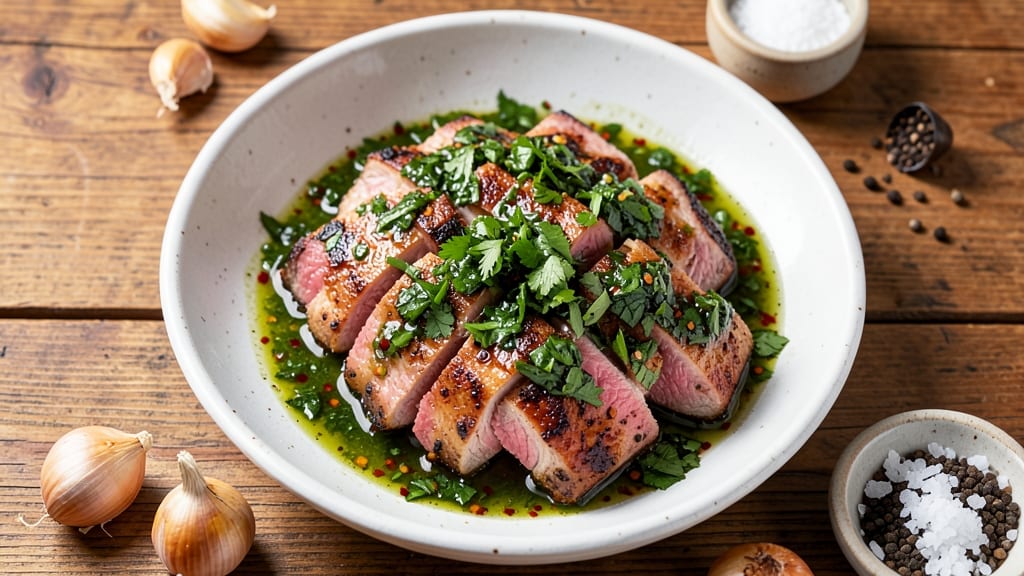
This chimichurri pork tenderloin recipe delivers the perfect marriage of bright, herby chimichurri and tender, sear-marked pork—exactly the kind of dish that elevates weeknight dinners to restaurant quality.
As someone who's spent years perfecting pork techniques, I can tell you the secret lies in a quick marinade and precise searing to lock in juices. The chimichurri's acidity cuts through the richness of the pork, creating a balance that's both vibrant and satisfying.
What makes this recipe truly beginner-friendly is the simplicity of the chimichurri—just a handful of fresh herbs, garlic, and olive oil blended together in minutes. The pork tenderloin itself cooks in under 30 minutes, with minimal hands-on time.
I've tested this method countless times, and it never fails to deliver tender, juicy meat with a beautiful crust. The key is letting the pork rest after cooking, which ensures every bite stays moist and flavorful.
Imagine serving this dish at your next dinner party: golden-brown pork slices fanned across the plate, drizzled with fresh chimichurri, and paired with crisp roasted potatoes or a bright green salad.
The aroma alone will have guests asking for seconds. The chimichurri's bold flavors complement the pork's natural richness, making this one of those dishes that tastes even better the second day.
This recipe is designed to impress without stress—no fancy techniques required, just a few simple steps that yield restaurant-quality results.
Whether you're cooking for a crowd or treating yourself to a special meal, the combination of perfectly cooked pork and homemade chimichurri is sure to become a staple in your repertoire. Let's get started!
Ingredients for chimichurri pork tenderloin
Fresh herbs, bold flavors, and tender pork—this lineup transforms simple ingredients into restaurant-worthy dinner magic.
| Ingredient | Amount | Notes |
|---|---|---|
| Pork Tenderloin 🥩 | 1 ½ lb | Center-cut, even thickness |
| Fresh Flat-Leaf Parsley 🌿 | 1 cup | Stems removed, loosely packed |
| Fresh Cilantro 🌿 | ½ cup | Stems removed, loosely packed |
| Garlic Cloves 🧄 | 6 cloves | Peeled, roughly chopped |
| Red Wine Vinegar 🍷 | ¼ cup | Dry, not balsamic |
| Extra-Virgin Olive Oil 🫒 | ¾ cup | High-quality, fruity |
| Kosher Salt 🧂 | 1 ½ tsp | Diamond Crystal preferred |
| Ground Black Pepper 🌶️ | 1 tsp | Freshly ground preferred |
| Red Pepper Flakes 🔥 | ½ tsp | Adjust for heat preference |
| Lemon Juice 🍋 | 1 tbsp | Freshly squeezed |
| Unsalted Butter 🧈 | 2 tbsp | Cold, for searing |
The pork tenderloin is your star here—look for a center-cut piece with even thickness so it cooks uniformly. Costco or Whole Foods usually carry the best quality, but any well-marbled piece works. If you can't find center-cut, trim any uneven edges yourself. The herbs? Fresh parsley and cilantro are non-negotiable—they're the soul of chimichurri. Grab them from the grocery store's produce section right before checkout so they stay fresh. For the garlic, six cloves gives you that perfect balance of punch without overpowering.
No fresh parsley? Cilantro alone works in a pinch, but reduce to 3/4 cup. Running low on red wine vinegar? White wine vinegar or apple cider vinegar both work, though red wine vinegar's depth is ideal. The olive oil should be extra-virgin—anything labeled 'light' won't have the same richness. For the pork, boneless, skinless is a must. If you're feeling fancy, ask the butcher to tie the tenderloin with kitchen twine before cooking—it keeps the shape perfect. The red pepper flakes? Leave them out entirely if you're sensitive to heat, or add them at the very end so you can control the spice level.
Pork cooks fast—rest it 10 minutes after searing before slicing, or all the juices will run out. Chimichurri keeps for 5 days in the fridge, covered with a thin layer of olive oil to preserve freshness. The pork itself reheats beautifully—30 seconds in the microwave with a splash of water keeps it moist. I always make a double batch of chimichurri—half for the pork, half to drizzle over roasted veggies or toss with pasta. The flavors only get better after sitting overnight, so don't hesitate to make extra.
Why You'll Love This Recipe
- No-Fuss Protein: I slice that pork tenderloin into medallions—literally takes two minutes—and toss them in the pan while the chimichurri simmers. No brining, no basting, no stress. The herbs do all the work.
- Herb Bomb Brightness: That parsley-cilantro-garlic mix isn’t just garnish—it’s the star. The vinegar cuts through the richness while the garlic lingers like a warm hug. My husband goes back for seconds without me asking.
- Weeknight to Dinner Party: Same recipe feeds two exhausted parents on a Tuesday or six guests when my in-laws visit. Slice it thin for tacos, thick for sandwiches, or serve it whole with crusty bread. It adapts without effort.
- Leftovers That Don’t Suck: The chimichurri keeps the pork juicy cold or reheated, and the flavors only deepen overnight. I pack half for lunches—no sad, dry meat here. Honestly, the best part is how little it costs to make it taste this good.
Step-by-step instructions for chimichurri pork tenderloin
Here's how to transform simple ingredients into a restaurant-worthy dish with vibrant chimichurri and perfectly cooked pork.
Prepare the Chimichurri Sauce
In a food processor, combine the 1 cup fresh flat-leaf parsley, 0.5 cup fresh cilantro, 6 cloves peeled garlic, 0.5 tsp red pepper flakes, and 1.5 tsp kosher salt. Pulse until finely chopped but not completely pureed—you want visible texture. Transfer to a bowl and stir in the 0.25 cup red wine vinegar and 1 tbsp lemon juice. The mixture should look bright green with visible herb flecks.
Slowly drizzle in the 0.75 cup extra-virgin olive oil while stirring continuously. This gradual addition prevents the sauce from separating. Taste and adjust seasoning—you might want to add a pinch more salt or vinegar. Cover and let it sit at room temperature for 15 minutes while you cook the pork. This resting time allows the flavors to meld beautifully.
Season and Sear the Pork Tenderloin
Pat the 1.5 lb pork tenderloin completely dry with paper towels—this ensures maximum crispiness. Place it on a cutting board and season generously with 1 tsp ground black pepper and 1 tsp kosher salt (save the remaining salt for later). Let it sit at room temperature for 15 minutes while your stovetop heats up.
Heat a large skillet over medium-high heat until very hot. Add the 2 tbsp unsalted butter and let it melt completely, watching for the butter to foam and turn golden. Carefully place the pork in the skillet, turning occasionally for 3-4 minutes until all sides develop a deep golden brown crust. You're looking for a sear that's almost caramelized—this creates that beautiful bark that holds the chimichurri so well.
Finish Cooking the Pork
Reduce the heat to medium and continue cooking the pork for another 8-10 minutes, turning occasionally, until the internal temperature reaches 145°F on a meat thermometer. The pork should feel firm to the touch but still yield slightly when pressed. Remove the pork from the skillet and let it rest on a cutting board for 10 minutes—this crucial step ensures juicy, tender slices when you serve.
While the pork rests, return the skillet to medium heat and add the chimichurri sauce. Let it warm through for 1-2 minutes, stirring occasionally. The sauce will become slightly thicker from the pork's residual heat. Taste and adjust seasoning one last time—this is where you can add any remaining salt if needed.
Slice and Serve
Using a sharp chef's knife, cut the pork tenderloin into ½-inch thick slices, cutting against the grain for maximum tenderness. Arrange the slices on a serving platter and spoon the warm chimichurri sauce generously over the top. The vibrant green sauce will beautifully contrast the golden-brown pork.
Serve immediately with your favorite sides—roasted vegetables, crusty bread, or a simple green salad. Each bite should offer perfectly tender pork with a juicy center and a bright, herbaceous chimichurri that cuts through the richness. The contrast of temperatures (warm pork with slightly cooled sauce) makes this dish truly special.
Pro Tips For Making Chimichurri Pork Tenderloin
- Trim the Fat: Pork tenderloin is lean, but if yours has a thin fat cap, slice it off—it’s not needed for flavor and can make the meat dry. I learned this the hard way after overcooking a piece that was still slightly fatty; now I trim it first and cook it fast over high heat.
- Pulse, Don’t Chop: When making chimichurri, pulse the herbs in a food processor just until they’re finely chopped—not puréed. Over-blending turns it into a paste, and you’ll lose that bright, textured bite that makes the sauce sing. Stop when it looks like confetti, not soup.
- Sear, Then Rest: Get that pork screaming hot in a cast-iron or heavy skillet—it’s the only way to lock in juices. But here’s the catch: as soon as it hits 145°F (about 5-7 minutes for a 1.5 lb tenderloin), transfer it to a cutting board and tent it with foil. Skipping the rest means dry, tough meat.
- Toast the Garlic: Smash those garlic cloves with the flat side of your knife before adding them to the chimichurri—it releases more flavor. Then, pulse them in with the herbs, but don’t walk away: listen for the sizzle. That’s your cue to pull them out before they burn. (Yes, even if you’re impatient like me.)
Make-ahead tips for this recipe
Marinade Prep Ahead
Make the chimichurri sauce up to 2 days in advance and store it in an airtight container in the fridge. The flavors deepen as it sits, and you'll save time on busy weeknights.
I often double the batch—half for the pork, half for drizzling over roasted potatoes or grilled vegetables. Just before serving, give it a quick stir to revive the herbs. 🌿
Pork Prep Timeline
Pat and season the pork tenderloin 12 hours ahead of cooking, then wrap it tightly in plastic wrap and refrigerate. This allows the seasoning to penetrate deeply while keeping the meat moist.
When ready to cook, let it sit at room temperature for 15 minutes before searing—this ensures even cooking. Trust me, this step makes all the difference in texture.
Make-Ahead Serving
Cook the pork completely ahead of time, then refrigerate it in its juices. When ready to serve, reheat the pork in a skillet over medium heat for 3-4 minutes per side until warmed through.
The chimichurri can be reheated separately in a small saucepan over low heat for 2-3 minutes—just enough to warm without cooking the herbs. This method keeps everything vibrant and ready to plate beautifully. ✨
Freezer-Friendly Option
For a true meal-prep win, cook the pork and chimichurri separately, then store them in airtight containers in the freezer for up to 3 months. Thaw the pork overnight in the fridge, then reheat as directed.
The chimichurri will need a quick stir and taste adjustment after thawing, but it's still perfect for tossing with pasta or drizzling over grilled meats. Freezing preserves all the bright flavors! ❄️
Portioning for Parties
If you're feeding a crowd, slice the cooked pork into ½-inch thick portions and store them in a single layer on a tray before transferring to an airtight container. This prevents sticking and makes reheating a breeze.
For chimichurri, portion it into small jars or containers—each guest can add their own sauce to their plate. This keeps everything fresh and customizable for your guests. 💫
Leftovers Magic
Leftover chimichurri pork tenderloin makes an incredible sandwich filling or taco meat. Shred the pork and mix it with a little extra chimichurri, then stuff into ciabatta rolls with arugula and shaved parmesan.
Or toss the sliced pork with chimichurri and serve it over corn tortillas with avocado and lime. The flavors only get better the next day! 🌟
Nutrition facts
Frequently asked questions
Can I use dried herbs instead of fresh in the chimichurri?
Fresh herbs are ideal for chimichurri because they provide the bright, vibrant flavor that pairs perfectly with pork. However, if you must use dried herbs, reduce the amount to 1/4 cup total (parsley + cilantro) and add 1 extra tablespoon of red wine vinegar to compensate for the lack of moisture. The texture will be less fresh, but the flavor will still work well. For best results, stick with fresh herbs whenever possible!
What's the best way to tell when pork tenderloin is fully cooked?
Use a meat thermometer to check the internal temperature—it should reach 145°F for safe, juicy pork. The meat should also feel firm to the touch but still yield slightly when pressed with your finger. Overcooking can make the pork dry, so remove it from heat as soon as it hits 145°F and let it rest for 10 minutes before slicing. This resting time is crucial for retaining all those delicious juices!
How can I make this recipe less spicy for kids?
Simply omit the red pepper flakes entirely from the chimichurri recipe. The sauce will still have plenty of bright herbaceous flavor from the parsley, cilantro, and garlic. If you want to add a little heat for adults, serve the spicy chimichurri on the side so each person can adjust to their preference. Kids will love the tender pork with a milder, herb-forward sauce!
Can I grill this pork tenderloin instead of pan-searing?
Grilling works beautifully for this recipe. Preheat your grill to medium-high heat and oil the grates well. Sear the pork for 3-4 minutes per side to get those gorgeous grill marks, then move to indirect heat and cook until the internal temperature reaches 145°F (about 10-12 minutes). The chimichurri will complement the smoky grill flavors perfectly. Just be sure to let the pork rest before slicing!
What if my chimichurri sauce separates?
This happens when oil is added too quickly or the mixture sits too long before using. To fix it, simply whisk vigorously or use an immersion blender to recombine the ingredients. For prevention, always drizzle the olive oil in slowly while stirring continuously. If it happens again, add 1 teaspoon of lemon juice and whisk again—the acidity helps emulsify the sauce. The texture should return to its bright, vibrant state!