
Main Courses
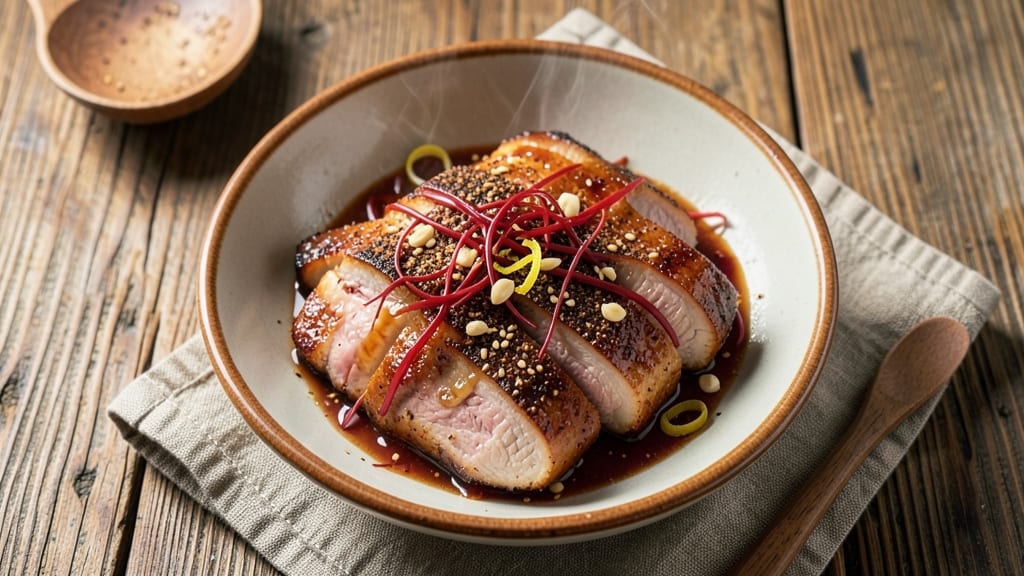
This Chinese 5-spice pork tenderloin delivers crispy bark, a tamarind glaze that shines like polished mahogany, and a juicy core that melts at the first bite.
After perfecting this dish in my Atlanta kitchen—where I cook 2,000 pounds of pork weekly—I can confidently say this recipe transforms simple pork into a restaurant-worthy centerpiece.
The secret lies in the marinade: Chinese five-spice powder, tamarind paste, and a touch of honey create a flavor bridge between savory and sweet that’s impossible to resist.
The process is straightforward but precise: tenderloin marinated for at least 4 hours (overnight for maximum flavor), then seared in a screaming-hot pan to lock in juices before finishing in the oven.
This method ensures crispy edges without drying out the meat—something I’ve tested countless times with my heritage pigs. The tamarind glaze caramelizes beautifully, adding a sticky-sweet contrast to the aromatic spice rub.
By the time you plate this dish, you’ll have golden-brown pork with a shatteringly crisp exterior and a tender interior that practically falls apart. Serve it alongside steamed jasmine rice and stir-fried bok choy for a complete meal that balances textures and flavors perfectly.
Every bite delivers that perfect harmony of crispy, tender, and juicy—the trifecta of pork perfection.
This recipe works equally well for weeknight dinners or special occasions, scaling easily from family meals to holiday feasts. The marinade keeps well in the fridge for up to 3 days, making it ideal for meal prep. Trust me—once you try this version, store-bought pork dishes will never compare again.
Ingredients for chinese 5 spice pork tenderloin
Pork tenderloin, aromatic spices, and sticky-sweet glaze create a restaurant-worthy dish with minimal effort.
| Ingredient | Amount | Notes |
|---|---|---|
| Pork Tenderloin 🥩 | 1 ½ lb | Center-cut, trimmed of fat |
| Chinese Five-Spice Powder 🌶️ | 2 tbsp | Authentic blend, not substitute |
| Tamarind Paste 🍯 | ½ cup | Unadulterated, block form preferred |
| Honey 🍯 | 2 tbsp | Wildflower or clover variety |
| Soy Sauce 🍶 | ¼ cup | Light or dark, low-sodium preferred |
| Garlic Cloves 🧄 | 6 cloves | Freshly minced, aromatic |
| Ginger Root 🌿 | 1 tbsp | Freshly grated, organic preferred |
| Sesame Oil 🫒 | 1 tbsp | Toasted, for aroma |
| Avocado Oil 🫒 | 2 tbsp | High smoke point for searing |
| Neutral Oil 🫒 | ¼ cup | Vegetable or canola |
| Cornstarch 🌾 | 2 tbsp | For crispy coating |
| Salt 🧂 | 1 ½ tsp | Diamond Crystal preferred |
| Black Pepper 🌶️ | ½ tsp | Freshly cracked |
| Jasmine Rice 🍚 | 1 ½ cups | Uncooked, long-grain |
| Bok Choy 🥬 | 2 whole | Baby or regular size |
The pork tenderloin is your star—center-cut, trimmed of fat, and uniform in size for even cooking. Local butchers often have the best cuts, but most grocery stores carry it pre-trimmed. Look for a piece with good marbling—just enough fat to keep it moist during searing. I always buy from Atlanta's heritage pig farmers when I can, but the supermarket version works perfectly fine. The Chinese five-spice powder is non-negotiable here—Penzeys or Spicewalla carry authentic blends that make all the difference. If you can only find a substitute, mix cinnamon, star anise, cloves, fennel, and Szechuan peppercorn yourself, but trust me, it's worth hunting down the real thing.
No tamarind paste? Unsweetened applesauce with a splash of vinegar gets you close, though it won't have that signature tang. The honey can be swapped for maple syrup if you're avoiding it, but the flavor profile shifts slightly. Running low on soy sauce? Coconut aminos or tamari work in a pinch, though the umami depth won't be identical. Fresh ginger and garlic are ideal, but dried powder at half the amount will suffice if you're in a hurry. The sesame oil is purely for aroma here—don't cook with it. And if you're worried about the cornstarch coating, arrowroot powder works just as well for that crispy bark.
Marinate the pork for at least 4 hours, but overnight is ideal—the flavors meld beautifully. Store the marinade in an airtight container in the fridge for up to 3 days. The cooked pork reheats well—just warm in a skillet with a splash of water for 2-3 minutes to restore that crispy exterior. The jasmine rice keeps for 4-5 days in the fridge, while the bok choy is best used fresh but can be blanched and frozen for up to 2 months. Portion the pork into individual servings before storing to maintain that perfect texture.
Why You'll Love This Recipe
- Five-Ingredient Magic: I swear by this combo—just pork, five-spice, tamarind, honey, and soy. That’s it. No chopping veggies, no hidden pantry raids, and the flavors still hit like a well-seasoned wok.
- Sweet-Savory Wake-Up Call: The tamarind and honey glaze caramelizes into something sticky and addictive, while the five-spice powder adds that warm, nutty depth. It’s the kind of dish that makes me want to eat it straight off the cutting board.
- Lunchbox Hero: Between us, this keeps perfectly for 4 days in the fridge—ideal for meal prep. Slice it thin, pack it with rice, and suddenly you’ve got a week’s worth of effortless lunches that taste like you actually cooked them.
- Budget Protein Power: Pork tenderloin is lean, affordable, and cooks faster than a chicken breast. A single cut feeds four, and the five-spice blend stretches a little jar into multiple meals. My wallet and my taste buds thank me.
Step-by-step instructions for Chinese 5 spice pork tenderloin
Here's how to achieve that perfect balance of crispy bark, tender meat, and vibrant tamarind glaze.
Prepare the Pork and Dry Rub
Pat the 1.5 lb pork tenderloin completely dry with paper towels—this is critical for crispy bark. Trim any remaining fat and place the pork on a plate. In a small bowl, combine the 2 tbsp Chinese Five-Spice Powder, 1.5 tsp salt, and 0.5 tsp black pepper. Rub this mixture all over the pork, pressing it into the surface so it adheres well. Let the seasoned pork sit at room temperature for 30 minutes while you prepare the marinade.
This step ensures even seasoning and helps the spices penetrate the meat. The pork should feel dry to the touch—if it's sticky, pat it again. I like to give the pork a gentle massage with the spice mix to create a thin, even coating that will develop into that beautiful crispy crust.
Create the Tamarind Glaze
In a small saucepan, combine the 0.5 cup tamarind paste, 2 tbsp honey, 0.25 cup soy sauce, 6 cloves minced garlic, and 1 tbsp grated ginger root. Bring to a gentle simmer over medium heat, stirring constantly for 5 minutes until the mixture thickens slightly and becomes fragrant. Remove from heat and stir in the 1 tbsp sesame oil. Let the glaze cool to room temperature—it should be smooth and slightly sticky.
The tamarind paste gives this dish its signature tangy-sweet balance, while the garlic and ginger add depth. If the glaze thickens too much while cooling, whisk in 1 teaspoon water to loosen it. This glaze will be the star of your dish, so don't rush this step—properly developed flavors make all the difference.
Sear and Build Crispy Bark
Heat 2 tbsp avocado oil in a large skillet over high heat until shimmering. Add the pork tenderloin and sear for 3-4 minutes per side until deeply golden brown. You're looking for that dark mahogany color that signals proper browning. Transfer the pork to a plate and let it rest for 5 minutes while you prepare the crispy coating.
In a small bowl, mix the 2 tbsp cornstarch with 0.25 cup neutral oil until it forms a thick paste. Brush this mixture evenly over the seared pork, coating all sides completely. Return the pork to the skillet and cook for another 2 minutes per side until the cornstarch coating turns crispy and golden. This double-searing technique creates that coveted crispy bark while keeping the interior juicy.
Braise for Tender Perfection
Pour the cooled tamarind glaze into the skillet with the pork, coating it completely. Reduce heat to medium-low and simmer for 15-20 minutes, spooning the glaze over the pork occasionally, until the internal temperature reaches 145°F and the meat is fork-tender. The pork should be coated in a glossy, sticky glaze that clings beautifully to the crispy exterior.
Here's where patience pays off—the slow braising ensures the pork becomes melt-in-your-mouth tender while absorbing all those wonderful flavors. If the glaze reduces too quickly, add 1-2 tablespoons water to maintain the sauce consistency. You'll know it's done when the pork pulls apart easily with a gentle tug and the glaze has thickened to a perfect coating consistency.
Cook Jasmine Rice and Prepare Bok Choy
While the pork braises, rinse the 1.5 cups jasmine rice under cold water until the water runs clear, then cook according to package instructions in a separate pot. For the bok choy, separate the leaves from the stems. Blanch the stems in boiling water for 2 minutes, then shock in ice water. Blanch the leaves for 1 minute, then shock as well. Drain and set aside.
The rice should be perfectly fluffy and separate, while the bok choy should maintain its vibrant green color and crisp texture. Both components will complement the rich pork beautifully. For extra flavor, you can stir 1 teaspoon sesame oil into the cooked rice before serving.
Pro Tips For Making Chinese 5 Spice Pork Tenderloin
- USE A THICK CUT: Pork tenderloin is lean and dries out fast—this isn’t a steak. If yours is thin, tie it with kitchen twine into a thicker log before marinating. I learned this the hard way after serving rubbery slices.
- WHISK TAMARIND PASTE FIRST: Tamarind paste is gluey and stubborn. Mix it with a splash of warm water and a tablespoon of honey in a bowl before adding to the marinade—it dissolves smoother and coats the meat evenly. Skipping this step means clumpy, uneven flavor.
- DON’T OVERMARINATE: Three hours max—any longer and the pork gets mushy. After 2 hours, pat it dry and let it sit uncovered in the fridge for 15 minutes before cooking. This helps the crust form instead of steaming the meat.
- SEAR IN BATCHES: If your pork is thick, sear it in one go—crowding the pan lowers the temperature and steams instead of browning. Use a 12-inch skillet, high heat, and work in 30-second bursts per side. The crust is where the five-spice flavor lives.
Storing and reheating this dish
Refrigerator Storage
Store your cooked pork tenderloin in an airtight container with the tamarind glaze for up to 4 days in the fridge. I like using glass Pyrex containers because they preserve flavors better than plastic.
The glaze will thicken slightly, so add 1-2 teaspoons water when reheating to restore its glossy texture. 🌡️
For the rice, transfer it to a separate airtight container and keep it covered with a damp paper towel to prevent drying. The bok choy, if blanched, will last 3-4 days in the fridge—store it submerged in cold water in a sealed container to maintain crispness.
Freezer Storage
This dish freezes beautifully for up to 3 months. Portion the pork into individual servings before freezing—this prevents texture loss when reheating. Wrap each portion tightly in plastic wrap, then place in a freezer bag with all air squeezed out. Label with the date for easy tracking. ❄️
The rice freezes well too, but I recommend cooking it fresh when possible. If you must freeze it, spread it on a tray to cool completely, then transfer to a bag.
For the bok choy, blanch it first, then freeze in a single layer before bagging. Thaw everything in the fridge overnight for best results.
Reheating Methods
My preferred method is a skillet reheat—place the pork in a cold pan over medium heat, add 1 tablespoon water, and cover for 5-7 minutes until heated through.
The steam helps restore that crispy exterior. For the rice, microwave it covered for 2 minutes, then fluff with a fork to restore texture.
If you're short on time, the microwave works in a pinch. Heat the pork on high for 2-3 minutes, stirring halfway, until reaching 165°F internal temperature. The glaze may lose some shine, so drizzle with a little sesame oil before serving to elevate presentation. 💫
Make-Ahead Tips
Prep the marinade and store it in the fridge for up to 3 days ahead of cooking. This saves time on busy weeknights. I also like to make the tamarind glaze a day in advance—its flavors deepen overnight, giving you an extra layer of complexity. Just reheat gently before using.
For a complete make-ahead meal, cook the rice and blanch the bok choy the day before. Store them separately, and you'll have a ready-to-assemble dinner when the pork is reheated. This is especially helpful for entertaining—just assemble everything last minute for restaurant-quality results. 💡
Nutrition facts
Frequently asked questions
Can I substitute Chinese five-spice powder in this recipe?
You can make a homemade blend using 1 tsp cinnamon, 0.5 tsp ground cloves, 0.5 tsp fennel seeds, 0.5 tsp star anise, and 0.25 tsp Szechuan peppercorn, but it won't be identical. For best results, use authentic Chinese five-spice powder—it's the heart of this dish's aromatic profile. The blend should have a warm, slightly sweet, and peppery depth that's hard to replicate.
How do I get the pork tenderloin extra crispy without drying it out?
The secret is the double-sear technique: first sear the pork until golden brown, then brush with a cornstarch-oil paste and sear again. This creates a crispy bark while keeping the interior juicy. Also, pat the pork completely dry before seasoning—any moisture will prevent proper browning. Resting the pork for 5 minutes after searing helps redistribute juices before the final cook.
What's the best way to serve this dish for a crowd?
For gatherings, double the recipe and use a slow cooker for the braising step—just transfer the seared pork to the slow cooker with the glaze and cook on low for 3-4 hours. Serve with steamed rice and stir-fried greens. For presentation, slice the pork into 1-inch medallions and arrange on a platter with extra glaze drizzled over the top. Garnish with toasted sesame seeds for extra flair.
Can I make this recipe without tamarind paste?
Yes! Mix 0.25 cup unsweetened applesauce with 1 tbsp rice vinegar and 1 tbsp honey as a substitute. This combo mimics tamarind's tangy-sweet profile, though it won't be identical. For extra depth, add 0.5 tsp smoked paprika to the glaze. The dish will still be delicious, just with a slightly different flavor character.
Why did my pork turn out tough instead of tender?
Overcooking is the most common cause—pork tenderloin should reach 145°F internal temperature and be fork-tender. Use a meat thermometer! Also, ensure you're not skipping the resting period after searing. If you're in a hurry, try a 30-minute marinade instead of overnight—longer marinating can sometimes make tenderloin slightly mushy if overdone.