
Sauces & Condiments
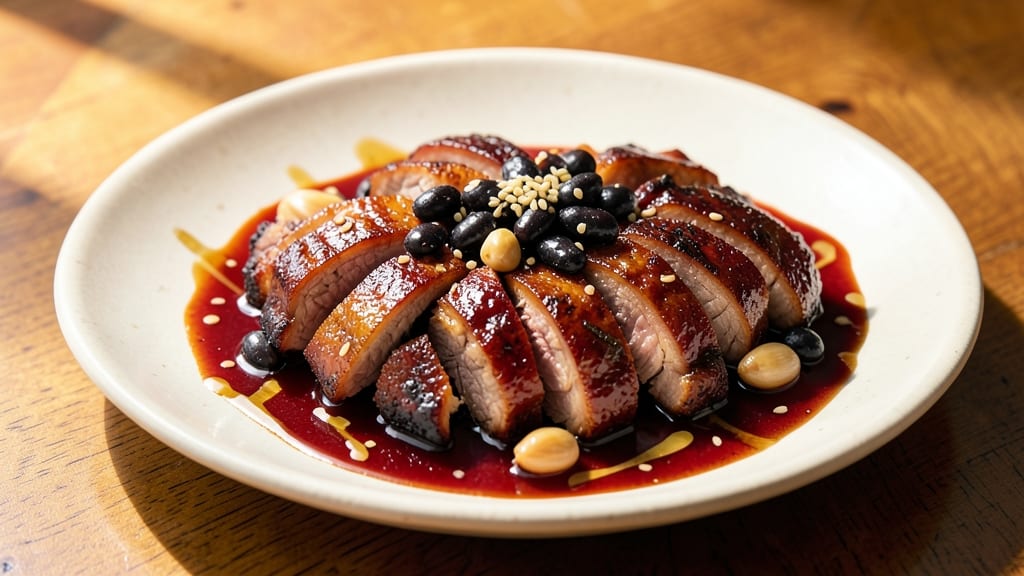
This Chinese BBQ pork red sauce recipe transforms simple ingredients into a rich, sticky glaze that clings perfectly to roasted or grilled pork. The balance of sweet, tangy, and umami flavors creates that signature caramelized finish you crave.
I developed this sauce after years of experimenting with Chinese BBQ techniques—it’s the secret to restaurant-quality pork at home.
The foundation lies in fermented black beans and soy sauce for deep umami, while honey and vinegar create that perfect sweet-tangy contrast. A touch of garlic and star anise adds aromatic complexity, ensuring every bite is packed with flavor.
The sauce thickens beautifully as it reduces, creating a glossy, caramelized coating that’s impossible to resist.
What makes this sauce truly special is its versatility—it elevates everything from crispy pork belly to tender pulled pork. The process is straightforward: simmer, reduce, and glaze, with no complicated techniques required. Just a few pantry staples and about 30 minutes of active time transform your pork into a showstopper.
Once you taste the balance of flavors—sweet, salty, tangy, and smoky—you’ll never go back to store-bought sauces. Pair it with grilled pork chops, roasted pork belly, or even as a dipping sauce for dumplings. The possibilities are endless, and the results are always impressive.
Ingredients for chinese bbq pork red sauce
Nine essential ingredients create this umami-rich, caramelized pork glaze that rivals any restaurant sauce.
| Ingredient | Amount | Notes |
|---|---|---|
| Fermented Black Beans 🫘 | ½ cup | Packed, rinsed well |
| Light Soy Sauce 🍶 | ½ cup | High-quality, low-sodium preferred |
| Dark Soy Sauce 🍶 | ¼ cup | For deeper color and smokiness |
| Honey 🍯 | ⅓ cup | Pure, clover variety works best |
| Rice Vinegar 🍶 | ¼ cup | Seasoned preferred for balance |
| Garlic Cloves 🧄 | 6 cloves | Minced, fresh for best flavor |
| Star Anise Pods 🌿 | 2 whole | Crushed lightly for aroma |
| Sesame Oil 🫒 | 1 tbsp | Toasted, for nutty depth |
| Red Chili Flakes 🌶️ | 1 tbsp | Adjust for heat preference |
| Cornstarch 🌾 | 1 tbsp | For thickening the glaze |
Fermented black beans are the secret weapon here—look for them in the Asian foods aisle or bulk section. Kikkoman or Lee Kum Kee brands are reliable, but any well-packed jar works. The soy sauces should be high-quality, like Pearl River Bridge or La Choy for that authentic depth. Honey matters too: avoid the cheap stuff—Manuka or clover honey adds real complexity. Garlic and star anise can be found fresh at Whole Foods or frozen at Trader Joe's if you're in a pinch. Toast your star anise in a dry pan for 30 seconds before crushing to wake up those flavors.
No fermented black beans? Double the soy sauce and add 1 tbsp of miso paste for umami. Swap honey for maple syrup or agave, though the flavor won't be identical. Running low on rice vinegar? Apple cider vinegar works in a bind, but it'll be slightly sharper. The sesame oil is non-negotiable for that nutty aroma—toast it in a dry pan for 1 minute before adding to deepen the flavor. Chili flakes can be omitted entirely if you're sensitive to heat, but the sauce will lose some of its signature kick. For extra thickness, arrowroot powder works 1:1 with cornstarch.
This sauce keeps beautifully—1 week in the fridge or 3 months in the freezer. Let it come to room temperature before using to prevent clumping. The glaze thickens as it cools, so stir in 1 tsp of water if it gets too stiff before using. I like to make a double batch—one for immediate use and one to freeze in ice cube trays for quick glaze portions later. The flavor actually improves after a day or two as everything melds together. Store it in an airtight jar with a splash of water to maintain moisture.
Why You'll Love This Recipe
- Pantry Magic: I swear by this sauce because it uses stuff I already have—no special trips to the store. That jar of fermented black beans? The dark soy sauce lurking in my cabinet? Boom. You’re halfway there before you even chop.
- Umami Bomb: Honestly, the combo of fermented black beans and dark soy sauce is next-level—deep, salty, slightly funky in the best way. Add a touch of honey, and suddenly you’ve got that signature sticky-sweet balance that makes me reach for seconds.
- Leftover Hero: This sauce doesn’t just disappear after one meal. I’ve slathered it on rice bowls, tossed it with noodles, and even drizzled it over eggs the next morning. It’s the kind of flavor that turns dull leftovers into something exciting.
- Budget Stretch: Between us, this sauce costs pennies to make but tastes like a restaurant dish. A little goes a long way, and I’ve fed four people for under five bucks. That’s a win for my wallet and my taste buds.
Step-by-step instructions for Chinese BBQ pork red sauce
This umami-rich glaze transforms simple pork into something extraordinary—sticky, caramelized, and packed with layered flavors.
🍳 Step 1: Toast the Aromatics for Deep Flavor
Heat a small skillet over medium heat and add the 2 whole star anise pods and 6 cloves minced garlic. Toast for 1-2 minutes until fragrant—you should smell warm, spicy notes with a hint of licorice from the star anise. Be careful not to burn the garlic; it should be golden around the edges but still vibrant.
Remove the star anise and garlic from the pan and set aside. This quick toasting step unlocks their full aromatic potential, which forms the foundation of your sauce. The residual heat in the pan will later infuse the other ingredients with these complex flavors.
🍳 Step 2: Simmer the Fermented Black Beans
In a medium saucepan, combine the 0.5 cup packed, rinsed fermented black beans, 0.5 cup light soy sauce, and 0.25 cup dark soy sauce. Bring to a gentle boil over medium-high heat, then immediately reduce to medium-low heat and simmer uncovered for 10-12 minutes. Stir occasionally to prevent sticking.
Watch for the beans to soften and break down slightly—their natural umami will melt into the sauce. You'll notice the mixture darken and thicken as the starches release. This step is crucial for building the sauce's signature depth; don't rush it, but don't let it boil vigorously either.
🍳 Step 3: Add Sweet and Tangy Components
Once the beans are tender, stir in the 0.33 cup honey, 0.25 cup rice vinegar, and 1 tbsp red chili flakes. Increase heat to medium-high and bring the mixture to a boil. Let it boil vigorously for 3-4 minutes, stirring frequently, until it reduces by about one-third—this concentrates the flavors and creates that signature sticky glaze.
Here's where the sauce transforms from simple to extraordinary. The honey adds sweetness that balances the soy's saltiness, while the rice vinegar introduces bright acidity. The chili flakes infuse heat that lingers on your palate. Taste as you go—adjust the heat by adding more chili flakes if needed, or balance it with a touch more honey.
🍳 Step 4: Thicken and Finish with Sesame Oil
In a small bowl, whisk together the 1 tbsp cornstarch with 2 tablespoons water to create a smooth slurry. Slowly pour this into the simmering sauce while stirring constantly. The sauce will thicken dramatically within 1-2 minutes—keep stirring until it reaches a glossy, coatable consistency, similar to a thick syrup.
Remove from heat and stir in the 1 tbsp toasted sesame oil. This final step adds nutty depth and richness that ties all the flavors together. The sauce should be smooth, sticky, and ready to glaze your pork. If it's too thick, thin with a splash of water; if too thin, simmer longer to reduce further.
⏰ Step 5: Rest and Apply to Pork
Let the sauce cool slightly—about 5 minutes—before using it. This resting period allows the flavors to meld completely. For best results, brush the warm sauce onto pork shoulder or pork belly that's been roasted or braised until tender. The residual heat from the pork will help the glaze caramelize beautifully.
For maximum impact, apply the sauce in layers: first coat before roasting, then glaze again during the final 10 minutes of cooking. The result should be pork with a deep mahogany glaze that's both sticky and slightly crispy at the edges—pure restaurant-quality BBQ pork.
Pro Tips For Making Chinese Bbq Pork Red Sauce
- Bloom the Beans First: Toss your fermented black beans in 1 cup hot water for 10 minutes before adding to the sauce—this softens them and prevents that bitter, chalky texture I used to hate. (Yes, even if they’re labeled "ready to use.")
- Balance the Soy Sauces: Use twice as much light soy sauce as dark—dark soy adds color but overpowers the flavor if you go heavy. I learned this after making a batch that tasted like licorice. Trust the ratio.
- Simmer Slow and Low: Reduce heat to a bare simmer after the initial boil, or the honey will caramelize too fast and turn grainy. I’ve seen this happen—it’s a mess to fix. Keep it steady at medium-low.
- Vinegar Last, Not First: Add rice vinegar at the very end to brighten the sauce, not at the start. I used to dump it in early, and the acid would dull the fermented bean flavor. Save it for the final 30 seconds.
Storing and reheating this chinese bbq pork red sauce
Fridge Storage Tips
Transfer your leftover red sauce to an airtight glass jar—I love Kilner jars for their tight seals—and store it in the fridge for up to 7 days. The sauce will thicken as it cools, so stir in 1 tsp water before using if it becomes too stiff.
Let it sit at room temperature for 10 minutes before reheating to prevent condensation from diluting the flavors. 🌡️
Freezer Preservation
For long-term storage, divide the sauce into ice cube trays or small jars—this makes it easy to thaw just what you need. Label with the date and freeze for up to 3 months.
When ready to use, thaw overnight in the fridge or quickly in a microwave on 50% power for 1-2 minutes. The texture may separate slightly, so whisk vigorously before using. 🧊
Reheating Methods
For stovetop reheating, pour the sauce into a small saucepan and warm over low heat with 1 tbsp water to prevent burning. Stir constantly for 3-5 minutes until it reaches 165°F—this preserves the glossy texture.
Avoid high heat, which can cause the cornstarch to break down and make the sauce grainy. A double boiler works beautifully for delicate reheating. 🔥
Reviving Thickened Sauce
If your stored sauce has thickened too much, thin it with warm water (not cold) in ½ tsp increments while stirring. For extra richness, add ½ tsp toasted sesame oil or a pinch of red chili flakes to restore balance.
Never microwave the sauce directly—it can split the emulsion and make it separate. Instead, use the stovetop method for best results. ✨
Glazing Pork from Cold
When using refrigerated or thawed sauce on cold pork, first warm the pork in the oven at 300°F for 15 minutes before applying the glaze. This ensures even caramelization.
Brush the sauce on in two layers: once before roasting and again during the final 10 minutes at 425°F for maximum stickiness and shine. 💫
Sauce as a Dip
This red sauce makes an incredible dip for spring rolls, dumplings, or even crispy pork belly slices. Store a portion in the fridge and serve it at room temperature for the best texture.
For extra flair, drizzle with a few drops of chili oil or sprinkle with toasted sesame seeds right before serving. The contrast of warm pork and cool sauce is pure magic. 🍜
Nutrition facts
Frequently asked questions
Can I make this red sauce without fermented black beans?
Yes! For a similar umami depth, double the soy sauce to 1 cup total and add 1 tbsp miso paste. The miso will replicate the fermented bean's savory complexity, though the texture will be slightly smoother. For extra richness, toast 1 tsp sesame seeds and stir them in at the end.
How do I adjust the sweetness or spice level?
For less sweetness, reduce honey to 2 tbsp and add 1 tbsp extra rice vinegar for tang. For more heat, increase chili flakes to 2 tbsp or add ½ tsp crushed red pepper flakes. Always taste as you go—balance is key! The sauce should harmonize all flavors, not overpower any single note.
Can I use this sauce for other meats besides pork?
This glaze works beautifully on chicken thighs, duck breast, or even tofu for a vegetarian version. For poultry, reduce cooking time to 8 minutes to prevent overcooking. The sauce's sticky texture clings well to any protein—just adjust the heat level if using delicate meats like fish.
Why did my sauce turn out too thin?
This usually happens from over-reducing or insufficient cornstarch. For a quick fix, mix 1 tsp cornstarch with 1 tbsp water and stir into the warm sauce until thickened. If the sauce separated, whisk vigorously over low heat while adding 1 tbsp water gradually. Prevent future issues by simmering uncovered and stirring constantly during reduction.
How can I make this sauce vegetarian?
Replace the fermented black beans with 1 cup vegetarian soy sauce and add 1 tbsp mushroom powder or 2 tbsp nutritional yeast for umami depth. Use vegan honey or agave, and ensure your vinegar is plant-based. The sauce will still caramelize beautifully—just skip any animal-derived ingredients. Perfect for glazing tofu or tempeh!