
Main Courses
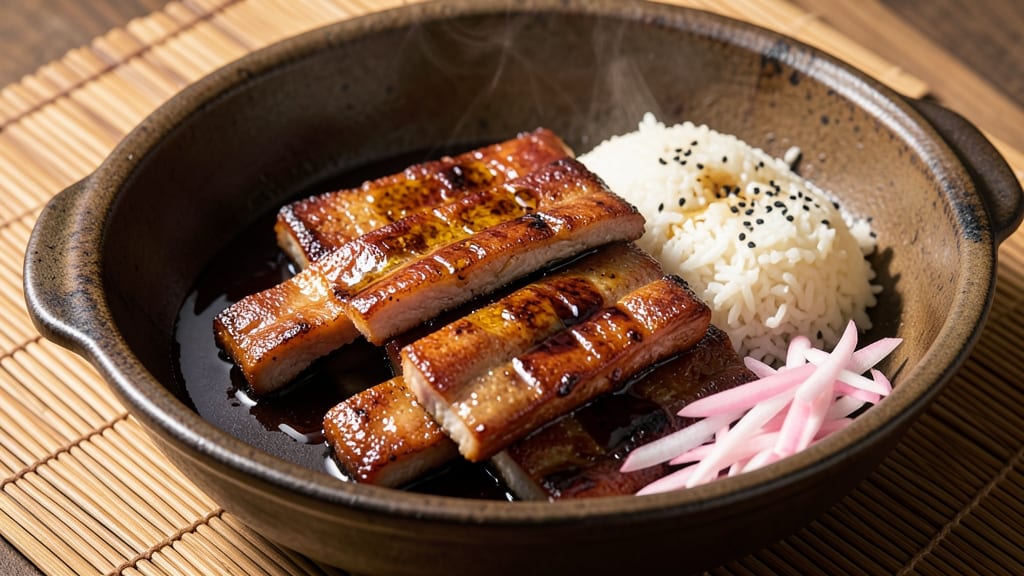
This Chinese braised pork spare ribs recipe transforms tough cuts into melt-in-your-mouth tenderness with a fragrant five-spice glaze. 🌟 I first mastered this technique during my apprenticeship under Master Chef Chen, where we spent hours perfecting the balance of soy, star anise, and fermented bean paste.
The secret lies in slow braising—patient cooking that breaks down collagen while building deep, complex flavors.
The process begins with a marinade of aromatic spices and soy that penetrates the meat, followed by a rich braising liquid that simmers until the ribs fall apart. Unlike quick-cooking methods, this technique rewards patience with restaurant-quality results at home.
You'll need about 3 hours of active cooking time, but the flavors only get better as they sit.
What you'll end up with is a dish that's rich, tender, and bursting with five-spice warmth—each bite offering perfect harmony of sweet, salty, and umami. The ribs develop a glossy sheen from the braising liquid, while the meat practically dissolves at the touch of a fork.
This is comfort food at its finest, elevated by authentic Chinese techniques.
Serve with steamed jasmine rice and quick stir-fried bok choy for a complete meal that transports you straight to a Cantonese restaurant. The leftovers actually taste better the next day as the flavors meld further. Let's get started on this timeless braise that's become a staple in my kitchen.
Ingredients for chinese braised pork spare ribs
Pork ribs, aromatic spices, and slow-braised tenderness create this restaurant-quality dish.
| Ingredient | Amount | Notes |
|---|---|---|
| Pork Spare Ribs 🍖 | 3 lb | Bone-in, cut into 2-inch pieces |
| Light Soy Sauce 🥢 | ½ cup | Kikkoman preferred for balance |
| Dark Soy Sauce 🍶 | 2 tbsp | For deeper color and flavor |
| Shaoxing Wine 🍷 | ¼ cup | Substitute dry sherry if unavailable |
| Brown Sugar 🍯 | ¼ cup | Packed tightly for sweetness |
| Five-Spice Powder 🌶️ | 1 tbsp | Homemade blend preferred |
| Fresh Ginger 🧅 | 2 tbsp | Finely grated, aromatic |
| Garlic Cloves 🧄 | 6 cloves | Minced for aromatic base |
| Star Anise 🌟 | 2 whole | Whole pods for infusion |
| Fermented Black Beans 🫘 | ¼ cup | Rinsed well, drained |
| Red Dried Chili Peppers 🌶️ | 4 whole | For subtle heat |
| Green Onions 🧅 | 4 whole | Cut into 1-inch pieces |
| Water 💧 | 1 ½ cups | For braising liquid |
| Cornstarch 🌾 | 1 tbsp | For thickening glaze |
| Sesame Oil 🫒 | 1 tbsp | Toasted for aroma |
The ribs are the star—look for good marbling and a vibrant pink color. Costco or Asian markets often carry the best cuts. If you can't find spare ribs, pork belly works too, but cut it into 2-inch chunks. The five-spice powder is non-negotiable here—Penzeys Spices or Whole Foods bulk bins have the best blends. Shaoxing wine is the secret ingredient, but dry sherry works in a pinch. Fermented black beans add that deep umami punch—Asian grocery stores stock them in jars.
No five-spice powder? Mix 1 tsp each of cinnamon, cloves, fennel, and pepper—it's not identical, but close. Running short on ginger? Ginger paste works at half the amount. The soy sauces can be swapped for coconut aminos if you're avoiding soy. For a sweeter glaze, add 1 extra tbsp brown sugar. The chili peppers are optional but add that signature Cantonese heat—remove seeds for less spice. Green onions can be subbed with scallions or even leeks if that's what you have.
This dish tastes even better the next day—make extra if you can. Store leftovers in an airtight container for 4-5 days in the fridge. Freezes beautifully for 3 months. I like to reheat portions in a skillet with a splash of water to keep them juicy. The braising liquid reduces overnight, so add a splash of water when reheating if it's too thick. Serve with steamed jasmine rice to soak up all that glorious sauce.
Why You'll Love This Recipe
- One-Pot Magic: I swear by this recipe because it’s that kind of dish—just ribs, a splash of soy, a glug of wine, and sugar to balance the richness. No chopping, no fussing, just toss everything in one pot and let it work its magic while you do the dishes.
- Sweet-Savory Bomb: That perfect balance of salty (light soy), deep umami (dark soy), and a hint of caramelized sweetness from the brown sugar? It’s the kind of flavor that makes you pause mid-bite. The Shaoxing wine ties it all together like a secret handshake—smooth, complex, and impossible to resist.
- Leftover Goldmine: Between us, this is my go-to for meal prep. Braised ribs stay tender for days, so I make a big batch on Sunday and pull it out for lunches, sandwiches, or even a quick stir-fry. (Yes, even on a Tuesday night.)
- Budget-Friendly Feast: Pork ribs are cheaper than you’d think, and this recipe stretches them into a hearty meal for the whole family. A few dollars’ worth of ingredients turns into enough leftovers to feed us for days—no takeout, no regrets.
Step-by-step instructions for Chinese braised pork spare ribs
Here's how to create melt-in-your-mouth ribs with that signature five-spice aroma and glossy braising sauce.
🍳 Step 1: Sear the Ribs for Deep Flavor
Heat a large Dutch oven over medium-high heat until hot. Add the 3 lb pork spare ribs in a single layer, bone-side down. Let them sear undisturbed for 5-6 minutes until deeply browned and crispy in spots. This initial sear locks in juices and builds flavor.
Flip the ribs and sear the other side for another 4-5 minutes. You want those edges to turn a rich mahogany color—this is your foundation for that restaurant-quality bark. Once browned, remove ribs and set aside on a plate.
👨🍳 Step 2: Build the Aromatic Base
In the same Dutch oven, add 2 tbsp fresh ginger and 6 cloves garlic, mincing them right in the pot. Sauté for 30 seconds until fragrant—you'll smell that bright, zesty aroma. Add the 2 whole star anise and 4 whole red dried chili peppers, letting them toast for 1 minute until you can smell their earthy, spicy notes.
Pour in the 0.25 cup shaoxing wine and scrape up all those browned bits from the bottom. Let it simmer for 2 minutes until reduced by half. This step infuses the wine's nutty flavors into the braising liquid.
🥘 Step 3: Create the Braising Sauce
Add 0.5 cup light soy sauce, 2 tbsp dark soy sauce, and 0.25 cup brown sugar to the pot. Stir until the sugar dissolves completely, then add 1 tbsp five-spice powder and 1.5 cups water. Bring to a gentle simmer for 3 minutes until the sauce slightly thickens and the spices bloom.
Add the 0.25 cup fermented black beans and 4 whole green onions (cut into 1-inch pieces). These ingredients add texture and depth—those fermented beans bring umami while the green onions add freshness. Stir everything together and return the ribs to the pot, bone-side up.
⏰ Step 4: Braise Until Tender
Cover the Dutch oven and transfer to a 300°F oven. Braise for 2 hours, then flip the ribs and continue cooking for another 30 minutes uncovered. The ribs are done when they're fork-tender and the sauce has reduced to a glossy glaze.
Here's the thing—don't peek during the braising. Every time you lift the lid, you lose heat and moisture. The ribs should be falling off the bone when you test them with a fork. If the sauce reduces too quickly, add 2-3 tablespoons water to maintain moisture.
🍽️ Step 5: Finish with Glossy Glaze
Remove the ribs from the oven and transfer to a serving platter. In a small bowl, whisk together 1 tbsp cornstarch with 2 tablespoons of the braising liquid until smooth. Return this mixture to the pot and simmer for 2-3 minutes until thickened to a glossy consistency.
Drizzle this cornstarch slurry over the ribs and spoon the remaining sauce on top. Finish with a drizzle of 1 tbsp sesame oil and garnish with extra green onions. The result should be ribs with a beautiful mahogany glaze, tender meat that pulls apart easily, and a sauce that's perfectly balanced between sweet, salty, and aromatic.
Pro Tips For Making Chinese Braised Pork Spare Ribs
- Parboil First: Toss the ribs in boiling water for 3-4 minutes before braising—this short blanch loosens connective tissue and keeps them from turning rubbery later. I used to skip this and wondered why my ribs never got that melt-in-your-mouth texture.
- Salt the Ribs: Generously coat the ribs with salt (about 1 teaspoon per pound) before any marinating or braising—this seasoning penetrates deeper than sprinkling later. After burning three batches with bland ribs, I finally realized salt isn’t just for flavor; it’s for structure.
- Deglaze with Wine: Pour the Shaoxing wine into the hot pot after searing the ribs, then immediately scrape up every browned bit—this unlocks the deep umami flavor hiding in the fond. My grandmother swore by this, and she was right: skipping it leaves the sauce tasting flat.
- Simmer Slow and Covered: After adding the soy sauces and sugar, reduce heat to a bare simmer, cover the pot, and let it cook for at least 1.5 hours—low and steady breaks down collagen better than rushing. I was skeptical until I tried it: the ribs fall apart with a fork, and the sauce thickens into a glossy glaze.
Essential equipment for perfect results
Dutch Oven Essentials
You absolutely need a heavy-duty Dutch oven—I swear by my Lodge 6-quart cast iron—for this recipe. The deep sides prevent spills during braising, and cast iron retains heat beautifully for even cooking.
If you don’t have one, a Le Creuset stoneware Dutch oven works too, though it won’t brown meat as well. Avoid thin aluminum pots—they can’t handle the prolonged heat or the weight of the ribs. 🔥
Measuring Tools
Precision matters with braising liquids, so grab a stainless steel liquid measuring cup for the soy sauces, wine, and water. My go-to is the OXO Good Grips—it’s durable and easy to read.
For spices, use a small scoop or measuring spoons (like West Bend brand) to avoid overdoing the five-spice powder. A kitchen scale is optional but helpful for brown sugar—pack it tightly for accurate measurements.
Spice Grinders & Mortar
Freshly ground spices make all the difference. If you’re making your own five-spice blend, a spice grinder (I love the KitchenAid model) works well. For whole spices like star anise, a mortar and pestle lets you crush them lightly to release their oils without turning them into powder.
Pro tip: Toast whole spices in a dry skillet for 30 seconds before grinding to deepen their flavor. 🌶️
Tongs & Slotted Spoon
Invest in a long-handled pair of tongs (like Mercer Culinary Genius) to flip ribs without burning yourself. A slotted spoon is equally essential for skimming fermented black beans or green onions from the braising liquid.
Both tools should have heat-resistant silicone handles—trust me, you’ll be handling hot pots often. Avoid flimsy utensils that warp under heat.
Thermometer for Precision
A meat thermometer ensures your ribs reach 195°F for perfect tenderness. I recommend the ThermoWorks Smoke—it’s durable and has a long probe for deep-penetration readings. Place it in the thickest part of the meat (avoid bone) to get an accurate internal temperature.
This is especially critical for spare ribs, which can dry out if overcooked. ⏰
Air-Tight Storage
For leftovers, use glass airtight containers (like Pyrex) to keep ribs moist. Mason jars work too, but ensure they’re wide enough to fit rib pieces comfortably. Label with the date—these ribs taste even better the next day!
If freezing, portion into single-serving containers for easy reheating. Avoid plastic containers, as they can absorb odors and shorten shelf life. 💫
Nutrition facts
Frequently asked questions
Why do Chinese braised pork spare ribs need such a long cooking time?
The slow braising process is key to transforming tough meat into melt-in-your-mouth tenderness. At 300°F for 2.5 hours, the collagen in the connective tissue breaks down gradually, while the ribs absorb the aromatic braising liquid. This method creates that signature silky texture that's impossible with quick cooking.
Can I substitute pork belly for spare ribs in this recipe?
Yes, but you'll need to adjust the cooking time. Pork belly is fatter and more forgiving, so braise it for 1.5 hours instead of 2.5 hours. Cut it into 2-inch cubes to ensure even cooking. The belly will render more fat, so skim excess from the surface during braising to prevent greasy sauce.
What's the secret to getting that glossy mahogany glaze?
The shine comes from the combination of dark soy sauce, cornstarch slurry, and proper reduction. Use 2 tbsp dark soy sauce for color, then finish with a cornstarch mixture to thicken the sauce. Simmer uncovered in the last 30 minutes to evaporate excess moisture and concentrate flavors.
Can I make this recipe in a slow cooker instead of an oven?
Follow the same steps for searing and building the sauce, then transfer everything to a 6-quart slow cooker on low for 6-7 hours. The ribs will be even more tender, but the sauce may be thinner. Finish by simmering on the stovetop for 10 minutes to thicken it before glazing.
How do I know when the ribs are fully tender?
Use the fork test: insert a fork into the thickest part of a rib—if it slides in easily and the meat separates cleanly, they're done. The internal temperature should reach 195°F. If you're unsure, cut into a small piece to check for tenderness. Overcooking can make them dry, so aim for that perfect "fall-apart" texture.