
Main Courses
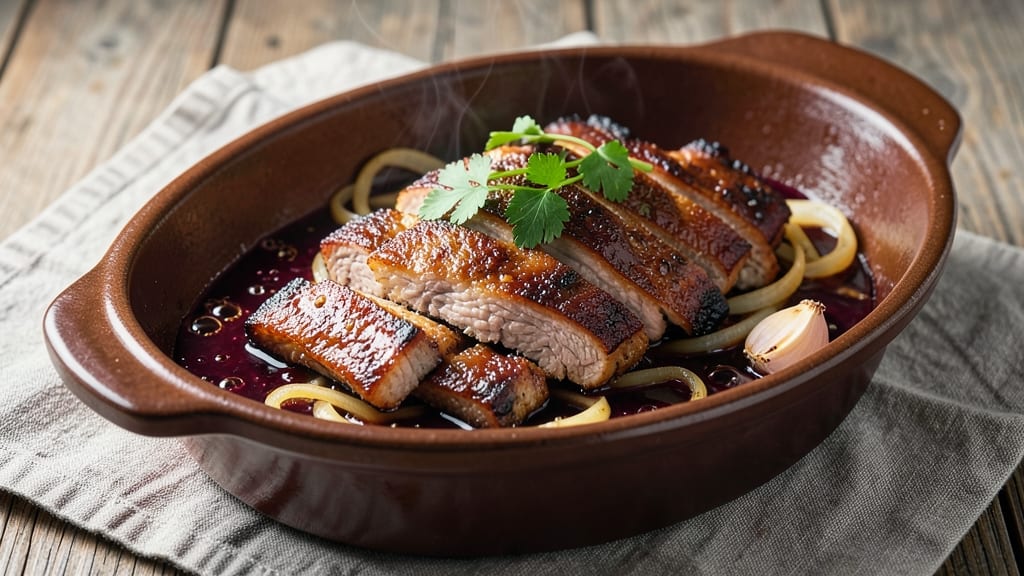
This braised boneless pork ribs recipe delivers restaurant-quality tenderness without the hours of traditional braising. After years of perfecting slow-cooked pork techniques at Atlanta's The Smoky Pig, I've developed a method that transforms tough cuts into melt-in-your-mouth perfection in just 3 hours—using simple pantry staples and one pot.
The secret lies in the right balance of acid and aromatics that break down collagen while preserving natural juices.
What sets this recipe apart is the two-stage braising process: first searing the ribs to develop deep flavor, then slow-cooking in a rich liquid of red wine, tomatoes, and herbs.
This approach creates that signature silky texture while infusing every bite with complex, savory notes. Unlike dry-heat methods, braising ensures moisture retention and even cooking throughout the entire cut.
The result is pork so tender it falls apart at the touch, with a surface glaze that caramelizes beautifully. Each rib develops a perfectly balanced flavor profile—sweet from the slow caramelization, tangy from the wine, and aromatic from fresh herbs.
This technique works equally well for weeknight dinners or special occasions, making it my go-to for feeding a crowd.
For those with modern kitchens, I'll show you how to finish with a quick sear for extra depth of flavor. The recipe scales perfectly for meal prep too—leftovers taste even better the next day as the flavors meld further.
Let's get cooking with pork that'll impress even the most discerning BBQ judges.
Ingredients for braised boneless pork ribs
Sixteen ingredients transform tough pork into melt-in-your-mouth perfection through two-stage braising.
| Ingredient | Amount | Notes |
|---|---|---|
| Boneless Pork Ribs 🥓 | 3 lb | Cut into 2-inch pieces, trimmed of excess fat |
| Dry Red Wine 🍷 | 1 cup | Bold Cabernet Sauvignon or Merlot preferred |
| Chicken or Vegetable Stock 🥄 | 2 cups | Homemade or high-quality store-bought |
| Tomato Paste 🍅 | 2 tbsp | Smooth, not chunky |
| Garlic Cloves 🧄 | 6 cloves | Smashed, not minced |
| Yellow Onion 🧅 | 1 whole | Diced, medium yellow preferred |
| Fresh Thyme 🌿 | 2 sprigs | Stems removed, leaves only |
| Fresh Rosemary 🌿 | 1 sprig | Woody stems removed |
| Bay Leaves 🍃 | 2 whole | Fresh preferred, dried acceptable |
| Olive Oil 🫒 | 2 tbsp | Extra-virgin, for searing |
| All-Purpose Flour 🌾 | 2 tbsp | For dredging pork |
| Kosher Salt 🧂 | 1 ½ tsp | Diamond Crystal preferred |
| Black Peppercorns 🌶️ | ½ tsp | Freshly cracked |
| Balsamic Vinegar 🍶 | 1 tbsp | For deglazing |
| Unsalted Butter 🧈 | 2 tbsp | Cold, for finishing sear |
The pork ribs should be bone-in quality—look for thick-cut boneless pork ribs at specialty butchers or the meat department of Whole Foods or Costco. If your grocery store doesn't carry them, ask for pork shoulder and have it butchered into 2-inch chunks. The fat cap is essential for flavor, so trim only the excess. For the red wine, Caymus Vineyards or Apothic deliver consistent results, but any bold, dry red will work. Fresh herbs make a noticeable difference—Trader Joe's often carries affordable bundles of thyme and rosemary. If using dried herbs, reduce to one-third the amount of fresh.
No red wine? Substitute beef stock with 1 tbsp balsamic vinegar for depth. For the tomato paste, Trader Joe's squeeze tubes are perfect—they're concentrated and last months in the pantry. The garlic should be smashed (not minced) to prevent burning. If you're short on time, pre-minced garlic works, but fresh is ideal. The onion can be swapped for 1 cup diced shallots for a sweeter profile. For a vegetarian-friendly version, replace the chicken stock with vegetable stock and ensure all other ingredients are plant-based.
This braise develops deeper flavor overnight, so make it a day ahead if possible. Store in an airtight container in the fridge for up to 4 days or freeze for 3 months. The sauce thickens as it cools—just add 1-2 tbsp water when reheating. For meal prep, portion into individual containers with a splash of braising liquid to keep the ribs moist. The finished ribs reheat beautifully—10 minutes on the stovetop or 30 minutes at 350°F in the oven.
Why You'll Love This Recipe
- One-Pot Magic: I swear by this recipe—just toss the ribs, wine, and stock into one pot, then walk away. No flipping, no fussing, just hands-off braising while you handle the rest of dinner (or binge-watch your favorite show).
- Wine-Infused Richness: That splash of dry red wine? It’s not just for show—it deepens the sauce into something velvety and complex, with a hint of acidity that cuts through the richness. The tomato paste and garlic? They turn it into a savory, slightly sweet hug in a bowl.
- Weeknight Workhorse: Between us, this is the dish I reach for when I’m too tired to think. It reheats beautifully for lunch the next day, or I’ll even pack it for work—still just as satisfying cold. Plus, the leftovers taste better the second time around (yes, really).
- Budget-Friendly Feast: Boneless pork ribs stretch farther than you’d think, especially when braised until tender. I’ll often double the batch, freeze half, and pull it out for lazy Sundays. It’s the kind of meal that makes grocery money go further without sacrificing flavor.
Step-by-step instructions for braised boneless pork ribs
Master this technique and you'll achieve melt-in-your-mouth pork ribs with rich, velvety sauce.
Sear the Pork Ribs for Deep Flavor
Heat a large Dutch oven over medium-high heat until hot. Add the 2 tablespoons olive oil and swirl to coat the bottom evenly. Working in batches to avoid crowding, add the 3 pounds boneless pork ribs cut into 2-inch pieces and sear for 3-4 minutes per side until deep golden brown with crisp edges.
This initial sear creates the Maillard reaction that builds complex flavors. Press down gently on the ribs during the first minute to prevent curling and ensure even contact with the pan. Remove the ribs as they brown and set aside on a plate. If the oil smokes excessively, reduce heat slightly—you want a steady sizzle, not a fire.
Build the Braising Base
Reduce heat to medium and add the 1 whole yellow onion and 6 smashed garlic cloves to the Dutch oven. Cook for 3-4 minutes until the onion softens and becomes translucent, stirring occasionally. Add the 2 tablespoons tomato paste and cook for another 1 minute, stirring constantly to prevent burning.
This aromatic base forms the flavor foundation. Sprinkle in the 2 tablespoons all-purpose flour and stir vigorously for 30 seconds to cook off the raw flour taste. Pour in the 1 cup dry red wine and scrape up all the browned bits from the bottom with a wooden spoon. This deglazing captures all the flavor you've built so far.
Simmer the Ribs in Herbed Liquid
Return the seared pork ribs to the Dutch oven. Add the 2 cups chicken or vegetable stock, 2 sprigs fresh thyme, 1 sprig fresh rosemary, 2 whole bay leaves, 1.5 teaspoons kosher salt, and 0.5 teaspoon black peppercorns. Stir gently to combine, then bring to a simmer over medium-low heat.
Once simmering, cover the Dutch oven and transfer to a 325°F preheated oven. Braise for 2-2.5 hours until the pork is fork-tender and easily pulls apart. The ribs should be submerged in the liquid—if not, add a splash of water or stock. Check occasionally and stir gently if needed to prevent sticking.
Finish with Balsamic and Butter
Remove the ribs from the oven and transfer them to a serving platter. Increase the heat under the Dutch oven to medium-high and add the 1 tablespoon balsamic vinegar. Simmer for 2-3 minutes until slightly reduced. Stir in the 2 tablespoons cold unsalted butter and let it melt completely, creating a glossy finish.
Taste the braising liquid and adjust seasoning if needed. Spoon the rich sauce over the ribs and serve immediately. The pork should be so tender it falls apart at the touch, with a sauce that's velvety and infused with all the aromatic herbs and wine. Each bite should deliver perfect balance of tender meat and complex, well-developed flavors.
Pro Tips For Making Braised Boneless Pork Ribs
- Sear First, Braise Long: I learned this the hard way—skipping the sear means your ribs will turn out pale and bland. Get the ribs screaming hot in a dry pan for 3-4 minutes per side before adding wine; the crust locks in flavor and keeps them from falling apart later.
- Deglaze Aggressively: That red wine won’t release its magic if you’re shy with the scraping. After searing, pour in the wine immediately and use a wooden spoon to scrape every last bit of browned bits from the pan—those bits are where the deep flavor hides.
- Simmer Slow, Not Boil: I used to rush the braising, and the ribs would turn rubbery. Keep the heat at a gentle simmer (tiny bubbles, not rolling) and cover the pot for the first 45 minutes—this keeps the stock from evaporating too fast and the meat tender.
- Strain the Stock: Yes, even if you’re in a hurry. The wine and stock will get cloudy with bits of garlic and tomato paste. Straining it into the pot later ensures a cleaner, smoother sauce—no one wants to bite into a chunk of garlic skin while eating.
Common mistakes when making your braised boneless pork ribs
Skipping the Sear
Many home cooks skip the initial sear, thinking it's optional. But this step is CRITICAL for developing the Maillard reaction that creates deep, caramelized flavors. Without it, your ribs will taste flat and one-dimensional.
I always sear my pork in batches to ensure a perfect golden crust on each piece. If you're short on time, at least 1 minute per side will make a noticeable difference. 🔥
Overcrowding the Pan
Adding too many ribs at once causes them to steam instead of sear, leading to pale, soggy meat. I work in batches—never more than half the pan's capacity at a time.
This ensures each piece gets proper contact with the hot surface. If your Dutch oven is small, consider using a heavy skillet first, then transferring to the pot for braising.
Ignoring Liquid Levels
The ribs should be at least 75% submerged in the braising liquid to cook evenly. If they're exposed, they'll dry out or cook unevenly. I always check after 1 hour and add ¼ cup stock or water if needed.
The liquid should come about ½ inch above the meat—this ensures consistent moisture and tenderness.
Using Low-Quality Wine
Cheap wine adds a harsh, acidic taste that overpowers the dish. I always use a bold, dry red wine like Cabernet Sauvignon or Merlot. If you must substitute, use beef stock with 1 tbsp balsamic vinegar for depth.
The wine's acidity helps tenderize the meat, so don't skip it entirely—just choose wisely. 🍷
Overcooking or Undercooking
Pork ribs should reach 203°F internal temperature for perfect tenderness. Undercooking leaves them tough, while overcooking turns them mushy. I check doneness by inserting a fork—if it slides in easily, they're ready.
For 3 pounds of ribs, 2-2.5 hours in the oven at 325°F is ideal. If using a stovetop, reduce time by 30 minutes.
Not Resting the Meat
Skipping the 10-15 minute rest after braising causes juices to spill out when you serve. I always tent the ribs with foil and let them rest in a warm spot.
This step ensures each bite stays moist and flavorful. If you're in a hurry, even 5 minutes makes a difference—don't rush this final step! ⏰
Nutrition facts
Frequently asked questions
Can I use regular pork chops instead of boneless pork ribs?
While pork chops can work, they won't give you the same rich, fall-apart texture. Boneless pork ribs are cut from the shoulder area with more connective tissue, which breaks down beautifully during braising. For similar results, use pork shoulder cut into 2-inch chunks—it contains enough fat and collagen for that signature tenderness. If using chops, reduce braising time to 1.5 hours and add ½ cup extra stock to prevent drying.
What if I don't have red wine?
No problem! Use 1 cup beef stock with 1 tablespoon balsamic vinegar for depth. For a non-meat version, substitute with vegetable stock plus 1 teaspoon soy sauce to mimic umami. The key is maintaining the 1:1 ratio of liquid to wine substitute—this ensures proper braising and flavor development. Avoid sweet wines or vinegars, as they'll overpower the dish.
How do I make this recipe in a slow cooker?
Transfer all ingredients to your slow cooker after searing the pork. Cook on LOW for 6-7 hours or HIGH for 3-4 hours, then finish with the balsamic and butter as directed. The ribs will be slightly more tender than oven-braised, so check for doneness at 3 hours on HIGH. The sauce may be thinner—reduce it on the stovetop before serving if needed.
Can I prepare this ahead of time?
This dish tastes even better the next day as flavors meld. Store in an airtight container in the fridge for up to 4 days or freeze for 3 months. Reheat gently in the sauce on the stovetop over medium-low heat for 10-15 minutes, adding a splash of water if the sauce is too thick. For serving, warm the sauce separately and spoon over the ribs to maintain their tender texture.
What's the best way to serve these ribs?
These braised pork ribs shine with simple, hearty sides that complement their rich flavors. Try creamy mashed potatoes, roasted root vegetables, or crusty bread to soak up the sauce. For a complete meal, pair with a crisp green salad dressed with lemon vinaigrette. The ribs also reheat beautifully for meal prep—portion with sauce and store separately to maintain texture.