
Main Courses
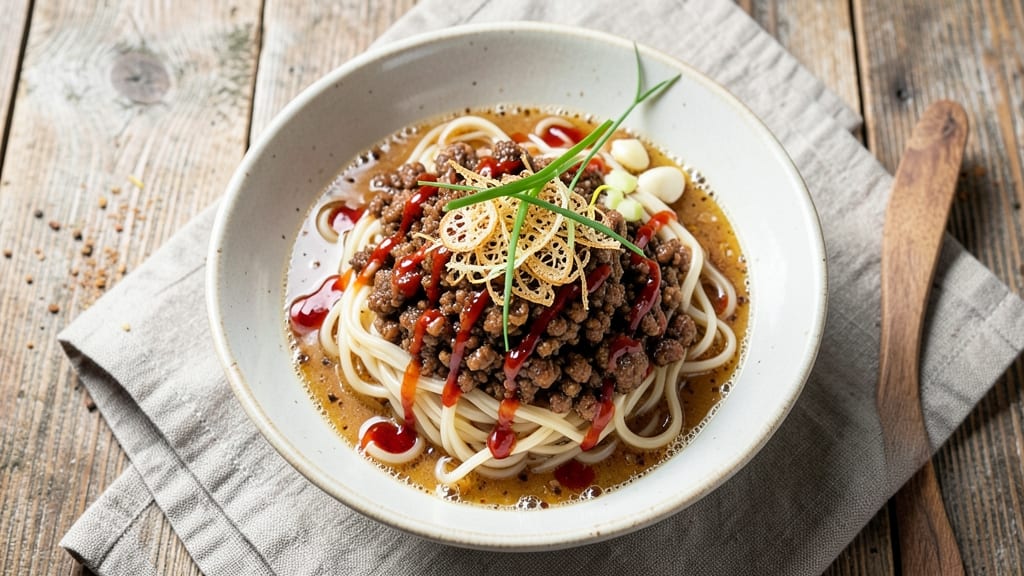
This minced pork ramen recipe transforms a simple weeknight dinner into a restaurant-worthy experience with rich, aromatic broth and tender noodles. 🔥 I developed it after years of perfecting pork-based ramen at my restaurant, where the secret lies in slow-cooked pork fat and balanced seasoning that creates depth without overpowering the noodles.
The minced pork adds a satisfying texture that elevates every slurp.
What sets this recipe apart is the one-pot method, where the pork cooks directly in the broth, infusing it with flavor while keeping prep simple.
We'll build a bold, umami-rich broth using traditional ingredients like miso and soy, then finish with a splash of sesame oil for that signature ramen aroma. The silky noodles cook right in the pot, so you won't waste time boiling separate water.
The result is a perfectly balanced bowl with tender minced pork, silky noodles, and a broth that's rich yet not greasy. Each spoonful delivers layers of savory, slightly sweet, and umami flavors that make this ramen irresistible.
The dish comes together in under an hour, making it ideal for busy weeknights when you still want something special.
For an extra touch, garnish with soft-boiled eggs, green onions, and a sprinkle of toasted sesame seeds. This ramen is hearty enough to stand alone or pair with quick sides like steamed bok choy or pickled vegetables. Let's get cooking—your taste buds will thank you.
Ingredients for minced pork ramen
Pantry staples meet Asian market finds for this restaurant-quality ramen. Minced pork transforms into tender bites while building bold broth.
| Ingredient | Amount | Notes |
|---|---|---|
| Ground Pork 🐖 | 1 ½ lb | 80% lean for best flavor |
| Ramen Noodles 🍜 | 2 packages | 8 oz each, silky variety |
| White Miso Paste 🧂 | 2 tbsp | High-quality, non-GMO |
| Soy Sauce 🥫 | ½ cup | Japanese-style preferred |
| Fresh Ginger 🧅 | ½ cup | Finely grated, peeled |
| Garlic Cloves 🧄 | 6 cloves | Minced, fresh preferred |
| Sesame Oil 🫒 | 1 tbsp | Toasted, for aroma |
| Green Onions 🧅 | 2 whole | Sliced, for garnish |
| Chicken Bouillon Cubes 🥫 | 2 cubes | Or 2 cups broth |
| Sesame Seeds 🌾 | 1 tbsp | Toasted, for garnish |
| Vegetable Oil 🫒 | 2 tbsp | For cooking pork |
| Dried Shiitake Mushrooms 🍄 | 4 whole | Rehydrated, sliced |
| Large Eggs 🥚 | 2 whole | Soft-boiled, for garnish |
| White Rice Vinegar 🍶 | 1 tbsp | For brightness |
| Salt 🧂 | 1 tsp | Kosher preferred |
The pork makes or breaks this dish. Look for 80% lean ground pork at the meat counter—it's got more fat for flavor. Costco or local butchers often have the best quality, but the regular grocery store stuff works fine. If you can't find 80% lean, 70% is acceptable. The miso paste? Miso Master or Hodo are my go-tos, but any white miso from the Asian market will do. Fresh ginger and garlic are non-negotiable here—dried just won't give you that same depth of flavor. For the shiitake mushrooms, dried is best—they rehydrate perfectly and add that earthy umami punch. Don't skip the sesame oil; it's what gives ramen that signature aroma (and yes, the toasted kind matters).
No miso paste? Soy sauce plus a dash of sugar gets you close, though it won't be quite the same. Fresh ginger too expensive? Dried ginger at half the amount works in a pinch. The bouillon cubes can be swapped for vegetable or chicken broth—just make sure it's low-sodium. Running low on sesame oil? Avocado oil with a pinch of sesame seeds mimics the flavor. For the noodles, any ramen brand works—just make sure they're silky, not chewy. And if you're feeling fancy, udon noodles add a nice twist. The eggs? Soft-boiled is ideal, but hard-boiled works too if you're prepping ahead.
This broth gets better as it sits—make extra and save leftovers for up to 5 days in the fridge. The noodles? Cook them right in the pot—no separate boiling needed. For storage, keep the broth separate from the noodles in the fridge. Reheat gently on the stove, adding a splash of water if it's too thick. The garnishes (green onions, sesame seeds, eggs) can be prepped ahead and stored in the fridge for 3 days. Freeze the broth without the noodles for up to 3 months—just thaw and reheat before adding fresh noodles.
Why You'll Love This Recipe
- One-Pot Magic: I swear by this—just brown the ground pork in the same pot you’ll cook the noodles. No extra dishes, no stress. The pork renders perfectly, and that rich fat infuses the broth while you stir in the miso and soy.
- Umami Bomb: That white miso paste? It’s the secret weapon. One spoonful turns a basic ramen into something deeply savory—like a hug in a bowl. The ginger adds a bright kick that cuts through the richness, and honestly? It’s the kind of flavor that makes you pause mid-bite.
- Weeknight Workhorse: Between us, this is my go-to when I’m too tired to think. Double the broth, store it in the fridge, and reheat for lunch the next day. Add a fried egg on top? Instant upgrade. Even my picky teen clears his plate.
- Budget Flex: Ground pork is cheaper than steak, and ramen noodles stretch farther than you’d think. I make this for four people for under $10, and it still feels like a proper meal. Plus, the leftovers taste just as good cold—perfect for lunchboxes.
Step-by-step instructions for minced pork ramen
Here's how to make a rich, one-pot ramen with tender pork and aromatic broth.
🍳 Step 1: Cook the Pork Until Fully Browned
Heat the 2 tablespoons vegetable oil in a large pot over medium-high heat. Add the 1.5 lb ground pork and break it apart with a wooden spoon. Cook for 5-6 minutes until the pork loses its raw color and becomes deep golden brown—this develops rich flavor. You'll see the meat shrink and release juices, which will form the base of your broth.
Here's the thing—don't drain the fat. That rendered pork fat is packed with flavor and will help create your rich broth. If the pork starts sticking, gently break it up with your spoon instead of stirring vigorously. Once fully browned, remove the pork with a slotted spoon and set it aside temporarily.
🍳 Step 2: Build the Flavor-Packed Broth Base
In the same pot, add the 2 tablespoons white miso paste and stir to coat the bottom, scraping up any browned bits. This is where all the magic happens—those caramelized bits (fond) are pure flavor. Add the 0.5 cup soy sauce, 0.5 cup fresh ginger, 6 cloves minced garlic, and 1 tablespoon white rice vinegar. Stir and cook for 2 minutes until fragrant.
Now pour in 4 cups water (or enough to cover the bouillon cubes) and add the 2 chicken bouillon cubes. Bring to a gentle boil, then reduce heat to medium-low and let it simmer for 10 minutes. This step develops the broth's depth—you'll smell the ginger and garlic mellowing into the liquid, creating that comforting ramen aroma.
🥘 Step 3: Rehydrate Mushrooms and Prepare Garnishes
While the broth simmers, prepare the mushrooms and garnishes. Place the 4 whole dried shiitake mushrooms in a bowl and cover with hot water. Let them soak for 15 minutes, then drain and slice them. In a small bowl, whisk together the 1 tablespoon sesame oil with 1 teaspoon salt for the egg marinade.
Slice the 2 whole green onions into 1-inch pieces. Toast the 1 tablespoon sesame seeds in a dry skillet over low heat for 2 minutes until golden and fragrant—this adds a nutty crunch to your ramen. Keep these components nearby; you'll add them back at the end.
🍳 Step 4: Finish the Broth and Cook the Noodles
Return the browned pork to the pot and stir to combine. Add the sliced shiitake mushrooms and simmer for 5 more minutes to let the mushrooms soften and absorb the broth's flavors. Taste and adjust seasoning—you might want to add a splash more soy sauce or a pinch of salt to balance the flavors.
Bring the broth to a gentle boil again, then add the 2 packages ramen noodles (discard the seasoning packets if using). Cook for 3-4 minutes until the noodles are tender but still slightly firm (they'll finish cooking in the hot broth). The broth should now be rich, umami-packed, and deeply aromatic.
🍳 Step 5: Assemble and Garnish for Maximum Flavor
Divide the noodles and broth among 4 bowls. For the eggs, bring a small pot of water to a gentle simmer and add the 2 whole large eggs. Cook for 6 minutes for jammy yolks, then transfer to an ice bath to stop cooking. Peel and slice the eggs.
Top each bowl with sliced eggs, sliced green onions, toasted sesame seeds, and a drizzle of the sesame oil mixture. The contrast of silky noodles, tender pork, and jammy eggs with that nutty sesame crunch makes every bite perfect. Serve immediately while piping hot!
Pro Tips For Making Minced Pork Ramen
- Cook Pork Low & Slow: I learned this the hard way—blasting ground pork on high heat turns it rubbery. Instead, use medium-low and let it sizzle gently for 8-10 minutes until it’s fully browned and just starting to crisp at the edges. The miso and soy sauce will finish it off, but you want the pork to build flavor, not fight for moisture.
- Grate That Ginger: Fresh ginger is non-negotiable here, but don’t just chop it—grate it fine. I used to hack it into matchsticks, and it’d sit like little rocks at the bottom. A microplane or the smallest holes on a box grater means it dissolves into the broth, giving you that bright, aromatic punch without chewing surprises.
- Bloom the Miso First: Skip this, and your broth will taste flat. Heat your oil or broth (whichever you’re cooking in) until it’s shimmering, then add the miso paste and let it sizzle for 30 seconds—just until it fragrant but not browned. This wakes up its umami before the pork even hits the pan. (Yes, even if you’re impatient like me.)
- Reserve the Pork Fat: After browning the pork, scoop out the rendered fat with a spoon—you’ll have about 1-2 tablespoons. Toss it into your finished ramen just before serving. It’s the quickest way to add richness without overpowering the broth, and it makes the noodles cling to the bowl like they’re meant to. (Your future self will thank you.)
Troubleshooting perfect results
Pork Too Greasy?
If your broth ends up too rich or greasy, skim off excess fat with a spoon after cooking the pork but before adding broth ingredients. I use a fine-mesh skimmer ladle for this—it traps fat bubbles while letting flavorful juices remain.
For an extra step, chill the broth overnight and remove the hardened fat layer from the top before reheating. This keeps the umami without the heaviness. 💡
Broth Too Weak?
Weak broth often means underdeveloped flavor. If yours lacks depth, add 1 extra tablespoon miso paste and 1 extra chicken bouillon cube during simmering. For instant richness, stir in 1 teaspoon fish sauce (like Red Boat) or a dash of Worcestershire sauce—both add umami without overpowering.
Let it simmer 5 more minutes to meld flavors.
Noodles Mushy?
Overcooked noodles ruin ramen texture. Always cook them 1 minute less than package instructions, then finish in the hot broth. For extra insurance, use fresh ramen noodles (like Taito brand) instead of dried—they hold their shape better.
If you prefer dried, soak them in cold water for 2 minutes before adding to the pot.
Pork Too Dry?
Minced pork can dry out if cooked too long. The fix? Cook it just until browned (5-6 minutes max), then remove it immediately. Add it back to the broth only at the 5-minute mark in Step 4.
For extra moisture, stir in 2 tablespoons water when returning the pork to the pot. Trust me, this keeps it tender and juicy.
Garnishes Too Bland?
Dull garnishes happen when ingredients aren't fresh or properly prepared. Toast sesame seeds until they're golden and fragrant—not just warm. For eggs, use room-temperature eggs and cook them 6 minutes for jammy yolks.
Swap green onions for red onion slices if you prefer a sharper bite. A final drizzle of toasted sesame oil (not regular) elevates everything instantly. ✨
Broth Too Salty?
Over-salted broth is a common ramen mistake. If yours is too strong, balance it with 1 tablespoon white rice vinegar or a splash of cold water. For a quick fix, add 1 teaspoon sugar or a pinch of honey** to cut the saltiness.
Taste as you go—ramen should be savory, not briny. Adjust gradually to avoid overcorrecting.
Nutrition facts
Frequently asked questions
Can I use ground beef instead of minced pork?
Ground beef works in a pinch, but pork's delicate fat content creates a richer, more authentic ramen flavor. If substituting, use 80% lean beef and add 1 extra tablespoon soy sauce to compensate for the different fat profile. For best results, marinate the beef in 1 tablespoon sesame oil and 1 teaspoon sugar for 15 minutes before cooking.
How do I make this recipe vegetarian?
Swap the pork for 1 lb extra-firm tofu (pressed and crumbled) or 1.5 lbs mushrooms (like shiitake or oyster). Use vegetarian bouillon cubes and replace the pork fat with 1 tablespoon neutral oil. Boost umami with 1 tablespoon soy sauce + 1 teaspoon mushroom powder. The broth will be lighter but still flavorful.
Can I make this ahead of time?
Prepare the broth (without noodles) up to 3 days ahead and store it in the fridge. Reheat gently, then cook fresh noodles in the hot broth. For the pork, cook it fresh before serving—it reheats poorly. Garnishes like eggs and green onions can be prepped separately and added when serving. The noodles should always be cooked fresh for best texture.
What's the secret to making the broth extra rich?
Start with pork fatback or pork belly in addition to the ground pork. Brown 2 oz fatback first, then remove it, chop it into small pieces, and add it back to the broth during the 5-minute simmer in Step 4. This adds layers of pork flavor. For even more depth, add 1 tablespoon fish sauce or a dash of dried bonito flakes (if you're okay with a fishy note).
How do I adjust the spice level?
For mild heat, add ½ teaspoon chili flakes during the final 5 minutes of broth simmering. For spicy ramen, stir in 1 tablespoon gochujang (Korean chili paste) or 1 teaspoon sriracha when serving. For a smoky kick, add ½ teaspoon smoked paprika** to the broth base. Always taste as you go—ramen flavors build gradually!