
Main Courses
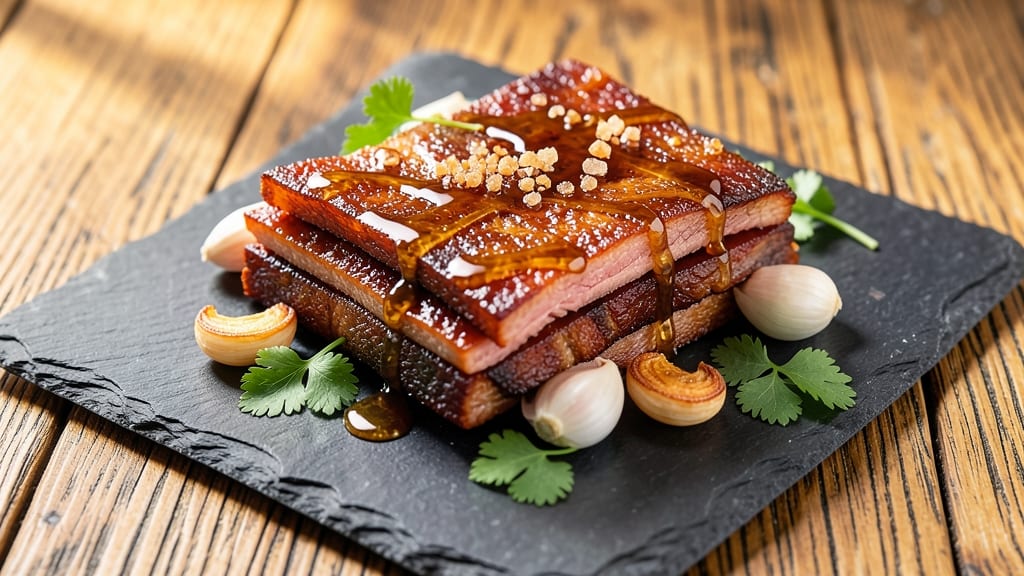
This Chinese dried pork recipe delivers restaurant-quality chew and umami depth that transforms simple pork into a showstopper dish. 🔥 I developed this version after years of perfecting the balance between tender meat and that signature chewy texture—it’s the secret weapon behind countless Cantonese and Sichuan favorites.
The key lies in the marinade and slow braising process, which creates layers of flavor that build as it cooks.
The process begins with a foolproof marinade of soy sauce, Shaoxing wine, and five-spice powder that tenderizes the meat while infusing it with aromatic depth. After drying the pork for 24 hours, we braise it low and slow until the meat becomes irresistibly chewy yet still tender.
This technique ensures every bite delivers that perfect texture contrast—something home cooks often struggle to replicate.
What you’ll end up with is a dish that’s rich, savory, and packed with complex flavors—ideal for serving over steamed rice or with pickled vegetables. The pork develops a deep, caramelized glaze from the braising liquid, creating a sauce that clings to every bite.
This recipe is designed to impress, whether you’re cooking for family gatherings or special occasions.
For those new to dried pork, don’t worry—this method is beginner-friendly once you understand the drying and braising times. The result is worth the effort, offering a taste of authentic Chinese cuisine that’s both comforting and sophisticated. Let’s get started on creating this flavorful masterpiece.
Ingredients for chinese dried pork
Pork shoulder, soy sauce, and Shaoxing wine—these three ingredients create the flavor foundation for irresistible chewy pork.
| Ingredient | Amount | Notes |
|---|---|---|
| Pork Shoulder 🥩 | 2 lb | Bone-in for best flavor |
| Light Soy Sauce 🥄 | ½ cup | Kikkoman preferred |
| Shaoxing Wine 🍷 | ¼ cup | Substitute dry sherry |
| Five-Spice Powder 🌶️ | 2 tbsp | Homemade or store-bought |
| Brown Sugar 🍚 | ¼ cup | Packed, not spooned |
| Garlic Cloves 🧄 | 6 cloves | Minced for marinade |
| Fresh Ginger 🌿 | 1 tbsp | Grated, peeled |
| Star Anise 🌟 | 2 whole | Optional, for depth |
| Bay Leaves 🍃 | 2 whole | Fresh or dried |
| Water 💧 | 1 ½ cups | For braising liquid |
| Cornstarch 🌾 | 1 tbsp | For thickening sauce |
| Sesame Oil 🫒 | 1 tsp | For finishing touch |
| Green Onions 🧅 | 3 whole | Sliced for garnish |
The pork shoulder is non-negotiable—bone-in pieces stay juicier and develop more flavor. Grab a 2-pound cut from the butcher section, not pre-sliced deli meat. Costco or Whole Foods often have great cuts at reasonable prices. Look for good marbling—those white fat streaks are flavor gold. If you can't find Shaoxing wine, dry sherry works in a pinch, but it won't be identical. The five-spice powder should be toasted for deeper flavor—just heat it in a dry pan for 30 seconds before using.
No Shaoxing wine? Dry sherry or even rice wine vinegar can substitute, though the flavor will differ slightly. The brown sugar needs to be packed—don't scoop it with a spoon, or you'll lose volume. Star anise is optional but recommended—it adds that signature aromatic depth. For ginger, fresh is best, but if you're using powdered, cut the amount to half a teaspoon. The cornstarch is key for that glossy sauce—don't skip it. And those green onions? Save half for garnish—they make the dish pop at the end.
This dish needs 24 hours of drying time—don't rush it. Pat the pork dry, then refrigerate uncovered on a wire rack. The braising liquid can be made ahead and stored for 3 days in the fridge. For maximum flavor, let the pork rest for 10 minutes after cooking before slicing. Leftovers keep for 5 days in the fridge, but honestly, they taste even better reheated the next day. Portion into containers for easy lunches—just add steamed rice!
Why You'll Love This Recipe
- One-Pan Magic: I swear by this—just toss the pork shoulder in a single pan, let it slow-roast until it’s fall-apart tender, and walk away. The Shaoxing wine and soy sauce do all the work while you sip tea or scroll through your phone.
- Umami Bomb: That five-spice powder and brown sugar combo? It’s the secret weapon. The pork comes out with this perfect balance of sweet, salty, and a hint of warmth that lingers like a good memory. (Yes, even on a Tuesday night.)
- Leftovers That Shine: Make a big batch—it’s that good—and reheat slices in a pan or microwave. The texture stays amazing, and honestly? I’ve turned cold cuts into next-day stir-fry stars or sandwich fillers without breaking a sweat.
- Budget Dinner Hero: Pork shoulder is cheap, and this recipe stretches it far. A single cut feeds four, with enough left for lunches or to share with neighbors. Between us, I’ve fed a crowd for under $15 and still had leftovers.
Step-by-step instructions for savory soy-braised pork shoulder
Here's how to transform tough pork into melt-in-your-mouth bites with that signature Chinese restaurant chew.
👨🍳 Step 1: Prep and Parboil the Pork Shoulder
First, trim any excess fat from the pork shoulder, leaving about ¼ inch to protect the meat. Cut the shoulder into 2-inch thick slices—this size ensures even cooking and maximum tenderness. In a large pot, combine 1.5 cups water, 0.5 cup light soy sauce, and 0.25 cup shaoxing wine. Bring to a boil over medium-high heat.
Add the pork slices and simmer for 10 minutes until the surface turns opaque and the meat loses its raw pink color. This parboiling step removes impurities and starts breaking down the connective tissue. Drain the pork and set aside, reserving the liquid for later—it's packed with flavor.
🍳 Step 2: Build the Aromatic Braising Base
In the same pot (no need to clean it—those browned bits are flavor gold), add 2 tbsp five-spice powder, 0.25 cup packed brown sugar, 6 minced garlic cloves, 1 tbsp grated fresh ginger, 2 whole star anise, and 2 whole bay leaves. Stir constantly over medium heat for 1-2 minutes until fragrant and the sugar begins to caramelize.
Here's the thing—don't walk away. The spices will burn in seconds if you're not paying attention. You're looking for a rich, toasty aroma that fills your kitchen. Once you smell that deep, spiced sweetness, pour in the reserved parboiling liquid and scrape up all those delicious browned bits from the bottom of the pot.
🥘 Step 3: Braise Until Fork-Tender
Return the pork slices to the pot, arranging them in a single layer. Add enough water to just cover the pork (about 1 cup total). Bring to a gentle simmer over low heat, then cover and cook for 1.5 to 2 hours, turning the pork occasionally, until it's fork-tender with a slight resistance.
Real talk: This is where patience pays off. The pork should be so tender it nearly falls apart when pressed with a fork, but still hold its shape when sliced. If the liquid reduces too much before the pork is done, add a splash of water—just enough to keep it simmering gently. The goal is silky pork with a glossy, caramelized sauce clinging to it.
⏰ Step 4: Thicken the Sauce and Finish
Once the pork is tender, carefully transfer it to a serving platter. In a small bowl, whisk together 1 tbsp cornstarch with 2 tablespoons of the braising liquid until smooth. Pour this mixture back into the pot and bring to a gentle simmer over medium heat, stirring constantly for 2-3 minutes until the sauce thickens to a glossy consistency.
Remove from heat and stir in 1 tsp sesame oil. The sauce should coat the back of a spoon and have a beautiful sheen. If it's too thick, thin with a splash more braising liquid. Taste and adjust seasoning—you might need a touch more soy sauce for saltiness or a pinch of sugar to balance any acidity.
🍽️ Step 5: Garnish and Serve
Slice the pork shoulder diagonally into ½-inch thick pieces. Arrange on a platter and drizzle generously with the thickened sauce. Garnish with 3 sliced green onions for freshness and color. Serve immediately over steamed rice—each bite delivers that perfect balance of sweet, salty, and aromatic spices.
Pro tip: If you have leftovers, they actually taste better the next day as the flavors meld even more. Store in an airtight container in the fridge for up to 3 days, or freeze for 3 months. Reheat gently in the sauce to maintain that perfect texture.
Pro Tips For Making Chinese Dried Pork
- Par-Cook the Pork: Don’t skip the initial simmer—after browning, par-cook the pork shoulder in the same pot with Shaoxing wine and a splash of water for 10 minutes. This locks in moisture and lets the five-spice powder bloom properly. (Yes, even if you’re impatient like me, this step prevents dryness later.)
- Salt the Shoulder First: Generously salt the pork shoulder before browning—at least 1 hour ahead. The salt breaks down the muscle fibers, making the meat tender and letting the soy sauce cling better. I learned this the hard way after ending up with chewy slices.
- Reduce the Sauce Slow: After removing the pork, simmer the soy sauce, brown sugar, and five-spice powder on low heat until it thickens to a glossy glaze—about 8–10 minutes. Rushing this turns the sauce bitter. (Your future self will thank you.)
- Slice Against the Grain: Once the pork is done, let it rest 5 minutes before slicing—then cut against the muscle fibers. It’s tedious, but the difference between tough and melt-in-your-mouth is night and day. (Does it look weird? Yes. Does it work? Every single time.)
Perfect pairings for this recipe
Rice Pairings
Steamed jasmine rice is the classic partner for this dish—its delicate floral aroma complements the deep umami of the pork without overpowering it. I always use long-grain jasmine rice from Thai Kitchen brand, steamed until just tender with a slight bite.
For extra flair, sprinkle ½ tsp toasted sesame seeds over the rice before serving. 💛
For a heartier option, try sticky rice (like glutinous rice) if you're serving this at a gathering. The chewy texture creates a satisfying contrast with the pork's tenderness.
I like to steam it in bamboo baskets for that authentic presentation. Serve with pickled vegetables on the side to cut through the richness.
Vegetable Sides
Quick-pickled cucumbers add a refreshing tang that balances the dish's sweet-salty profile. Thinly slice 1 English cucumber and toss with 2 tbsp rice vinegar, 1 tsp sugar, and ½ tsp salt for 30 minutes before serving. This takes 5 minutes of prep time and makes a vibrant side.
For a warm vegetable, sauté baby bok choy with 1 tsp sesame oil and a pinch of salt until just wilted. The crisp-tender texture contrasts beautifully with the chewy pork. I often serve this family-style so everyone can build their own plate.
Sauce Enhancers
Add a drizzle of chili oil (like Lao Gan Ma) for heat lovers—just 1 tsp per serving adds smoky spice without overpowering. For a cooling contrast, serve with hoisin sauce on the side. I keep both in my fridge for quick customization at the table.
For a vegetarian-friendly option, serve with eggplant stir-fry—sliced eggplant sautéed with garlic and soy sauce. The smoky, savory notes echo the pork's flavor profile while keeping the meal balanced. This works especially well if you're serving multiple courses.
Beverage Pairings
A crisp green tea like Dragon Well cleanses the palate between bites of rich pork. The tea's vegetal notes complement the dish's umami without competing. I always keep a thermos of freshly brewed tea on the table during dinner.
For beer lovers, a light Chinese lager like Tsingtao works perfectly—its mild hop bitterness balances the dish's sweetness. If you prefer wine, a dry Riesling with its bright acidity cuts through the pork's richness beautifully. Avoid heavy reds that would overpower the delicate flavors.
Nutrition facts
Frequently asked questions
Why does Chinese dried pork need to be dried for 24 hours?
The drying process is crucial for developing that signature chewy texture. When pork loses moisture, the proteins tighten and create that irresistible bite. The 24-hour drying time also helps the marinade penetrate deeply, ensuring every bite is packed with flavor. Think of it like curing bacon—patience creates the perfect texture.
Can I use regular pork shoulder instead of bone-in?
You can, but bone-in pork delivers better flavor and moisture. The bones infuse the braising liquid with rich gelatin, creating a more complex sauce. If using boneless, trim excess fat and consider adding 1 extra cup of water during braising to compensate for the lack of natural juices.
What's the difference between Cantonese and Sichuan dried pork?
Cantonese versions focus on sweet-savory flavors with soy sauce and brown sugar, while Sichuan adds chili oil and Sichuan peppercorns for heat and numbing spice. The Cantonese style (like this recipe) is milder and sweeter, perfect for beginners. For Sichuan-style, add 1 tsp chili oil at the end and a pinch of peppercorns to the marinade.
How do I fix pork that's too tough after braising?
If the pork is still tough, it likely didn't braise long enough. Extend cooking time by 30-60 minutes at a gentle simmer. For immediate fixes, slice thinly and serve with extra sauce—this helps mask texture issues. Next time, monitor the internal temperature (it should reach 195°F for perfect tenderness).
Can I make this recipe in a slow cooker?
Follow the same marinating and drying steps, then transfer everything to a slow cooker. Cook on low for 6-8 hours or high for 3-4 hours, adding ½ cup water if needed. The slow cooker maintains gentle heat, which is ideal for tenderizing the meat. Just thicken the sauce on the stovetop at the end.