
Main Courses
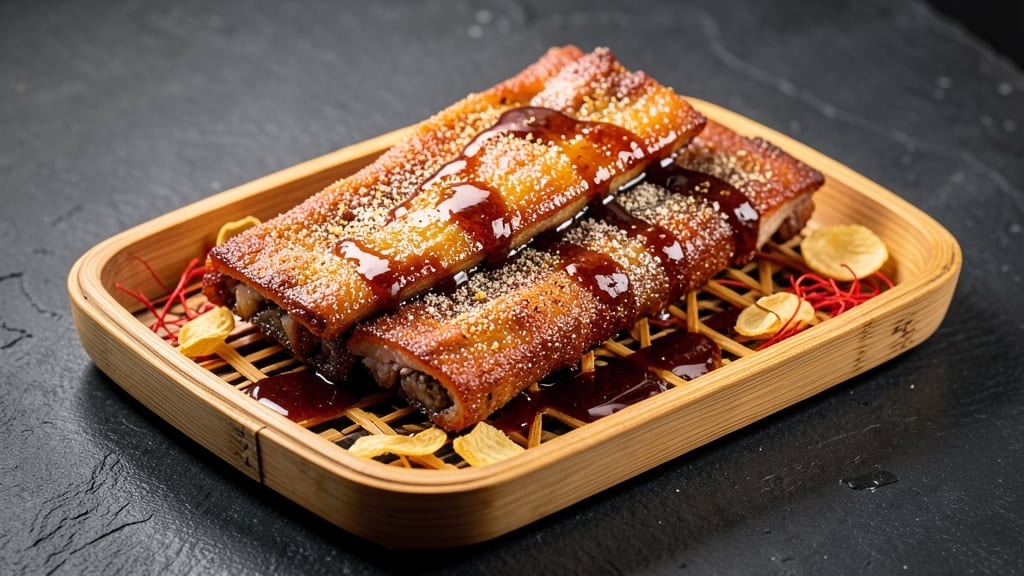
This Chinese fried pork ribs recipe delivers the perfect balance of crispy five-spice crunch and sticky tamarind glow—a dish that transports you to bustling Cantonese kitchens with every bite. 🔥 The secret lies in a precise breading technique that creates an irresistible golden crust while keeping the meat tender inside.
I developed this version after years of perfecting the art of frying, ensuring the ribs stay crispy even after resting.
The process begins with a dry marinade of five-spice powder and cornstarch, which creates that signature aromatic crunch. After a quick fry, the ribs are tossed in a tangy tamarind glaze that adds a bright, sticky contrast to the crispy exterior.
This method preserves the ribs' natural juiciness while delivering that addictive crunch everyone loves. The result? A dish that's equally impressive served at family gatherings or as a restaurant-worthy centerpiece.
What makes this recipe stand out is its versatility—serve these ribs with steamed jasmine rice for a classic pairing, or pair them with a crisp cucumber salad to cut through the richness.
The tamarind glaze adds a touch of sweetness that balances the savory depth of the pork, making each bite unforgettable. With just a few key ingredients and precise technique, you'll achieve restaurant-quality results at home.
For those who love regional variations, this recipe leans into Cantonese traditions while remaining approachable for home cooks. The five-spice blend adds warmth, while the tamarind glaze brings a touch of Southern Chinese flair.
Whether you're cooking for a crowd or treating yourself to a special meal, these ribs are sure to become a staple in your repertoire.
Ingredients for chinese fried pork ribs
Cantonese kitchen essentials for ribs with restaurant-quality crunch and sticky-sweet perfection.
| Ingredient | Amount | Notes |
|---|---|---|
| Pork Ribs (Baby Back) 🥩 | 2 lb | Bone-in, cut into 2-inch pieces |
| Five-Spice Powder 🌶️ | 2 tbsp | Authentic Chinese blend preferred |
| Cornstarch 🌾 | ½ cup | For crispy dry marinade |
| Tamarind Paste 🍯 | ¼ cup | Thick, unsweetened variety |
| Soy Sauce 🥄 | ¼ cup | Dark soy for color depth |
| Hoisin Sauce 🍜 | 2 tbsp | For authentic umami |
| Garlic Cloves 🧄 | 6 cloves | Minced for glaze base |
| Ginger Root 🌿 | 1 tbsp | Freshly grated |
| Vegetable Oil 🫒 | 3 cups | High smoke point preferred |
| Sesame Oil 🌰 | 1 tbsp | Toasted for aroma finish |
| Green Onions 🧅 | 3 whole | Sliced for garnish |
| Salt 🧂 | 1 ½ tsp | Diamond Crystal preferred |
| White Pepper 🌶️ | ½ tsp | Freshly ground |
| Jasmine Rice 🍚 | 1 ½ cups | Uncooked, for serving |
The ribs are the foundation—baby back cuts deliver ideal tenderness, but spare ribs work too if you prefer meatier pieces. Asian markets carry the best five-spice blends (like Lee Kum Kee), but any authentic Chinese brand will do. For the tamarind, Thai Kitchen brand is widely available and reliable. The cornstarch is non-negotiable for that signature crunch; regular flour won't cut it. If your ribs have excess fat, trim it first—this ensures even frying and maximum crispiness without grease splatter. Costco often has pre-cut ribs at a better price than butchers, but ask for the freshest cut possible.
No five-spice powder? Mix 1 tsp each cinnamon, star anise, fennel, clove, and Szechuan peppercorn—it's the same blend. Substitute tamarind paste with 1 tbsp lemon juice + 1 tbsp brown sugar in a pinch, though the flavor won't be identical. The hoisin sauce can be swapped for extra soy sauce + 1 tsp sugar, but you'll lose some depth. For the oil, peanut or avocado oil works better than vegetable oil if you want extra flavor. Fresh ginger is ideal, but ground ginger at half the amount works if you're short on time. The green onions should be both white and green parts—don't skip the whites, they pack more flavor.
Store prepped ribs in the fridge for up to 2 days before frying, but make the glaze fresh day-of for best results. The tamarind glaze keeps for 1 week in the fridge if stored in an airtight container, though it thickens over time—just thin with water as needed. For meal prep, fry the ribs completely, then reheat in a 350°F oven for 10-15 minutes to restore crispiness. The jasmine rice should be cooked in a 1:1.5 rice-to-water ratio and steamed for 15 minutes after initial boiling. Freeze cooked ribs for up to 3 months—they reheat beautifully when thawed and fried again briefly.
Why You'll Love This Recipe
- One-Pan Wonder: The ribs marinate in the tamarind and soy while you toss the cornstarch coating—no extra bowls, no fuss. I swear by this method: just one sheet pan, 20 minutes of hands-off frying, and you’re done. The five-spice powder does all the work while you’re flipping.
- Sweet-Savory Magic: That tamarind paste? It’s the secret weapon—tangy, sticky, and just sweet enough to balance the soy’s salt. The cornstarch crust gets crispy on the outside while the ribs stay juicy inside, and honestly, the five-spice powder makes it taste like a dim sum feast without the takeout price tag.
- Leftover Goldmine: These ribs reheat like a dream—crispy again in the air fryer or just warmed through in a skillet. I make a double batch on Sundays because they’re perfect cold in rice bowls, chopped up in noodles, or even as a quick taco filling. (Yes, even on a Tuesday night.)
- Budget-Friendly Feast: Baby back ribs are cheaper than you think, and this recipe stretches them far. A pound feeds four, and the spices cost pennies. Between us, this is my go-to when I want to impress guests without breaking the bank—or when I’m treating myself after a long week.
Step-by-step instructions for Chinese fried pork ribs
Master this technique and you'll achieve that perfect balance of crispy exterior and tender interior every time.
👨🍳 Step 1: Prepare the Dry Marinade and Glaze
In a small bowl, combine the 2 tbsp Five-Spice Powder, 0.5 cup Cornstarch, 1.5 tsp Salt, and 0.5 tsp White Pepper. This dry marinade is your secret weapon for that signature crispy texture—it creates a protective crust that locks in moisture while developing that irresistible crunch. Mix thoroughly so every particle is evenly coated.
In a separate bowl, whisk together 0.25 cup Tamarind Paste, 0.25 cup Soy Sauce, 2 tbsp Hoisin Sauce, 6 cloves minced Garlic Cloves, and 1 tbsp freshly grated Ginger Root. The tamarind paste gives that signature sticky, slightly tangy glaze that sets these ribs apart from regular fried pork. Let both mixtures sit at room temperature while you prepare the ribs.
🔥 Step 2: Double-Coat the Ribs for Maximum Crisp
Pat the 2 lb Pork Ribs (Baby Back) completely dry with paper towels—this is non-negotiable for crispy results. Working in batches, toss each piece in the dry marinade, pressing gently to adhere. Then dip into the glaze mixture, ensuring every surface gets coated. Here's the thing—don't rush this step. The double-coating creates that perfect textural contrast we're after.
Place the coated ribs on a wire rack set over a baking sheet. This allows air to circulate around all sides, preventing soggy spots. Let them rest uncovered for 15 minutes at room temperature. This resting period helps the marinade adhere properly and prevents the cornstarch from absorbing too much moisture before frying.
🍳 Step 3: Fry Until Golden Brown and Crispy
Heat 3 cups Vegetable Oil in a deep fryer or heavy pot to 360°F—this is your target temperature for that perfect sear. Use a thermometer to monitor the oil; it should be hot enough to create small bubbles around the ribs when they're added. Working in batches (don't overcrowd the pan), fry the ribs for 4-5 minutes per side until they reach 180°F internally and develop a deep golden brown color.
Here's where attention to detail matters: the ribs should float when they're properly cooked. If they sink, they're undercooked; if they brown too quickly, your oil's too hot. Remove with tongs and drain on a wire rack over paper towels. The residual oil will keep them crispy while they rest, but draining prevents them from becoming greasy.
🥘 Step 4: Finish with Sesame Oil and Garnish
While the ribs are still hot and crispy, drizzle each piece with 1 tbsp Sesame Oil and toss gently to coat. This final step adds that signature aromatic finish that elevates these ribs from good to exceptional. The sesame oil should glisten slightly on the surface—this is your visual cue that it's properly distributed.
Garnish immediately with 3 whole sliced Green Onions for freshness and color contrast. Serve the ribs piping hot alongside the 1.5 cups cooked Jasmine Rice—the steam from the rice will help maintain that crispy texture while keeping the meat tender. Each bite should deliver that perfect combination of crispy exterior, tender meat, and sticky-sweet tamarind glaze.
Pro Tips For Making Chinese Fried Pork Ribs
- Cut Ribs Against the Bone: Baby back ribs have a natural curve—slice them lengthwise along the bone, not across. This keeps them flat for even frying and lets the tamarind-soy glaze cling properly. I used to ignore this and ended up with uneven, soggy edges every time.
- Double-Coat the Cornstarch: Toss the ribs in cornstarch twice—first with a light dusting, then a quick shake to remove excess before the second coat. This guarantees a crisp crust without clumping. (Yes, it’s messy, but your ribs will thank you.)
- Tamarind Paste Needs Water: Tamarind paste is thick—mix it with 2 tablespoons warm water before adding to the sauce. Skipping this step means you’ll either have a gloppy mess or a sauce that’s too concentrated. Trust me, your ribs won’t taste like chewy rubber if you do this.
- Fry in Two Batches: Crowd the pan, and the ribs steam instead of sear. Work in batches of 3–4 ribs at a time, even if it takes longer. The extra effort = golden, crispy edges that hold up when tossed in the sauce. (Your first batch will look perfect; the second will save you from regret.)
Storing and reheating this chinese fried pork ribs
Fridge Storage Tips
Store freshly fried ribs in an airtight container lined with parchment paper to preserve crispiness. I use glass Pyrex containers with snap-on lids—they keep the ribs dry and prevent sogginess. Place ribs in a single layer, then refrigerate for up to 2 days.
The cornstarch crust stays crunchy if you avoid stacking, but expect some texture loss after day 2. 🥩
Freezer Prep Method
For long-term storage, freeze ribs immediately after frying while still hot. Arrange them on a tray in a single layer, then transfer to a freezer bag with all air removed. Label with the date—these ribs stay crispy and flavorful for 3 months.
When ready to eat, thaw overnight in the fridge, then reheat in a 375°F oven for 10-12 minutes to restore that golden crunch.
Oven Reheating Technique
My go-to method for reheating is the oven—it's foolproof for crispy results. Preheat to 375°F, place ribs on a wire rack over a baking sheet, and bake for 10-12 minutes.
The wire rack ensures air circulates, preventing steam buildup that turns crispy ribs soggy. For extra crunch, brush with a light coat of vegetable oil before reheating. 🔥
Air Fryer Revival
If you're short on time, an air fryer works wonders. Set to 375°F and cook ribs for 5-6 minutes, shaking the basket halfway. The high heat mimics frying while using less oil.
I prefer this method for single servings—it's quick and maintains that signature crispiness without the mess of deep-frying. Just avoid overcrowding the basket.
Glaze Refresh Tips
The tamarind glaze can dry out when reheating. If your ribs seem too dry, brush them with a light tamarind glaze mixture (equal parts tamarind paste and water) before reheating.
This restores that sticky, sweet contrast that makes these ribs special. For extra flavor, add a pinch of five-spice powder to the glaze before brushing on. ✨
Nutrition facts
Frequently asked questions
Can I use spare ribs instead of baby back ribs?
Yes, but you'll need to adjust the cooking time. Spare ribs are meatier and fattier, so they'll take 6-7 minutes per side at 360°F to reach 180°F internally. Trim excess fat first to prevent grease splatter and ensure even crispiness. The flavor will be richer, but the texture may be slightly chewier.
Why does my five-spice coating keep falling off?
This usually happens when the ribs aren't dry enough or the marinade isn't applied properly. Pat the ribs completely dry with paper towels, then press the five-spice mixture firmly into every crevice. Let them rest 15 minutes before frying—this helps the coating adhere. If it still falls off, try adding 1 tbsp egg white to the dry marinade for extra stickiness.
What's the best way to make this recipe gluten-free?
Replace the cornstarch with 0.5 cup gluten-free flour blend> (like Bob's Red Mill 1:1) and ensure your tamarind paste and hoisin sauce are certified gluten-free. The texture will be slightly less crispy, but still delicious. For extra crunch, add 1 tbsp arrowroot powder to the dry marinade. Always check labels—some soy sauces contain wheat.
Can I bake these ribs instead of frying?
You can try, but you'll lose that signature crispy texture. For baked ribs, coat them in the dry marinade and glaze, then bake at 400°F for 25-30 minutes>, flipping halfway. Brush with extra glaze every 10 minutes for stickiness. The result will be tender with a softer crust—more like roasted ribs than fried. For best results, stick with frying for that authentic crunch.
How do I adjust the spice level for kids?
Reduce the five-spice powder to 1 tbsp> and omit the Szechuan peppercorn if using homemade blends. For extra mildness, skip the sesame oil finish and garnish with plain green onions. The tamarind glaze is naturally sweet, so it balances any remaining spice. Kids often love the crispy texture—just focus on the fun presentation!