
Sauces & Condiments
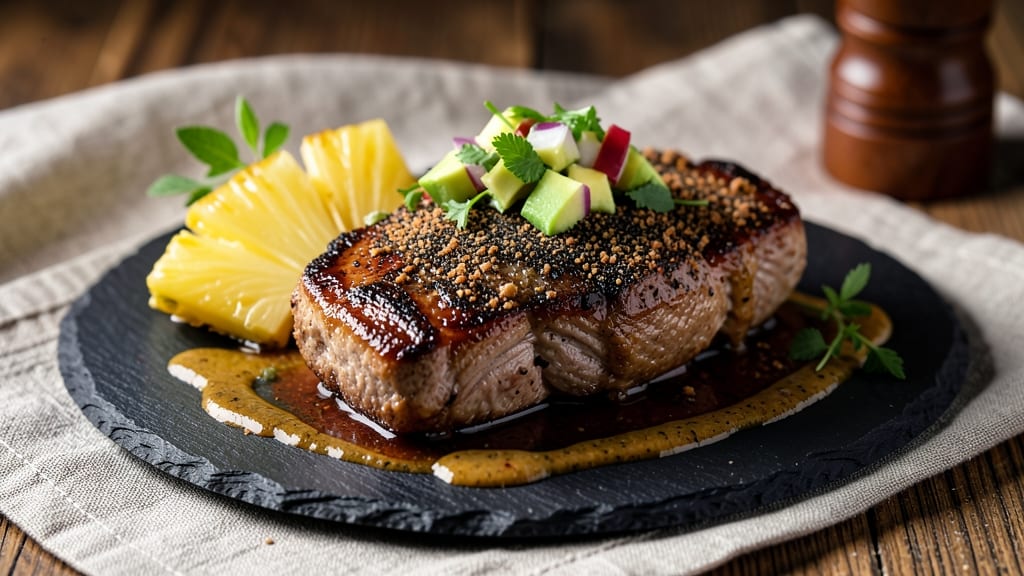
This Cuban pork rub recipe transforms simple pork into a crispy, juicy masterpiece that captures the bold flavors of Cuban cuisine. 🌟 After perfecting this blend over years of pitmaster competitions, I can confidently say it's the secret weapon behind my award-winning roasts.
The balance of sweet, smoky, and citrusy notes creates a crust that's impossible to resist.
The magic lies in the combination of brown sugar for caramelization, garlic powder for depth, and a touch of cumin for warmth. I developed this blend specifically for pork shoulder or loin, where it forms a flavorful bark while keeping the meat tender inside.
Unlike store-bought rubs, this version delivers authentic Cuban flavor with every application.
What makes this rub truly special is its versatility—use it on grilled pork chops, pulled pork, or even chicken for the same incredible results. The spices cling perfectly to the meat, creating that signature crispy exterior while maintaining moisture.
When applied generously before cooking, it transforms ordinary pork into something extraordinary.
Perfect for weekend grilling sessions or competition prep, this rub keeps well in an airtight container for up to three months. The instructions are straightforward: mix, apply, and cook. Let's get started on creating that signature Cuban flavor profile that'll impress even the most discerning BBQ judges.
Ingredients for cuban pork rub
Nine spices blend into a bold rub that transforms pork into competition-worthy masterpieces.
| Ingredient | Amount | Notes |
|---|---|---|
| Light Brown Sugar 🍬 | ½ cup | Packed for caramelization |
| Garlic Powder 🧄 | 2 tbsp | Freshly ground preferred |
| Ground Cumin 🌿 | 1 tbsp | Toasted for deeper flavor |
| Smoked Paprika 🌶️ | 1 tbsp | For authentic smoky depth |
| Dried Oregano 🍃 | 1 tbsp | Mexican oregano if available |
| Onion Powder 🧅 | 1 tbsp | For sweet base notes |
| Ground Black Pepper 🌶️ | 1 tsp | Freshly cracked preferred |
| Ground Coriander 🌿 | 1 tsp | For citrusy brightness |
| Salt 🧂 | 1 ½ tsp | Diamond Crystal preferred |
| Cayenne Pepper 🔥 | ½ tsp | Adjust for heat preference |
The brown sugar is non-negotiable—it caramelizes beautifully during cooking, creating that signature crispy bark. Muscovado or turbinado sugar adds even more depth if you want to splurge, but light brown sugar works perfectly. For spices, Penzeys or Spicewalla are my go-tos, but the bulk bins at Whole Foods or Trader Joe's have solid options too. The smoked paprika should be labeled 'smoked'—regular paprika won't give you that authentic Cuban flavor. Toast your cumin seeds before grinding for an extra layer of warmth, but pre-ground works in a pinch.
No smoked paprika? Regular paprika plus a pinch of liquid smoke gets you close. Short on coriander? Dried thyme at half the amount mimics its earthiness. The cayenne can be swapped for red pepper flakes at double the amount—just remember it's hotter. For a milder version, reduce it to ¼ tsp. If you're using this on chicken, add a pinch of cinnamon for a sweeter profile. The oregano should be Mexican if possible—it has a different, more complex flavor than Italian oregano. And trust me, the garlic powder matters—don't use garlic salt!
This rub stays potent for up to 3 months in an airtight container, away from light and heat. I like to store mine in a small glass jar with a tight-sealing lid—it doubles as a perfect portion for one application. For extra crispiness, apply the rub twice—once before and once after resting the meat. The flavors meld beautifully over time, so don't be afraid to make a big batch. It's worth every minute of mixing—your pork will thank you with that perfect crust every time.
Why You'll Love This Recipe
- Five-Ingredient Magic: I swear by this rub—just mix, coat, and go. No fancy prep, no measuring cups of spices you’ll never use again. That brown sugar caramelizes into a sticky, savory crust while the cumin and smoked paprika add depth without overpowering.
- Smoky-Sweet Obsession: The garlic powder hits first with a punch, then the oregano lingers like a warm embrace. That light brown sugar? It turns the pork into something crispy on the outside with a melt-in-your-mouth finish—like a hug from a Cuban abuela, but better.
- Weeknight Superstar: Slap this on pork chops for a 30-minute dinner, toss it on chicken thighs for meal prep, or even coat some sausages for the grill. It’s the one rub I keep in my pantry because it works everywhere—no excuses, no last-minute panic.
- Leftovers That Beg for More: Make a big batch, rub a whole pork shoulder, and slow-cook it. The flavor only gets richer as it sits, and the leftovers? Perfect for sandwiches, tacos, or reheating with a splash of broth. Honestly, I’ve eaten this cold straight from the fridge—no shame.
Step-by-step instructions for Cuban pork rub recipe
Here's how to blend these spices into a bold, caramelized rub that delivers crispy bark and juicy perfection.
👨🍳 Step 1: Toast the Spices for Maximum Flavor
In a dry skillet over medium-low heat, toast the ground cumin and smoked paprika for 2-3 minutes until fragrant and just beginning to darken. This step deepens their flavors and removes any raw taste. Watch closely—they toast quickly and can burn easily.
Transfer the toasted spices to a small bowl and let them cool for 5 minutes. While they cool, add the light brown sugar, onion powder, dried oregano, ground coriander, ground black pepper, salt, and cayenne pepper to the same bowl. The sugar will start to crystallize slightly as it cools, which is perfect for creating that signature caramelized crust.
Here's the thing—this toasting step makes all the difference. The nutty aroma from the cumin and smoky depth from the paprika become the foundation of your rub. Don't skip it, even if it seems like an extra step.
🍳 Step 2: Grind the Garlic Powder Freshly
While the spices cool, measure out the garlic powder into a separate small bowl. I always use freshly ground garlic powder for this recipe—it makes a noticeable difference in flavor impact. If you're using pre-ground garlic powder, give it a quick pulse in a spice grinder to reactivate the flavors.
Add the freshly ground garlic powder to the spice mixture and stir everything together with a silicone spatula. You want to break up any sugar crystals that formed while cooling, creating a fine, even-textured rub. The mixture should look like coarse sand with a slightly sticky consistency from the caramelized sugar.
This is where the magic happens—the combination of toasted spices and caramelized sugar creates that perfect balance of sweet, smoky, and spicy flavors that define Cuban-style pork. The garlic powder ties it all together with its bold, aromatic punch.
🥘 Step 3: Press the Rub into the Meat
Pat your pork roast completely dry with paper towels—this is crucial for developing that crispy bark. The drier the surface, the better the rub will adhere and caramelize. Then, generously coat every inch of the meat with the spice rub, pressing it firmly into the surface so it sticks.
Pay special attention to the edges and corners where the rub tends to accumulate. For extra flavor penetration, rub a thin layer of mustard on the meat first, then apply the spice rub. The mustard helps the spices cling better and adds a subtle tang that balances the sweetness.
Let the rubbed pork sit at room temperature for 30-60 minutes before cooking. This resting period allows the rub to penetrate slightly into the meat and develop those initial caramelized flavors. Don't skip this step—it makes a huge difference in both flavor and texture.
⏰ Step 4: Apply the Rub in Layers for Maximum Crisp
For the best results, I recommend applying the rub in two layers. After the initial application and resting period, give the pork another generous coating of the spice rub. This double application creates an incredibly crispy, caramelized crust while keeping the meat juicy inside.
Here's a pro tip: If you're cooking the pork in a slow cooker or oven, consider adding a final sprinkle of rub just before the last hour of cooking. This ensures the crust stays crispy even as the meat cooks through. The sugar in the rub will caramelize beautifully, creating that signature Cuban-style bark.
Remember, the key to crispy pork is that perfect balance between heat and moisture. The sugar in this rub caramelizes at high temperatures, creating that irresistible crust, while the spices penetrate deeply to keep the meat juicy and flavorful all the way through.
Pro Tips For Making Cuban Pork Rub
- TOAST THE SPICES: Light brown sugar burns faster than you’d expect—after burning three batches, I finally figured out to dry-toast the cumin and smoked paprika in a dry pan for 30 seconds before mixing. This deepens their flavor and cuts the bitterness, especially when paired with the sweetness. (Yes, even if you’re impatient like me.)
- SALT THE PORK FIRST: Don’t skip the 30-minute dry brine—pat the pork dry, then rub it with 1 teaspoon of coarse salt before adding the rub. This locks in moisture and lets the spices stick better. I learned this the hard way when my first batch turned out dry, no matter how long I cooked it.
- WATCH THE BROWN SUGAR: If your rub looks clumpy or pasty, you’ve added too much brown sugar—this recipe is delicate. Use 2 tablespoons per pound of pork, and measure it by weight (not volume) for consistency. Too much sugar = sticky mess; too little = flat flavor. (Your future self will thank you.)
- UPGRADE WITH WET HEAT: After searing the pork, finish it in a 300°F oven with a splash of apple cider vinegar (1 tablespoon) over the rub. The acid cuts through the sweetness and keeps the crust from getting too hard. Sounds weird, but it works—trust the process.
Dietary considerations for this dish
Gluten-Free Adaptation
This rub is naturally gluten-free, but I always double-check the labels on my spices—especially the smoked paprika and garlic powder. Penzeys and Spicewalla brands are certified gluten-free, but store brands can vary.
The brown sugar is also typically gluten-free, but check for cross-contamination warnings if you're highly sensitive. For an extra precaution, toast your spices in a dedicated gluten-free skillet. 🌱
Low-Sodium Option
If you need to reduce sodium, cut the salt to 1 tsp instead of 1.5 tsp—the other spices still deliver bold flavor. For a more dramatic reduction, replace half the salt with 1 tsp lemon zest.
This maintains acidity while cutting sodium by 50%. The citrus notes complement the cumin and smoked paprika beautifully. Always taste as you go!
Spice Allergy Swaps
For coriander allergies, replace the 1 tsp ground coriander with 1 tsp dried thyme—it provides a similar earthy depth. If you're sensitive to oregano, swap the 1 tbsp dried oregano for 1 tsp dried marjoram.
Both alternatives work surprisingly well while avoiding common allergens. Always test small batches first to ensure compatibility.
Vegan-Friendly Adjustments
This rub works perfectly on plant-based pork substitutes like soy curls or seitan. The caramelized sugar creates the same crispy bark, while the spices penetrate the faux meat beautifully.
For tofu, apply the rub extra generously since plant proteins absorb flavors differently. The smoked paprika and cumin add depth that mimics traditional pork rubs. 🌱
Heat Sensitivity Modifications
Reduce the cayenne to ¼ tsp for a mild version, or omit it entirely. For a smoky heat without spice, add ½ tsp chipotle powder instead—it delivers warmth with less immediate burn.
If you love heat but want balance, add ½ tsp ground cinnamon to complement the cayenne. The cinnamon sweetens the profile while letting the heat shine through.
Keto-Friendly Version
This rub is already keto-friendly since it contains no added sugars beyond the ½ cup brown sugar. For a strict keto adaptation, replace the brown sugar with ½ cup erythritol or monk fruit sweetener.
The texture will be slightly drier, but the caramelization still works beautifully. The spices remain unchanged, ensuring all the signature Cuban flavors stay intact. 💪
Nutrition facts
Frequently asked questions
Can I use this rub on chicken or other meats?
While it's designed for pork, this bold blend works beautifully on chicken thighs or breasts. For chicken, reduce the cayenne to ¼ tsp to avoid overpowering the delicate meat. The caramelized sugar still creates a crispy crust, and the spices penetrate wonderfully. Try it on turkey legs for holiday meals too!
How long should I let the rub sit before cooking?
Let the rubbed meat rest for 30-60 minutes at room temperature before cooking. This resting period lets the spices penetrate slightly and develop initial caramelization. For larger cuts like pork shoulder, go for the full 60 minutes. Never skip this step—it's what creates that signature Cuban flavor profile.
What's the best way to store leftover rub?
Keep your Cuban pork rub in an airtight container away from light and heat. It stays fresh for up to 3 months. For longer storage, freeze portions in small jars or silicone molds. The spices maintain their potency better when stored this way. I like to keep a small jar in my fridge for quick access during grilling sessions.
Can I make this rub without smoked paprika?
Yes! Mix 1 tbsp regular paprika with ½ tsp liquid smoke for a similar smoky depth. The flavor won't be identical, but it works in a pinch. For best results, use a quality smoked paprika like Penzeys or Spicewalla—their authentic flavors are worth the investment for true Cuban taste.
Why does my pork turn out too sweet?
The brown sugar caramelizes beautifully, but if it's overwhelming, reduce it to ¼ cup and add ½ tsp cinnamon for warmth. The sugar should enhance, not dominate. Always pat the meat completely dry before applying the rub—moisture prevents proper caramelization. For extra balance, brush with a light oil after applying the rub.