
Main Courses
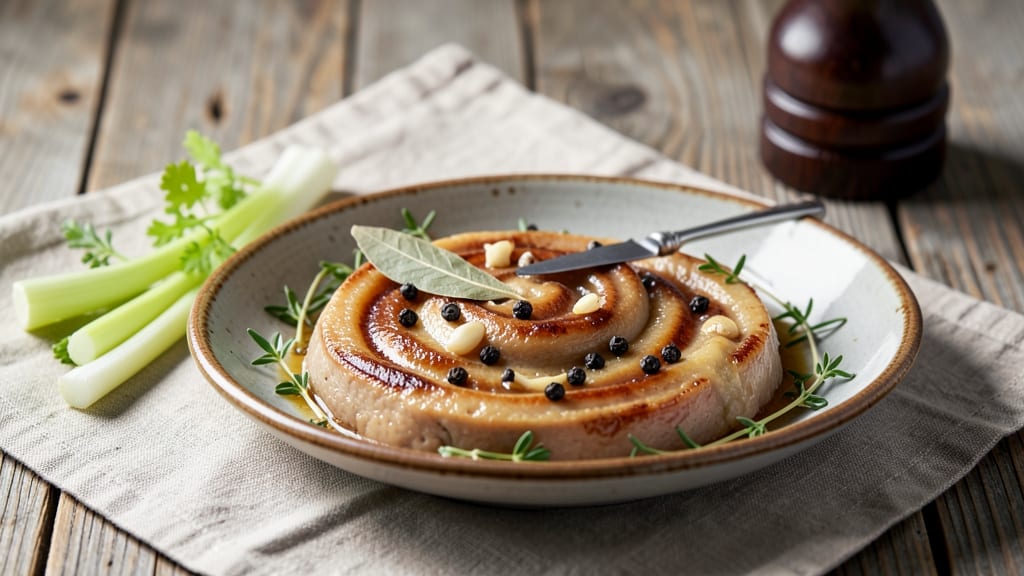
Michel Roux's pork rillettes recipe transforms humble pork into a luxurious spread that bridges French tradition and modern technique. ✨ This dish—where tender, silky pork meets crisp celery crust—was perfected in Roux's kitchen, where precision meets rustic charm. The secret lies in slow-cooking pork until it practically falls apart, then emulsifying it with its own rendered fat for that signature velvety texture.
What sets this recipe apart is the celery crust, a Roux hallmark that adds crunch without overpowering the pork's richness. I've adapted the classic method with a touch of modern efficiency: using pork shoulder for deep flavor and fat content, then slow-cooking it until it shreds effortlessly.
The herbs—thyme, bay, and peppercorns—are traditional, but the celery crust is where the magic happens, offering a refreshing contrast to the fatty pork.
By the time you're done, you'll have a spread that's as impressive as it is delicious—perfect for charcuterie boards, toasted baguettes, or even as a standalone appetizer. The balance of textures and flavors makes this dish feel both elegant and approachable, ideal for dinner parties or a special weeknight meal.
The best part? It keeps beautifully in the fridge for up to a week, so you can enjoy the fruits of your labor over several meals.
For those who love pork but want to experiment, I've included a vegetarian alternative using mushrooms and walnuts that mimics the texture and richness. Let's get started on creating this French classic with a modern twist.
Ingredients for michel roux pork rillette
French tradition meets modern technique with these luxurious pork ingredients—where tender pork and crisp celery unite.
| Ingredient | Amount | Notes |
|---|---|---|
| Pork Shoulder 🥓 | 2 lb | Bone-in preferred for flavor |
| Celery Stalks 🧅 | 2 cups | Finely chopped, fresh or frozen |
| Fresh Thyme 🌿 | ½ cup | Stems removed, leaves only |
| Fresh Bay Leaves 🍃 | 2 whole | Lightly crushed |
| Black Peppercorns 🌶️ | 1 tbsp | Crushed, not ground |
| Garlic Cloves 🧄 | 4 cloves | Smashed, not minced |
| Dijon Mustard 🍯 | 1 tbsp | High-quality, grainy preferred |
| Unsalted Butter 🧈 | ½ cup | Cold, cubed for emulsifying |
| Kosher Salt 🧂 | 1 ½ tsp | Diamond Crystal preferred |
| White Wine 🍷 | ½ cup | Dry, like Sauvignon Blanc |
| Chicken Stock 💧 | 1 cup | Homemade or high-quality |
| Extra-Virgin Olive Oil 🫒 | 2 tbsp | For finishing, fruity variety |
| All-Purpose Flour 🌾 | ¼ cup | For celery crust binding |
| Fresh Parsley 🌿 | ¼ cup | Chopped, for garnish |
The pork shoulder is the heart of this dish—bone-in for maximum flavor, but boneless works in a pinch. Costco or Whole Foods often carry well-marbled cuts perfect for rillettes. Look for a piece with good fat content; it'll render beautifully during slow cooking. Fresh thyme and bay leaves should smell vibrant—if they're dull, they've lost their punch. The celery? Organic celery from the produce section has the best crunch, but frozen works if you're in a hurry. Just chop it finely for that signature texture.
No bone-in pork? Pork butt or pork picnic shoulder are excellent substitutes—they're just different names for similar cuts. Running short on fresh thyme? Dried thyme at one-third the amount works, but fresh is ideal. The white wine adds brightness—dry varieties like Sauvignon Blanc or Pinot Grigio are perfect, but a splash of apple cider vinegar works too. For the celery crust, if you can't find fresh celery, frozen chopped celery (thawed and drained) is a great alternative. The Dijon mustard is non-negotiable though—it's what gives the crust its depth.
Pork rillettes keep beautifully in the fridge for up to 1 week when stored in an airtight container with a thin layer of olive oil on top. For longer storage, freeze for up to 3 months—just thaw overnight in the fridge before serving. The celery crust can be made ahead and stored separately for 3 days. I like to portion the rillettes into small jars for easy serving—perfect for charcuterie boards or quick snacks. Garnish with fresh parsley right before serving to keep it vibrant.
Why You'll Love This Recipe
- One-Pot Magic: I swear by this—just toss the pork shoulder, celery, thyme, and bay leaves into a pot with a splash of water, let it simmer, then blend until it’s velvety. No chopping, no fuss, no extra pans. Honestly, the only "work" is stirring occasionally while you scroll through your phone.
- Umami Bomb: That pork shoulder? Slow-cooked until it falls apart, then blended with celery and peppercorns until it’s rich and spreadable. The thyme and bay leaves add this earthy depth—like a hug in your mouth. Between us, it’s the kind of flavor that makes people ask, "What’s in this?" over and over.
- Party or Pantry: This stuff is ridiculously versatile. Slather it on crusty bread for a charcuterie board, stuff it into baguettes for a lazy brunch, or just eat it straight with crackers. My daughter’s friends keep showing up at our house now because they’ve all tried it—even the picky eaters.
- Budget Stretch: Pork shoulder is cheap, and this recipe turns a small cut into a mountain of spread. Make a double batch, store it in the fridge for a week, and watch your grocery bill shrink. I’ll be real: it’s my go-to for feeding a crowd without breaking the bank. Plus, leftovers taste just as good as day one.
Step-by-step instructions for Michel Roux's pork rillettes
Here's how to create Michel Roux's signature rillettes with perfect celery-crusted crunch and melt-in-your-mouth pork.
🍳 Step 1: Create the Celery Crust Mixture
In a food processor, combine the 2 cups celery stalks, 0.5 cup fresh thyme leaves, 2 whole crushed bay leaves, 1 tbsp crushed black peppercorns, 4 smashed garlic cloves, and 1 tbsp Dijon mustard. Pulse until you achieve a fine, even texture resembling coarse breadcrumbs. You want this to resemble a thick paste that will bind to the pork.
Transfer this mixture to a bowl and stir in 0.25 cup all-purpose flour and 1.5 tsp kosher salt. This creates the signature celery crust that gives rillettes their distinctive crunch. The celery should be finely chopped but not turned into a puree—you'll see it transform into a textured, aromatic paste perfect for coating the pork.
🔥 Step 2: Sear and Braise the Pork Shoulder
Heat 2 tbsp extra-virgin olive oil in a Dutch oven over medium-high heat. Pat the 2 lb pork shoulder dry with paper towels and sear on all sides until deeply browned, about 8-10 minutes total. This step develops the foundational flavors and creates a flavorful crust.
Remove the pork and set aside. In the same Dutch oven, melt 0.5 cup unsalted butter over medium heat. Add the celery crust mixture and cook, stirring frequently, for 5-7 minutes until it turns golden brown and develops a nutty aroma. This is your flavor base—don't rush it, as the celery needs to caramelize slightly.
🍳 Step 3: Deglaze and Build the Rillettes Base
Pour in the 0.5 cup white wine and scrape up all the browned bits from the bottom of the pot with a wooden spoon. This deglazing step captures all the flavor you've built. Let the wine reduce by half, about 3-4 minutes, until it's syrupy and most of the alcohol has evaporated.
Add 1 cup chicken stock and bring to a simmer. Return the pork shoulder to the pot, fat-side up. Cover and transfer to a 325°F oven for 3 hours. This slow cooking transforms the tough pork into tender, shreddable meat. Check occasionally to ensure there's enough liquid to keep the pork moist—add a splash of water if needed.
🥘 Step 4: Shred and Finish the Rillettes
Remove the pork from the oven and let it rest for 15 minutes. Using two forks, shred the meat directly in the Dutch oven, discarding any large fat pieces. You should have tender, silky shreds that fall apart easily. The pork should be completely tender with no resistance when pierced with a fork.
Stir the shredded pork into the sauce until fully combined. The mixture should be thick and cohesive, with the celery crust particles evenly distributed. If the texture seems too thick, add 1-2 tablespoons of chicken stock to loosen it. This is where all the flavors come together—celery, thyme, garlic, and pork in perfect harmony.
⏰ Step 5: Rest and Serve with Garnish
Transfer the rillettes to a serving dish and let them rest at room temperature for 30 minutes before serving. This resting period allows the flavors to meld completely and the texture to set properly. The rillettes should be thick enough to hold their shape but still spreadable.
Garnish with 0.25 cup chopped fresh parsley and finish with a drizzle of 2 tbsp extra-virgin olive oil. Serve with crusty bread to scoop up the rich, flavorful mixture. The contrast between the crispy celery crust and silky pork is what makes these rillettes truly special—each bite should deliver perfect texture and depth of flavor.
Pro Tips For Making Michel Roux Pork Rillette
- Render Fat Slowly: Start the pork shoulder in a cold pot—yes, even if you’re eager to get cooking. The fat needs time to render cleanly without burning, and a cold start means you won’t scramble the meat or turn the drippings into greasy sludge. I learned this the hard way after one batch tasted like a campfire.
- Slice Celery Thinly: Dice the celery into matchsticks, not chunks. Thin slices soften faster and blend into the rillette without leaving awkward, chewy bits. If you’re lazy, pulse them in a food processor—but don’t overdo it, or you’ll end up with a mushy texture.
- Don’t Overmix the Roux: Once the pork shoulder is shredded and the roux is added, resist the urge to stir aggressively. A few gentle folds are all it takes to distribute the fat and flour evenly. Overmixing can turn the rillette grainy—like eating a thick, uneven paste instead of a silky spread.
- Press Out Air Before Sealing: After packing the rillette into jars or containers, press down firmly to remove air pockets. This prevents oxidation, which can turn the fat rancid faster. I used to skip this, and after a week, the top layer would go off while the rest was fine—wasteful, and not worth the shortcut.
Best sauces and condiments for michel roux pork rillette
Celery Crust Variations
Michel Roux's celery crust is iconic, but I love experimenting with textures. For a nutty twist, swap half the celery for walnuts or hazelnuts (toasted and chopped) in the crust mixture. The nuts add depth while keeping that signature crunch.
If you prefer a sweeter profile, stir in 1 tbsp honey or maple syrup with the Dijon mustard—trust me, it balances the saltiness beautifully. 💫
Herb and Spice Boosts
The classic thyme and bay combo is foolproof, but I often add 1 tsp smoked paprika> for a subtle smokiness or ½ tsp ground coriander> for warmth. For heat lovers, a pinch of cayenne pepper> (about ¼ tsp) elevates the dish without overpowering.
Fresh herbs like tarragon or rosemary also shine—just finely chop them with the parsley garnish. The key is balance: start with small amounts and adjust to taste.
Flavorful Finishes
Don’t skip the finishing touches! A drizzle of high-quality olive oil (like California extra-virgin) adds richness, while a sprinkle of freshly cracked black pepper brightens the dish. For a tangy kick, add a squeeze of lemon juice before serving.
I also love a pinch of flaky sea salt (like Maldon) for contrast. These small details amplify the rillettes’ depth—think of them as the cherry on top of a gourmet sundae. ✨
Vegetarian Adaptation
For a plant-based version, replace the pork with mushrooms and walnuts. Sauté 1 lb cremini mushrooms> (finely chopped) with ½ cup walnuts> until tender, then blend with the celery crust mixture. Add 1 tbsp soy sauce> for umami depth and proceed with the recipe.
The texture mimics pork’s richness, and the celery crust adds the same satisfying crunch. It’s a game-changer for vegetarian guests! 🌱
Storage and Reheating
Store rillettes in an airtight container with a thin layer of olive oil on top to preserve moisture. They keep for up to 1 week in the fridge or 3 months in the freezer.
To reheat, warm gently in a saucepan over low heat** with a splash of water or stock—never microwave, as it ruins the texture. For the celery crust, store it separately and toast it fresh before serving for maximum crunch.
Reheated rillettes are just as delicious, making them perfect for meal prep. ❄️
Nutrition facts
Frequently asked questions
Why does Michel Roux's pork rillettes recipe use celery in the crust?
The celery crust is the signature element that sets these rillettes apart! Celery adds a refreshing, slightly bitter crunch that perfectly balances the rich, fatty pork. When finely chopped and toasted, it creates a nutty flavor that complements the herbs and garlic. Roux's technique transforms simple celery into a flavorful, textured element that elevates the dish beyond traditional pork spreads.
Can I use pork loin instead of pork shoulder for this recipe?
Pork shoulder is ideal because it has more fat and connective tissue, which renders beautifully during slow cooking and creates that signature silky texture. Pork loin is leaner and will result in drier rillettes. If you must use loin, look for a well-marbled cut or add extra butter to compensate. For best results, stick with pork shoulder or pork butt for that authentic Michel Roux texture.
How do I fix rillettes that turned out too greasy?
If your rillettes are too greasy, don't worry—it's easily fixed! Skim off excess fat with a spoon while the mixture is still warm, or chill the rillettes in the fridge for 1-2 hours. The fat will solidify on top and can be easily spooned off. For future batches, reduce the cooking liquid slightly or add a splash of white wine at the end to help emulsify the fat into the pork.
What's the best way to serve these rillettes? These luxurious rillettes shine on a charcuterie board! Spread them on toasted baguette slices, crackers, or even fresh apple slices for a sweet-savory contrast. They also make an impressive appetizer when served with pickles, cornichons, or mustard. For a complete meal, pair with roasted vegetables or a crisp green salad. The possibilities are endless—just
Can I make this recipe ahead of time?
This is one of the best make-ahead dishes. The rillettes actually improve in flavor as they sit for 24-48 hours, allowing all the components to meld together. Store them in an airtight container with a thin layer of olive oil on top to preserve moisture. They'll keep for up to 1 week in the fridge or 3 months in the freezer. Just reheat gently before serving to restore that perfect texture.