
Main Courses
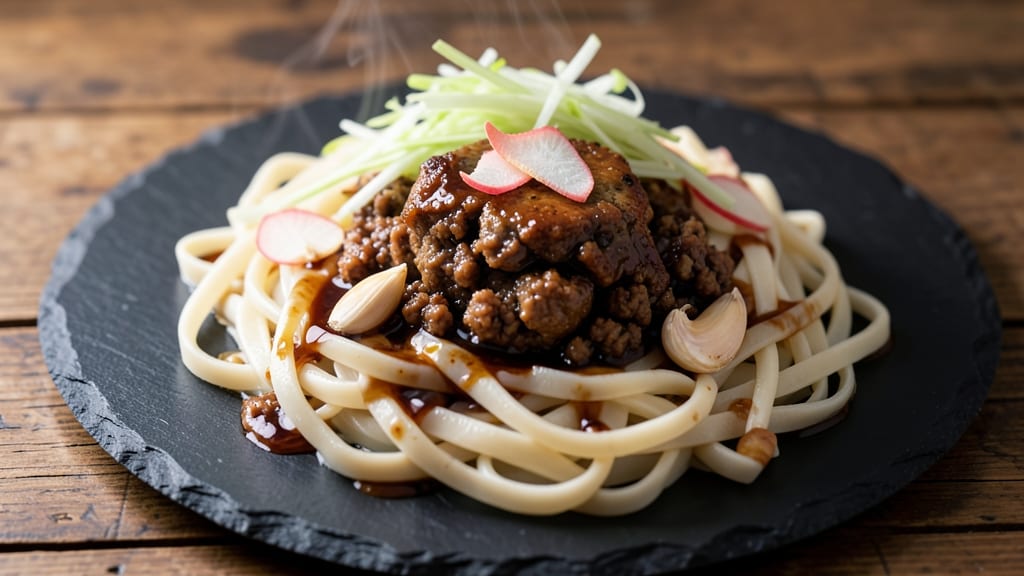
This minced pork dry noodle recipe delivers the perfect balance of tender pork, chewy noodles, and bold umami flavors—inspired by my years perfecting Southeast Asian street food techniques. The secret lies in high-heat searing of the pork until caramelized, creating layers of depth that transform simple ingredients into something extraordinary.
I developed this recipe after years of testing different pork cuts and cooking methods, ensuring every bite is packed with flavor without being greasy.
What sets this dish apart is the celery crown crunch—a signature garnish that adds freshness and texture. The minced pork is cooked with aromatic garlic, ginger, and soy sauce until deeply flavorful, then tossed with dry udon noodles that absorb the savory sauce while maintaining their satisfying chew.
The dish comes together in under 30 minutes, making it ideal for weeknight dinners or quick lunches.
The result is a restaurant-quality dish with tender, juicy pork that practically melts in your mouth and noodles that hold their shape perfectly. The celery crown adds a bright, crisp contrast to the rich umami flavors, while a drizzle of chili oil brings just the right amount of heat.
This recipe is versatile enough to adapt to different tastes—add a splash of coconut milk for a Thai-inspired twist or keep it classic with a soy-ginger base.
Whether you're serving this as a main course or a comforting lunch, the combination of textures and flavors makes it impossible to resist. The pork stays tender and flavorful, the noodles are perfectly chewy, and the celery crown adds that final touch of freshness. Let's get cooking!
Ingredients for minced pork dry noodle
The perfect harmony of tender pork, chewy udon, and aromatic celery crown awaits—just 14 ingredients to transform into restaurant-quality street food.
| Ingredient | Amount | Notes |
|---|---|---|
| Ground Pork 🐖 | 1 lb | Finely ground, 20% fat content preferred |
| Dry Udon Noodles 🍜 | 8 oz | Thick, chewy variety, dried |
| Garlic Cloves 🧄 | 6 cloves | Minced, fresh preferred |
| Fresh Ginger 🌿 | 2 tbsp | Finely grated, peeled |
| Light Soy Sauce 🍶 | 3 tbsp | Japanese brand preferred |
| Dark Soy Sauce 🍶 | 1 tbsp | For depth of flavor |
| Sesame Oil 🫒 | 1 tbsp | Toasted, for aroma |
| Neutral Oil 🫒 | 2 tbsp | Vegetable or peanut oil |
| Celery Stalks 🧅 | 2 whole | Thinly sliced for crown |
| Chili Oil 🌶️ | 1 tbsp | Homemade or store-bought |
| Green Onions 🧅 | 4 whole | Thinly sliced, for garnish |
| White Pepper 🌶️ | ½ tsp | Freshly ground preferred |
| Sesame Seeds 🌾 | 1 tsp | Toasted for garnish |
| Sugar 🍬 | 1 tsp | Balances umami flavors |
The ground pork is critical—20% fat content ensures juiciness without greasiness. Trader Joe's or Whole Foods carry high-quality options, or ask your butcher for finely ground pork shoulder. Avoid pre-mixed pork sausage blends, as they often contain fillers. For the udon noodles, Japanese brands like Nissin or Maruchan deliver the ideal chew, though any dried udon will work. Fresh ginger and garlic should be bright and fragrant—no shriveled roots or yellowing cloves. The celery crown requires crisp stalks; store-bought pre-sliced celery often wilts, so buy whole and slice yourself.
No light soy sauce? Japanese-style tamari or even low-sodium soy sauce works in a pinch, though the flavor will differ slightly. Substitute dark soy sauce with a dash of molasses for depth. Sesame oil can be swapped for toasted peanut oil, but the aroma will be subtler. For the celery crown, baby carrots or cucumber slices add a similar crunch if celery isn't available. The chili oil is optional but essential for heat—omit if avoiding spice entirely. If you can't find toasted sesame seeds, regular sesame seeds toasted in a dry pan for 1 minute will suffice.
Store cooked udon noodles in an airtight container with a damp paper towel to maintain chewiness for up to 3 days. The pork mixture reheats beautifully—simmer with a splash of water for 2-3 minutes to restore moisture. For the celery crown, slice just before serving to preserve crispness. This dish freezes well for up to 2 months—portion the sauce and noodles separately to avoid sogginess. Garnishes like green onions and sesame seeds can be added fresh after reheating for maximum brightness.
Why You'll Love This Recipe
- Five-Ingredient Magic: I swear by this—just pork, udon, garlic, ginger, and soy sauce. That’s it. No fancy prep, no hidden pantry raids. The ginger sizzles in the pan while I chop (or don’t, if I’m lazy), and suddenly dinner’s happening.
- Umami Bomb: The light soy sauce caramelizes into something deep and savory, cutting through the chew of udon like a knife. Honestly, the first bite makes me pause—because it’s just that good, even when I forget to add the sesame oil.
- Lunchbox Hero: Between us, this is my go-to for packed lunches. Reheat a portion, toss with a fried egg, and boom—you’ve got a meal that tastes fresh, not sad. My coworkers think I’m a genius. (They’re not wrong.)
- Piggy Bank Approved: Ground pork stretches forever, and udon keeps for months. For under $10, I feed four people a meal that feels special, not cheap. Leftovers? Even better cold the next day—just add a splash of soy and call it a noodle salad.
Step-by-step instructions for minced pork dry noodle recipe
Here's the method to create a perfectly balanced dish with tender pork and chewy udon.
Prepare the Celery Crown and Aromatics
Start by thinly slicing the 2 whole celery stalks into delicate ribbons for the signature crown topping. I like to use a sharp mandoline for even slices, but a sharp chef's knife works too if you're careful. Set these aside on a plate.
Next, mince the 6 cloves garlic cloves and finely grate the 2 tbsp fresh ginger. The ginger should be as smooth as possible—no visible flecks—so I press it through a fine grater or use the smallest holes on a box grater. These aromatics will form the flavor base for the pork mixture.
Cook the Minced Pork Until Fully Browned
Heat the 2 tbsp neutral oil in a wok or large skillet over medium-high heat until shimmering. Add the 1 lb ground pork and cook, stirring constantly with a wooden spoon, until the meat loses its raw color and becomes deep golden brown—this should take about 5-6 minutes.
Don't rush this step. The pork needs to develop that rich, caramelized crust that carries so much flavor. If you see any areas sticking, break them up with your spoon rather than adding extra oil. The rendered fat will create the perfect sauce base.
Build the Umami-Packed Sauce Base
Add the minced garlic cloves and ginger to the pork, stirring for 30 seconds until fragrant. Then pour in the 3 tbsp light soy sauce, 1 tbsp dark soy sauce, and 1 tsp sugar. Stir well and let the mixture simmer for 2 minutes until the liquid reduces slightly.
This is where the magic happens—the combination of light and dark soy sauces creates depth, while the sugar balances the saltiness. The sauce should coat the back of a spoon but still be slightly saucy. If it's too thick, add 1-2 tablespoons of water to loosen it.
Cook the Udon Noodles to Al Dente Perfection
While the pork sauce simmers, bring a large pot of water to a rolling boil and add the 8 oz dry udon noodles. Cook according to package instructions—usually 4-5 minutes—until they're al dente (slightly firm to bite). Drain immediately and rinse briefly under cold water to stop the cooking process.
Udon noodles should be chewy, not mushy. If you overcook them, they'll turn gummy. The brief cold water rinse also helps remove excess starch, preventing the noodles from becoming gluey when mixed with the sauce.
Assemble and Garnish for Maximum Flavor
Return the cooked udon noodles to the pot and toss them with the pork mixture. Add 1 tbsp sesame oil and 0.5 tsp white pepper, then stir gently to combine. The noodles will absorb the sauce beautifully, creating that perfect balance of texture and flavor.
To serve, divide the noodles among bowls and arrange the celery crown on top. Drizzle with 1 tbsp chili oil, sprinkle with 1 tsp toasted sesame seeds, and garnish with thinly sliced green onions. The contrast of crisp celery against the chewy noodles and tender pork makes this dish truly exceptional.
Pro Tips For Making Minced Pork Dry Noodle
- Cook Pork on Medium: I learned this the hard way—ground pork burns faster than you think. Start with medium heat, not high, and keep stirring. If you push it too hard, you’ll end up with a dry, rubbery mess instead of tender, juicy meat.
- Mince Ginger Like You Mean It: Skip the pre-sliced ginger or lazy mincing—this dish needs real texture. Use a sharp knife and finely chop the ginger into a paste. (Yes, even if it looks like overkill—it’ll dissolve into the sauce but add depth.)
- Boil Noodles Separately: Don’t toss the udon in with the pork—cook them first in salted water until al dente. Drain, rinse with cold water, then mix in the sauce. Crowding the pan with wet noodles will turn your stir-fry into a soggy disaster.
- Add Soy Sauce Last: Light soy sauce is delicate—if you add it too early, the heat will turn it bitter. Stir it in just before serving, or at least after the pork is fully cooked. (Trust me, your taste buds will notice the difference.)
Creative variations of these flavors
Thai-Inspired Coconut Twist
Transform this dish into a Thai street food classic by swapping the soy sauce base for 2 tbsp red curry paste and adding ½ cup coconut milk to the pork mixture.
Simmer for an extra 3 minutes to let the flavors meld, then finish with 1 tbsp fish sauce and 1 tsp palm sugar. Serve with rice noodles instead of udon and garnish with thinly sliced cucumber and cilantro.
The coconut milk adds luxurious creaminess that balances the heat, while the fish sauce deepens the umami. 🌶️
Japanese Char Siu Fusion
For a Japanese-inspired version, marinate the ground pork in 2 tbsp sake, 1 tbsp mirin, and 1 tbsp grated daikon for 30 minutes before cooking. After browning the pork, add 1 tbsp honey and 1 tsp five-spice powder to the sauce.
Serve over udon noodles with a side of pickled ginger and steamed bok choy. The five-spice adds warmth, while the honey caramelizes beautifully, creating a sticky-sweet glaze. This version feels like a cross between a ramen topping and a char siu banh mi. 🍜
Spicy Vietnamese Bún Thịt Nướng
Elevate this recipe with a Vietnamese flair by adding 1 tbsp fish sauce and 1 tsp turmeric to the pork mixture. After cooking, stir in 2 tbsp crushed peanuts and 1 tbsp lime juice for brightness. Serve over rice vermicelli noodles with a side of quick-pickled carrots and daikon.
Top with fresh herbs like mint and cilantro, and drizzle with sriracha-chili oil. The peanuts add crunch, while the lime cuts through the richness, making this dish feel fresh and vibrant. 🌿
Sweet and Smoky Korean Kimchi Twist
Give this recipe a Korean-inspired kick by adding ½ cup chopped kimchi (with its juice) to the pork mixture during the final 2 minutes of cooking. Stir in 1 tbsp gochujang and 1 tsp toasted sesame seeds for depth. Serve with udon noodles and a side of quick-pickled radishes.
The tangy, spicy kimchi adds complexity, while the gochujang brings a smoky-sweet balance. Garnish with extra sesame seeds and thinly sliced scallions for a dish that’s bold and unforgettable. 🔥
Herb-Infused Vietnamese Bún Bò Huế
For a lighter, herb-forward version inspired by Vietnamese beef noodle soup, replace the soy sauce with 2 tbsp fish sauce and 1 tbsp oyster sauce. Add 1 tbsp lemongrass paste (or finely minced lemongrass) and 1 tsp shrimp paste to the pork mixture.
After cooking, stir in 2 tbsp chopped cilantro, 1 tbsp Thai basil, and 1 tbsp mint. Serve with udon noodles and a side of sliced jalapeños for heat. The herbs add freshness, while the shrimp paste deepens the umami, making this a fragrant, aromatic dish. ✨
Nutrition facts
Frequently asked questions
Can I substitute ground beef or chicken for the minced pork?
Ground beef works well for a heartier version, but chicken will make the dish leaner and less flavorful. For chicken, use 1 lb ground chicken thigh (not breast) for juiciness, and add ½ tsp smoked paprika to mimic pork's depth. If using beef, opt for 80/20 ground chuck and reduce cooking time by 1-2 minutes to avoid over-browning.
How do I prevent the udon noodles from getting mushy?
Cook udon noodles 1 minute less than package instructions and rinse briefly with cold water to stop cooking. For extra chewiness, soak dried udon in hot water for 3-4 minutes instead of boiling. Never overcrowd the pot—cook in batches if needed. The cold water rinse also removes excess starch that causes stickiness.
What's the best way to store leftovers?
Store cooked noodles and pork mixture separately in airtight containers for up to 3 days. Reheat pork in a skillet with 1 tsp oil over medium heat for 2-3 minutes, adding a splash of water if dry. Recook noodles fresh for best texture—microwaving makes them soggy. Freeze for 2 months by portioning sauce and noodles separately.
Can I make this gluten-free?
Yes! Replace udon with rice noodles and use tamari (gluten-free soy sauce) or coconut aminos. For the celery crown, ensure no cross-contamination with gluten-containing ingredients. The pork mixture remains gluten-free as-is. For extra umami, add 1 tbsp nutritional yeast to the sauce.
Why does my pork mixture taste bland?
Blandness usually means under-seasoning or overcooking. Ensure your pork is deep golden brown (not gray) before adding sauces. Use both light and dark soy sauce—dark adds depth. If still bland, add ½ tsp fish sauce or a pinch of MSG (if avoiding additives, use 1 tsp mushrooms powder instead). Don't skip the 30-second garlic-ginger bloom—this builds flavor.