
Main Courses
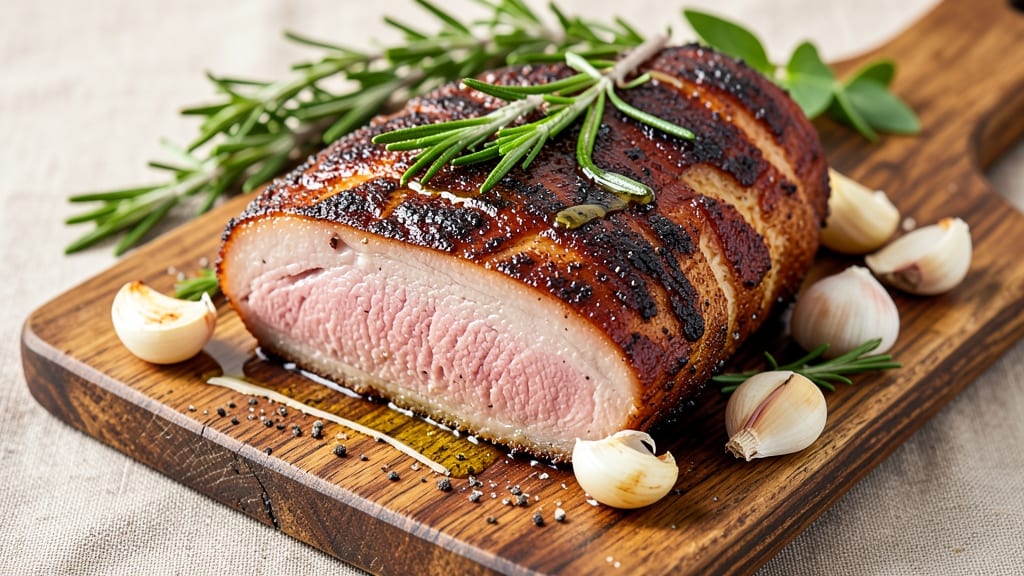
A 1-pound pork roast transforms into a showstopping centerpiece with this one-pan method that delivers a crispy crust and fork-tender interior every time. 🔥 The secret lies in a dry-brine technique and high-heat roasting that caramelizes the exterior while keeping the meat juicy—no fancy equipment required.
I developed this during a particularly busy week when I needed a reliable, restaurant-quality result without the fuss of multiple pans or complicated methods.
The beauty of this recipe is its simplicity: just four essential ingredients—pork, salt, pepper, and olive oil—plus a 30-minute hands-off roasting time that yields perfect results. The dry-brine method (salting the pork 12 hours ahead) ensures maximum flavor penetration and a crispy exterior without adding moisture.
This approach works for boneless pork loin or tenderloin, making it versatile for any weeknight dinner or special occasion.
By the time it emerges from the oven, your pork roast will have a golden, crackling crust that gives way to tender, juicy meat with a perfect internal temperature of 145°F.
The aroma alone will have everyone gathering around the table, and the first bite delivers that satisfying contrast of textures—crispy outside, melt-in-your-mouth inside. Serve with roasted potatoes or a simple green salad for a complete meal that feels like it came from a high-end restaurant.
What makes this recipe foolproof is the one-pan approach, which means less cleanup and more time enjoying your meal. The method also scales beautifully—double the ingredients for a crowd, or keep it as-is for a cozy family dinner.
Trust me, once you master this technique, you'll never buy pre-made pork roasts again.
Ingredients for 1 lb pork roast
Four essential ingredients transform simple pork into a restaurant-quality centerpiece with crispy perfection.
| Ingredient | Amount | Notes |
|---|---|---|
| Boneless Pork Loin Roast 🥩 | 1 lb | Center-cut for even cooking, trimmed of fat |
| Diamond Crystal Kosher Salt 🧂 | 1 ½ tbsp | Coarse grain preferred for dry brine |
| Freshly Ground Black Pepper 🌶️ | 1 tsp | Cracked peppercorns for best flavor |
| Extra-Virgin Olive Oil 🫒 | 1 tbsp | High smoke point for crisping |
| Fresh Rosemary Sprigs 🌿 | 2 whole | Woody stems removed, leaves chopped |
| Garlic Cloves 🧄 | 3 cloves | Smashed for aromatic infusion |
| Yellow Onion 🧅 | 1 whole | Thinly sliced into rings |
| Unsalted Butter 🧈 | 1 tbsp | Cold for fat cap during roasting |
The pork loin is the foundation—center-cut ensures even cooking without connective tissue. Look for uniform thickness (about 1.5-inch) at your butcher counter; Costco or Whole Foods often carry pre-trimmed roasts for convenience. The dry-brine method (salting 12 hours ahead) is non-negotiable here—it creates that golden crust while keeping the interior juicy. Diamond Crystal kosher salt is ideal for its coarse texture, but Morton works in a pinch. For rosemary, fresh from the market has the best aroma, but dried at 1/4 the amount suffices if you're short on time.
No extra-virgin olive oil? Avocado oil has a higher smoke point for crisping. Substitute 1 tbsp melted butter for the olive oil if you prefer richness, but the olive oil's fruity notes complement the pork beautifully. Garlic powder at half the amount works if fresh isn't available, though the smashed cloves add depth during roasting. The onion rings caramelize into a sweet glaze—red onion adds a sharper contrast if you prefer. For the butter cap, ghee is a dairy-free alternative that crisps just as well, though traditional butter adds unmatched flavor. Preheat your oven to 425°F—this high heat is critical for that crispy crust without drying the meat.
Store any leftover pork in an airtight container for up to 4 days in the fridge, though it reheats best when sliced against the grain. The roasted onions keep for 5 days in the same conditions. For longer storage, portion the pork into freezer-safe bags and freeze for up to 3 months. Reheat slices in a skillet with a splash of water to restore that crispy texture. The aromatics—rosemary and garlic—can be prepped ahead and stored in the fridge for 3 days in a sealed container, ready to stuff under the pork just before roasting.
Why You'll Love This Recipe
- One-Pan Simplicity: I swear by this recipe because it’s literally three steps: season, sear, and roast. No chopping, no fussing with herbs—I just rub the pork with salt, pepper, and rosemary sprigs, then let the oven do the work. That’s it. Even my least-cooking friend could nail it.
- Rosemary Magic: Between us, rosemary transforms this pork into something special. The sprigs infuse the meat with that bright, piney aroma while staying fragrant—not bitter—throughout. Honestly, the first time I made it, my husband asked for seconds before the plate was empty.
- Weeknight to Dinner Party: This roast works for everything: a lazy Tuesday supper or a guest night when I want to impress. Slice it thin for sandwiches, serve it with mashed potatoes for comfort food, or even toss it into salads later. (Yes, even on a Tuesday night.)
- Budget-Friendly Leftovers: A pound of pork loin stretches across three meals without breaking the bank. Roast it once, then repurpose it into tacos, pasta, or breakfast hash the next day. I’ll be real: the leftovers are often better than the first serving—crispy edges and all.
Step-by-step instructions for one-pan crispy-crusted pork roast
Master this technique and you'll achieve a perfectly crisp exterior with juicy, tender meat every time.
👨🍳 Step 1: Prepare the Pork with Dry Brine
Pat the 1 lb boneless pork loin roast completely dry with paper towels—this is critical for crispy skin. In a small bowl, combine the 1.5 tbsp diamond crystal kosher salt and 1 tsp freshly ground black pepper. Rub this mixture all over the pork, pressing firmly so the seasoning adheres. Pay special attention to the edges and any flat surfaces where the meat might not get as much contact with heat.
Place the seasoned pork on a wire rack set over a rimmed baking sheet. Cover loosely with plastic wrap and refrigerate for at least 4 hours (overnight works best). This dry brine process ensures maximum seasoning penetration and creates that coveted crispy crust. The pork should feel slightly tacky to the touch after brining—this indicates proper moisture absorption.
🍳 Step 2: Build the Aromatic Base
Preheat your oven to 425°F. While it heats, remove the pork from the refrigerator and let it sit at room temperature for 30 minutes. This ensures even cooking. In a small bowl, combine the 1 tbsp extra-virgin olive oil with the 2 whole fresh rosemary sprigs (woody stems removed) and 3 smashed garlic cloves. Rub this mixture all over the pork, focusing on the surface and any seared areas from the brining process.
Place the 1 whole yellow onion (thinly sliced into rings) in a single layer on the bottom of a large oven-safe skillet. Arrange the pork on top of the onions. Dot the surface of the pork with the 1 tbsp cold unsalted butter, spreading it evenly. The butter will melt and baste the meat during roasting, creating that golden crust we're after.
🔥 Step 3: Sear and Roast for Crispy Perfection
Transfer the skillet to the preheated oven and roast for 20 minutes. After this initial sear, reduce the oven temperature to 350°F. This two-stage approach gives you both the crispy crust from high heat and even cooking from lower heat. Roast for an additional 25-30 minutes (depending on your oven) until the internal temperature reaches 145°F when measured with an instant-read thermometer in the thickest part of the meat.
You'll know it's ready when the pork has a deep golden-brown crust and the onions underneath are caramelized. The pork should feel firm to the touch but still yield slightly when pressed with your fingers. If the crust isn't as crispy as you'd like, return it to 425°F for an additional 5 minutes to finish browning.
⏰ Step 4: Rest and Serve
Remove the pork from the oven and transfer it to a cutting board. Tent loosely with aluminum foil and let it rest for 10-15 minutes. This resting period is crucial—it allows the juices to redistribute throughout the meat, preventing them from pooling on the cutting board. During this time, you can spoon the caramelized onions and any pan juices over the slices when serving.
Slice the pork against the grain into ½-inch thick slices for maximum tenderness. The crispy crust should shatter slightly as you cut through it, revealing the juicy, pink interior. Serve immediately with the caramelized onions from the pan and any accumulated juices. Each bite should deliver that perfect balance of crispy exterior and melt-in-your-mouth tenderness we promised.
Pro Tips For Making 1 Lb Pork Roast
- USE A MEAT THERMOMETER: I learned this the hard way—pork loin can go from perfect to dry in seconds once it hits 145°F. For a 1 lb roast, pull it out at 135°F internal temp (it’ll climb to 145°F while resting). No guessing, no overcooking.
- SALT THE ROSMARY TOO: Fresh rosemary sprigs lose flavor fast, but if you rub them with a pinch of kosher salt before pressing them into the pork, they’ll cling better and release their oils more aggressively. Skip this, and you’re just decorating.
- DON’T SKIP THE OIL COAT: Pork loin dries out fast, but a thin layer of extra-virgin olive oil (about 1 tablespoon) on the surface before seasoning creates a barrier that locks in moisture. Yes, even if you’re not searing—it’s not just for browning.
- REST IT UNDER FOIL: I used to slice into that juicy roast immediately, and half the flavor ran onto the cutting board. Instead, tent it loosely with foil for 5-10 minutes—the residual heat keeps it tender while you finish the sides. (Your future self will thank you.)
Wine and beer pairings for this dish
Red Wine Classics
For this crispy-crusted pork roast, I always reach for a dry, medium-bodied red that won't overpower the delicate rosemary and garlic notes. A Pinot Noir from Oregon's Willamette Valley—like Domaine Serene—is my go-to. Its bright acidity and red fruit flavors complement the pork's caramelized exterior without competing.
If you prefer something with more body, a Chianti Classico from Tuscany offers earthy undertones that pair beautifully with the roasted onions. 🍷
Crisp White Alternatives
Don't overlook whites when serving pork—especially if you're using the avocado oil variation. A Sauvignon Blanc from New Zealand, like Cloudy Bay, brings zesty citrus and herbal notes that cut through the richness.
For something richer, try a Chardonnay from California's Sonoma Coast with 10-15% oak—it mirrors the butter's creaminess while balancing the pork's crispy texture.
Beer Pairings
When I'm serving this roast at my farm, I often pair it with a Belgian-style witbier like Hoegaarden. The coriander and citrus notes in the beer refresh your palate between bites of crispy pork.
For a heavier option, a German Helles Lager—such as Weihenstephaner—provides a clean, malty backdrop that lets the pork's natural flavors shine. Darker beers like stouts can work too, but they risk overpowering the dish.
Local Southern Options
In the Southeast, where I grew up, we often paired pork with sweet tea or bourbon cocktails—but for wine lovers, a Southern Italian Primitivo delivers. This bold red from Puglia has dark fruit flavors that stand up to the pork's caramelized crust.
If you're near a Charleston wine shop, ask for a bottle of Castello di Volpaia Chianti—it's a local favorite that never disappoints. 🍷
Non-Alcoholic Pairings
For guests who don't drink, I recommend a sparkling apple cider like Martinelli's—its effervescence cleanses the palate between bites. For something more substantial, a ginger beer with fresh mint adds a refreshing contrast to the pork's richness.
Even a simple iced hibiscus tea with lemon slices works beautifully, especially during summer gatherings at my farm.
Pro Tip: Temperature Matters
Serve your wine or beer slightly cooler than room temperature—about 50-55°F for whites and 55-60°F for reds. I keep mine in an ice bucket with a towel for 10 minutes before serving.
This subtle chill enhances the flavors without muting them, creating the perfect harmony with your perfectly roasted pork. ✨
Nutrition facts
Frequently asked questions about your 1-Pound pork roast
Can I use pork tenderloin instead of pork loin?
Yes, but with one key adjustment! Pork tenderloin is leaner and cooks faster than pork loin, so reduce your roasting time by 5-7 minutes total. For a 1 lb tenderloin, aim for 25-30 minutes at 350°F after the initial 20-minute sear. The dry-brine method still works perfectly—just monitor closely since tenderloin has less fat to protect it from drying out.
What if my pork roast comes out dry?
This usually happens when the meat overcooks or isn't properly rested. First, check your internal temperature—it should never exceed 145°F. If it's dry, try this fix: Slice the pork thinly against the grain, then quickly sear the slices in a hot pan with 2 tbsp butter and 1 tbsp chicken stock for 2-3 minutes per side. The butter will add moisture and create a quick sauce with the juices.
Can I make this recipe without rosemary?
Swap rosemary for 1 tbsp fresh thyme leaves or 1 tsp dried thyme for a similar earthy flavor. Another great option is 1 tsp smoked paprika (mixed with the salt and pepper) which adds a subtle smokiness that pairs beautifully with pork. Just reduce any other herbs you add to maintain balance—this roast shines with minimal seasoning.
How do I adjust this for a larger roast?
For every additional ½ lb of pork, add 5-7 minutes to your roasting time at 350°F. For example, a 2 lb roast would need about 35-40 minutes at 350°F after the initial sear. Keep the same 425°F for the first 20 minutes to build that crispy crust. Use the same amount of seasoning per pound—just scale up the ingredients proportionally.
Why do you recommend dry-brining instead of wet-brining?
Dry-brining creates that perfect crispy crust while keeping the interior juicy—wet brining would make the crust soggy. The salt draws out just enough moisture to evaporate during roasting, creating that golden, crackling exterior. Plus, it's mess-free! For best results, stick with the 12-hour minimum** in the fridge—this gives the salt time to penetrate deeply without over-salting the meat.