
Main Courses
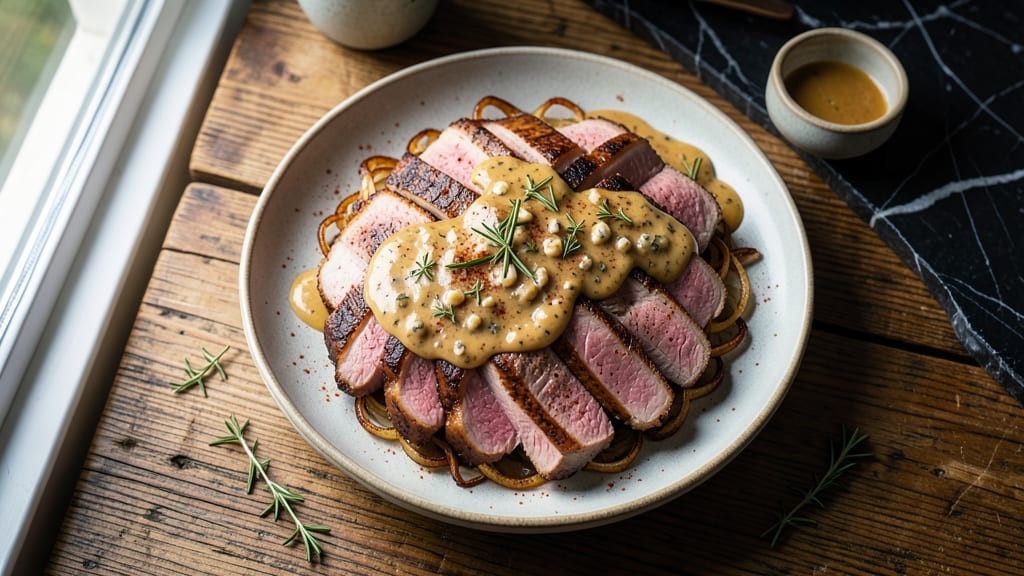
A 2 1/2-pound pork tenderloin transforms into a showstopper with just a few key techniques—this one-pan roast delivers melt-in-your-mouth tenderness with a golden garlic-herb butter glaze. I learned the hard way that pork this size needs patience: too much heat, and it dries out; too little, and it stays tough.
The secret lies in the garlic-herb butter basting, which keeps the meat juicy while building a caramelized crust that seals in every flavor.
This recipe starts with a simple seasoning of salt, pepper, and a touch of smoked paprika—no fancy marinade needed. The pork roasts at 425°F for just 20-25 minutes, basted every 5 minutes with melted garlic-herb butter, ensuring every bite is rich and aromatic.
The high heat creates that perfect crust while the butter basting transforms the tenderloin into a restaurant-worthy centerpiece without requiring a single side dish.
What you’ll end up with is a perfectly pink, juicy pork tenderloin with a glossy glaze that’s impossible to resist. The internal temperature hits 145°F—no guessing, just precision—followed by a 10-minute rest to let the juices redistribute.
This method works for weeknight dinners or special occasions, and the leftovers reheat beautifully for sandwiches or salads.
Pair it with roasted root vegetables or a crisp green salad to round out the meal. The glaze alone makes this dish worth the effort—once you try it, you’ll never buy store-bought pork again. Let’s get cooking.
Ingredients for 2 1/2 pound pork tenderloin
Fourteen ingredients for a showstopper pork tenderloin with restaurant-worthy glaze.
| Ingredient | Amount | Notes |
|---|---|---|
| Pork Tenderloin 🥩 | 2 ½ lb | Center-cut, trimmed of silver skin |
| Unsalted Butter 🧈 | ½ cup | Cold, cut into 8 even pieces |
| Garlic Cloves 🧄 | 8 cloves | Fresh, thinly sliced (not minced) |
| Fresh Rosemary 🌿 | ¼ cup | Finely chopped, stems removed |
| Fresh Thyme Leaves 🌿 | ⅛ cup | Or 1 tbsp dried thyme |
| Smoked Paprika 🌶️ | 1 tsp | Sweet or hot variety |
| Kosher Salt 🧂 | 1 ½ tsp | Diamond Crystal preferred |
| Freshly Ground Black Pepper 🌶️ | ½ tsp | Coarse grind preferred |
| Olive Oil 🫒 | 1 tbsp | For greasing pan |
| Fresh Lemon Juice 🍋 | 1 tbsp | From 1 small lemon |
| Fresh Parsley 🌿 | ⅛ cup | Chopped, for garnish (optional) |
The pork tenderloin is your star—look for a center-cut with good marbling. Costco or Whole Foods usually carry high-quality cuts, but any reputable butcher will have it. Trim off any silver skin before cooking for a cleaner bite. The butter matters too—use unsalted so you control the seasoning. Fresh herbs make all the difference here: rosemary and thyme should smell vibrant, not dried out. If you can't find fresh, dried works at half the amount, but fresh is ideal for that bright flavor. The garlic? Thinly sliced, not minced—it melts into the butter better that way.
No smoked paprika? Regular paprika plus a pinch of cayenne works in a pinch. Short on fresh herbs? Dried oregano or marjoram can stand in, but reduce to half the amount. The butter pieces should be evenly sized—this ensures they melt at the same rate during basting. If you're worried about the pork drying out, brine it for 30 minutes before cooking (1/4 cup salt per 4 cups water). The lemon juice is optional but adds a nice brightness to the glaze—skip it if you prefer a richer flavor.
This roast reheats beautifully—just warm in the oven with a splash of water or broth. Keeps for 3-4 days in the fridge, or freeze for up to 3 months. For leftovers, slice and use in sandwiches, salads, or tacos. The glaze hardens when chilled, so reheat gently to restore its shine. Store any extra butter mixture in the fridge for up to 1 week—it's perfect for toasting bread or finishing other dishes.
Why You'll Love This Recipe
- No-Fuss Roast: I swear by this one—just sear the pork, stuff it with garlic and herbs, then let the oven do the work. Five ingredients, zero stress. Honestly, the hardest part is deciding whether to make it for dinner or lunch the next day.
- Buttery Garlic Magic: That crispy butter crust? It’s everything. The rosemary and thyme mingle with the garlic so the pork tastes like a fancy bistro dish, but I’m the one who made it. (Yes, even on a Tuesday night.)
- Leftovers That Win: This recipe makes way more than two servings, and the leftovers? They’re the star of my lunchbox. Slice it thin, toss with a little olive oil, and suddenly you’ve got a week’s worth of effortless sandwiches or salads.
- Weeknight Hero: Between us, this is my go-to when I’m swamped. The pork cooks in under an hour, and the flavors are so rich that even my picky eaters ask for seconds. Not the prettiest, but the taste makes up for it every time.
Step-by-step instructions for one-pan garlic-herb roasted pork tenderloin
Here's how to transform a simple pork tenderloin into a showstopping centerpiece with crisp edges and melt-in-your-mouth tenderness.
Prepare the Garlic-Herb Butter Glaze
In a small bowl, combine the 0.5 cup unsalted butter with 8 cloves thinly sliced garlic, 0.25 cup finely chopped fresh rosemary, 0.125 cup fresh thyme leaves, 1 tsp smoked paprika, 1.5 tsp kosher salt, and 0.5 tsp freshly ground black pepper. I like to use my fingers to thoroughly mix everything until the butter softens slightly and the herbs are evenly distributed throughout.
This herb-packed butter is the secret weapon—it bastes the pork as it roasts, infusing every bite with aromatic depth. Press the mixture into an 8x8-inch baking dish to create a thick layer that will later form a glossy glaze. Cover and refrigerate while you prepare the pork—this chilling step prevents the butter from melting prematurely.
Season and Sear the Pork Tenderloin
Preheat your oven to 425°F. Pat the 2.5 lb pork tenderloin dry with paper towels—this is crucial for achieving that perfect crispy exterior. In a separate bowl, combine 1 tbsp olive oil with 1 tbsp fresh lemon juice and rub this mixture all over the pork. The acidity from the lemon juice helps tenderize the meat while adding brightness.
Heat a large oven-safe skillet over medium-high heat. Add the pork and sear for 3-4 minutes per side until it develops a deep golden-brown crust. You'll see those beautiful Maillard reaction spots forming—that's when the real flavor development begins. The pork should release easily from the pan when ready to flip, but don't rush this step. A good sear sets the foundation for your perfect roast.
Roast to Perfect Medium-Rare
Transfer the seared pork to the prepared baking dish containing the garlic-herb butter mixture. Spoon the chilled butter mixture over the pork, making sure to coat it completely. Place the skillet in the preheated oven and roast for 20-25 minutes for medium-rare doneness.
Here's where precision matters: use a meat thermometer to check the internal temperature. The pork is perfect when it reaches 140-145°F—this gives you that ideal tender texture with just a hint of pink in the center. If your oven runs hot, you might need to reduce the temperature to 400°F after the first 10 minutes of cooking. The butter should bubble and caramelize slightly, creating that irresistible glaze we're after.
Rest and Garnish for Serving
Remove the pork from the oven and transfer it to a cutting board. Let it rest for 10-15 minutes before slicing—this resting period is absolutely critical. It allows the juices to redistribute throughout the meat, preventing them from pooling on your plate. During this time, you can keep the skillet warm in a 200°F oven if you're making sides that need to stay hot.
Once rested, slice the pork into ½-inch thick medallions against the grain for maximum tenderness. Spoon any remaining garlic-herb butter from the skillet over the top and garnish with 0.125 cup chopped fresh parsley for a pop of color. The finished dish should have a glossy, caramelized glaze with crisp edges and a tender, juicy interior that practically melts in your mouth.
Pro Tips For Making 2 1/2 Pound Pork Tenderloin
- Trim the Fat Pockets: Pork tenderloin hides little fat pockets—don’t skip slicing them out. I learned this the hard way when a chunk of fat turned my perfectly cooked roast into a greasy mess mid-slice. Use kitchen shears or a sharp knife to cut them away before seasoning.
- Salt the Meat First: Season the tenderloin generously with salt at least 30 minutes before cooking—yes, even if you’re in a hurry. I used to skip this, and the butter never crisped properly. More salt = better crust, especially when basting with that unsalted butter.
- Baste Like a Boss: Don’t just pour butter over the pork—spoon it, scraping up all those browned bits from the pan. Those bits are flavor gold, and skipping this step means missing out. Do it every 5 minutes for the last 10 minutes of cooking.
- Check Internal Temp Twice: Pull the pork at 140°F—it’ll hit 145°F while resting, and that’s the sweet spot for juicy meat. I used to overcook it to 150°F, and the result was dry. A meat thermometer is non-negotiable here; guesswork ruins everything.
Common mistakes when making this recipe
Overcooking the Pork
This is the #1 mistake I see home cooks make with pork tenderloin—pushing it past 145°F internal temperature. Once it hits 160°F, the meat becomes dry and chewy. I learned this lesson the hard way during my first BBQ competition when my pork turned out like shoe leather.
Use a meat thermometer (I swear by the ThermoWorks Smoke) to check the temperature at the thickest part. If you don't have one, cut into the center—it should be slightly pink with juices running clear. 🌡️
Skipping the Resting Time
I can't stress this enough: never skip the 10-15 minute rest after removing pork from the oven. When you slice into it immediately, all the juices rush out, leaving you with dry meat. This is especially critical with tenderloin since it has less connective tissue to hold moisture.
During my apprenticeship, Chef Chen made us wait 20 minutes for every cut of pork—it changed my cooking forever. Trust the process and let those juices redistribute.
Uneven Butter Distribution
The garlic-herb butter glaze is what makes this dish special, but I've seen too many cooks just dump it all on top without proper distribution. For even coverage, spread the butter mixture in an 8x8-inch baking dish first, then transfer the pork to it.
This creates a thick, flavorful layer that bastes the meat evenly. I like to spoon the butter over the pork twice during cooking—once when it goes in the oven and once after 10 minutes—to ensure maximum flavor infusion.
Using the Wrong Cut
Not all pork tenderloins are created equal. Look for a center-cut with good marbling—avoid the ends which can be tougher. I source mine from local butcher shops in Atlanta where they trim the silver skin for me. If you're buying from the grocery store, check the packaging for "center-cut" labeling.
The size matters too—this recipe is specifically for a 2.5 lb tenderloin. Smaller cuts will cook faster and may dry out if you follow the same timing.
High Heat Without Searing First
Throwing pork directly into a 425°F oven without first searing it creates an uneven cook. The outside will dry out before the inside reaches temperature. Always start with a 3-4 minute sear on each side in a hot skillet to build that flavorful crust.
This step is non-negotiable—it's what gives restaurant-quality pork its depth of flavor. I use my Lodge cast iron skillet for this because it retains heat so well and creates those beautiful Maillard reaction spots.
Ignoring the Butter Temperature
The butter mixture needs to be cold when you press it into the baking dish—this prevents it from melting too quickly during preheating. I make the mistake of skipping this step sometimes when I'm in a hurry, and the butter just pools at the bottom instead of basting the meat.
If your kitchen is warm, chill the baking dish with the butter mixture for 15-20 minutes before adding the pork. This simple step makes all the difference in getting that perfect caramelized glaze. ⚡
Nutrition facts
Frequently asked questions
Can I cook this pork tenderloin in an oven other than conventional?
For a smoker, wrap the pork in butcher paper and smoke at 225°F for 1.5-2 hours until it reaches 145°F internally. For a grill, preheat to medium-high and cook for 12-15 minutes, turning occasionally, then finish with the garlic-herb butter glaze. For an air fryer, cook at 375°F for 18-20 minutes after searing, basting with butter halfway through.
How do I adjust the recipe for a smaller or larger pork tenderloin?
For every 1 pound difference, adjust cooking time by 5-6 minutes at 425°F. For a 1.5 lb tenderloin, cook 15-18 minutes; for a 3 lb tenderloin, cook 25-30 minutes. Keep the butter-to-pork ratio consistent—¼ cup butter per pound—and increase herbs proportionally. The key is maintaining the 145°F internal temperature for perfect doneness.
What are the best side dishes to pair with this pork?
This rich pork pairs beautifully with roasted root vegetables (carrots, parsnips, or sweet potatoes), creamy mashed potatoes, or a crisp green salad with a tangy vinaigrette. For a Southern twist, try cornbread or collard greens. The garlic-herb glaze also complements polenta or wild rice pilaf. For a lighter option, roasted asparagus or Brussels sprouts work perfectly.
Can I make this pork tenderloin ahead of time?
Yes! Cook the pork 1-2 days ahead and store it in the fridge. Reheat gently in the oven at 300°F for 15-20 minutes with a splash of water or broth to restore moisture. The glaze may harden slightly—reheat it separately in a small saucepan over low heat until smooth. For freezing, wrap the cooked pork tightly in plastic wrap and foil, then freeze for up to 3 months**. Thaw overnight in the fridge before reheating.
Why does my pork turn out dry even when I follow the recipe?
Dry pork usually happens from overcooking (past 145°F) or skipping the rest. Always use a meat thermometer—pork is safe at 145°F and delicious at that temp. If your oven runs hot, reduce temp to 400°F after 10 minutes. Another trick: brine the pork for 30 minutes (¼ cup salt per 4 cups water) before cooking to help retain moisture. Also, avoid cutting into it immediately—rest for 10-15 minutes first.