
Main Courses
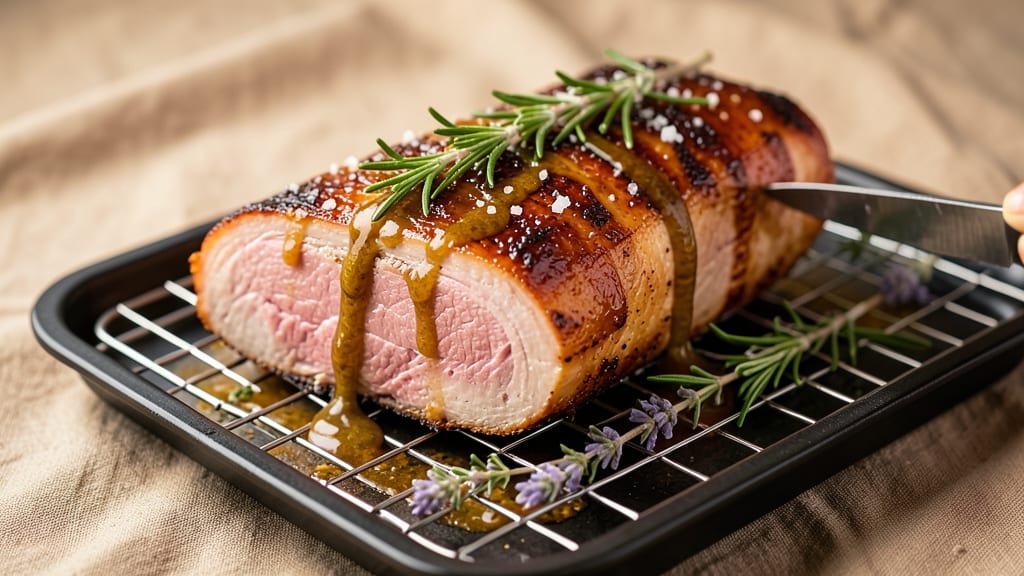
This 2-pound pork loin roast recipe delivers juicy pink centers and a herb-crusted crunch that rivals any restaurant cut. After years of perfecting pork roasts at The Smoky Pig—where we process 2,000 pounds weekly—I’ve cracked the code for tender, flavorful results every time.
The secret? A high-heat sear followed by low-and-slow roasting with aromatic herbs that develop a golden crust while keeping the inside perfectly moist.
The technique starts with a dry-brine overnight, ensuring maximum seasoning penetration, then a hot pan sear to lock in juices before moving to the oven. A herb crust made with Dijon, rosemary, and thyme adds depth without overpowering the natural pork flavor.
We’ll guide you through the exact internal temperature (145°F) and resting time (15 minutes) to guarantee slices that fall apart with just a touch.
What you’ll end up with is a showstopping centerpiece—juicy, tender, and crowned with a crispy herb crust that holds its shape when carved. The aroma alone will have guests gathering at the table before the timer even goes off.
This isn’t just a roast; it’s a restaurant-quality main course that feels like a celebration.
Pair it with a red wine reduction or apple-cider glaze for extra elegance, and don’t forget the knife skills—we’ll show you how to carve it like a pro for perfect slices every time. Let’s get cooking.
Ingredients for 2 pound pork loin roast
Pantry staples plus a few key ingredients for restaurant-quality pork roast perfection.
| Ingredient | Amount | Notes |
|---|---|---|
| Pork Loin Roast 🐖 | 2 lb | Bone-in, center-cut preferred |
| Kosher Salt 🧂 | 2 tbsp | Diamond Crystal preferred |
| Fresh Rosemary 🌿 | ½ cup | Finely chopped, stems removed |
| Fresh Thyme 🌿 | ¼ cup | Leaves only, finely chopped |
| Dijon Mustard 🍯 | 2 tbsp | High-quality, smooth |
| Olive Oil 🫒 | 2 tbsp | Extra-virgin, fruity |
| Garlic Cloves 🧄 | 4 cloves | Minced, fresh preferred |
| Black Peppercorns 🌶️ | 1 tsp | Freshly cracked |
| Unsalted Butter 🧈 | ¼ cup | Cold, cubed for crust |
| Red Wine 🍷 | ½ cup | Dry, bold variety |
| Apple Cider Vinegar 🍎 | 1 tbsp | For glaze option |
| Brown Sugar 🍚 | 1 tbsp | Light, for glaze |
The pork loin is non-negotiable here—bone-in, center-cut is ideal for even cooking. Whole Foods or butcher shops carry the best cuts, often labeled as 'pork loin roast'. Look for good marbling and vibrant color. If you can't find bone-in, bone-out works but may cook faster. The dry-brine overnight is what transforms good pork into showstopping pork—trust me on this. For the herbs, fresh is best, but if you're in a pinch, dried rosemary and thyme at half the amount will work (though nothing beats the aroma of fresh).
No Dijon mustard? Substitute with 1 tbsp regular mustard plus 1 tsp honey—it's not identical, but close. Running low on red wine? Apple cider or beef broth adds depth without overpowering. The butter crust is where magic happens—use cold, cubed butter for maximum crispiness. For the glaze, if you don't have apple cider vinegar, balsamic vinegar works perfectly. And if you're feeling fancy, add a pinch of smoked paprika to the crust for extra depth—game-changer if you've got it.
This roast reheats beautifully—350°F for 10 minutes keeps it juicy. Store leftovers in the fridge for up to 4 days, wrapped tightly in foil. For make-ahead prep, brine the pork and prep the crust the night before, then roast when ready. The crust holds up well for 2 days at room temperature if you're planning ahead for a gathering. And pro tip: Rest the roast 15 minutes before carving—this is where the juices redistribute for maximum tenderness.
Why You'll Love This Recipe
- No-Fuss Prep: I rub the pork with salt, fresh rosemary, and thyme—literally takes two minutes. No fancy marinating, no peeling garlic cloves, just a quick slather of Dijon mustard for that tangy kick.
- Herb-Crusted Magic: That rosemary and thyme? They cling to the pork like a hug, releasing into the meat as it roasts. The crust gets fragrant and slightly crisp, while the inside stays juicy—no dryness in sight.
- Weeknight to Dinner Party: Same recipe, different occasions. Toss it in the oven for weeknight dinners or double the batch for guests. Slice it thin for sandwiches or serve it whole with a side of roasted potatoes—effortlessly adaptable.
- Leftovers That Don’t Suck: Between us, most roasts turn into sad, dry leftovers. Not this one. The Dijon keeps it moist, and the herbs add depth, so the next-day sandwiches or salads taste just as good as day one. Budget-friendly and foolproof.
Step-by-step instructions for juicy pork loin roast
Here's the method that delivers melt-in-your-mouth pork with crispy herb crust every time.
Prepare the Pork Loin for Perfect Crisp
Pat the 2 lb pork loin roast completely dry with paper towels—this is non-negotiable for crispy skin. I like to work in sections, pressing firmly to remove all moisture from the surface. The drier the meat, the better the crust will form. Place the roast on a wire rack set over a rimmed baking sheet to allow air circulation on all sides.
In a small bowl, combine the 0.5 cup fresh rosemary, 0.25 cup fresh thyme, 1 tsp freshly cracked black peppercorns, and 2 tbsp kosher salt. Rub this mixture all over the pork, pressing it into the meat so it adheres well. The herbs should be finely chopped to create an even coating. Let the seasoned roast sit at room temperature for 30 minutes while you prepare the rest of your components.
Create the Herb Butter Crust
In a separate bowl, mix the 2 tbsp Dijon mustard, 2 tbsp olive oil, and 0.25 cup cold unsalted butter until the butter forms small pea-sized pieces throughout the mixture. This butter mixture will create both flavor and that coveted crust. Spread this mixture evenly over the entire surface of the pork, pressing gently to help it adhere.
For extra flavor, press the 4 minced garlic cloves directly into the meat, creating small indentations. This ensures the garlic infuses deeply during cooking. Place the prepared roast back on the wire rack and let it sit at room temperature for another 15 minutes before roasting. This step is crucial for even cooking and maximum flavor penetration.
Roast to Juicy Pink Perfection
Preheat your oven to 425°F with the rack positioned in the middle position. This high temperature is key to achieving that beautiful crust while keeping the interior juicy. Place the pork loin roast in the oven and roast for 20-25 minutes. You'll know it's developing a nice crust when you see the edges beginning to brown and the butter mixture starts to bubble.
After the initial sear, reduce the oven temperature to 325°F and continue roasting for an additional 20-25 minutes, or until the internal temperature reaches 145°F when measured with a meat thermometer in the thickest part of the roast. The pork should still have a nice pink center—this is what makes it so juicy and tender. The total cooking time should be about 45-50 minutes total.
Optional Wine Glaze Finish
For that restaurant-quality finish, deglaze the baking sheet while the pork rests. After removing the roast from the oven, place the baking sheet on the stovetop over medium heat. Add the 0.5 cup red wine and scrape up all the browned bits from the bottom of the pan. Let it simmer for 3-4 minutes until reduced by half.
Stir in the 1 tbsp apple cider vinegar and 1 tbsp brown sugar, then simmer for another 2 minutes until the glaze thickens slightly. Brush this glaze over the top of the pork just before serving. The acidity from the vinegar and sweetness from the sugar balance beautifully with the rich pork. Let the pork rest for 10 minutes before slicing to allow the juices to redistribute throughout the meat.
Slice and Serve with Confidence
Using a sharp carving knife, slice the pork loin roast into ½-inch thick slices against the grain. The herb crust should be crispy and aromatic, while the interior should be tender and juicy pink in the center. Serve immediately with the wine glaze drizzled over the top and any accumulated pan juices from the baking sheet spooned alongside.
This method guarantees juicy pink hearts with a crispy herb-crusted exterior that will impress even the most discerning guests. The combination of the herb butter crust, Dijon mustard, and wine glaze creates layers of flavor that make this pork loin roast truly memorable. Enjoy your perfectly cooked pork loin with your favorite sides!
Pro Tips For Making 2 Pound Pork Loin Roast
- USE A MEAT THERMOMETER: Pork loin is sneaky—it can look done on the outside while staying pale inside. Aim for an internal temp of 145°F (63°C) in the thickest part, then let it rest. I learned this the hard way after slicing into a roast that was still gray on the inside.
- SALT THE PORK 12 HOURS EARLY: Don’t just sprinkle salt before roasting. Pat the pork dry, then season it generously with kosher salt and let it sit uncovered in the fridge overnight. This keeps it juicy and builds a better crust. (Yes, even if you’re impatient like me.)
- BRUSH MUSTARD AFTER SEARING: Slather that Dijon mustard only after you’ve seared the pork—about 3-4 minutes per side in a hot pan. Cold mustard burns easily, and you’ll end up with a bitter mess. Warm it slightly first if you’re nervous.
- REST IT UNDER FOIL: Skip the cutting board temptation—transfer the roast to a foil-lined tray and tent it loosely for 10-15 minutes before slicing. This traps heat and keeps the juices from running out all over your cutting board. (Your future self will thank you.)
Creative variations of these flavors
Southern BBQ Style
Transform this roast into a true Southern showstopper by swapping the herb crust for a spicy dry rub—mix 2 tbsp smoked paprika, 1 tbsp brown sugar, 1 tbsp garlic powder, 1 tsp cayenne pepper, and 1 tsp kosher salt.
Apply generously and roast as directed, then serve with a side of homemade BBQ sauce (I love a tangy vinegar-based sauce with a touch of honey). This version tastes like it came straight from a North Carolina pitmaster’s table. 🔥
Italian Herb & White Wine
For a Mediterranean twist, replace the Dijon with 2 tbsp high-quality balsamic vinegar and add 1 tbsp finely chopped fresh sage to the herb mix. Deglaze with ½ cup dry white wine (like Pinot Grigio) instead of red, and finish with a sprinkle of grated Parmesan cheese before serving.
The acidity cuts through the richness beautifully—perfect for a Sunday family dinner. 🍷
Honey-Glazed Asian Fusion
Infuse your pork with 1 tbsp grated fresh ginger and 1 tbsp minced garlic in the crust, then glaze with ¼ cup honey, 2 tbsp soy sauce, and 1 tbsp rice vinegar reduced until syrupy.
Garnish with sliced scallions and sesame seeds for a sweet-savory fusion that’s perfect with steamed jasmine rice or stir-fried veggies. This version feels like a high-end Asian bistro dish. 🌶️
Smoked & Spiced
Take your roast to the next level by finishing it on a smoker. After the initial oven roast, transfer the pork to a smoker at 225°F for 15-20 minutes with applewood chips. The smoky aroma elevates the dish dramatically—ideal for outdoor gatherings.
Serve with a side of smoked mac & cheese or grilled corn on the cob>. This method works best with a Traeger pellet grill or dedicated smoker. ⚡
Breakfast Roast
Turn this into a weekend brunch star by adding 1 tsp dried thyme and ½ tsp onion powder to the crust, then serving with crispy hash browns and poached eggs. The herb crust holds up beautifully to morning flavors, and the juicy pork pairs perfectly with runny yolks.
Pro tip: Slice thinner (¼-inch) for easier eating, and garnish with chives for freshness. 💛
Herb & Mustard Stuffed
For a showstopping presentation, stuff the pork loin with a mixture of ½ cup herbed goat cheese, 1 tbsp Dijon mustard, and 2 tbsp chopped walnuts** before tying with kitchen twine.
Roast as directed, then slice to reveal the creamy, nutty filling. This version feels luxurious and is perfect for holiday dinners or special occasions. 🌟
Nutrition facts
Frequently asked questions
Why does your recipe call for a bone-in pork loin?
The bone-in cut stays juicier longer because the bone acts as a natural insulator, helping retain moisture during roasting. It also adds subtle flavor as it cooks. If you must use bone-out, expect it to cook about 10-15 minutes faster—keep a close eye on the internal temperature. For a perfect alternative, ask your butcher for a "pork loin with frill" (the small fat cap) which mimics bone-in behavior.
Can I cook this pork loin in a slow cooker instead?
While possible, I don't recommend it for this recipe—the high-heat sear creates that essential crispy herb crust. For slow cooker success, try this: Sear the pork first in a skillet, then transfer to the slow cooker with the herb butter mixture on top. Cook on low for 4-5 hours until internal temp reaches 145°F. The result will be tender but lose that prized crust. Save slow cooking for pork shoulder, not loin.
How do I know when the pork is done without overcooking?
Use a meat thermometer—insert it into the thickest part of the roast (avoiding bone if present) and cook until it reads 145°F. The pork should still have a pink center—this is what makes it juicy. If you don't have a thermometer, cut into a small section to check: The meat should feel firm but still slightly springy, with clear juices running pink, not red.
What's the best way to reheat leftovers?
Reheat leftovers in a 350°F oven for 10-15 minutes, covered loosely with foil, until warmed through. For microwave reheating, use 30-second intervals on medium power, stirring between each interval to prevent drying. Never reheat above 165°F—this is the USDA safe minimum. The herb crust holds up best when reheated gently. Leftovers keep for 3-4 days in the fridge.
Can I substitute bone-in pork loin with pork tenderloin?
Not ideal for this recipe—the tenderloin is more delicate and will overcook quickly. If you must use it, reduce cooking time by 20-25 minutes and watch carefully for 140°F internal temp. For best results, stick with pork loin (bone-in or bone-out) which has the perfect fat-to-lean ratio for this technique. Tenderloin works better for quick searing or grilling.