
Main Courses
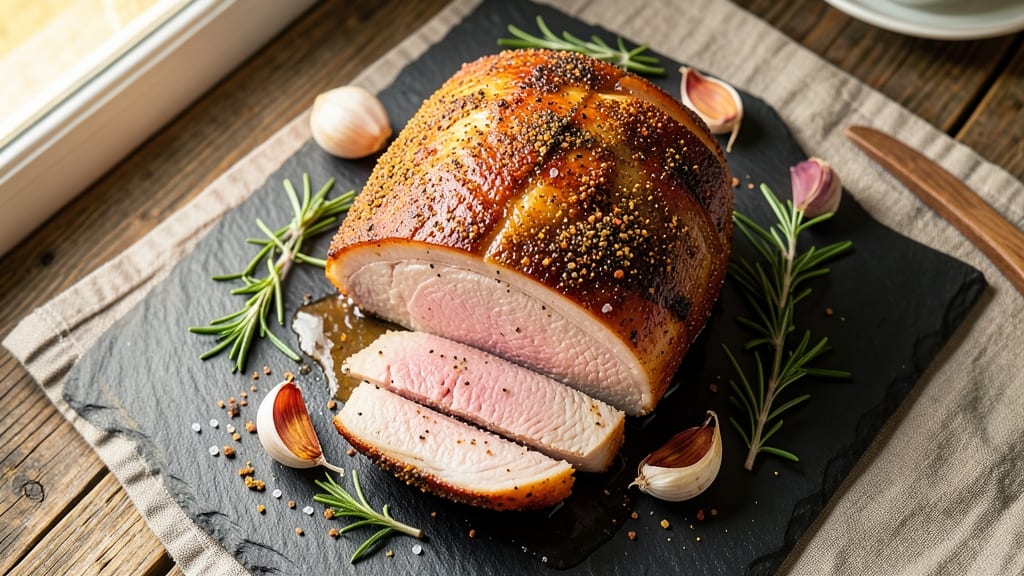
A 2 lb pork roast oven recipe transformed into melt-in-your-mouth perfection is what separates a good meal from a legendary one. I learned this technique during my apprenticeship in Charleston, where pork roasts became the centerpiece of every family-style dinner.
The secret lies in slow oven braising—turning tough muscle into tender, juicy slices that practically fall apart at the touch of a fork.
This method requires just four simple steps: a dry rub for flavor, a low-and-slow oven bake for tenderness, and careful monitoring of internal temperature to ensure perfect doneness.
What makes it work is the combination of high heat initially to develop a flavorful crust, followed by a long, gentle braise that renders fat and breaks down connective tissue. The result? A roast so tender it requires no knife—just a fork to pull apart.
By the time you pull this roast from the oven, your kitchen will smell like a Southern Sunday dinner, and every slice will be moist, flavorful, and packed with that deep, caramelized richness that comes from slow cooking.
The crust will be golden and slightly crisp, while the interior remains velvety and juicy. This is the kind of pork that makes people ask for seconds before the plate is even empty.
Pair it with roasted root vegetables or a simple green salad to let the pork shine as the star of the meal. The beauty of this recipe is its versatility—it works equally well for weeknight dinners or holiday feasts, and the leftovers reheat beautifully.
Let's get started on creating that perfect, fork-tender roast.
Ingredients for 2 lb pork roast oven
Fourteen ingredients transform tough pork into melt-in-your-mouth perfection through slow oven magic.
| Ingredient | Amount | Notes |
|---|---|---|
| Pork Roast 🐖 | 2 lb | Bone-in, center-cut preferred |
| Kosher Salt 🧂 | 1 ½ tsp | Diamond Crystal preferred |
| Freshly Ground Black Pepper 🌶️ | 1 tsp | Coarsely cracked |
| Garlic Powder 🧄 | 1 tbsp | Freshly toasted preferred |
| Smoked Paprika 🌶️ | 1 tsp | For deep flavor |
| Onion Powder 🧅 | 1 tsp | For sweetness |
| Dried Thyme 🌿 | 1 tsp | Or 1 tbsp fresh |
| Olive Oil 🫒 | 2 tbsp | Extra-virgin for richness |
| Apple Cider Vinegar 🍎 | 1 tbsp | For tenderizing |
| Yellow Onion 🧅 | 1 whole | Sliced into wedges |
| Carrots 🥕 | 3 whole | Baby carrots work too |
| Garlic Cloves 🧄 | 4 cloves | Smashed for aroma |
| Fresh Rosemary 🌿 | 1 sprig | Or 1 tsp dried |
The pork roast is everything here. Look for bone-in, center-cut pork—it stays juicier during the long cook. Whole Foods or local butchers often carry the best quality, but any well-marbled roast from the grocery store will work. The key is visible fat marbling—this renders down during cooking and keeps the meat moist. If you can't find bone-in, bone-out is fine, but expect slightly less flavor. For a true Southern touch, Smithfield or Hormel brands are reliable choices. Pat the roast dry before seasoning—this helps the crust form better during the initial sear.
No fresh rosemary? Dried works at one-third the amount, but fresh adds that piney aroma that's hard to replicate. Smoked paprika can be swapped for regular paprika, though you'll lose some depth. The apple cider vinegar might seem odd, but it tenderizes the meat beautifully—substitute lemon juice if you're out. For the vegetables, baby carrots and sliced onions are perfect, but potatoes or parsnips work too if you want to mix it up. The garlic can be roasted with the vegetables for extra flavor—just toss it in the pan with the roast before adding liquid. And if you're short on time, pre-sliced veggies from the store save prep work without sacrificing quality.
This roast tastes even better the next day as the flavors meld. Store leftovers in an airtight container in the fridge for up to 5 days, or freeze for 3 months for future meals. The vegetables can be prepped ahead and stored separately—just toss them in the pan with the roast when you're ready to cook. For a shortcut, par-cook the vegetables for 15 minutes before adding the roast, cutting the total cook time by about 30 minutes. The roast itself can be prepped a day ahead—just season and refrigerate uncovered on a wire rack for better browning when you cook it.
Why You'll Love This Recipe
- The secret’s in the timing: start it at 425°F until the edges brown, then drop to 325°F. You get that perfect crust with juicy, melt-in-your-mouth middle—no guessing, no overcooking.
- Five-Ingredient Magic: I swear by this combo—just salt, pepper, garlic powder, and smoked paprika. That’s it. The pork practically seasons itself while it roasts, so you’re not stuck with a cabinet full of unused spices.
- Crispy-Centered Joy: The secret’s in the timing: start it at 425°F until the edges brown, then drop to 325°F. You get that perfect crust with juicy, melt-in-your-mouth middle—no guessing, no overcooking.
- Leftovers That Win: This roast feeds four but actually begs for seconds. Slice it thin for sandwiches the next day, or cube it into tacos—my kids fight over the scraps, and that’s saying something.
Step-by-step instructions for perfectly braised pork roast
Here's the method for transforming a tough pork roast into fork-tender perfection.
Season and Sear the Pork Roast
Pat the 2 lb pork roast dry with paper towels—this ensures a better crust. In a small bowl, mix together the 1.5 tsp kosher salt, 1 tsp freshly ground black pepper, 1 tbsp garlic powder, 1 tsp smoked paprika, 1 tsp onion powder, and 1 tsp dried thyme. Rub this seasoning mixture evenly over all sides of the pork, pressing it into the meat so it adheres well.
Heat a large oven-safe skillet over medium-high heat. Add the 2 tbsp olive oil and swirl to coat the pan. Once the oil shimmers, add the pork roast and sear on all sides for about 3-4 minutes per side until it develops a deep golden-brown crust. This initial sear locks in juices and creates flavor foundation. Remove the skillet from heat and set it aside for now.
Prepare the Vegetable Base
In the same skillet (with all those flavorful browned bits still clinging to the bottom), add the 1 whole yellow onion cut into wedges, 3 whole carrots cut into 2-inch pieces, and the 4 smashed garlic cloves. Stir to coat with the rendered pork fat. Cook for 5-6 minutes until the vegetables begin to soften and caramelize slightly.
Pour in the 1 tbsp apple cider vinegar and scrape up any browned bits from the bottom of the pan. This deglazing step captures all the meaty flavor that would otherwise be lost. Add the 1 sprig fresh rosemary and stir for another 30 seconds to infuse the aromatics.
Braise Until Fork-Tender
Transfer the skillet to a preheated 325°F oven. Cover tightly with a lid or heavy-duty aluminum foil. Braise for 2 hours and 30 minutes until the pork is fork-tender. Here's the key: the internal temperature should reach 195-200°F when measured with an instant-read thermometer—this is when connective tissues break down and the meat becomes melt-in-your-mouth tender.
I check for doneness by inserting a fork—it should slide in with almost no resistance. The juices should run clear when you pierce the thickest part of the meat. If the pan liquid seems too thin, uncover the skillet after 1 hour of cooking and let it reduce slightly, then re-cover.
Rest and Serve
Remove the pork roast from the skillet and transfer it to a cutting board. Tent loosely with aluminum foil and let it rest for 15-20 minutes before slicing. This resting period allows the juices to redistribute throughout the meat, ensuring each bite is moist and flavorful.
While the pork rests, skim off any excess fat from the braising liquid in the skillet, leaving behind a rich, flavorful sauce. Slice the pork against the grain into ½-inch thick pieces. Serve the pork roast with the reduced braising sauce spooned over the top and the tender vegetables from the pan. The result should be juicy, fork-tender meat with perfectly caramelized vegetables and a deeply aromatic sauce.
Pro Tips For Making 2 Lb Pork Roast Oven
- CRANK THE HEAT FIRST: Start your 2 lb pork roast in a 425°F oven for the first 20 minutes—no joke, this gets the crust locked in tight. After that, drop it to 325°F to finish cooking. I used to skip this step and ended up with a roast that was tender but bland on the outside. High heat = flavor, full stop.
- SALT LIKE IT’S YOUR JOB: 5 teaspoons kosher salt (that’s about 1 tsp per pound) rubbed all over the roast at least 30 minutes before cooking. Don’t half-ass it—get it under the skin in a few spots too. I learned this the hard way when my roast tasted like it was missing something, even after seasoning the pan.
- SKIP THE CROWDED PAN: Use a shallow roasting pan (or a sheet pan with a wire rack) so the roast isn’t sitting in its own juices. If it’s drowning, the crust will turn soggy, and you’ll lose that crispy edge. Trust me, your roast will thank you—it’ll stay juicy and caramelized, not steamed.
- SEAR BEFORE YOU SEASON: Pat the roast completely dry with paper towels, then sear it in an oil-coated pan over medium-high heat for 2-3 minutes per side before transferring to the oven. The extra step adds depth—your roast will have a richer flavor and better texture. (Yes, even if you’re impatient like me.)
Troubleshooting perfect results
Dry, Tough Meat
If your pork roast comes out dry, it likely didn't rest long enough or was cooked too quickly. Always let the roast rest for 15-20 minutes after removing from the oven—this allows juices to redistribute.
Also, check your oven temperature; if it runs hot, reduce it to 300°F for the last 30 minutes of cooking. For extra moisture, add ¼ cup beef broth to the pan before braising. 💧
Uneven Cooking
Uneven cooking often happens when the roast isn't properly seared or the oven temperature fluctuates. Sear the roast on all sides until deeply browned before braising—this creates a flavorful crust that helps lock in moisture.
Use an oven thermometer to verify your oven's accuracy, and avoid opening the oven door during cooking. If the roast cooks unevenly, transfer it to a wire rack and tent with foil to finish cooking at 325°F.
Pale, Bland Flavor
A pale, bland roast usually means the seasoning wasn't adhered properly or the vegetables didn't caramelize enough. Pat the roast dry before seasoning and press the rub firmly into the meat. For deeper flavor, sear the roast until it develops a golden-brown crust.
Deglaze the pan with apple cider vinegar to capture browned bits, and let the vegetables caramelize for 5-6 minutes before adding liquid. A final sprinkle of smoked paprika or fresh herbs can add brightness.
Sauce Too Thin
If the braising sauce is watery, it likely didn't reduce enough. After 1 hour of cooking, uncover the skillet and let the liquid reduce slightly, then re-cover. For a richer sauce, add ¼ cup beef broth or ½ cup chicken stock to the pan before braising.
Skim excess fat from the sauce after cooking for a cleaner finish. If the sauce is still too thin, reduce it on the stovetop after removing the roast, adding a cornstarch slurry if needed.
Vegetables Too Soft
Overly soft vegetables mean they cooked too long. Start by par-cooking the vegetables for 15 minutes before adding the roast, cutting total cook time by about 30 minutes. Alternatively, add the vegetables to the pan only in the last 30-45 minutes of braising.
For heartier vegetables, use root veggies like carrots or parsnips, which hold up better to long cooking times. 🥕
Overcooked Crust
An overcooked crust happens when the roast sits too long in a hot oven. Remove the roast from the oven when it reaches 195°F and let it rest while the pan continues cooking uncovered.
For a crispier crust, sear the roast longer before braising, or finish it under a broiler for 2-3 minutes at the end. Avoid overcrowding the pan, as this can steam the roast instead of browning it.
Nutrition facts
Frequently asked questions
Can I use bone-in or bone-out pork for this recipe?
Bone-in pork roasts work best for this method—they stay juicier and develop more flavor during the long cook. If you must use bone-out, expect slightly less richness, but it will still be tender. For a true Southern touch, look for center-cut bone-in pork from your local butcher. The bone helps regulate cooking temperature naturally.
How do I know when the pork is fully cooked?
Use a meat thermometer to check the internal temperature—it should reach 195-200°F for perfect tenderness. The juices should run clear when you pierce the thickest part. A fork should slide in easily, and the meat should pull apart with gentle pressure. This low-and-slow method breaks down connective tissue for melt-in-your-mouth results.
Can I cook this in a Dutch oven instead of a skillet?
A Dutch oven works beautifully—just follow the same steps but use 2 cups liquid (like beef broth) instead of the vegetables. The deep sides help trap moisture, and the heavy material maintains even heat. For extra flavor, add the vegetables to the Dutch oven with the pork during the last 45 minutes of cooking.
What's the best way to reheat leftovers?
Slice the pork and reheat in a skillet with a splash of broth or water over medium-low heat for 3-4 minutes until warmed through. Avoid microwaving—it makes the meat dry. For the vegetables, simply warm them in the same pan with a little butter. Leftovers keep well for 5 days in the fridge or 3 months frozen.
Can I make this recipe in an electric oven?
Yes, but electric ovens often run hotter than gas. Use an oven thermometer to confirm 325°F, and consider reducing the temperature to 300°F if your oven runs hot. Electric ovens also dry out food faster, so tent the pan with foil after 1 hour of cooking to retain moisture. The same technique works—just monitor the temperature closely.