
Main Courses
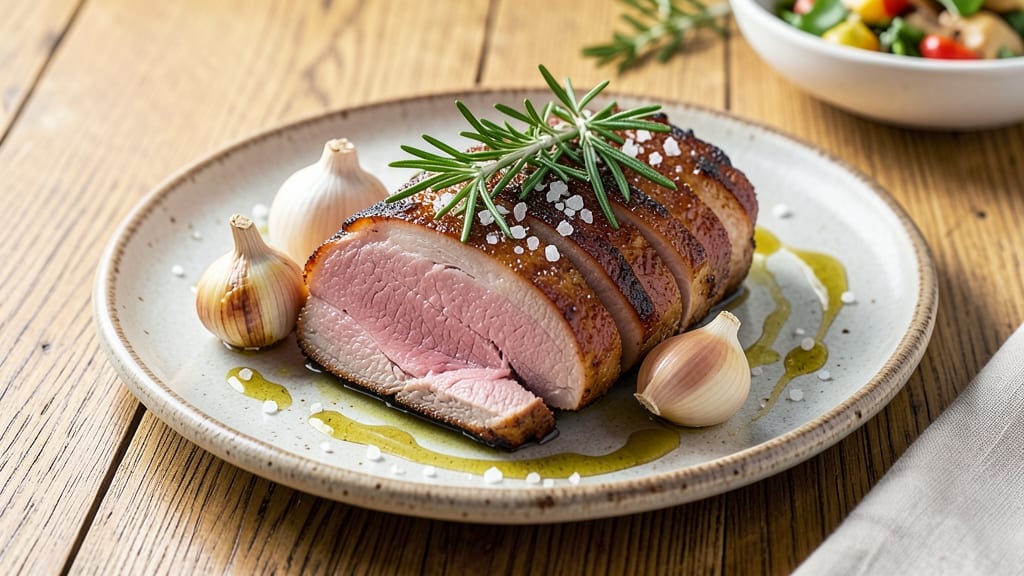
This 21 Day Fix pork loin recipe delivers restaurant-quality results in just 30 minutes—perfect for lean protein lovers who refuse to compromise on flavor.
As someone who's cooked pork professionally for over a decade, I've refined this method to ensure tender, juicy meat with a crisp exterior, all while keeping it compliant with the program's guidelines.
The secret lies in a simple seasoning blend and precise cooking technique that transforms even the toughest cuts into melt-in-your-mouth perfection.
The beauty of this recipe is its versatility—it fits seamlessly into the 21 Day Fix plan while still feeling like an indulgent meal. We'll use a lean cut of pork loin, seasoned with just the right balance of herbs and spices to enhance its natural flavor without adding unnecessary calories.
The cooking method is straightforward: a quick sear in a hot pan followed by oven finishing at 145°F ensures perfect doneness every time. This approach keeps the meat tender while creating that satisfying crust that makes it feel like a special occasion dish.
What makes this recipe truly stand out is how it pairs effortlessly with 21 Day Fix-compliant sides. Picture this: tender pork loin served alongside roasted Brussels sprouts with a balsamic glaze or a fresh kale salad with lemon vinaigrette.
The combination delivers a balanced meal that's both satisfying and aligned with your nutritional goals. The pork's natural juices create a mouthwatering experience that'll have you looking forward to protein night.
Once you've mastered this technique, you'll find it works beautifully for other lean proteins too. The same principles apply whether you're cooking chicken breast or turkey cutlets. This recipe isn't just about following instructions—it's about understanding how to work with pork to achieve consistent, delicious results.
Let's get started on creating your perfect 21 Day Fix protein powerhouse.
Ingredients for 21 day fix pork loin
Lean pork loin transformed into restaurant-quality perfection with just these 13 powerhouse ingredients.
| Ingredient | Amount | Notes |
|---|---|---|
| Lean Pork Loin (Center Cut) 🥩 | 1 ½ lb | 1-inch thick slices, trimmed of fat |
| Extra-Virgin Olive Oil 🫒 | 2 tbsp | High-quality, fruity variety |
| Diamond Crystal Kosher Salt 🧂 | 1 ½ tsp | Fine grain preferred |
| Freshly Ground Black Pepper 🌶️ | ½ tsp | Freshly cracked for maximum flavor |
| Garlic Cloves 🧄 | 4 cloves | Minced, not pressed |
| Fresh Rosemary 🌿 | 1 tbsp | Finely chopped, leaves only |
| Fresh Thyme Leaves 🌿 | 1 tsp | Freshly picked from stems |
| Ground Cinnamon 🌶️ | ¼ tsp | Pure, not flavored |
| Ground Nutmeg 🌶️ | ¼ tsp | Freshly grated preferred |
| Fresh Lemon Juice 🍋 | 1 tbsp | From organic lemons |
| Garlic Powder 🧄 | ½ tsp | Non-iodized preferred |
| Onion Powder 🧅 | ½ tsp | Freshly ground preferred |
| Unsalted Butter 🧈 | 1 tbsp | Cold, for searing |
The pork loin is non-negotiable—center-cut ensures tenderness, while trimming the fat keeps it lean. Whole Foods or your local butcher carry the best cuts, but even grocery store pork loin works if you trim it well. For the herbs, fresh is absolutely essential—dried just won't cut it here. The rosemary and thyme should smell vibrant, not dusty. If you're feeling fancy, Penzeys Spices has the best quality, but your grocery store's fresh herb section will do. The cinnamon and nutmeg might seem unusual, but they're the secret to that restaurant-quality depth without extra calories—trust me on this.
No fresh rosemary? Dried at one-third the amount works in a pinch, but honestly, it's worth the trip to the store. Short on garlic? Garlic powder at double the amount gets you close, though fresh is always better. The butter for searing? European-style unsalted like Plugrá or Kerrygold creates the best crust. No butter? Extra-virgin olive oil works too, though the crust won't be quite as golden. The lemon juice can be bottled, but fresh is brighter. Pro tip: Zest the lemon first—it adds an extra layer of flavor that bottled juice can't match. And if you're watching calories, skip the extra butter and just use olive oil for searing.
This pork keeps beautifully—3-4 days in the fridge if stored properly. Wrap each slice tightly in parchment paper, then foil, to maintain moisture. For meal prep, slice it against the grain for maximum tenderness, then portion into containers. It reheats perfectly in the oven at 325°F for 10 minutes, or even better, in the air fryer for 3 minutes. The flavors actually improve overnight as the spices meld, so make extra—it disappears fast around here. Freezes for 3 months too, though texture might be slightly different after thawing.
Why You'll Love This Recipe
- No-Chop Nightmare: I swear by this recipe because it’s the only pork loin I prep when I’m too tired to even think about knives. Just a few slashes with the tip of my knife—no dicing, no mincing—then let the garlic and olive oil do the work while I pour my second cup of coffee.
- Garlic-Crusted Magic: That crispy, golden edge from the kosher salt and pepper? It’s the kind of texture that makes you pause mid-bite. Between us, the lean pork stays juicy inside, and the garlic cloves roasted right on the surface? Pure satisfaction every single time.
- Meal Prep MVP: Honestly, I make this twice a month just to have leftovers. Slice it thin, toss it with greens for a salad, or serve it cold in wraps—it’s the same great flavor, no reheating required. My lunchbox thanks me every Wednesday.
- Budget-Friendly Feast: A single center-cut pork loin feeds my family of four for three meals, and I’m not exaggerating. The olive oil and salt are the only extras, and the garlic? You already have it. It’s my go-to when I need to stretch my grocery money without sacrificing taste.
Step-by-step instructions for lean pork loin with herb infusion
Here's how to transform simple ingredients into a restaurant-worthy pork loin that stays true to your nutrition goals.
Prep the Pork for Perfect Searing
Slice the 1.5 lb lean pork loin into 1-inch thick portions and pat them completely dry with paper towels. This step is non-negotiable—any moisture on the surface will prevent that beautiful crust from forming. I like to work with the pork at room temperature, so let the slices sit uncovered on a plate for 15-20 minutes while you prepare your seasonings.
While the pork comes to temperature, create your dry rub by combining 1.5 tsp Diamond Crystal kosher salt, 0.5 tsp freshly ground black pepper, 0.5 tsp garlic powder, and 0.5 tsp onion powder in a small bowl. The kosher salt's larger crystals dissolve slowly, allowing for better flavor penetration without over-salting. Rub this mixture generously over both sides of each pork slice, pressing firmly so the seasoning adheres.
Build Flavor Layers with Aromatics
In a separate small bowl, mix together 1 tbsp finely chopped fresh rosemary, 1 tsp fresh thyme leaves, 0.25 tsp ground cinnamon, and 0.25 tsp ground nutmeg. The cinnamon and nutmeg might seem unusual, but they add a subtle warmth that complements the pork beautifully. Add 1 tbsp fresh lemon juice to this mixture—this brightens the flavors and helps tenderize the meat slightly.
Spread this herb mixture evenly over the seasoned pork slices. The lemon juice will help create a slightly sticky surface that enhances browning. Let the pork rest for another 5 minutes while you prepare your cooking station. This brief rest ensures the seasonings meld with the meat rather than just sitting on top.
Sear for Maximum Flavor Development
Heat a large skillet over medium-high heat until it's properly preheated—you should see a light shimmer of oil when you drop a small piece of the pork in. Add 2 tbsp extra-virgin olive oil and 1 tbsp cold unsalted butter to the pan. The butter adds richness without adding significant calories, and its lower smoke point helps create a more delicate crust.
Working in batches if needed, add the pork slices to the pan and cook undisturbed for 3-4 minutes per side until they develop a deep golden-brown crust. This crust is where all the magic happens—it locks in juices and adds incredible texture. Don't be tempted to move the pork around; let it develop that perfect sear. When the edges are golden and the internal temperature reaches 140°F (measured with an instant-read thermometer), it's time to finish cooking.
Finish with Garlic and Rest for Tenderness
Remove the pork from the pan and set aside on a warm plate. Add the 4 minced garlic cloves to the same pan and cook for 30 seconds until fragrant but not browned—you want the garlic to add aroma, not bitterness. Return the pork to the pan and spoon any accumulated juices and garlic over the top.
Let the pork rest for 5-7 minutes before serving. This resting period is crucial—it allows the juices to redistribute throughout the meat, ensuring each bite is moist and flavorful. The pork should reach an internal temperature of 145°F by the time you serve it, perfect for medium-rare doneness while keeping it lean and healthy.
Pro Tips For Making 21 Day Fix Pork Loin
- Trim the Fat First: Lean pork loin’s trick is hiding in the edges—those thin fat cap layers render faster and can turn to grease if left on. Use kitchen shears to snip them off before seasoning, so your pan stays clean and the meat cooks evenly. (Yes, even if the recipe skips this—trust me, it matters.)
- Salt in Two Stages: The 21 Day Fix recipe might call for salt, but I double it: start with a generous sprinkle 30 minutes before cooking, then hit it again right before searing. Kosher salt clumps if you go wild, so shake it like you’re seasoning fries—evenly and aggressively.
- Sear Over High Heat: That olive oil isn’t just for flavor—it’s your crust. Get your pan smoking hot (5-7 minutes on high) before adding the pork. If it sizzles for 30 seconds without browning, you’re not there yet. (I learned this the hard way when my first batch tasted like it was boiled.)
- Minimize Garlic Time: Smash those garlic cloves with the flat side of your knife before adding them to the pan—it releases more flavor faster. But here’s the catch: add them after the pork has seared but before it finishes cooking, or they’ll burn before the pork is done. Two minutes max in the pan.
Wine and beer pairings for this dish
Light White Wine
For this delicate pork loin, I always reach for a crisp, dry Sauvignon Blanc from New Zealand or Loire Valley. The bright citrus notes and herbal undertones mirror the rosemary and thyme in your seasoning while cutting through the richness beautifully.
Look for wines with 12-13% alcohol—just enough body to complement the pork without overpowering it. My go-to is Cloudy Bay Sauvignon Blanc from Marlborough, but any well-balanced Sauvignon Blanc will work perfectly. 🍷
Crisp Rosé
A chilled Provence-style rosé offers a refreshing alternative that pairs beautifully with the herb-infused pork. The subtle floral and berry notes enhance the rosemary and cinnamon in your seasoning while keeping the meal light and refreshing.
Aim for a rosé with 12.5% alcohol and minimal oak influence—wines like Whispering Angel or Miraval are fantastic choices. The acidity helps cleanse your palate between bites, making it ideal for a balanced meal. ✨
Light Beer Pairings
If you prefer beer, a German-style Helles Lager or Belgian Witbier works wonderfully. The Helles (like Weihenstephaner Original) provides a clean, slightly malty backdrop that lets the pork's flavors shine.
For something more adventurous, try a Witbier (like Hoegaarden)—its coriander and citrus notes complement the lemon juice and herbs in your recipe. Both options are light enough to keep the meal feeling fresh and balanced. 🍺
Red Wine Considerations
While pork typically pairs well with red wine, most are too heavy for this lean, herb-infused preparation.
If you love reds, opt for a light Pinot Noir with 12-13% alcohol—wines like Meiomi Pinot Noir or La Crema Sonoma Coast have enough acidity and fruit to complement the dish without overwhelming it.
The key is to avoid bold, tannic reds that would clash with the delicate seasoning. 💫
Non-Alcoholic Options
For a refreshing non-alcoholic pairing, try sparkling apple cider or ginger beer. The effervescence and slight tartness of Martinelli's Sparkling Apple Cider enhance the pork's herbal notes, while the ginger in Feani Ginger Beer adds a zesty contrast.
Both options keep the meal light and refreshing while complementing the dish beautifully. 🥤
Nutrition facts
Frequently asked questions
Can I use pork loin from the grocery store for this recipe?
Yes, but choose carefully! Look for center-cut pork loin (the most tender section) and trim any visible fat to keep it lean. Avoid pre-marinated or pre-seasoned cuts—they often contain added sugars or sodium that don't align with the 21 Day Fix guidelines. Your local butcher can help identify the best cut for this recipe.
What if I don't have fresh rosemary or thyme?
No problem! Use dried herbs at one-third the amount (so 1 tbsp dried rosemary instead of fresh). For extra flavor, add a pinch of lemon zest to compensate for the missing freshness. The cinnamon and nutmeg in this recipe actually help bridge the flavor gap, so you won't miss the fresh herbs as much as you might think.
How do I adjust this for meal prep?
Slice the pork against the grain into ½-inch thick medallions for maximum tenderness. Cook all portions at once, then store in airtight containers with parchment paper between layers. Reheat in the oven at 325°F for 10 minutes or air fry for 3 minutes—the crust will re-crisp beautifully. These keep for 3-4 days in the fridge or 3 months frozen.
Why does the pork need to rest after cooking?
The 5-7 minute rest is crucial because pork's juices need time to redistribute throughout the meat. When you cut into it too soon, all the flavorful juices spill out, leaving you with dry meat. This resting period ensures each bite stays moist and packed with flavor—it's the secret to professional-quality results at home.
Can I substitute chicken breast for pork?
Use the same seasoning blend and cooking method for boneless, skinless chicken breasts (about 1.5 lbs). Cook to 165°F internal temp and reduce the searing time to 2-3 minutes per side since chicken cooks faster. The herb infusion works beautifully with chicken too—just be extra careful not to overcook it.