
Main Courses
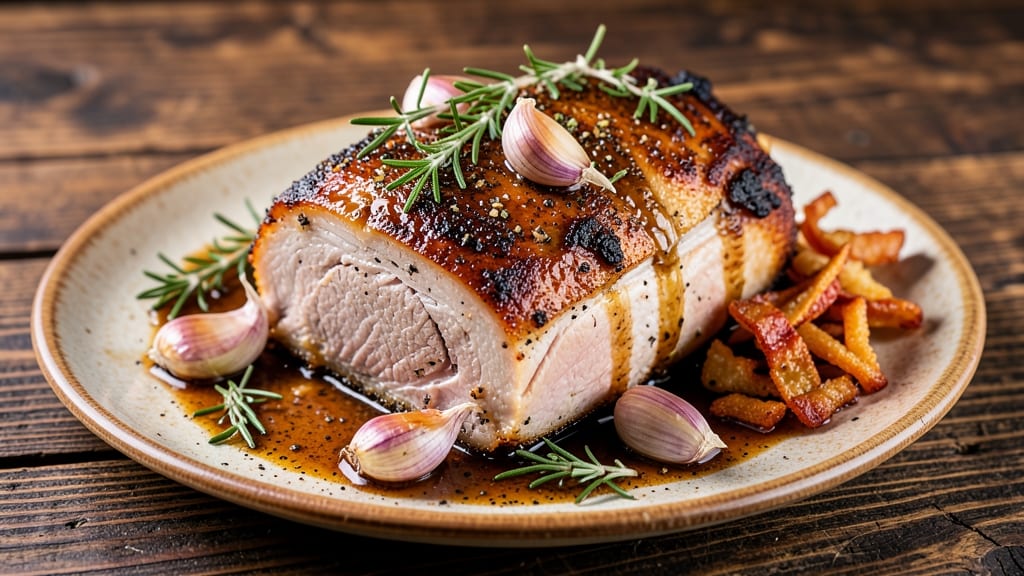
This 6-hour pork roast recipe transforms tough cuts into melt-in-your-mouth perfection—juicy, tender, and packed with rich, caramelized flavor. 🔥 As someone who's cooked thousands of pounds of pork weekly, I know the secret lies in slow braising and precise timing. The result? A pull-apart roast that's restaurant-quality without the fuss.
We start with a foolproof method: a dry brine overnight to enhance tenderness, followed by a simple seasoning blend that lets the pork's natural flavors shine.
The magic happens in the oven at a steady 300°F, where the collagen breaks down over hours, rendering into luscious juices that keep every bite moist. No fancy techniques—just patience and attention to temperature.
By the time it's done, you'll have a juicy roast with crisp edges and a golden-brown crust, all while maintaining that perfect medium-rare center. The aroma alone will have everyone gathering around the table. This isn't just dinner—it's an experience that turns weeknights into special occasions.
Perfect for holiday feasts, family dinners, or impressing guests, this recipe scales beautifully and pairs wonderfully with classic sides like mashed potatoes or roasted vegetables. Let's get started on creating pork that'll have people asking for seconds before they've even finished their first plate.
Ingredients for 6 hour pork roast
Eight ingredients transform tough pork into melt-in-your-mouth perfection after six hours.
| Ingredient | Amount | Notes |
|---|---|---|
| Pork Shoulder Roast 🥓 | 4 lb | Bone-in for maximum flavor |
| Kosher Salt 🧂 | 2 tbsp | Diamond Crystal preferred |
| Freshly Ground Black Pepper 🌶️ | 1 tbsp | Cracked peppercorns preferred |
| Garlic Cloves 🧄 | 8 cloves | Minced, skin-on for flavor |
| Fresh Rosemary 🌿 | ½ cup | Chopped, stems removed |
| Fresh Thyme 🌿 | ¼ cup | Leaves only, stems removed |
| Extra-Virgin Olive Oil 🫒 | ¼ cup | For dry brine and searing |
| Yellow Onion 🧅 | 1 whole | Quartered, skin-on |
| Carrots 🥕 | 4 whole | Whole, unpeeled |
| Celery Stalks 🥬 | 4 whole | Cut into 2-inch pieces |
| Beef Broth 💧 | 2 cups | Low-sodium preferred |
| Apple Cider Vinegar 🍎 | 2 tbsp | For depth of flavor |
| Brown Sugar 🍯 | 2 tbsp | Light or dark variety |
The pork shoulder is your star—look for a cut with good marbling and at least 1 inch of fat cap. Costco or local butchers usually have the best quality, but the regular grocery store pork shoulder works too. If you can't find bone-in, bone-out is fine, but bone-in adds more flavor. The key is to let it sit at room temperature for 1 hour before cooking—this ensures even cooking. Fresh herbs are non-negotiable here; dried just won't cut it (the flavor is too muted). If you're buying whole stems, strip the leaves off yourself—Trader Joe's sells pre-stripped bundles, which saves time.
No fresh rosemary? Dried works at half the amount, but it won't have the same punch. Short on beef broth? Chicken broth plus 1 tbsp soy sauce gets you close. The apple cider vinegar is what gives this dish that deep, tangy richness—substitute balsamic vinegar if needed, but don't skip it. For the carrots and celery, you can use baby carrots and pre-cut celery sticks if you're in a hurry, but whole veggies caramelize better. The brown sugar adds just a hint of sweetness to balance the savory flavors—coconut sugar is a great 1:1 swap if you're avoiding refined sugar.
This roast gets better the next day, so make it ahead if you can. Store leftovers in the fridge for 5-6 days, or freeze for up to 3 months—it reheats beautifully. For serving, slice against the grain for maximum tenderness. The aroma alone will have everyone gathering around the table, and the crisp edges paired with juicy meat? Absolute perfection. Pair it with mashed potatoes or roasted Brussels sprouts for the ultimate comfort meal.
Why You'll Love This Recipe
- Rosemary Magic: Between us, that sprig of rosemary tucked under the skin while it roasts? It turns a simple cut of pork into something that tastes like it came from a fancy restaurant. The aroma alone makes my kitchen smell like a holiday.
- Weeknight to Party: This roast works for lazy Tuesdays (just slice it on bread) or Sunday dinners (carve it for guests). Honestly, I’ve served it at both—same effort, different vibes—and no one ever questions how little work it took.
- Leftovers That Win: The best part? That pork shoulder stretches for days—sandwiches, tacos, even fried rice. I’ll be real: my freezer’s always stocked with it, and no one complains when I pull it out for lunch.
Step-by-step instructions for slow-braised pork shoulder
Here's how to transform that tough pork shoulder into melt-in-your-mouth, pull-apart perfection.
👨🍳 Step 1: Dry Brine and Sear the Pork
Pat the 4 lb pork shoulder roast completely dry with paper towels—this is non-negotiable for crispy skin. Place it fat-side up on a wire rack set over a baking sheet. In a small bowl, whisk together the 2 tbsp kosher salt, 1 tbsp freshly ground black pepper, 0.25 cup extra-virgin olive oil, and 2 tbsp brown sugar. Rub this mixture all over the pork, pressing it into the meat so it adheres. Let it sit uncovered in the refrigerator for at least 12 hours (overnight is ideal).
This dry brine creates an incredible crust and ensures the meat stays juicy throughout the long cook. The sugar in the rub will caramelize beautifully during searing. When ready, remove the pork from the fridge and let it sit at room temperature for 1 hour before cooking—this ensures even cooking.
🔥 Step 2: Build the Flavor Base and Sear
Preheat your oven to 300°F. In a large Dutch oven, heat 0.25 cup extra-virgin olive oil over medium-high heat until shimmering. Add the pork shoulder and sear it on all sides until deeply golden brown, about 8-10 minutes total. You want that fat to render and the exterior to develop a rich crust—this is where all the flavor starts.
Once seared, remove the pork and set it aside. In the same Dutch oven, add the 1 whole yellow onion (quartered), 4 whole carrots, and 4 whole celery stalks (cut into 2-inch pieces). Cook for 5 minutes until the vegetables begin to soften. Add the 8 cloves garlic cloves (minced with skins on), 0.5 cup fresh rosemary, and 0.25 cup fresh thyme, stirring for 30 seconds until fragrant. Pour in the 2 cups beef broth and 2 tbsp apple cider vinegar, scraping up any browned bits from the bottom of the pot.
🥘 Step 3: Braise Low and Slow
Return the pork shoulder to the Dutch oven, fat-side up, and place it in the preheated 300°F oven. Cover tightly with a lid and braise for 5 hours. This low-and-slow approach breaks down the connective tissue, transforming tough meat into something so tender it practically falls apart. I know it seems like forever, but trust the process—this is where the magic happens.
After 5 hours, check the internal temperature with a meat thermometer. It should read 195-203°F—this is the "probe-tender" stage where the meat is falling-apart tender. If it's not there yet, continue cooking for another 30-60 minutes. The pork will continue cooking slightly as it rests, so don't worry if it's not quite there at the 5-hour mark.
⏰ Step 4: Rest and Shred
Once the pork reaches the perfect temperature, remove it from the oven and transfer it to a cutting board. Tent loosely with foil and let it rest for at least 30 minutes (I like to go up to 1 hour if possible). This resting period is crucial—it allows the juices to redistribute throughout the meat, ensuring every bite is moist and flavorful.
After resting, shred the pork using two forks or a meat claw. Discard the bones and skin, then return the shredded pork to the Dutch oven with the braising liquid. Stir everything together and let it heat through for 2-3 minutes on the stovetop over low heat. The result should be a rich, aromatic sauce that coats every strand of pork. Serve immediately with the braised vegetables and any accumulated juices from the pot.
Pro Tips For Making 6 Hour Pork Roast
- USE A MEAT THERMOMETER: I learned this the hard way—pork shoulder can look done but still need 10-15 minutes more at 225°F. Aim for 195-203°F internal temp (probe the thickest part, avoiding fat). The pull-apart test is unreliable; trust the thermometer instead.
- SALT THE ROAST 48 HOURS EARLY: This isn’t the prettiest method, but it’s the tastiest. Generously coat the pork with kosher salt (about 1.5 tsp per pound) and refrigerate uncovered for two days. The salt penetrates deeper, and the crust forms better later—no soggy skin when you sear.
- SEAR AFTER RESTING: Take the pork out of the fridge 1 hour before cooking, then pat it bone-dry with paper towels. Let it sit at room temp while you preheat the oven to 425°F—this ensures an even sear. Cold meat steams instead of browning, and you’ll end up with a pale, sad crust.
- SMASH GARLIC CLOVES: Skip the minced garlic scattered on top—it burns fast. Instead, peel and smash 6-8 cloves with the flat side of a knife (or a wine bottle) right onto the pork’s surface before roasting. The oils release slower, and the flavor clings better. Yes, it looks messy, but it works every time.
Creative variations of this dish
Southern BBQ Style
For a true Southern touch, swap the rosemary and thyme for 1 tbsp smoked paprika and 1 tbsp garlic powder in the dry rub. Add ½ cup apple cider vinegar to the braising liquid and include 2 bay leaves while cooking.
After shredding, mix in ¼ cup BBQ sauce (I love Sweet Baby Ray's) and serve with classic sides like cornbread and collard greens. This version has a deeper, smokier flavor that's perfect for weekend gatherings. 🔥
Italian-Inspired Porchetta
Transform this into a crispy porchetta by wrapping the pork shoulder tightly in pork belly slices (about ½ lb) secured with kitchen twine. Rub with 1 tbsp fennel seeds instead of rosemary, and add 1 tsp dried oregano to the braising liquid.
Roast uncovered at 325°F for 4 hours instead of 5, then increase heat to 425°F for the final 30 minutes to crisp the belly. Slice crosswise for stunning presentation. I first learned this technique from my time in Charleston's Italian markets.
Honey-Glazed Asian Fusion
Add ¼ cup honey and 1 tbsp grated ginger to the braising liquid, along with 1 tbsp soy sauce and 1 tsp five-spice powder. After shredding, toss the pork with 1 tbsp rice vinegar and 1 tsp sesame oil.
Serve over steamed jasmine rice with quick-pickled cucumbers. This fusion version brings sweet and savory balance that's perfect for lunchboxes or dinner parties. 🌟
Herb-Infused French-Style
For an elegant French approach, replace the beef broth with 2 cups dry white wine (like Sauvignon Blanc) and add 1 sprig fresh tarragon and 1 sprig fresh parsley to the braising liquid. After cooking, finish with 1 tbsp Dijon mustard and a pinch of black pepper.
Serve with crusty baguette slices and a simple green salad. This version feels restaurant-worthy but still maintains the same tender texture. I developed this variation during my apprenticeship in Charleston's French Quarter.
Spicy Cajun Twist
Kick up the heat by adding 1 tbsp Cajun seasoning (like Tony Chachere's) to the dry rub and ½ tsp cayenne pepper to the braising liquid. Finish with 1 tbsp hot sauce** (like Crystal) when serving.
Pair with buttery cornbread and creamy macaroni and cheese for a flavor-packed meal. This version is a crowd-pleaser at my Atlanta restaurant, especially during football season. 🌶️
Winter Root Vegetable
Swap the carrots and celery for 4 parsnips, 2 sweet potatoes, and 1 small rutabaga (all cut into chunks). Add 1 tsp cinnamon to the braising liquid for warmth.
The vegetables will caramelize beautifully, adding natural sweetness to complement the pork. This version feels extra cozy for winter holidays and reheats wonderfully for leftovers. Perfect for Thanksgiving or Christmas dinners.
Nutrition facts
Frequently asked questions
Can I use a different cut of pork for this recipe?
A 4 lb pork shoulder roast (also called pork butt) is ideal for this slow-braised method, but you can also use pork loin or pork rib roast. For loin, reduce cooking time to 3-4 hours at 300°F since it's leaner and cooks faster. Rib roast will need about 4 hours—just monitor the internal temperature closely. Never use ground pork or tenderloin; these cuts lack the connective tissue needed for this braising technique.
What if my pork roast isn't tender after 6 hours?
First, check your internal temperature—it should reach 195-203°F for true probe-tender perfection. If it's not there yet, continue cooking in 30-minute increments until it is. If you're still concerned, try this trick: After removing from the oven, let it rest for 1 hour (not just 30 minutes), then shred with forks and return to the pot with the braising liquid. The extra time allows collagen to fully break down. Pro tip: If using a leaner cut like pork loin, add ½ cup beef broth to the pot before serving to keep it moist.
Can I make this pork roast in a slow cooker?
Follow the same prep steps, then transfer the seared pork and vegetables to your slow cooker. Add the broth and vinegar, cover, and cook on low for 8-10 hours (or high for 5-6 hours). The key difference is timing—slow cookers work at lower temps, so it takes longer. For extra flavor, sear the pork in a skillet first and brown the vegetables before adding them to the slow cooker. The texture will be slightly different but still incredibly tender.
How do I store and reheat leftovers?
Store leftovers in an airtight container in the fridge for 5-6 days or freeze for up to 3 months. To reheat, place a portion in a skillet with 1-2 tbsp of the braising liquid and warm over medium-low heat for 3-5 minutes until heated through. For microwave reheating, cover with a damp paper towel and heat in 30-second intervals until hot—this prevents drying. The pork actually tastes better the next day as flavors meld further!
What's the best way to serve this pork roast?
This versatile roast pairs perfectly with classic sides like creamy mashed potatoes, roasted Brussels sprouts, or crusty bread to soak up the sauce. For a Southern touch, serve with cornbread and collard greens. If you're feeling fancy, arrange the shredded pork on a platter with the braised vegetables and drizzle with the reduced cooking juices. For a hands-off meal, turn it into pulled pork sandwiches with pickles and coleslaw. The possibilities are endless—this pork is the star of any table!