
Side Dishes
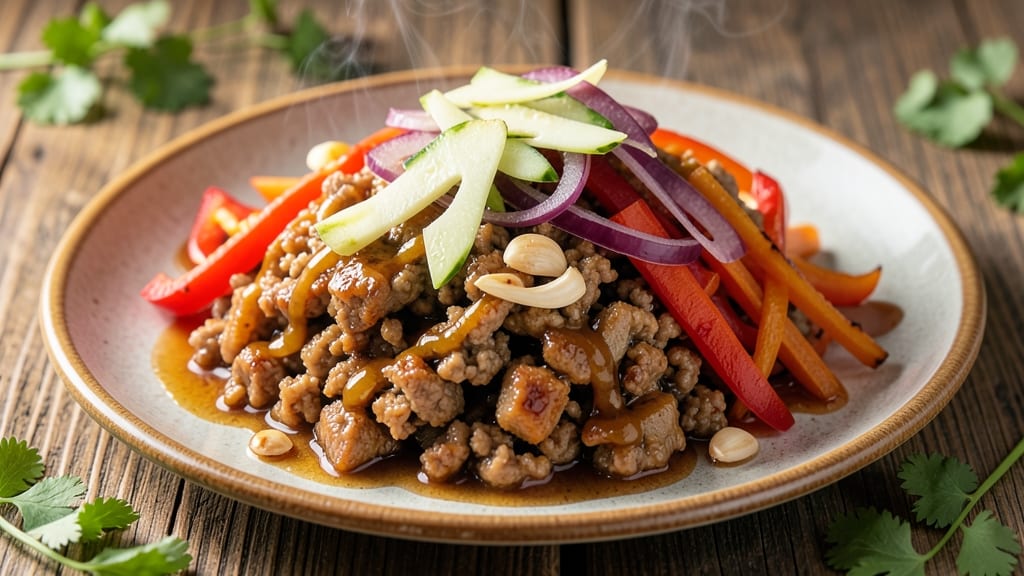
This minced pork and vegetables recipe delivers restaurant-quality depth in a single pan, transforming simple ingredients into a dish packed with savory umami. 🔥 I developed this technique after years of perfecting pork-based stir-fries at The Smoky Pig, where we process 2,000 pounds weekly—this version brings that professional experience home.
The secret lies in proper browning of the pork and layered seasoning that builds flavor as it cooks.
The beauty of this recipe is its versatility—equally at home as a weeknight dinner or special occasion meal. We start with ground pork (not pre-minced) for better texture, then combine it with a mix of vegetables that balance sweetness and earthiness.
A simple soy-ginger sauce ties everything together while keeping the dish approachable for home cooks. The key is high-heat stir-frying to develop those caramelized flavors without overcooking the pork.
What you'll end up with is a vibrant one-pan dish where tender pork pieces cling to crisp-tender vegetables, all coated in a glossy, umami-rich sauce. The aroma alone will have everyone gathering at the table—it's that good.
This recipe serves four generously, with leftovers that reheat beautifully for lunch the next day. Perfect for feeding a family or impressing guests with minimal effort.
Whether you're making it for a quick weeknight or planning ahead for meal prep, this dish delivers restaurant-quality results without the fuss. The technique is simple but the flavor development is what makes it special—just like the dishes I've perfected over years in professional kitchens. Let's get cooking!
Ingredients for minced pork and vegetables
Restaurant-quality umami in one pan—just 15 ingredients for bold, savory stir-fry perfection.
| Ingredient | Amount | Notes |
|---|---|---|
| Ground Pork 🐖 | 1 ½ lb | Freshly ground for optimal texture |
| Yellow Onion 🧅 | 1 whole | Thinly sliced for even cooking |
| Bell Pepper 🌶️ | 1 whole | Red or green, sliced into strips |
| Carrots 🥕 | 3 medium | Julienned into matchsticks |
| Garlic Cloves 🧄 | 4 cloves | Minced for aromatic depth |
| Fresh Ginger 🌿 | 1 ½ tbsp | Finely grated, not minced |
| Soy Sauce 🍶 | ½ cup | High-quality, preferably Japanese |
| Oyster Sauce 🍜 | 2 tbsp | For authentic umami richness |
| Sesame Oil 🫒 | 1 tbsp | Toasted for nutty aroma |
| Brown Sugar 🍚 | 1 tbsp | Lightly packed for balance |
| Vegetable Oil 🫒 | 3 tbsp | High smoke point preferred |
| Green Onions 🧅 | 3 whole | Sliced for garnish |
| Diamond Crystal Kosher Salt 🧂 | 1 ½ tsp | For seasoning and finishing |
| Freshly Ground Black Pepper 🌶️ | ½ tsp | For subtle heat balance |
| Cornstarch 🌾 | 1 tbsp | For sauce thickening |
The ground pork is non-negotiable for texture. Freshly ground pork from your butcher's counter (not pre-minced) gives the best bite, but store-bought works in a pinch. Look for 80/20 fat ratio for juiciness—Costco or Whole Foods carry excellent quality. The vegetables should be crisp: firm carrots, vibrant bell peppers, and onions with no soft spots. Fresh ginger and garlic are essential—organic ginger from the produce section has more punch than the jarred kind. For the soy sauce, Kikkoman or Pearl River Bridge brands deliver consistent depth.
No fresh ginger? Powdered ginger at half the amount works, but you'll miss the fresh aroma. Substitute bell peppers with zucchini or snap peas for a different texture. Running low on oyster sauce? Mushroom sauce or extra soy sauce bridges the gap. The sesame oil should be toasted—La Choy or Kadoya are reliable brands. For a sweeter profile, swap brown sugar for maple syrup or agave**. The cornstarch is crucial for that glossy finish—Bob's Red Mill is my go-to brand for reliable thickening.
Store prepped vegetables in airtight containers with paper towels to absorb moisture—keeps them crisp for 3 days. The cooked stir-fry reheats beautifully: 2 minutes in a skillet with a splash of water restores that caramelized sheen. For meal prep, portion into containers with sauce on top to prevent drying. Leftovers keep 4 days refrigerated or 3 months frozen. The sauce freezes well too—just thaw and reheat gently to preserve texture.
Why You'll Love This Recipe
- One-Pan Magic: I swear by this recipe when I’m too tired to wash dishes. Toss everything—pork, onions, peppers, carrots—into one skillet, and let the garlic and soy sauce work their magic while you stir. No pots, no pans, just flavor.
- Savory Crunch Combo: That crispy sear on the pork paired with the sweet crunch of carrots and the bright snap of bell peppers? It’s the kind of balance that makes you pause mid-bite. Honestly, I’ll take this over takeout any day.
- Lunchbox Hero: Between us, this is my go-to for packed lunches. Cook a big batch on Sunday, portion it into containers, and you’ve got a week’s worth of meals that taste fresh, not sad. My kids even ask for it—rare praise.
- Budget-Friendly Powerhouse: Ground pork stretches so far, and veggies like onions and carrots are dirt cheap. I make this for four people for under $10, and it’s hearty enough to feel like a splurge. Leftovers? Even better the next day.
Step-by-step instructions for one-pan minced pork stir-fry
This stir-fry delivers restaurant-quality umami depth with perfectly balanced textures and flavors.
🍳 Step 1: Prepare the Vegetable Base
Heat 2 tablespoons of the vegetable oil in a large wok or skillet over medium-high heat until shimmering. Add the sliced yellow onion and bell pepper strips, stirring constantly for 3-4 minutes until they soften slightly but retain their shape. The vegetables should release their juices and begin to caramelize at the edges.
Push the vegetables to one side of the pan and add the remaining 1 tablespoon vegetable oil. Toss in the julienned carrots and cook for 2 minutes until they begin to soften. Here's the thing—don't overcrowd the pan. You want the vegetables to sizzle and develop color rather than steam. If needed, work in batches and set the first batch aside temporarily.
🍳 Step 2: Build the Aromatic Foundation
Add the minced garlic cloves and finely grated ginger to the pan, stirring vigorously for 30 seconds until fragrant. You'll know it's ready when the garlic turns golden around the edges—this prevents that bitter aftertaste. Immediately add the 1.5 lb ground pork, breaking it up with a wooden spoon as it cooks.
Let the pork brown undisturbed for 3-4 minutes until it loses its raw color and develops a slight crust. This step is crucial for developing deep, meaty flavors. If the pan gets too dry, add just 1 tablespoon water to deglaze, scraping up any browned bits from the bottom of the pan.
🥘 Step 3: Season and Combine
Pour in the 0.5 cup soy sauce and 2 tablespoons oyster sauce, stirring to combine with the pork and vegetables. Add the 1 tablespoon brown sugar and let the mixture simmer for 2 minutes until the sauce begins to thicken slightly. This is where the umami magic happens—the combination of soy, oyster sauce, and sugar creates that signature savory depth.
Stir in the 1.5 teaspoons kosher salt and 0.5 teaspoon black pepper, adjusting to taste. The salt should enhance all the flavors without overpowering them. Taste the mixture now—you should detect layers of sweetness, saltiness, and umami. If the sauce is too thin, mix the 1 tablespoon cornstarch with 2 tablespoons water and stir it in to achieve your desired consistency.
🔥 Step 4: Finish with Sesame Oil and Garnish
Remove the stir-fry from heat and let it cool slightly for 1 minute. Drizzle in the 1 tablespoon sesame oil and toss gently to distribute evenly. This step adds a nutty aroma and rich depth of flavor that complements all the other components. The oil should coat the ingredients lightly without making them greasy.
Garnish with sliced green onions and serve immediately over steamed rice or noodles. Each bite should deliver a perfect balance of tender pork, crisp-tender vegetables, and a glossy, umami-rich sauce. The dish should be hot when served—this stir-fry doesn't reheat well, so enjoy it fresh from the pan.
Pro Tips For Making Minced Pork And Vegetables
- BROWN THE PORK FIRST: I learned this the hard way—skipping the initial sear makes the pork turn rubbery instead of juicy. Cook the ground pork in batches over medium-high heat until it loses its raw color (about 3-4 minutes per batch), then push it to the side before adding the onions.
- CHOP VEGETABLES UNIFORMLY: Bell peppers and carrots should be diced into ¼-inch pieces—any larger, and they’ll stay crunchy while the pork overcooks. Onions? Finely mince them; they’ll melt into the pork faster and add depth without taking over the texture.
- DON’T OVERCROWD THE PAN: I used to dump everything in at once, and the veggies just steamed instead of caramelizing. Cook the pork first, then add onions and garlic in a single layer. Only toss in the peppers and carrots once the onions are translucent—this guarantees they get that sweet, golden crust.
- USE COLD CARROTS: Sounds weird, but it works: pull the carrots straight from the fridge and add them last. The cold shock keeps them from turning mushy while the pork and peppers finish cooking—no more sad, soggy veggies at the end. (Yes, even if you’re impatient like me.)
Perfect pairings for this recipe
Rice Pairing Perfection
Jasmine rice is my go-to base for this dish—its delicate floral aroma complements the umami sauce without overpowering it. Cook 1.5 cups jasmine rice (yielding about 3 cups cooked) in a rice cooker or pot with water, then fluff with a fork before serving.
For extra texture, try short-grain sushi rice—its stickiness helps hold the stir-fry together when scooped up. 🍚
Don’t have Asian rice? Basmati or long-grain white rice works perfectly fine—just increase the water ratio slightly to prevent dryness. I also love serving this stir-fry over steamed cauliflower rice for a low-carb option, especially when I’m prepping meals for my farm hands after long days.
Noodle Alternatives
For a heartier bowl, swap rice for udon or ramen noodles. Cook the noodles according to package instructions, then rinse briefly in cold water to stop the cooking. The wider udon noodles provide a satisfying bite that contrasts beautifully with the tender pork.
I often use fresh egg noodles from my local Asian market—they’re chewier and hold up better to the sauce.
For a gluten-free option, rice noodles or shirataki noodles work well. Just be sure to cook them al dente—they should be tender but still have a slight bite. I’ve found that Vital Gluten-Free Rice Noodles from the supermarket section hold up best to the stir-fry’s moisture.
Bread Pairings
If you’re serving this as a casual meal, warm crusty baguette slices or garlic naan on the side. The bread soaks up any extra sauce beautifully, and the garlic flavor plays nicely with the ginger in the stir-fry.
I like to toast the baguette slices in the same pan used for the stir-fry—just a minute on each side until golden and crisp.
For a Southern twist (my personal favorite), serve with cornbread muffins from my grandma’s recipe. The slight sweetness and crumbly texture balance the savory pork perfectly. You can find a great mix at Bob’s Red Mill if you don’t want to make it from scratch.
Drink Pairings
A crisp green tea like Sencha or Jasmine pairs beautifully with this dish—its light bitterness cuts through the richness of the pork and sauce. For something more substantial, a dry Riesling from Germany or a Pinot Noir from Oregon complements the umami flavors without overpowering them.
I always keep a bottle of La Crema Pinot Noir on hand for these kinds of meals.
If you prefer beer, a light lager like Peroni or a wheat beer like Blue Moon works well. The effervescence helps cleanse your palate between bites. For a non-alcoholic option, yuzu soda** or sparkling water with a splash of lime adds a refreshing contrast to the savory flavors.
Nutrition facts
Frequently asked questions
Can I substitute ground pork with another meat?
For a leaner option, try ground turkey or chicken, but reduce cooking time by 1-2 minutes to prevent drying. Ground beef (80/20 ratio) works too—just increase the sauce slightly to compensate for its fattiness. For a seafood twist, finely chopped shrimp or scallops add elegant texture, though they cook in 2 minutes total.
How do I prevent the pork from getting mushy?
Never overcrowd the pan—cook the pork in batches if needed. Use medium-high heat and break it up with a wooden spoon while browning. The key is 3-4 minutes of undisturbed cooking to develop a crust before adding liquids. Also, avoid stirring constantly—let it brown in place.
What vegetables can I swap in?
Any firm, crisp vegetables work! Try broccoli florets, snap peas, or mushrooms for extra umami. For a Southern twist, add corn kernels and diced sweet potatoes. If using leafy greens (like bok choy), add them last for 1 minute of cooking to preserve texture.
Can I make this ahead of time?
Yes, but with a twist. Cook the stir-fry completely, then cool and refrigerate. Reheat in a skillet with 1 tablespoon water for 3-4 minutes to restore moisture. For best results, serve within 3 days—the sauce thickens when chilled and may need thinning with water when reheated.
Why does my sauce taste too salty?
Oyster sauce and soy sauce contain hidden salt. Taste as you go—reduce soy sauce to 3 tablespoons if needed. For balance, add 1 teaspoon brown sugar or a splash of rice vinegar to cut the saltiness. If over-salted, stir in 1 tablespoon cornstarch slurry to dilute slightly.