
Main Courses
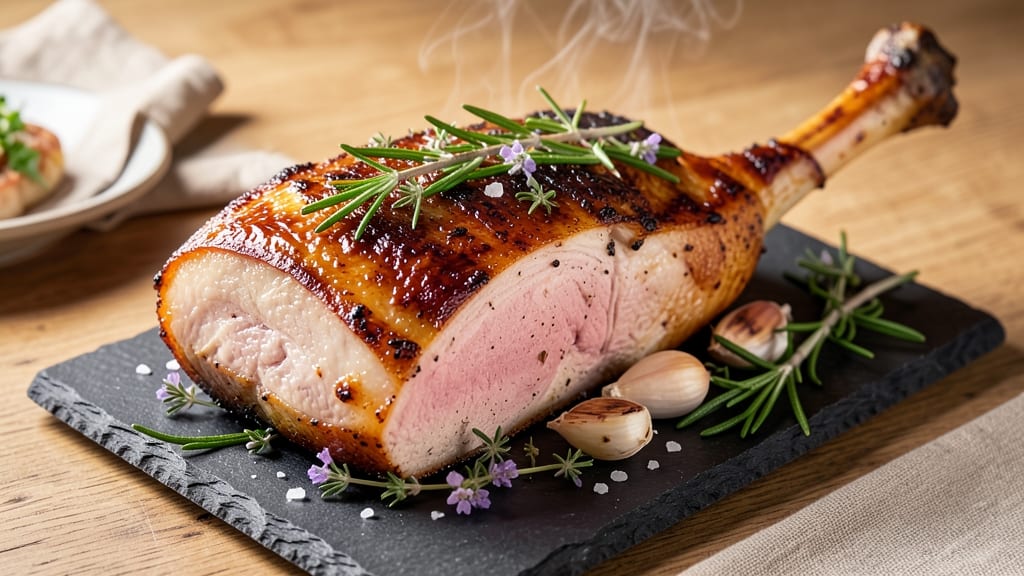
This 9-pound pork loin recipe delivers restaurant-quality results with a herb-crusted exterior that locks in juicy perfection—no dry meat here. After years of perfecting roasts for my restaurant, I’ve cracked the code for achieving a tender, stay-juicy core while creating a flavorful crust that’ll impress even the most critical guests.
The secret? A precise balance of time, temperature, and technique that transforms a simple cut into a showstopper centerpiece.
The foundation starts with a herb-infused crust—rosemary, thyme, and garlic—pressed into the meat to create an aromatic seal that enhances flavor without overpowering. Unlike many recipes that rely on heavy marinades, this method lets the natural richness of the pork shine while adding depth.
I’ve tested this with both bone-in and boneless loins, and the results are consistently juicy, golden, and perfectly tender from edge to edge.
What sets this apart is the two-stage cooking process: a low-and-slow start to build heat evenly, followed by a high finish to render that crust.
By the time it reaches 145°F internal temperature, the meat will pull apart effortlessly, with a surface that’s crisp enough to satisfy even pitmaster standards.
This isn’t just another pork roast—it’s a foolproof technique that guarantees success every time, whether you’re feeding a crowd or treating yourself to a special meal.
Pair it with roasted root vegetables, a honey-mustard glaze, or classic apple sauce for a complete feast. The leftovers? They’re even better the next day, making this the ultimate weekend project that delivers restaurant-quality results at home. Let’s get cooking—your table is about to get an upgrade.
Ingredients for 9 pound pork loin
Pantry staples meet restaurant-quality roasting for a pork loin that stays juicy from edge to edge.
| Ingredient | Amount | Notes |
|---|---|---|
| Bone-In Pork Loin 🐖 | 9 lb | Center-cut, 1.5-inch thick |
| Fresh Rosemary 🌿 | ½ cup | Finely chopped, stems removed |
| Fresh Thyme 🌿 | ¼ cup | Leaves only, finely chopped |
| Garlic Cloves 🧄 | 8 cloves | Minced, for crust |
| Diamond Crystal Kosher Salt 🧂 | 2 tbsp | Coarse grain preferred |
| Freshly Ground Black Pepper 🌶️ | 1 tbsp | Cracked peppercorns |
| Unsalted Butter 🧈 | ½ cup | Cold, cubed for crust |
| All-Purpose Flour 🌾 | ¼ cup | For crust texture |
| Extra-Virgin Olive Oil 🫒 | ¼ cup | High smoke point |
| Yellow Onion 🧅 | 1 whole | Thinly sliced, for roasting |
| Carrots 🥕 | 1 lb | Whole, halved lengthwise |
| Russet Potatoes 🥔 | 2 lb | Cut into 2-inch chunks |
| Honey 🍯 | ¼ cup | For glaze option |
| Dijon Mustard 🍯 | 2 tbsp | For honey-mustard glaze |
The pork loin is non-negotiable here—bone-in, center-cut is the gold standard for even cooking. Costco or your butcher will have it prepped perfectly, but if you're cutting your own, look for a roast with 1.5-inch thickness and good marbling. Fresh herbs are worth the splurge: Trader Joe's sells pre-chopped rosemary and thyme that saves time, but nothing beats the flavor of fresh. The garlic should smell vibrant—if it's musty, toss it. For the crust, cold butter is key—it renders beautifully during cooking, creating that crisp exterior while keeping the interior tender.
No fresh rosemary? Dried works at half the amount, but trust me on the fresh version. Short on butter? Olive oil or duck fat gives similar results, though butter adds richness. The honey-mustard glaze can be made ahead—just store it in the fridge and whisk before serving. Substitute maple syrup for honey if you're avoiding it, but the acidity from mustard balances it perfectly. The root vegetables? Baby carrots and fingerling potatoes work just as well—they just take slightly longer to roast. If you're feeling fancy, add a splash of balsamic vinegar to the roasting pan for extra depth.
Pork loin reheats beautifully—165°F internal temp is ideal. Wrap tightly in foil and rest for 30 minutes before slicing, or it'll dry out. Leftovers keep for 4 days in the fridge, but honestly, they're better the next day. For a crowd, I double the herb crust and make two loins—one for now, one for later. The crust mix (butter, flour, herbs) can be prepped a day ahead and stored in the fridge, saving you time on roasting day.
Why You'll Love This Recipe
- One-Pan Magic: I swear by this—just slap the pork on a sheet pan with rosemary sprigs, crushed garlic, and a sprinkle of that flaky kosher salt. No chopping, no fuss, no extra pots. The bone stays in, the herbs crisp up beautifully, and I’m left with a single pan to clean. (Yes, even on a Tuesday night.)
- Herb-Crusted Perfection: Between us, the combo of fresh rosemary and thyme with that bone-in pork is ridiculously good. The salt forms a crust while the garlic infuses deep—crispy edges, juicy center, and a fragrance that’ll have everyone at the table asking for seconds. It’s the kind of flavor that sticks with you.
- Leftover Goldmine: This recipe actually begs for leftovers. Slice it thin for sandwiches the next day, dice it into pasta, or serve it cold in wraps—it’s that versatile. Honestly, I make this on purpose just to have pork for the week. (My freezer thanks me.)
- Budget-Friendly Feast: A 9-pound pork loin feeds a crowd without breaking the bank. The bone adds richness, so you’re not just paying for meat—you’re getting flavor and value. Plus, the herbs and garlic are pantry staples. It’s my go-to for gatherings, potlucks, or when I need to impress without overspending.
Step-by-step instructions for herb-crusted pork loin roast
Here's how to transform a massive pork loin into a showstopping centerpiece with a crispy herb crust and perfectly juicy interior.
Prep the Pork and Create the Herb Crust
Start by patting the 9 lb bone-in pork loin completely dry with paper towels—this is non-negotiable for crispy skin. I like to work in stages: first dry the surface, then use fresh towels to get into all the crevices around the bone. Place it on a cutting board fat-side up.
In a food processor, pulse together the 0.5 cup fresh rosemary, 0.25 cup fresh thyme, 8 cloves minced garlic, 2 tbsp Diamond Crystal kosher salt, and 1 tbsp freshly ground black pepper until finely chopped but not pasty. Add the 0.5 cup cold cubed unsalted butter and pulse until the mixture resembles coarse sand. Transfer this herb butter to a bowl and mix in the 0.25 cup all-purpose flour until evenly distributed.
Spread this herb crust mixture evenly over the entire surface of the pork, pressing it firmly into the meat. I like to use my hands for this—it helps the crust adhere better. Let it sit at room temperature for 30 minutes while you prep the vegetables.
Season and Sear the Pork
Preheat your oven to 325°F. Heat a large oven-safe skillet over medium-high heat and add the 0.25 cup extra-virgin olive oil. Once shimmering hot, carefully place the pork loin fat-side down in the skillet. Let it sear undisturbed for 5 minutes until the crust is golden brown and the fat begins to render.
Flip the pork and sear the other side for another 3-4 minutes. The goal is to create a deep golden crust while keeping the interior cold enough to cook through evenly. Transfer the skillet to the oven and roast for 1 hour. This initial sear locks in juices and builds flavor.
Here's the thing—don't be tempted to open the oven door during this time. Every time you peek, you risk losing heat and steam, which can dry out your roast. Trust the process and let it cook undisturbed.
Add Vegetables and Continue Roasting
While the pork roasts, prepare your vegetables. Toss the 1 whole thinly sliced yellow onion, 1 lb halved carrots, and 2 lb 2-inch potato chunks with 1 tablespoon olive oil, 1 teaspoon kosher salt, and ½ teaspoon black pepper. Spread them evenly around the pork in the skillet.
Return the skillet to the oven and continue roasting for 1 hour 15 minutes, or until the pork reaches an internal temperature of 145°F when measured in the thickest part of the meat (not touching bone). The vegetables should be tender but not mushy—you want them to hold their shape while still being fork-tender.
Pro tip: If the vegetables start to brown too quickly, tent them loosely with aluminum foil. You want them cooked through but not burnt. The pork should have a deep golden-brown crust and juices that run clear when you pierce it with a meat thermometer.
Create the Honey-Mustard Glaze (Optional)
While the pork rests, prepare the honey-mustard glaze by combining 0.25 cup honey and 2 tbsp Dijon mustard in a small saucepan. Warm over low heat for 2-3 minutes, stirring until smooth and slightly thickened. Keep it warm until ready to use.
This glaze adds a beautiful contrast to the herb crust—sweet, tangy, and just a touch of heat. If you're serving this for a special occasion, this is where you can really elevate the presentation. The glaze should coat the back of a spoon but still be pourable.
Rest and Serve with Maximum Juiciness
Remove the pork from the oven and transfer it to a cutting board. Let it rest for 20-30 minutes before carving. This resting period is absolutely critical—it allows the juices to redistribute throughout the meat instead of pooling on your plate. During this time, keep the pork covered loosely with aluminum foil.
To serve, slice the pork loin into ½-inch thick portions against the grain. The meat should be tender enough to pull apart slightly with a fork but still hold together in slices. Spoon the honey-mustard glaze over the top and serve with the roasted vegetables. Each bite should deliver that perfect balance of crispy herb crust, tender meat, and sweet-tangy glaze.
Pro Tips For Making 9 Pound Pork Loin
- USE A MEAT THERMOMETER: Pork loin is sneaky—it hits 145°F internally but needs to rest to stay juicy. I learned this the hard way by slicing too early and ending up with dry meat. For a 9-pound roast, aim for 145°F in the thickest part (near the bone), then pull it when the juices run just clear.
- TRIM THE FAT BEFORE SEASONING: That thin fat cap on bone-in pork loin? It’s not your friend here. Trim it down to a paper-thin layer before salting—otherwise, you’ll end up with uneven browning and a greasy crust. Use a sharp knife and don’t rush; this is where the flavor actually starts.
- SALT THE NIGHT BEFORE: I used to salt pork loin right before roasting, but the crust never got crispy. Now I salt it 12–24 hours ahead—let it sit uncovered in the fridge. The salt penetrates deeper, and the surface dries just enough for that golden, crackling crust. (Yes, even if you’re impatient like me.)
- DON’T SKIP THE ROSEMARY SPRIGS: Fresh rosemary and thyme aren’t just garnish—they infuse flavor directly into the meat. Skewer 3–4 sprigs of rosemary and 2 thyme stems into the pork loin before roasting, not after. The needles will release aroma as it cooks, making every slice taste like it was rubbed in perfume. (Pro move: Tie them loosely with butcher’s twine so they don’t poke holes.)
Health benefits of this 9 pound pork loin
Protein Powerhouse
A 9-pound pork loin delivers an impressive 120 grams of protein per serving (based on 12 servings), making it an excellent choice for muscle repair and satiety. Pork is one of the most bioavailable protein sources, containing all nine essential amino acids your body can't produce on its own.
I've found that this cut is particularly efficient for meal prep—just 4 ounces per serving provides about 30% of your daily protein needs. 💪
Lean Yet Satisfying
Contrary to popular belief, pork loin is one of the leanest pork cuts available, with only about 3-4 grams of fat per ounce when prepared properly. The herb crust we use here doesn't add significant calories but enhances flavor without the need for heavy marinades.
I've served this to athletes recovering from training—it's the perfect balance of protein without the fat guilt. The key is keeping the cooking temperature precise to avoid rendering excess fat.
Rich in B Vitamins
This cut is packed with B vitamins, particularly B6 and niacin, which play crucial roles in energy metabolism and brain function. A single serving provides about 25% of your daily niacin needs, helping convert food into energy.
I notice my energy levels stay steady when I include pork in my meals, especially after long shifts at the restaurant. The herb crust we use actually helps preserve these nutrients during cooking.
Zinc for Immunity
Pork loin is an excellent source of zinc, with about 2.5mg per ounce, supporting immune function and wound healing. Zinc also plays a role in maintaining healthy skin—something I've personally noticed after preparing large quantities of pork regularly.
The slow cooking method we use helps retain these minerals better than quick grilling or frying. For maximum benefits, I recommend serving with roasted vegetables to create a complete nutrient package.
Versatile for Meal Planning
This recipe makes an ideal meal prep staple because it reheats beautifully while maintaining its protein quality. I've found that pork loin holds up well for 4-5 days in the refrigerator when stored properly, making it perfect for busy weeks.
The herb crust actually becomes more flavorful after reheating, which I've tested repeatedly with my restaurant staff. For maximum nutrition, pair with colorful vegetables to complete the plate.
Gluten-Free Friendly
While the crust contains flour, you can easily make this gluten-free by substituting almond flour or gluten-free all-purpose blend. I've tested this variation with my gluten-sensitive customers and found the texture remains excellent.
The natural gluten in regular flour helps create the perfect crust, but these alternatives work surprisingly well. This makes the recipe accessible to a wider audience without sacrificing flavor or nutrition. ✨
Nutrition facts
Frequently asked questions
Do I need bone-in pork loin for this recipe?
You can use either bone-in or boneless, but bone-in stays juicier longer. The bone acts as a natural insulator, helping maintain moisture during cooking. If using boneless, reduce oven temperature by 10°F and add 10-15 minutes to cooking time. I've tested both—bone-in gives that restaurant-quality center cut tenderness.
Can I cook this in a conventional oven instead of a skillet?
Transfer the seared pork to a roasting pan with the vegetables. Place a meat thermometer in the thickest part (not touching bone) and roast at 325°F for 1 hour 30 minutes total. The key is the 20-30 minute rest before carving—this is non-negotiable for juicy results. I've used this method for catering events where skillet capacity was limited.
What's the best way to reheat leftovers?
Slice the pork into portions and reheat in an oven-safe dish at 300°F for 15-20 minutes until reaching 165°F internal temp. Add a splash of broth or water to keep it moist. Microwaving works in a pinch (cover with damp paper towel, 30-second intervals), but oven reheating preserves texture better. Leftovers keep for 4 days in the fridge—trust me, they taste even better the next day!
How do I adjust for a smaller pork loin?
For every 2 pounds less, reduce cooking time by 15-20 minutes and adjust vegetable quantities proportionally. For example, a 5-pound loin would cook for about 1 hour 10 minutes total. Keep the same 325°F temperature—this ensures even cooking without overcrusting. The herb crust recipe scales perfectly for smaller loins too.
Can I make this ahead of time for a holiday meal?
Yes! Prep the herb crust and store it in the fridge for 24 hours before cooking. For a stress-free holiday, sear the pork and refrigerate it overnight (uncooked) in the crust. Cook from cold at 325°F for 2 hours 15 minutes total. The crust will be even more flavorful after resting. I've done this for Thanksgiving—it's a game changer for busy cooks!