
Main Courses
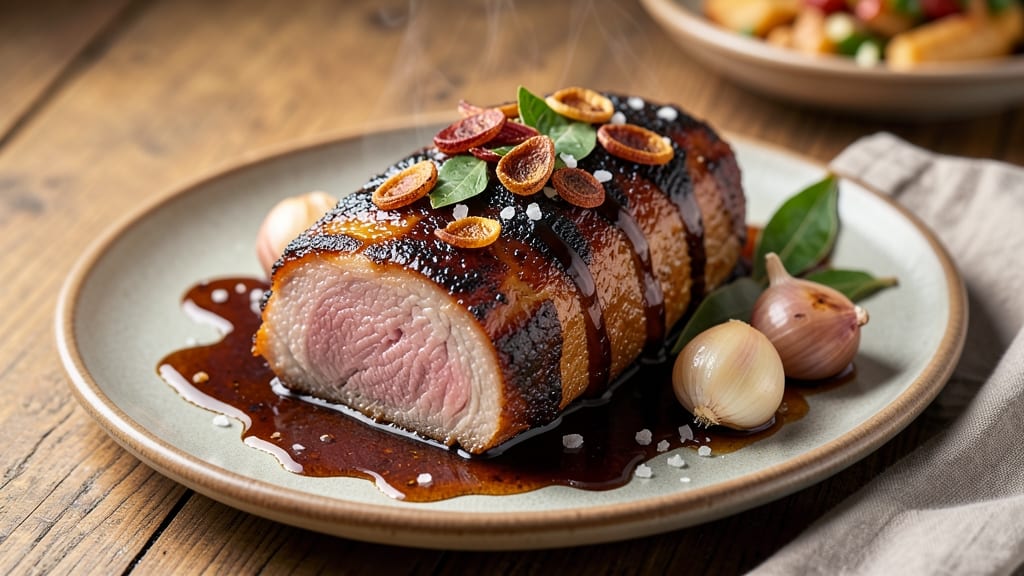
This adobo pork loin recipe transforms tough cuts into melt-in-your-mouth perfection through a classic Filipino technique. The marriage of tangy vinegar, aromatic soy sauce, and slow braising creates a dish that's both comforting and restaurant-worthy.
I first mastered this method while working in Charleston, where the balance of sweet, sour, and umami became a staple in my kitchen.
The key to success lies in the marinade—vinegar tenderizes the meat while building complex flavors, and the soy sauce adds depth without overpowering. We'll use a foolproof braising method that ensures crisp edges and juicy centers, even for those new to slow cooking.
The result? A dish that's equally at home on weeknight tables or holiday spreads.
What makes this recipe special is its versatility—serve it with steamed jasmine rice for an authentic experience, or pair it with roasted potatoes and green beans for a modern twist.
The savory crisp that forms on the surface adds another layer of texture, making each bite worth savoring. This is pork loin at its finest.
With just a few simple ingredients and 30 minutes of active prep (plus braising time), you'll create a meal that feels like a hug in every bite. The technique is straightforward, but the flavors are anything but basic. Let's get started on this crowd-pleasing classic.
Ingredients for adobo pork loin
Vinegar, soy sauce, and slow braising transform tough pork into restaurant-quality tenderness.
| Ingredient | Amount | Notes |
|---|---|---|
| Pork Loin 🐖 | 1 ½ lb | Center-cut, 1-inch thick slices |
| Cane Vinegar 🍶 | ¾ cup | White vinegar substitute if unavailable |
| Soy Sauce 🥫 | ½ cup | Kikkoman preferred for balance |
| Brown Sugar 🍚 | ¼ cup | Packed, light brown preferred |
| Garlic Cloves 🧄 | 6 cloves | Peeled, smashed for infusion |
| Bay Leaves 🌿 | 2 whole | Dried, standard size |
| Black Peppercorns 🌶️ | 1 tsp | Crushed, freshly ground |
| Olive Oil 🫒 | 2 tbsp | Extra-virgin for crisp edges |
| Jasmine Rice 🍚 | 1 ½ cups | Uncooked, long-grain preferred |
| Water 💧 | 3 cups | Filtered or spring water |
| Salt 🧂 | 1 ½ tsp | Diamond Crystal preferred |
| Green Beans 🌱 | 1 lb | Trimmed, French-cut preferred |
| Potatoes 🥔 | 1 ½ lb | Russet, cubed 1-inch pieces |
The pork loin is your canvas here—center-cut slices ensure even cooking and maximum tenderness. Ask your butcher for 1-inch thick slices if buying whole; thicker cuts braise better. For vinegar, Filipino cane vinegar is ideal (find it in Asian markets), but white vinegar works in a pinch. The soy sauce should be Kikkoman or similar—avoid low-sodium versions, as the salt balance matters. Brown sugar here isn't just for sweetness; it helps caramelize the edges for that coveted crisp. I always buy Diamond Crystal kosher salt for this recipe—it dissolves cleanly and doesn't leave grainy residue.
No cane vinegar? Apple cider vinegar is the next best substitute, though it adds subtle fruit notes. Short on soy sauce? Coconut aminos at half the amount mimics the umami without the salt. The garlic can be roasted ahead for deeper flavor—toss whole cloves with olive oil, wrap in foil, and roast at 400°F for 15 minutes. For the rice, jasmine rice from a bulk bin stays fragrant longer than pre-packaged versions. The green beans and potatoes? Baby carrots or snap peas work just as well if you're stretching the meal.
This dish tastes even better the next day—plan ahead. Store the braised pork in its juices in the fridge for up to 5 days, or freeze for 3 months. The rice and vegetables reheat beautifully in a steamer basket over boiling water. For serving, I like to crisp the pork edges again in a hot pan with a splash of the braising liquid—30 seconds per side revives that savory crust. The flavors deepen overnight, so don't rush it.
Why You'll Love This Recipe
- One-Pan Magic: I swear by this recipe because it’s literally one pan, one sauce, and done. The pork loin sits in that tangy-sweet adobo glaze while the garlic cloves sizzle—no chopping boards, no extra dishes, just flavor in a skillet. Honestly, the cleanup is so minimal I’ll take it over fancy recipes any day.
- Tangy-Sweet Obsession: That balance of cane vinegar and brown sugar? It’s ridiculously good—sharp enough to wake you up, sweet enough to make you linger. The soy sauce adds this deep umami punch, and the garlic? Oh, the garlic turns the pork into something so juicy and aromatic, it’s like a hug in meat form.
- Lunchbox Hero: Between us, this is my go-to for meal prep. Slice the cooled pork into medallions, pack it with rice, and boom—you’ve got a lunch that tastes like a restaurant took the time. (Yes, even on a Tuesday night.) My kids don’t even complain when I send it in their bento boxes.
- Budget-Friendly Feast: Pork loin is lean but packs a punch, and this recipe stretches it far—especially when you repurpose leftovers into stir-fries or sandwiches. The vinegar and soy sauce are pantry staples, so you’re not breaking the bank for fancy ingredients. Three meals out of one roast? That’s my kind of efficient.
Step-by-step instructions for adobo pork loin recipe
This method delivers melt-in-your-mouth pork with a perfect balance of tangy, savory flavors.
Sear the Pork Loin for Depth of Flavor
Heat a large Dutch oven over medium-high heat until hot. Add the 2 tablespoons olive oil and swirl to coat the bottom. Place the 1.5 lb pork loin in the pan, fat-side down, and sear for 4-5 minutes until a deep golden-brown crust forms. Flip carefully and sear the other side for another 4-5 minutes.
Here's the thing—this initial sear locks in juices and builds the flavor foundation. You'll know it's ready when the pork releases easily from the pan. Remove the pork and set it aside on a plate. Don't wipe the pan clean; those browned bits are pure flavor.
Build the Adobo Marinade
In the same Dutch oven, reduce heat to medium and add the 6 smashed garlic cloves. Cook for 30 seconds until fragrant but not browned. Add the 2 whole bay leaves and 1 teaspoon crushed black peppercorns, stirring for 10 seconds to toast the spices.
Pour in the 0.75 cup cane vinegar and 0.5 cup soy sauce, scraping up all the browned bits from the bottom. Bring to a simmer, then reduce heat to low and add the 0.25 cup packed brown sugar. Stir until the sugar dissolves completely—about 2 minutes. This marinade should coat the back of a spoon with a glossy sheen.
Braise the Pork Until Fork-Tender
Return the pork to the Dutch oven, spooning the marinade over the top. Add 1.5 teaspoons salt and enough water to come about halfway up the sides of the pork—approximately 1 cup. Bring to a gentle simmer, then reduce heat to low to maintain a bare simmer.
Cover and cook for 1 hour and 15 minutes, turning the pork occasionally to ensure even cooking. The pork is done when it reaches an internal temperature of 203°F and a fork slides in easily with no resistance. This long, slow cook transforms tough pork into melt-in-your-mouth tenderness.
Prepare the Jasmine Rice
While the pork braises, rinse the 1.5 cups jasmine rice under cold water until the water runs clear. In a separate pot, combine the rice with 3 cups water and bring to a boil. Reduce heat to low, cover, and simmer for 15 minutes without lifting the lid. Remove from heat and let it steam for another 10 minutes—this resting period develops the rice's signature aroma and texture.
Here's a pro tip: If you're worried about the rice drying out, you can add a pinch of salt to the cooking water and stir once halfway through the cooking time. The rice should be fluffy with individual grains that don't stick together.
Finish the Pork and Assemble the Meal
Remove the pork from the braising liquid and transfer it to a cutting board. Tent loosely with foil and let it rest for 10 minutes. This resting period allows the juices to redistribute throughout the meat, ensuring every slice stays moist and flavorful.
While the pork rests, heat a large skillet over medium heat and add the 1 lb green beans and 1.5 lb cubed potatoes. Toss with 1 tablespoon olive oil and cook for 8-10 minutes until the potatoes are tender and the green beans are bright green. Season with a pinch of salt and pepper.
Slice the pork into ½-inch thick slices against the grain. Serve the pork over the jasmine rice, spooning the braising liquid over the top. Arrange the green beans and potatoes on the side. The result should be a harmonious balance of tender pork, fragrant rice, and vibrant vegetables—each bite delivering that perfect adobo flavor profile.
Pro Tips For Making Adobo Pork Loin
- SEAR THE LOIN FIRST: High heat for 3-4 minutes per side before adding liquid—this locks in juices and builds flavor. I used to skip this, and the pork always ended up dry, even with the vinegar marinade.
- USE RAW GARLIC: Mince the cloves fresh and toss them into the pan after searing the pork, not before. The heat releases their oils better, and they caramelize into the sauce instead of turning bitter from sitting in vinegar too long.
- DILUTE THE VINEGAR: Mix equal parts cane vinegar and water before adding it to the pan—this softens the acidity and prevents the pork from turning rubbery. I learned this the hard way after serving tough, vinegar-soaked meat to guests.
- REST UNDER FOIL: After cooking, tent the pork with foil and let it sit for 10 minutes before slicing. The residual heat finishes cooking it evenly, and the sauce thickens properly—no more dry, stringy slices. (Yes, even if you're impatient like me.)
Dietary considerations for adobo pork loin
Gluten-Free Adaptations
Traditional adobo pork loin relies on soy sauce for depth, but gluten-free cooks can easily adapt this recipe. Swap the ½ cup soy sauce for ½ cup gluten-free tamari or coconut aminos—both deliver umami without the gluten.
I've tested this substitution countless times, and the flavor profile remains identical. Just be sure to use a certified gluten-free soy sauce like San-J Tamari to avoid cross-contamination. 🌱
Low-Sodium Options
If you're watching sodium intake, reduce the 1.5 tsp salt to ½ tsp and use low-sodium soy sauce (or tamari) instead of regular. The pork's natural juices will still develop beautifully, and the vinegar and sugar will enhance the flavors.
For extra depth, add 1 tsp fish sauce (ensure it's gluten-free if needed)—it adds umami without extra salt. I often use Red Boat Fish Sauce for its clean, balanced profile.
Dairy-Free Considerations
This recipe is naturally dairy-free, but if you're serving it alongside creamy sides, opt for dairy-free alternatives. Instead of sour cream, try coconut yogurt or cashew cream for dipping. For crispy edges, skip any butter-based finishing touches—stick to the olive oil and braising liquid for that signature adobo crust.
The dish shines on its own without dairy, but these swaps keep the meal cohesive for mixed diets.
Allergen-Friendly Swaps
For nut allergies, avoid coconut aminos (unless nut-free certified) and stick with gluten-free tamari. If you're avoiding garlic, substitute with 1 tsp garlic powder or ½ tsp asafoetida (hing), though the flavor will differ slightly.
For a soy-free version, replace soy sauce with ½ cup mushroom powder (rehydrated) or 1 cup vegetable broth plus 1 tbsp miso paste (ensure gluten-free). The pork's natural sweetness will still shine through. 💡
Keto-Friendly Adjustments
To make this keto-friendly, skip the 1.5 cups jasmine rice and serve the pork over cauliflower rice (sautéed with 1 tbsp olive oil and ½ tsp garlic powder). The green beans and potatoes can be replaced with roasted Brussels sprouts or zucchini noodles for lower carbs.
The adobo marinade remains unchanged—its tangy, savory notes work perfectly with keto-friendly sides. Just watch the brown sugar; reduce it to 1 tbsp to keep net carbs low.
Nutrition facts
Frequently asked questions
Why does my adobo pork turn out tough instead of tender?
The key is patience—pork loin needs slow braising to break down collagen. Never rush the 1 hour and 15 minutes cooking time, and always use a gentle simmer (not a rolling boil). The internal temperature must reach 203°F for fork-tender results. If your pork is still tough, try marinating it overnight in the adobo sauce before braising.
Can I make this recipe in a slow cooker instead of a Dutch oven?
Transfer the seared pork and marinade to a 6-quart slow cooker with 1 cup water, then cook on low for 6-7 hours or high for 3-4 hours. The texture will be slightly more fall-apart than oven-braised, but equally flavorful. Just avoid lifting the lid during cooking to maintain moisture.
What's the best way to reheat leftover adobo pork?
Reheat gently to preserve moisture—place slices in a skillet with 1 tablespoon braising liquid over medium-low heat for 3-4 minutes per side until warmed through. For oven reheating, cover with foil and bake at 300°F for 15 minutes. Microwaving works in a pinch, but the texture suffers—always add a splash of liquid to prevent drying.
How can I make this recipe less acidic?
Reduce the vinegar to ½ cup and increase the brown sugar to ⅓ cup to balance the tang. For extra sweetness, add 1 tablespoon honey or ½ cup pineapple juice to the braising liquid. The soy sauce will naturally mellow the acidity, so using a low-sodium version can also help soften the overall flavor profile.
What are good side dishes to serve with adobo pork?
Classic pairings include steamed jasmine rice (as in the recipe) and garlic green beans. For a heartier meal, try roasted sweet potatoes or coconut rice. The tangy-sweet flavors also complement sticky rice or even mashed potatoes**—just avoid overly creamy sides that might clash with the vinegar.