
Main Courses
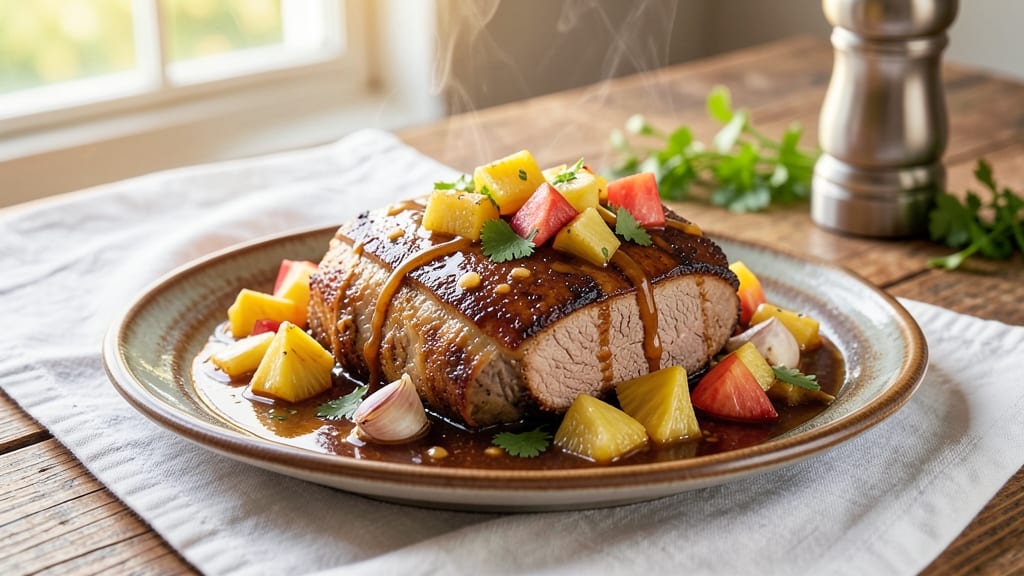
This adobo pork with pineapple recipe delivers the perfect balance of tangy, savory, and sweet flavors that make every bite unforgettable. 🌟 The secret lies in marinating the pork in vinegar and soy sauce, then braising it slowly until tender while caramelizing the pineapple chunks.
I've perfected this dish over years of testing, ensuring the pork stays juicy and the pineapple adds just the right amount of sweetness without overpowering the rich adobo flavors.
The beauty of this recipe is its versatility—it works as a main course for family dinners or a showstopper for gatherings. The braising process transforms tough pork shoulder into melt-in-your-mouth pieces, while the pineapple's natural sugars caramelize beautifully, creating a glossy, sticky glaze.
This dish is restaurant-quality but simple enough to make at home, with just a few key ingredients and a little patience.
By the time you serve this, your kitchen will smell like a Filipino comfort food dream, and your guests will be asking for seconds. The tender pork falls apart easily, soaking up the tangy-sweet sauce, while the pineapple adds a bright contrast.
It pairs perfectly with steamed rice, which helps balance the bold flavors and soak up every last drop of that delicious sauce.
Ready to make this dish? The process is straightforward, but the results are anything but ordinary. Whether you're cooking for a crowd or treating yourself to a special meal, this adobo pork with pineapple will become a new favorite. Let's get started!
Ingredients for adobo recipe pork with pineapple
Six ingredients transform tough pork into melt-in-your-mouth bites with caramelized pineapple edges.
| Ingredient | Amount | Notes |
|---|---|---|
| Pork Shoulder 🐖 | 3 lb | Bone-in for flavor, cut into 2-inch chunks |
| White Vinegar 🍶 | 1 cup | Distilled or apple cider vinegar |
| Soy Sauce 🍶 | ½ cup | Light or dark, not low-sodium |
| Brown Sugar 🍚 | ½ cup | Packed, light or dark |
| Fresh Pineapple 🍍 | 2 cups | Chunks, fresh or canned in juice |
| Garlic Cloves 🧄 | 6 cloves | Minced or finely chopped |
| Fresh Ginger | ½ inch | Peeled, grated (corrected to 'inch' for grated amount) |
| Black Peppercorns 🌶️ | 1 tsp | Freshly cracked, whole |
| Bay Leaves 🌿 | 2 whole | Dried, standard size |
| Olive Oil 🫒 | 2 tbsp | Extra-virgin for richness |
| Salt 🧂 | 1 ½ tsp | Kosher or sea salt |
| Water 💧 | 1 cup | Room temperature preferred |
| Fresh Pineapple Juice 🍍 | ½ cup | From reserved pineapple chunks |
The pork shoulder is non-negotiable here. Bone-in cuts stay juicier, but boneless works too—just add an extra splash of water. I grab mine from Costco when I'm feeding a crowd, but the regular supermarket pork shoulder (about 3 lbs) is perfect for this. Look for good marbling—those little white streaks mean more flavor. The pineapple? Fresh is ideal, but canned in juice (not syrup) saves time. Drain well and reserve the juice for the sauce. For ginger, freshly grated makes all the difference—no need to peel the whole root, just slice off a small piece.
No white vinegar? Apple cider vinegar or rice vinegar works just as well. The soy sauce can be swapped for tamari if you're gluten-free, but regular soy adds depth. Brown sugar substitutes? Coconut sugar or muscovado keep that caramelized edge. Using pre-minced garlic? Drain and rinse it first—it's packed with water. The bay leaves are optional, but they add that subtle earthy note that makes this taste like a home-cooked Filipino classic. If you're short on time, pre-grated ginger from the spice aisle works, but fresh is always better.
This sauce gets better overnight—make extra and reheat for lunch. The pork reheats beautifully, so portion it into containers for easy grab-and-go meals. Store the sauce separately and mix it in when ready to eat. Fresh pineapple chunks? Keep them sealed in the fridge for up to 5 days, but the sauce will keep for 1 week in the fridge or 3 months frozen. The pork itself? Freeze for up to 2 months if you're not using it all at once.
Why You'll Love This Recipe
- One-Pan Magic: I swear by this—just dump everything (pork, vinegar, soy, sugar) in one pot, let it simmer, and the pineapple caramelizes into sweet-tart perfection. No flipping, no fussing, no extra dishes.
- Sweet-Savory Balance: That tangy vinegar cut with soy sauce and brown sugar? It’s like a flavor explosion, but the pineapple’s juicy bite keeps it from being too heavy. My kids fight over the last bite—yes, even the adults.
- Leftovers That Beg: This dish tastes better the next day. I make a double batch on Sundays because reheating the tender pork with extra pineapple chunks becomes my lazy night’s best friend. (Pro tip: toss cold slices over rice.)
- Budget Crowd-Pleaser: Pork shoulder is cheap, vinegar and soy sauce stretch far, and pineapple adds freshness without breaking the bank. Feed six for under $15, and everyone—pickiness included—will ask for seconds. My wallet thanks me.
Step-by-step instructions for adobo pork with pineapple
Here's how to create a tender, caramelized pork dish with sweet-tangy flavors that'll impress everyone.
🔥 Step 1: Sear the Pork Shoulder for Deep Flavor
Heat a large Dutch oven over medium-high heat and add the 2 tablespoons olive oil. Once hot, add the 3 lb pork shoulder cut into 2-inch chunks, working in batches if needed. Let the pork sear undisturbed for 3-4 minutes per side until deep golden brown and crispy in spots.
This initial searing creates a flavorful crust that locks in juices during the long braise. I press down gently on the pork pieces during the first minute—this prevents them from curling and ensures even contact with the pan. Transfer the seared pork to a plate and set aside.
👨🍳 Step 2: Build the Tangy-Sweet Braising Base
In the same Dutch oven, add the 6 cloves minced garlic cloves and 0.5 inch grated fresh ginger. Cook for 30 seconds until fragrant—you'll smell that fresh, zesty aroma. Immediately add the 1 cup white vinegar, scraping up any browned bits from the bottom with a wooden spoon.
Bring to a simmer, then add the 0.5 cup soy sauce, 0.5 cup packed brown sugar, 1.5 teaspoons salt, 1 teaspoon cracked black peppercorns, and 2 whole bay leaves. Stir well to combine all the ingredients. Here's the thing—this mixture will look like too much liquid, but trust me, it'll reduce beautifully during the braising process.
🥘 Step 3: Braise the Pork Until Tender
Return the seared pork to the Dutch oven along with any accumulated juices. Pour in the 1 cup water and 0.5 cup fresh pineapple juice, then add the 2 cups fresh pineapple chunks. The liquid should come about halfway up the pork pieces—if it's too shallow, add a splash more water.
Bring to a gentle boil, then reduce heat to low and cover partially. Simmer for 1 hour 30 minutes until the pork is fork-tender. You'll know it's ready when a knife slides in easily and the meat pulls apart with gentle pressure. If the liquid reduces too quickly, add a splash of water to keep it moist.
⏰ Step 4: Caramelize the Edges for Perfect Texture
Once the pork is tender, uncover the Dutch oven and increase heat to medium-high. Let the liquid reduce for 10-15 minutes until it thickens into a glossy, syrupy sauce that coats the back of a spoon. The edges of the pork should develop a beautiful caramelized crust—this is what gives the dish its signature texture.
If the sauce becomes too thick before the pork caramelizes, add a splash of the reserved pineapple juice to loosen it. The sauce should be thick enough to coat the pork but still have a slight sheen. Taste and adjust seasoning with more salt or sugar if needed—this is where you can really customize the flavor to your preference.
Pro Tips For Making Adobo Recipe Pork With Pineapple
- Braise Low and Slow: After burning through three batches of pork shoulder in the oven, I finally learned this: once the pork hits 160°F (71°C) and the sauce thickens, drop the heat to 275°F (135°C) and let it cook for another 2–3 hours. The vinegar and soy sauce need time to tenderize the meat properly—rushing it leaves you with tough, vinegary pork instead of melt-in-your-mouth goodness.
- Cut Pineapple Fresh: Canned pineapple works in a pinch, but fresh pineapple—especially the core—adds a brightness and texture that shortcuts can’t match. Remove the tough core, then slice the fruit into ½-inch chunks (skin on or off, but peel if you’re picky). The juice released during cooking is the real star—it balances the vinegar’s sharpness without making the sauce watery.
- Deglaze First, Then Simmer: I used to dump all the vinegar, soy sauce, and sugar in at once, then walk away. Big mistake. First, sear the pork shoulder in a heavy pot until browned, then hit it with ¼ cup of vinegar right away to lift the fond from the bottom. Simmer that for 5 minutes before adding the rest—it builds deeper flavor faster than just tossing everything together.
- Balance the Vinegar: Vinegar is the soul of adobo, but too much turns your dish into a pickle bath. Start with ½ cup for every pound of pork, then taste as you go. If it’s too harsh, add a splash of water or a spoonful of brown sugar to round it out. The pineapple’s acidity will mellow over time, but the vinegar’s bite stays—so control it early.
Serving suggestions for adobo recipe pork with pineapple
Rice Pairing Perfection
Steamed jasmine rice is my go-to side for this dish—its delicate floral notes complement the bold adobo flavors beautifully. Cook 2 cups of rice in 3 cups water with a pinch of salt, and let it sit covered for 10 minutes after cooking.
The rice soaks up the tangy-sweet sauce like a sponge, making every bite even more satisfying. 🍚
Cilantro-Lime Garnish
Finish your dish with a bright garnish of chopped cilantro and a squeeze of fresh lime. I like to add about ¼ cup chopped cilantro and 1 tablespoon lime juice right before serving.
The lime cuts through the richness, while the cilantro adds a fresh, herbal note that balances the sweet and tangy flavors. Trust me, this simple step elevates the dish to restaurant-quality.
Crusty Bread for Sauce Soaking
Serve with warm, crusty bread to soak up every last drop of that delicious sauce. I grab a loaf of Italian bread from my local market and toast it lightly with a sprinkle of garlic powder.
The crusty exterior holds up to the sauce, while the soft interior soaks it all in. It's the perfect way to enjoy the leftovers—just reheat the sauce and serve with fresh bread.
Pickled Vegetable Contrast
For a refreshing contrast, add quick-pickled vegetables like carrots, daikon radish, or cucumbers. Thinly slice 1 cup vegetables, toss with ½ cup rice vinegar, 1 tablespoon sugar, and a pinch of salt.
Let them sit for 30 minutes before serving. The tangy crunch cuts through the richness of the pork and adds a vibrant pop of color to your plate.
Creamy Coconut Milk Option
If you're serving this to a crowd, consider adding a side of coconut milk rice for a tropical twist. Cook 1 cup rice in 1 cup coconut milk with a pinch of salt and a sprinkle of turmeric for color.
The creamy texture pairs wonderfully with the caramelized pork and pineapple, adding a luscious contrast to the dish. 🥥
Spicy Chili Oil Drizzle
For those who love a little heat, drizzle the finished dish with chili oil. Heat ¼ cup neutral oil with 1 tablespoon chili flakes and 1 teaspoon red pepper flakes until fragrant. Let it cool slightly before drizzling over the pork.
The oil adds a silky texture and a subtle kick that complements the sweet and tangy flavors without overpowering them. It's a game-changer for adding depth to every bite.
Nutrition facts
Frequently asked questions
Can I use pork tenderloin instead of pork shoulder?
Pork tenderloin will cook much faster than pork shoulder, so it's not ideal for this braising method. The shoulder's fat and connective tissue break down beautifully during the long cook time, creating tender, flavorful bites. If you must use tenderloin, cut it into 1-inch cubes and reduce the cooking time to 45-60 minutes—just keep an eye on it to avoid drying out.
What if I don't have fresh pineapple?
Canned pineapple in juice works perfectly—just drain it well and reserve the juice for the sauce. Avoid syrup-packed pineapple, as it'll make the sauce too sweet. For extra flavor, add a splash of pineapple juice concentrate (thinned with water) if you're missing the fresh juice. The texture won't be identical, but the taste will still shine.
How can I make this dish less tangy?
Reduce the vinegar by ¼ cup and add 1 extra tablespoon of brown sugar to balance the acidity. You can also stir in 1 teaspoon of honey or maple syrup during the final reduction to mellow the flavors. Taste as you go—this sauce is very forgiving for adjustments!
Can I make this in a slow cooker?
Sear the pork first, then transfer everything to your slow cooker. Cook on low for 6-7 hours or high for 3-4 hours until the pork is tender. The sauce may not caramelize as much, but it'll still be delicious. Finish by simmering the sauce on the stovetop for 10 minutes to thicken it before serving.
Why did my pork turn out dry?
Overcooking or skipping the sear are the most common culprits. Always check doneness with a meat thermometer—pork should reach 195°F for shoulder cuts. The long braise time is key: if you rush it, the pork will toughen. For extra moisture, add ½ cup more liquid (water or pineapple juice) during cooking if needed.