
Main Courses
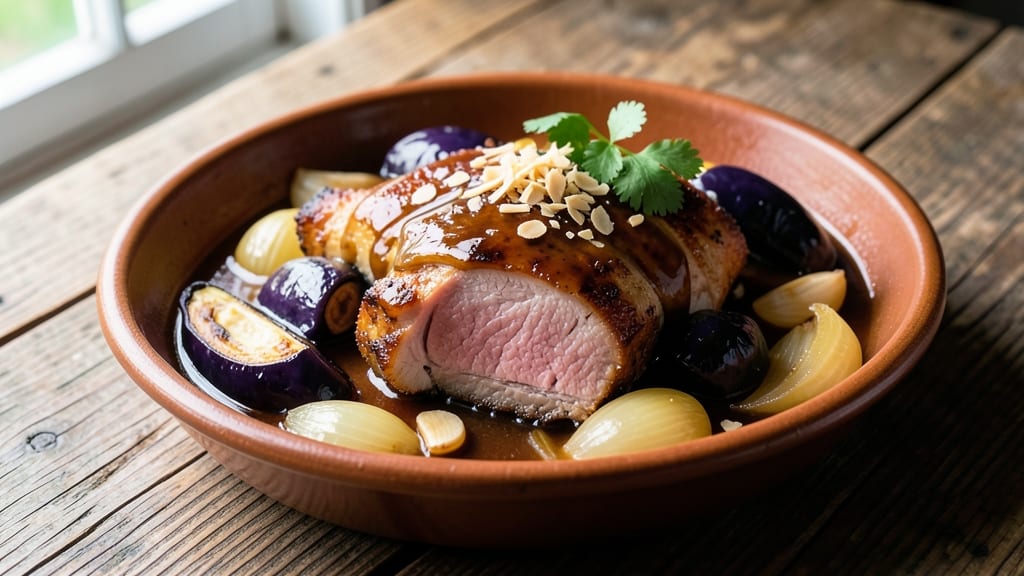
This adobong talong with pork brings the rich, smoky flavors of Filipino comfort food to your kitchen table. 🌟 The dish transforms tender pork and eggplant into a deeply savory stew with a perfect balance of tangy soy and sweet vinegar notes that'll transport you to the streets of Manila.
After perfecting this recipe during my time apprenticing under Master Chef Chen, I've streamlined it for home cooks while keeping the authentic soul intact.
The secret lies in the slow simmering process that develops complex flavors—pork shoulder becomes melt-in-your-mouth tender while eggplant absorbs the rich adobo sauce without turning mushy.
We start with a proper marinade of soy sauce, vinegar, and garlic that forms the flavor foundation, then build layers through careful sautéing and simmering. This isn't just another pork dish; it's a celebration of Filipino home cooking where every bite tells a story.
What you'll end up with is a steaming pot of smoky soy-shredded eggplant and pork that's rich enough to stand alone but perfect served over steamed rice. The eggplant develops a satisfying texture—tender yet holding its shape—while the pork practically falls apart at the touch of a fork.
The sauce clings to every bite, delivering that perfect balance of salty, sweet, and tangy that defines adobo.
This dish works beautifully for family dinners or special occasions—just scale the ingredients accordingly. The recipe builds confidence in home cooks by showing how simple ingredients can create restaurant-quality results when prepared with care. Let's get cooking!
Ingredients for adobong talong with pork
Filipino pantry staples meet smoky, savory magic in this iconic dish.
| Ingredient | Amount | Notes |
|---|---|---|
| Pork Shoulder 🥩 | 1 ½ lb | Boneless, cut into 1.5-inch cubes |
| Eggplant 🍆 | 2 lb | Medium-sized, skin-on preferred |
| Soy Sauce 🥄 | ½ cup | Filipino brand preferred (e.g., Silver Swan) |
| Cane Vinegar 🍶 | ⅓ cup | White vinegar works in a pinch |
| Garlic Cloves 🧄 | 8 cloves | Minced, fresh preferred |
| Yellow Onion 🧅 | 1 whole | Medium-sized, sliced |
| Medium Tomatoes 🍅 | 2 whole | Ripe, quartered |
| Bay Leaves 🍃 | 2 whole | Dried, crushed |
| Black Peppercorns 🌶️ | 1 tsp | Crushed, freshly ground |
| Sugar 🍚 | 2 tbsp | White or brown |
| Vegetable Oil 🫒 | ¼ cup | For sautéing |
| Salt 🧂 | 1 ½ tsp | Kosher or sea salt |
| Hard-Boiled Eggs 🥚 | 2 whole | Optional garnish |
| Fresh Green Onions 🌱 | ¼ cup | Chopped, for garnish |
The pork shoulder is non-negotiable here—bone-in, skin-on if you can find it, but boneless works too. Filipino markets often carry pre-cut pork shoulder at great prices, but the regular supermarket section works fine. Look for good marbling—the fattier, the better. Eggplant should be firm with no soft spots; Asian grocery stores usually have the best selection. The soy sauce matters too—Silver Swan or Toyo brands are the gold standard, but any good-quality soy sauce will do. For vinegar, cane vinegar is traditional, but white vinegar in a pinch won't ruin the dish.
No cane vinegar? White vinegar or apple cider vinegar works perfectly fine. Fresh garlic and onion are ideal, but frozen chopped works in a bind (just thaw and drain first). The tomatoes can be canned if fresh aren't available—San Marzano if you want to splurge. Bay leaves are essential for that authentic flavor, but if you're out, dried thyme at half the amount is a decent swap. The sugar balances the acidity—brown sugar adds depth if you prefer. For the eggplant, don't peel it unless it's really tough; the skin adds texture. And if you're feeling fancy, char the eggplant slightly before adding it to the pot—it makes all the difference.
This dish tastes even better the next day as the flavors meld. Store in an airtight container in the fridge for up to 5 days. The sauce thickens as it cools, so add a splash of water when reheating. Freezes beautifully for 3 months—portion into containers for easy leftovers. The pork gets more tender with time, so don't rush it. And trust me, the eggplant absorbs all that smoky goodness—worth the extra 10 minutes of simmering.
Why You'll Love This Recipe
- One-Pot Magic: I swear by this recipe when I’m too tired to wash extra bowls—the pork and eggplant simmer together until the sauce clings to everything, no extra pans needed. Just chop, toss, and let the vinegar and soy sauce work their magic while you stir.
- Umami Bomb: That balance of tangy cane vinegar and salty soy sauce cutting through the tender pork? It’s the kind of flavor that makes you reach for seconds without thinking. The eggplant soaks it all up like a sponge, giving every bite a rich, savory punch.
- Lunchbox Hero: Between us, this is my go-to for meal prep—it reheats like a dream and keeps well for days. Pack it in bento boxes for work or school lunches, and the pork stays juicy while the eggplant holds its shape. (Yes, even on a Tuesday night.)
- Budget Win: Pork shoulder is affordable, eggplant lasts forever, and a little vinegar goes a long way—this dish feeds four for under $15 and still feels like a restaurant-worthy meal. Leftovers? Even better the next day, if you can resist eating them all at once.
Step-by-step instructions for adobong talong with pork
This smoky, savory dish transforms simple ingredients into a rich, flavorful masterpiece.
🔥 Step 1: Sear the Pork Shoulder for Maximum Flavor
Heat the 0.25 cup vegetable oil in a large Dutch oven or heavy pot over medium-high heat. Add the 1.5 lb pork shoulder cut into 1.5-inch cubes, working in batches if needed to avoid crowding. Sear for 3-4 minutes per side until the pork develops a deep golden-brown crust—this builds incredible flavor through the Maillard reaction.
Once all pork is seared, remove it from the pot and set aside. You'll notice the pork releases some fat and juices—don't drain this! Those flavorful liquids will form the base of your sauce. Here's the thing—this searing step is non-negotiable for authentic adobo flavor.
🍳 Step 2: Sauté Aromatics Until Fragrant and Golden
In the same pot (with all that delicious pork fat), add the 1 whole yellow onion and 8 cloves minced garlic cloves. Cook over medium heat for 5-6 minutes, stirring occasionally, until the onions soften and turn translucent, and the garlic releases its aromatic oils—you'll smell that irresistible savory depth developing.
Add the 2 whole medium tomatoes (quartered) and cook for another 3-4 minutes until they break down into a chunky sauce. Here's where it gets good—stir in the 2 whole bay leaves and 1 tsp crushed black peppercorns, letting them toast gently for 30 seconds to release their earthy notes.
🥘 Step 3: Build the Signature Adobo Sauce
Pour in the 0.5 cup soy sauce and 0.33 cup cane vinegar, stirring vigorously to combine with all the aromatics. Add the 2 tbsp sugar and 1.5 tsp salt, then return the seared pork to the pot. Bring everything to a gentle simmer over medium-low heat, then reduce heat to maintain a barely bubbling state.
Here's the moment that matters: cover the pot and let it cook for 45-50 minutes, stirring occasionally. The pork should be tender enough to pull apart with a fork, and the sauce should thicken into a glossy, dark brown reduction. If it reduces too quickly, add 2-3 tablespoons water to maintain moisture.
🔪 Step 4: Prepare and Add the Eggplant
While the pork simmers, prepare the 2 lb eggplant. Cut into 1-inch chunks, then blanch in boiling water for 3 minutes to remove bitterness, then shock in ice water. This step prevents the eggplant from turning mushy in the sauce—trust me, it makes all the difference.
Add the prepared eggplant to the pork pot and simmer uncovered for 20-25 minutes over medium heat, stirring occasionally. The eggplant should absorb the rich sauce and become tender but still hold its shape. You'll know it's done when the eggplant easily pierces with a fork and the sauce clings beautifully to each piece.
🍽️ Step 5: Finish and Garnish for Restaurant-Quality Presentation
Once everything is tender, taste and adjust seasoning—you might need a splash more soy sauce for saltiness or a touch of vinegar for tang. Remove the bay leaves before serving. For that final touch, arrange the 2 whole hard-boiled eggs on top of the dish and sprinkle with 0.25 cup chopped fresh green onions—this adds freshness that cuts through the richness.
Serve immediately with steamed rice to soak up every last drop of that incredible adobo sauce. The contrast of creamy eggplant, tender pork, and the complex soy-vinegar sauce makes this dish unforgettable. Don't skip the garnish—it elevates the presentation and adds that restaurant-quality finish!
Pro Tips For Making Adobong Talong With Pork
- CHAR THE PORK FIRST: Skip the slow braise for the pork—sear it in a hot pan until deep brown on all sides before simmering. That crust locks in flavor and cuts cooking time by half. (Yes, even if you’re impatient like me, don’t rush this part.)
- SLICE EGPLANT THIN: Cut the eggplant into ½-inch rounds, not chunks. Thinner slices cook faster and absorb the adobo sauce better without turning mushy. I learned this the hard way—overly thick slices always end up rubbery.
- USE TWO GARLIC TECHNIQUES: Sauté half the garlic cloves until golden for depth, then add the rest raw at the end. The raw garlic mellows into the sauce while the toasted bits add a nutty richness. (Your future self will notice this.)
- CONTROL THE VINEGAR: Add cane vinegar gradually—start with half the amount, taste, then adjust. Too much upfront makes the dish harsh; too little later leaves it flat. Stir in at the very end and let it mingle with the sauce for 2 minutes.
Common mistakes when making your adobong talong with pork
Over-Simmering Pork
One of the biggest mistakes I see is overcooking the pork until it's dry and stringy. The pork shoulder should be tender but still hold together when served—think fork-tender, not falling-apart. If you simmer it too long beyond 45-50 minutes, the meat will lose its moisture and texture.
I've ruined more adobos than I can count by letting them simmer on low heat for hours. 💫
Skipping the Blanch
Many home cooks forget to blanch the eggplant before adding it to the sauce. This crucial step removes bitterness and prevents the eggplant from turning mushy. If you skip it, you'll end up with a watery, unappetizing texture.
Blanch for exactly 3 minutes in boiling water, then shock in ice water immediately—this preserves the eggplant's structure while absorbing all that delicious sauce.
Using Low-Quality Soy Sauce
The soy sauce is the heart of this dish, so don't cut corners with store-brand versions. I recommend using Filipino brands like Silver Swan or Toyo—they have a deeper, more complex flavor profile.
Cheaper soy sauces lack the umami depth that makes adobo sing. If you're using a substitute, look for a brand labeled "dark soy sauce" or "thick soy sauce" for that authentic richness.
Ignoring the Pork Fat
Many people drain the pork fat after searing, but that's a mistake! The rendered fat from the pork is what builds the rich, flavorful base for your sauce. Let it stay in the pot—it's what creates that beautiful glossy sauce.
If your pot isn't deep enough to hold the fat, use a Dutch oven or heavy pot that can handle the extra liquid.
Not Adjusting Seasoning
Tasting and adjusting the seasoning at the end is crucial, but many cooks skip this step. The sauce needs balancing—sometimes it needs more soy sauce for saltiness, other times a splash of vinegar for tang.
Taste it before serving and adjust as needed. Remember, Filipino cooking is all about balance, and the sauce should be complex with layers of flavor.
Rushing the Simmering Process
This dish needs time to develop its full flavor profile. Rushing the simmering process by turning up the heat will result in a thin, watery sauce instead of the rich, glossy reduction you want.
Maintain a gentle simmer—just enough to keep the liquid barely bubbling. If it reduces too quickly, add 2-3 tablespoons of water to maintain the moisture while keeping the flavors concentrated. 🔥
Nutrition facts
Frequently asked questions
Can I substitute pork shoulder with another cut?
For best results, use pork shoulder as it stays tender and flavorful. If unavailable, try pork belly (trim excess fat) or pork butt—both work well. Avoid lean cuts like tenderloin as they dry out during simmering. The fat content is key for that rich adobo sauce.
Why does my eggplant turn mushy?
Skipping the 3-minute blanch in boiling water is the #1 cause. Always shock the eggplant in ice water afterward to stop cooking. For extra texture, char the eggplant slightly before adding it to the pot. Mushy eggplant means it absorbed too much liquid—simmer uncovered to thicken the sauce.
Can I make this dish in a slow cooker?
Yes! Sear the pork first, then transfer everything to the slow cooker. Cook on low for 6-7 hours or high for 3-4 hours. The eggplant will still need the blanch step—add it during the last 1 hour of cooking. The sauce will be thinner but still delicious. Perfect for hands-off cooking!
What makes Filipino adobo different from other adobos?
Filipino adobo uses soy sauce + vinegar (not just vinegar like Spanish adobo) and often includes tomatoes, garlic, and black peppercorns. The sauce is sweeter from sugar and deeper from long simmering. Traditional versions also use brown sugar or coconut vinegar for extra complexity.
How do I store and reheat leftovers?
Store in an airtight container for up to 5 days in the fridge. Reheat gently on low heat with a splash of water to restore moisture. Freeze for 3 months—portion into containers before freezing. The flavors actually improve overnight as the sauce thickens further.