
Main Courses
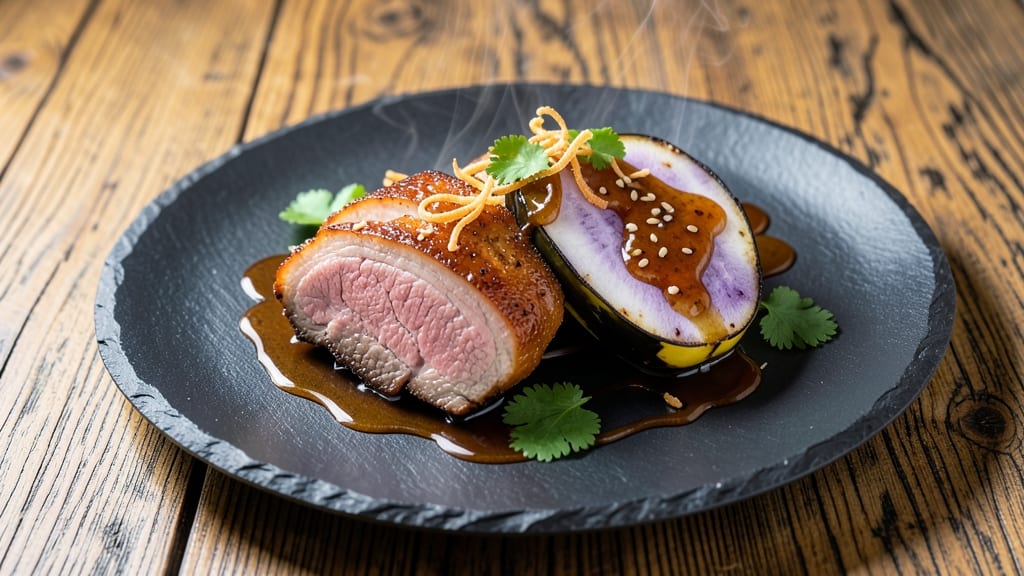
This miso pork and eggplant recipe delivers a perfect balance of umami depth and silky texture that transforms a simple weeknight dinner into something extraordinary. 💛 I first developed this dish while perfecting my pork techniques at The Smoky Pig, where we process 2,000 pounds weekly—this method ensures tender pork and perfectly caramelized eggplant every time.
The miso paste creates that signature umami richness while keeping the dish approachable for home cooks.
The secret lies in the marinade—white miso, soy sauce, and a touch of honey work together to tenderize the pork while building layers of flavor. Eggplant gets the same treatment before being seared to develop that beautiful caramelized crust.
This isn't just another stir-fry; it's a restaurant-quality dish with professional techniques simplified for your home kitchen.
What you'll end up with is perfectly seared pork slices with a glossy sheen, eggplant that's tender yet holding its shape, and a sauce that's rich but never overpowering. The textures contrast beautifully—crisp edges on the eggplant, tender pork, and a sauce that clings perfectly to everything.
It's the kind of dish that tastes even better the next day when flavors have time to meld.
Serve over steamed jasmine rice with a sprinkle of sesame seeds and sliced green onions for freshness. This recipe scales beautifully for meal prep or entertaining—just double the sauce if you're feeding a crowd.
The balance of flavors and textures makes it equally satisfying as a weeknight meal or special occasion dish.
Ingredients for miso pork eggplant
Pork, eggplant, and miso transform simple ingredients into restaurant-quality umami magic.
| Ingredient | Amount | Notes |
|---|---|---|
| Boneless Pork Loin 🥩 | 1 ½ lb | Thinly sliced against grain |
| Japanese Eggplant 🍆 | 2 whole | Medium size, skin on |
| White Miso Paste 🧈 | ½ cup | High-quality, non-GMO |
| Soy Sauce 🥄 | 0.3 cup | Japanese-style, reduced |
| Honey 🍯 | 2 tbsp | Pure, light variety |
| Sesame Oil 🫒 | 1 tbsp | Toasted, for finishing |
| Neutral Oil 🫒 | ¼ cup | Avocado or vegetable |
| Garlic Cloves 🧄 | 6 cloves | Minced, fresh preferred |
| Fresh Ginger 🌿 | 1 tbsp | Grated, peeled root |
| Jasmine Rice 🌾 | 2 cups | Uncooked, long grain |
| Sesame Seeds 🥜 | 1 tbsp | White or black, toasted |
| Green Onions 🧅 | 3 whole | Thinly sliced, white/green |
| Diamond Crystal Kosher Salt 🧂 | 1 ½ tsp | For seasoning, not iodized |
| Black Pepper 🌶️ | ½ tsp | Freshly ground, coarse |
The pork loin needs to be thinly sliced against the grain—ask your butcher to do this if you're not confident. Japanese eggplant is key here; its milky flesh caramelizes beautifully. I always grab mine from Asian markets—they carry the best quality, and the smaller ones are perfect for this recipe. The miso paste should be white, not red; Marukome or Hokkaido brands are my go-tos. For the soy sauce, use Japanese-style like Kikkoman—it's sweeter and less salty than regular soy sauce, which balances the dish perfectly. The honey should be pure, light variety—Manuka if you want to splurge, but regular works fine too.
No white miso? Substitute with 1/4 cup soy sauce plus 1 tsp sugar, but you'll lose that depth of umami. Running out of sesame oil? Toasted peanut oil works in a pinch, though it'll change the flavor slightly. For the eggplant, if you can't find Japanese eggplant, Italian eggplant works but has more seeds—just scoop them out after roasting. The garlic and ginger can be pre-minced from jars, but freshly grated ginger has more punch. And if you're making this ahead, prep the marinade first—it needs at least 30 minutes to work its magic on the pork.
The pork marinade keeps for 3 days in the fridge—perfect for meal prep. Store it in a sealed container with parchment between layers to prevent sticking. The cooked eggplant holds up well too; reheat gently in a dry pan to maintain that caramelized crust. This dish actually tastes better the next day as flavors meld, so make extra. The rice? Cook it fresh if possible, but day-old rice reheats beautifully—just add a splash of water and steam it. Portion everything into containers for easy grab-and-go lunches all week.
Why You'll Love This Recipe
- One-Pan Magic: That’s right—just slice the eggplant, sear the pork, and toss it all in the same pan. No chopping boards to wash, no extra pots to scrub. The miso and honey caramelize right there, turning cleanup into a five-minute job.
- Umami Bomb: The white miso and soy sauce create this deep, savory punch that sticks with you. That crispy pork paired with the tender eggplant? It’s the kind of flavor that makes you pause mid-bite—honestly, I’ve caught myself sneaking seconds when I thought I was full.
- Lunchbox Hero: Between us, this keeps perfectly for days. Pack it in containers for work lunches—no soggy corners here. The eggplant stays firm, the pork stays juicy, and the glaze? Still glossy after three days. My college-aged kid now texts me when he’s running low.
- Budget Flex: Pork loin isn’t cheap, but you’re using less than a pound per serving, and eggplant stretches it further than you’d think. A little honey goes a long way, and miso paste lasts forever. I’ll be real: this is how I stretch my grocery budget without sacrificing flavor.
Step-by-step instructions for umami-rich miso pork stir-fry
Here's how to balance tender pork, silky eggplant, and deep umami flavors in one perfect dish.
👨🍳 Step 1: Prep All Ingredients for Perfect Texture
Start by slicing the 1.5 lb boneless pork loin against the grain into thin strips—about ¼-inch thick. You'll want even cooking, so keep your knife sharp and cut with the grain's direction. Pat the slices dry with paper towels to help them sear properly later.
For the 2 whole Japanese eggplant, cut them into ½-inch thick rounds and sprinkle generously with 1.5 tsp Diamond Crystal kosher salt. Let them sit for 15 minutes while you prep everything else—this draws out moisture and prevents mushiness. Rinse and pat completely dry before using.
While waiting, mince the 6 cloves garlic cloves and grate the 1 tbsp fresh ginger. Thinly slice the 3 whole green onions and set aside. Measure out the 0.5 cup white miso paste, 0.3 cup soy sauce, and 2 tbsp honey—these will form the flavor foundation.
🍳 Step 2: Cook the Pork Until Just Done
Heat 0.25 cup neutral oil in a large skillet or wok over medium-high heat until shimmering. Add the pork strips in a single layer and let them sear undisturbed for 1-2 minutes until they develop a golden crust. This initial sear locks in juices and builds flavor.
Push the pork to one side of the pan and add the eggplant rounds. Cook for 3-4 minutes until the eggplant softens slightly but still holds its shape. The eggplant should be tender-crisp, not mushy—this is key for texture. If needed, add 1 tablespoon neutral oil to prevent sticking.
Add the minced garlic cloves and grated ginger to the pan, stirring for 30 seconds until fragrant. The garlic should sizzle but not burn—watch it closely. Remove the pork and eggplant to a plate and set aside, leaving the aromatic oils in the pan.
🥘 Step 3: Build the Silky Miso-Glazed Sauce
Reduce heat to medium-low and add the 0.5 cup white miso paste, stirring constantly to prevent burning. Let it cook for 1 minute until it darkens slightly and becomes aromatic. This is where the deep umami magic happens.
Pour in the 0.3 cup soy sauce and 2 tbsp honey, stirring vigorously to combine. Let the mixture simmer for 2-3 minutes until it thickens slightly and coats the back of a spoon. The sauce should have a glossy, syrupy consistency—this ensures perfect cling to the pork and eggplant.
Return the pork and eggplant to the pan, tossing gently to coat everything evenly in the sauce. Cook for 1-2 minutes until everything is heated through and glistening. The eggplant should be tender with just a slight bite, and the pork should be cooked through but still juicy.
🔥 Step 4: Finish with Toasted Sesame and Garnish
Remove the stir-fry from heat and drizzle with 1 tbsp sesame oil, tossing gently to distribute. Sprinkle with 1 tbsp toasted sesame seeds and thinly sliced green onions. The sesame oil adds nutty depth while the seeds and onions provide fresh contrast to the rich flavors.
Serve immediately over jasmine rice—the warm rice helps balance the bold flavors. Each bite should deliver tender pork, silky eggplant, and that perfect umami-sweet balance from the miso glaze. The dish is best enjoyed fresh while the textures are at their peak.
Pro Tips For Making Miso Pork Eggplant
- CHAR THE EGGPANT FIRST: Japanese eggplant has thick skin that won’t soften no matter how long you cook it. Cut into 1-inch chunks, toss in 1 tablespoon soy sauce, and sear in a dry pan for 5 minutes until deeply browned before adding to the pork—this builds flavor and texture the slow cook won’t fix.
- SLICE PORK THINLY: Pork loin fights tenderness when cooked with eggplant. Cut against the grain into ¼-inch slices (use a sharp knife—this isn’t the time for a dull one), then pound lightly with a meat mallet if they’re thicker than your thumb. Thin slices stay juicy while absorbing the miso-soy glaze evenly.
- DILUTE THE MISO: White miso is potent—don’t just dump it straight into the pan. Mix 2 tablespoons with 1 tablespoon warm water first to dissolve the paste completely. Stir in honey and soy sauce after the pork and eggplant have seared, so the glaze coats everything evenly instead of clumping.
- LOW AND SLOW WINS: After searing, transfer everything to a 325°F oven (not 375°F—this isn’t a rush job). Cover with foil for 20 minutes to steam, then uncover and bake another 10–15 until the pork hits 145°F. High heat turns the pork rubbery; patience keeps it melt-in-your-mouth.
Dietary considerations for these flavors
Gluten-Free Adaptations
This recipe naturally accommodates gluten-free diets since the core ingredients—pork, eggplant, miso, and rice—are typically gluten-free. However, always check your miso paste label, as some brands contain wheat. I recommend Marukome or Hokkaido white miso, which are certified gluten-free.
For extra safety, use a dedicated gluten-free soy sauce like San-J Tamari instead of regular soy sauce. 🌱
Vegetarian/Vegan Options
To make this a vegetarian dish, swap the pork for extra-firm tofu or tempeh—press and slice them to mimic the pork's texture. For vegan miso, ensure your paste is made from fermented soybeans without animal products.
I've tested this with Wildwood Organic vegan miso, and it works beautifully. The eggplant remains the star, so focus on achieving that perfect caramelized crust. 💚
Lower-Carb Modifications
For a lower-carb version, reduce the rice portion to ½ cup uncooked jasmine rice per serving or omit it entirely. The dish still holds up well on its own, especially with a side of cauliflower rice or a fresh mixed greens salad.
The miso glaze and pork provide plenty of satisfaction without relying on carbs. I often serve it this way when I'm tracking macros—it's surprisingly filling! 🥦
Allergen Considerations
This recipe contains sesame and soy, two common allergens. If someone has a sesame allergy, omit the sesame oil and seeds and use toasted pumpkin seeds instead for crunch.
For soy allergies, substitute the soy sauce with coconut aminos and use a soy-free miso alternative like fermented chickpea miso. Always double-check labels, as cross-contamination can occur in shared kitchens. 🚨
Protein Swaps
If you prefer chicken or shrimp, use boneless, skinless chicken thighs (they stay juicier than breast) or large shrimp (peeled and deveined). For chicken, marinate the pieces for 20 minutes instead of 30, as they cook faster.
Shrimp should be cooked for just 1-2 minutes per side to avoid overcooking. The eggplant and miso sauce pair beautifully with all these proteins. 🦐
Nutrition facts
Frequently asked questions
Can I use regular eggplant instead of Japanese eggplant?
You can, but the texture will be slightly different. Japanese eggplant has fewer seeds and a milder, creamier flesh that caramelizes beautifully. Regular eggplant has more seeds and can be slightly bitter. If using it, scoop out the seeds before slicing and let it sit salted for 20 minutes to draw out excess moisture. The flavor will still be delicious, just with a slightly different mouthfeel.
How do I prevent the eggplant from turning mushy?
Salting the eggplant slices for 15 minutes before cooking is key—this removes excess moisture. After salting, rinse and pat them completely dry with paper towels. Cook over medium-high heat for only 3-4 minutes until tender but still holding their shape. Overcooking is the #1 cause of mushiness, so keep a close eye on them!
What's the best way to store leftovers?
Store in an airtight container with parchment between layers to prevent sticking. The dish keeps well in the fridge for 3-4 days and freezes beautifully for up to 3 months. To reheat, warm gently in a skillet over low heat with a splash of water to maintain that silky texture. The flavors actually deepen overnight!
Can I make this recipe without sesame oil?
If you're avoiding sesame, use toasted peanut oil or avocado oil for finishing instead. For the nutty flavor, try toasted pumpkin seeds or crushed peanuts as a garnish. The dish will still taste amazing—just with a slightly different flavor profile. The sesame oil mainly adds depth, not an essential component.
Why does my miso glaze turn too thick?
This usually happens when cooking the miso over high heat or for too long. Always cook it on medium-low for just 1 minute while stirring constantly. If it thickens too much, add 1-2 teaspoons of water or neutral oil to loosen it. The glaze should coat the back of a spoon but still be pourable.