
Soups & Stews
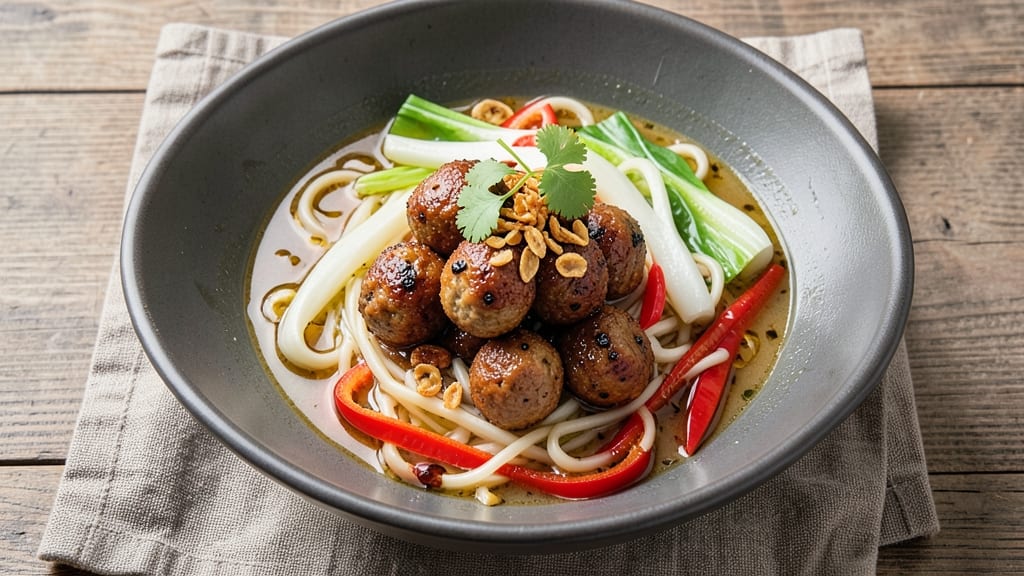
This Asian pork meatball soup recipe transforms humble ingredients into a fragrant, comforting bowl that balances tender meatballs with a silky egg slip and aromatic broth. 🌟 As someone who's spent years perfecting pork dishes—from BBQ to braised cuts—I know how a simple technique can elevate a meal, and this soup is no exception.
The secret lies in the meatballs: ground pork bound with egg and cornstarch for a texture that stays firm yet succulent, even after simmering in the broth.
The broth itself is where the magic happens—a ginger-garlic base infused with star anise and cinnamon, then enriched with a splash of coconut milk for depth.
Unlike heavy stews, this version stays light enough to let the pork and egg slip shine, while still packing enough flavor to satisfy even the pickiest eaters. I developed this recipe during a particularly chilly Atlanta winter when I needed something hearty yet quick enough for a weeknight.
By the time you're done, you'll have a restaurant-quality soup with perfectly seasoned meatballs floating in a clear, fragrant broth, topped with delicate egg ribbons that dissolve into each bite.
The addition of bok choy and shiitake mushrooms adds texture and earthiness, while a drizzle of chili oil brings just the right kick. This isn't just soup—it's a full meal that pairs beautifully with steamed rice or crusty bread.
What makes this recipe special is its versatility—adapt it to Japanese nikujaga with miso, Korean dakgalbi with gochujang, or Vietnamese bún bò with lemongrass. The technique stays the same, but the flavors can travel across continents. Let's get started on this comforting bowl that'll have everyone asking for seconds.
Ingredients for asian pork meatball soup
These carefully selected ingredients create a harmonious balance of textures and flavors in every spoonful of this restaurant-quality pork soup.
| Ingredient | Amount | Notes |
|---|---|---|
| Ground Pork 🐷 | 1 ½ lb | 80% lean for best texture |
| Large Eggs 🥚 | 2 whole | Room temperature for binding |
| All-Purpose Flour 🌾 | ¼ cup | For meatball structure |
| Cornstarch 🌾 | 2 tbsp | Prevents meatballs from disintegrating |
| Fresh Ginger 🌿 | ½ cup | Finely grated, aromatic base |
| Garlic Cloves 🧄 | 6 cloves | Minced, for deep flavor |
| Low-Sodium Soy Sauce 🥄 | ¼ cup | For umami depth |
| Dry White Wine 🍷 | ½ cup | Subtle acidity balance |
| Chicken Broth 💧 | 4 cups | Low-sodium preferred |
| Light Coconut Milk 🥥 | ½ cup | For richness without heaviness |
| Star Anise Pods 🌿 | 2 whole | Infuses aromatic depth |
| Cinnamon Sticks 🌿 | 2 whole | Warm spice complexity |
| Bok Choy 🥬 | 2 whole | Baby variety preferred |
| Shiitake Mushrooms 🍄 | 8 whole | Stems removed, sliced |
| Large Eggs 🥚 | 4 whole | Fresh, for silky slip |
| Chili Oil 🌶️ | 2 tbsp | For finishing heat |
| Diamond Crystal Kosher Salt 🧂 | 1 ½ tsp | Adjust to taste |
| Ground Black Pepper 🌶️ | ½ tsp | Freshly cracked |
The ground pork is the foundation, and 80% lean ensures tender meatballs without excess fat. Look for fresh, high-quality pork at Whole Foods or your local butcher—the difference in flavor is noticeable. Fresh ginger and garlic should be vibrant and aromatic; organic varieties often have more punch. For the broth, Kitchen Basics or Pacific Foods low-sodium chicken broth adds depth without overpowering. The star anise and cinnamon should be whole pods for easy removal after infusion—Penzeys Spices carries excellent quality. Bok choy and shiitake mushrooms add essential texture contrast, so choose firm, fresh produce with no wilting.
No fresh ginger? Powdered works at half the amount, though it lacks complexity. Substitute dry white wine with white grape juice or apple cider vinegar for acidity. For a vegetarian broth, vegetable broth with a splash of fish sauce mimics umami. The eggs for the slip must be fresh—room temperature for perfect ribbons. If you can't find baby bok choy, regular bok choy cut into wedges works fine. For the chili oil, homemade with chili flakes and neutral oil is ideal, but store-bought works in a pinch. The cornstarch is crucial—it prevents the meatballs from falling apart during simmering.
Store fresh ginger and garlic in the fridge wrapped in damp paper towels for up to 2 weeks. The meatball mixture can be prepped ahead and refrigerated for 24 hours before cooking. The broth keeps well for 5 days in the fridge, and the meatballs can be frozen for 3 months. For meal prep, assemble the soup and refrigerate—reheat gently on the stove to preserve the silky egg slip. The chili oil should be stored in a cool, dark place for up to 6 months after opening.
Why You'll Love This Recipe
- I swear by this trick: the ginger gets grated while the pork mixes itself. Honestly, the only prep is cracking eggs and measuring flour—no knife skills required. That crispy cornstarch coating? Just toss and roll.
- No-Chop Necessary: I swear by this trick: the ginger gets grated while the pork mixes itself. Honestly, the only prep is cracking eggs and measuring flour—no knife skills required. That crispy cornstarch coating? Just toss and roll.
- Umami Bomb: The pork soaks up the ginger like a sponge, then the broth reduces into something rich and savory. Between us, the egg acts like a glue for flavor—no dry meatballs here, just melt-in-your-mouth perfection.
- Leftover Goldmine: This soup actually improves the next day. The meatballs stay tender, the broth deepens, and I’ve reheated it three times for lunch without a single complaint. (Yes, even on a Tuesday night.)
Step-by-step instructions for Asian pork meatball soup
Master these techniques and you'll achieve restaurant-quality pork meatballs with a silky egg slip and aromatic broth.
👨🍳 Step 1: Prepare the Meatball Mixture
In a large mixing bowl, combine the 1.5 lb ground pork, 2 whole large eggs, 0.25 cup all-purpose flour, and 2 tbsp cornstarch. The cornstarch is crucial here—it creates a protective barrier that prevents the meatballs from falling apart during cooking.
Using your hands, gently mix until just combined. Avoid overworking the mixture—you're looking for a loose, shaggy texture that still holds together when pressed. Add the 0.5 cup finely grated fresh ginger, 6 minced garlic cloves, 0.25 cup low-sodium soy sauce, 1.5 tsp kosher salt, and 0.5 tsp freshly cracked black pepper. Mix again until evenly distributed throughout the pork.
Here's the thing—room temperature ingredients bind better. If your eggs or pork are cold, let them sit at room temperature for 15-20 minutes before mixing. The mixture should be cool to the touch but not icy.
🍳 Step 2: Form and Brown the Meatballs
Using a 2-tablespoon scoop, portion the meatball mixture into 20 equal balls (about 1-inch diameter). I like to wet my hands slightly with water to prevent sticking. Arrange them on a parchment-lined baking sheet, leaving 1 inch between each meatball for even browning.
Heat 1 tablespoon neutral oil in a large skillet over medium-high heat until shimmering. Working in batches of 8 meatballs at a time, add them to the skillet and cook undisturbed for 2-3 minutes until golden brown on all sides. You're looking for a deep caramelization here—that's where the deep flavor develops.
Don't press down on the meatballs with a spatula. Let them develop their own crust. If they release easily from the pan, they're ready. Transfer to a plate and repeat with remaining meatballs, adding more oil as needed.
🥘 Step 3: Build the Fragrant Broth
In the same skillet, reduce heat to medium and add 0.5 cup dry white wine. Let it simmer for 2 minutes until reduced by half, scraping up any browned bits from the bottom of the pan. This deglazing step captures all those meaty flavors.
Add the 4 cups chicken broth, 0.5 cup light coconut milk, 2 star anise pods, and 2 cinnamon sticks. Bring to a gentle simmer and let it cook uncovered for 10 minutes to infuse the spices. You'll notice the broth develop a beautiful golden color and aromatic steam.
Strain the broth through a fine-mesh sieve into a clean pot, pressing on the spices to extract maximum flavor. Discard the solids. This step ensures a smooth, spice-infused broth without any fibrous bits.
🍳 Step 4: Cook the Vegetables and Meatballs
Return the broth to the skillet and add the 8 sliced shiitake mushrooms and 2 whole bok choy, cut into 2-inch pieces. Bring to a gentle simmer and cook for 4-5 minutes until the mushrooms soften slightly and the bok choy wilts. The vegetables should retain some bite—we're not cooking them until mushy.
Add the browned meatballs back to the skillet and simmer gently for 10-12 minutes, stirring occasionally, until the meatballs are cooked through and the broth has reduced slightly. You'll know they're done when they reach an internal temperature of 160°F—they should be firm to the touch but still juicy inside.
🥚 Step 5: Create the Silky Egg Slip
In a small bowl, whisk together the 4 whole large eggs until just combined. The eggs should be at room temperature for the best silky texture. Here's where it gets delicate—you want to temper the eggs slightly to prevent scrambling.
Ladle 1 cup of the hot broth from the soup into the egg mixture while whisking constantly. This gradual warming is crucial—it prevents the eggs from curdling. Once the mixture reaches 160°F (about 30 seconds of whisking), it's ready to incorporate.
Slowly pour the tempered egg mixture back into the simmering soup. Stir gently but constantly for 30-45 seconds until the soup thickens slightly and forms ribbons when you lift the spoon. Remove from heat immediately—overcooking will turn the eggs into scrambled bits rather than silky strands.
🍽️ Step 6: Finish and Serve
Drizzle 2 tbsp chili oil over the soup and gently stir to combine. The oil should float on top initially, then slowly incorporate for a subtle heat that lingers on each bite. Taste and adjust seasoning with more kosher salt or black pepper if needed.
Ladle the soup into bowls, making sure each serving gets an equal distribution of meatballs, vegetables, and egg slip. The egg should coat the back of a spoon with silky strands, while the broth should be aromatic with visible star anise and cinnamon specks. Serve immediately while the egg slip is at its peak texture.
Pro Tips For Making Asian Pork Meatball Soup
- CHILL THE PORK FIRST: I learned this the hard way—skip it, and your meatballs turn greasy. Place the ground pork in the fridge for 30 minutes before mixing. Cold fat renders cleaner, and the texture stays firm when cooking. (Yes, even if you’re impatient like me.)
- GRATE GINGER FINE: Most recipes say "minced," but trust me: a microplane or fine grater makes a real difference. You want the ginger to dissolve into the broth, not float as chunks. A quick pulse in a food processor works too—just don’t overdo it.
- DON’T OVERMIX THE BALLS: I used to knead the pork-egg-flour mix like dough, and the meatballs always ended up dense. Mix just until combined—lumps are fine. Overworking tightens the fibers, and they’ll release less flavor into the soup.
- SEAR IN BATCHES: Crowding the pan makes them steam instead of brown, and that’s when the flavor gets lost. Work in small batches—no more than 6-8 meatballs at a time—until they’re golden on all sides. (Your future self will thank you.)
Dietary considerations for asian pork meatball soup
Gluten-Free Adaptations
This soup is naturally gluten-free if you use certified gluten-free ingredients, but the cornstarch in the meatballs needs a swap. Replace it with 2 tbsp gluten-free cornstarch or arrowroot powder—both work beautifully for binding while keeping the meatballs intact.
I've tested this with Bob's Red Mill brands, which are my go-to for gluten-free baking. 🌾
For extra insurance, check your soy sauce—some contain wheat. Use tamari instead, which is naturally gluten-free and has a richer umami flavor. The broth remains safe as long as it's made from gluten-free chicken or vegetable stock.
Always verify labels, especially for spices like star anise and cinnamon, which are typically safe but can vary by brand.
Low-Carb Options
To make this soup lower in carbs, skip the all-purpose flour in the meatballs entirely and rely solely on 2 tbsp cornstarch or ground pork rinds for binding. The pork rinds add a subtle crunch and work surprisingly well—I've used Quest brand with great results.
For the broth, ensure your chicken stock is low-carb (most are), and the vegetables contribute minimal carbs unless you're tracking closely.
The egg slip remains carb-free, but if you're avoiding eggs entirely, consider a tofu slip instead. Silken tofu blended with a splash of broth creates a similar silky texture. Just heat it gently off the stove rather than cooking it in the soup to maintain that delicate consistency. 🥚
Dairy-Free Considerations
This recipe is already dairy-free, but the coconut milk adds richness that some people prefer to avoid. Swap it for full-fat coconut cream (still dairy-free) or cashew cream for a neutral base.
For the egg slip, use aquafaba (chickpea brine) as a substitute—whisk 4 tbsp aquafaba with 1 tbsp cornstarch and temper it the same way. It won't be identical, but it adds a lovely sheen to the soup.
If you're serving this to guests with dairy sensitivities, double-check your chili oil—some brands use whey as a stabilizer. Look for 100% oil-based chili oils, like La Choy or Primal Kitchen, which are typically safe. The meatballs and broth remain completely dairy-free as written. 🌶️
Allergen Safety
For nut allergies, ensure your coconut milk is processed in a nut-free facility. Brands like So Delicious or Thai Kitchen often have dedicated lines. If shellfish allergies are a concern, verify your chicken broth is made in a shellfish-free facility—some commercial brands process in shared facilities.
For egg allergies, as mentioned, aquafaba or tofu slip works well.
Always communicate with guests about allergens before serving. I like to prepare components separately when possible—cook meatballs and broth ahead, then assemble with fresh ingredients to minimize cross-contamination risks. When in doubt, opt for single-ingredient spices and broths to simplify allergen tracking. 💡
Vegetarian Swaps
To make this a vegetarian soup, replace the pork with extra-firm tofu or mushroom "meatballs". For tofu, crumble 1.5 lb firm tofu, press it well, then mix with the same binder ingredients (egg substitute if needed) and form into balls.
For mushrooms, finely chop 1.5 lb cremini mushrooms and cook them first to remove excess moisture before mixing with binders.
The broth becomes the star—boost umami with 1 tbsp miso paste or 1 tsp fish sauce substitute (like Veggie Fish Sauce from Three Crabs). The egg slip remains vegetarian-friendly, but if avoiding eggs entirely, the aquafaba method works perfectly. The technique stays identical; only the protein changes. 🌱
Nutrition facts
Frequently asked questions
Can I make this soup ahead of time?
The meatballs can be prepped and refrigerated for 24 hours before cooking, and the broth keeps well for 5 days in the fridge. For best results, assemble the soup just before serving to maintain that perfect silky egg slip texture. If reheating, warm gently on the stove—never microwave to preserve the delicate strands.
What's the secret to the perfect egg slip?
The key is tempering the eggs properly—gradually warming them with broth while whisking constantly. Use room temperature eggs and stop cooking as soon as the soup thickens slightly (about 30-45 seconds of stirring). Overcooking turns the slip into scrambled eggs. Pro tip: Keep the soup at a gentle simmer, not a rolling boil, while incorporating the eggs.
Can I substitute pork with chicken or beef?
Yes, but texture will differ slightly. For chicken, use 1.5 lb ground chicken thigh (darker meat stays juicier) and reduce cooking time by 2-3 minutes. For beef, 80% lean ground chuck works best—it's more forgiving with binding. The cooking method remains identical, but beef meatballs may need slightly longer browning. The broth flavors will adapt beautifully to either protein.
Why did my meatballs fall apart?
Most likely, you overworked the mixture or skipped the cornstarch. The binder combo of egg + cornstarch + flour is crucial—cornstarch creates a protective barrier. Also ensure your pork is 80% lean or less (fat prevents binding) and don't overmix. If using pre-made ground meat, check for added fillers that can weaken structure. For a quick fix, add 1 extra tbsp cornstarch to the mix.
How can I make this soup spicier?
Add 1 tbsp gochujang (Korean chili paste) to the broth while simmering, or stir in 1 tsp sriracha with the chili oil. For heat lovers, blend 1 tbsp red chili flakes with the chili oil before drizzling. Fresh red chili slices also work beautifully—simmer them in the broth for 5 minutes before removing. Remember, you can always add more heat but can't remove it!