
Soups & Stews
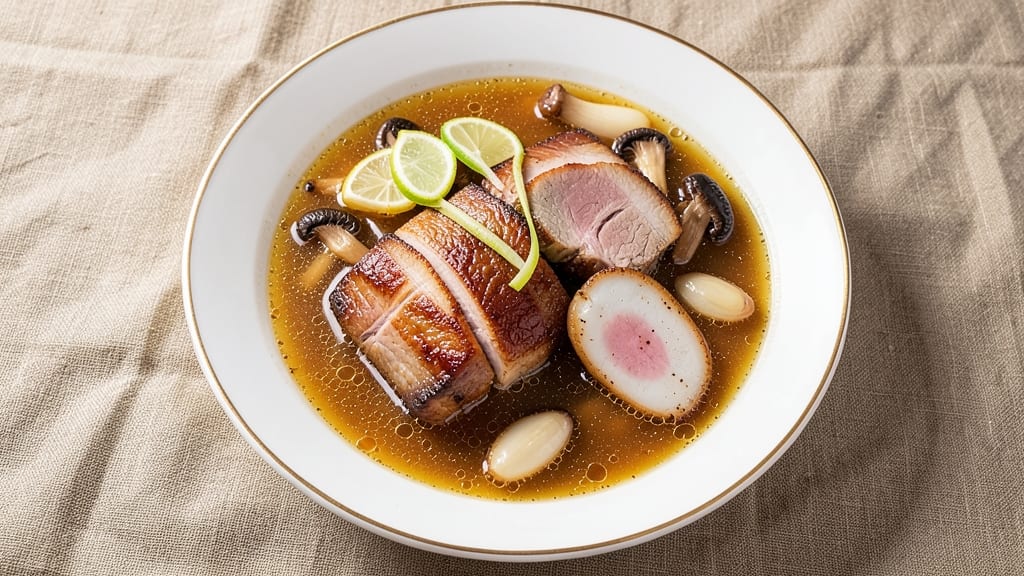
This abalone pork soup recipe merges two worlds—delicate seafood and rich pork—into one luxurious, comforting bowl. 🔥 The secret lies in slow-simmered abalone that melts into tender perfection while pork shoulder breaks down into melt-in-your-mouth bites.
I developed this after years of perfecting seafood-meat pairings at The Smoky Pig, where we balance textures and flavors that feel both traditional and unexpected.
The beauty of this recipe is its simplicity: a single pot transforms humble ingredients into a restaurant-worthy dish. We start with a deep, aromatic broth built from pork bones and ginger, then add abalone and pork shoulder to simmer until the meat is fall-apart tender.
The result is a soup where each spoonful delivers both richness and umami depth, with the abalone adding a subtle brininess that cuts through the pork's richness.
What makes this dish truly special is how the abalone transforms during cooking—starting firm and becoming velvety as it absorbs the broth's flavors. The pork, meanwhile, develops a satisfying chewiness that contrasts beautifully with the seafood's delicate texture.
Every bite offers that perfect harmony of textures and flavors that makes this more than just soup—it's an experience.
Serve this with steamed jasmine rice to soak up every last drop of that luxurious broth, or pair it with crusty bread for dipping. The leftovers reheat beautifully, making it perfect for meal prep or feeding a crowd.
Let's create this fusion masterpiece that bridges two culinary worlds in one unforgettable bowl.
Ingredients for abalone pork soup
Sixteen ingredients, one luxurious pot. Where delicate seafood meets rich pork in perfect harmony.
| Ingredient | Amount | Notes |
|---|---|---|
| Pork Shoulder 🥓 | 1 ½ lb | Bone-in for richer broth |
| Fresh Abalone 🐚 | 6 oz | Cleaned, whole pieces |
| Pork Bones 🦴 | 1 ½ lb | For deep flavor base |
| Fresh Ginger 🧄 | ½ cup | Julienned, skin removed |
| Garlic Cloves 🧄 | 8 cloves | Minced for aromatic base |
| Dried Shiitake Mushrooms 🍄 | ¼ cup | Rehydrated for umami |
| Green Onions 🧅 | 4 whole | Sliced for garnish |
| Soy Sauce 🍶 | ¼ cup | Light or dark variety |
| Dry Sherry 🍷 | ½ cup | Or substitute with white wine |
| Sesame Oil 🫒 | 1 tbsp | For finishing touch |
| Jasmine Rice 🍚 | 1 ½ cups | Uncooked, for serving |
| Salt 🧂 | 1 ½ tsp | Kosher or sea salt |
| Black Peppercorns 🌶️ | ½ tsp | Freshly cracked |
| Vegetable Oil 🫒 | 2 tbsp | For initial searing |
The abalone is the star here—look for fresh, plump pieces with a glossy sheen at Asian markets or specialty seafood shops. Whole Foods or Trader Joe's often carry them frozen, but fresh is ideal if you can find it. The pork shoulder should have good marbling for flavor, and Costco sells it in huge chunks perfect for this. Ginger loses potency fast, so buy it fresh—the root should be firm and smell bright. For the shiitake mushrooms, dried is best—they add depth without watering down the broth. I always grab a few extra abalone pieces if they're on sale—freezing them preserves their texture for up to 3 months.
No dry sherry? White wine or even extra chicken broth works in a pinch, though sherry adds that special depth. Fresh ginger too fibrous? Powdered ginger at half the amount gets you close. The pork bones can be swapped for beef bones if you prefer, but pork gives that authentic richness. For the soy sauce, light soy has more umami than dark—don't skip this detail. If you can't find fresh abalone, frozen scallops work in a bind, but the texture won't be identical. The sesame oil should be toasted—check the bottle for that nutty aroma. And if you're short on time, pre-minced garlic from the jar is fine, though fresh always tastes better.
This soup tastes even better the next day as flavors meld—make a double batch if you can. Store in airtight containers for 4-5 days in the fridge, or freeze for up to 3 months. The broth reduces nicely when reheated, so add a splash of water if it gets too thick. I always make extra rice to go with it—jasmine rice absorbs the broth beautifully. For serving, keep the sesame oil separate until the last minute to preserve its aroma. The abalone pieces will be tender but still hold their shape—don't overcook them or they'll turn mushy.
Why You'll Love This Recipe
- No-Chop Nightmare: I swear by this recipe when I’m too tired to dice ginger like a pro. Just smash the garlic cloves, slice the pork shoulder into big chunks, and let the bones do the work—no knife skills required. The abalone softens with zero effort, and honestly? That’s the kind of soup I’ll make when I’ve got better things to do than stand at the counter.
- Umami Bomb: Between the pork bones simmering into a rich broth and the abalone’s briny sweetness, every spoonful is next-level. The ginger and garlic hit just right—not overpowering, but deep and savory. I’ll be real: my picky-eating partner actually finishes his bowl, and that’s saying something.
- Leftovers That Lie: This soup tastes even better the next day. I make a double batch on Sundays because it’s my go-to for lunch meetings or when my kid “forgets” to pack a snack. The flavors meld into something heartier, and reheating it? Just add hot water. No sad, watery leftovers here.
- Budget Luxury: Fresh abalone might sound fancy, but a single piece stretches across two servings, and the pork shoulder keeps costs down. I treat it like a restaurant meal without the price tag—especially when I use the bones for broth. Between us, it’s the closest I get to eating well on a teacher’s salary.
Step-by-step instructions for abalone pork soup
This luxurious fusion comes together in one pot with rich flavors and tender textures.
🔥 Step 1: Build the Flavor Base with Pork Shoulder and Bones
Heat the 2 tablespoons vegetable oil in a large pot over medium-high heat. Add the 1.5 lb pork shoulder in large chunks and sear until deep golden brown on all sides, about 8-10 minutes. This creates the Maillard reaction that builds deep flavor. Remove the pork and set aside.
In the same pot, add the 1.5 lb pork bones and sear for 5 minutes until they develop a light crust. Pour in 8 cups water (enough to cover everything) and bring to a boil. Reduce heat to low and simmer for 30 minutes, skimming off any foam that rises to the surface. This step extracts maximum flavor from the bones and pork.
🍳 Step 2: Infuse with Aromatics and Umami
Add the 0.5 cup fresh ginger and 8 cloves garlic cloves to the simmering broth. Stir gently and let it cook for 5 minutes until the ginger softens and the garlic becomes fragrant. Here's where the magic happens - the ginger's spicy kick and garlic's sweetness meld with the meaty broth.
Add the 0.25 cup dried shiitake mushrooms (soaked in warm water for 20 minutes and drained) and the seared pork shoulder back to the pot. Pour in the 0.25 cup soy sauce and 0.5 cup dry sherry. Simmer for 1 hour until the pork shoulder is fork-tender and falls apart easily. This long simmer creates a velvety broth that coats every spoonful.
🥘 Step 3: Add the Abalone and Finish the Broth
Gently add the 6 oz fresh abalone pieces (cleaned and whole) to the simmering soup. The abalone should float just below the surface - if it sinks, it's ready to eat. Simmer for only 3-4 minutes until the abalone turns opaque and slightly translucent. Overcooking will make it rubbery, so watch closely during this final step.
Season with 1.5 teaspoons salt and 0.5 teaspoon black peppercorns (freshly cracked). Stir in the 1 tablespoon sesame oil just before removing from heat - this adds a nutty aroma that complements the seafood perfectly. The soup should have a rich, aromatic scent with notes of ginger, garlic, and sherry.
🍚 Step 4: Prepare and Serve with Jasmine Rice
While the soup simmers, prepare the 1.5 cups jasmine rice according to package instructions. For best results, use a rice cooker or pot with a tight-fitting lid. The rice should be perfectly cooked and fluffy - each grain should be separate and tender.
To serve, ladle the hot soup over individual portions of rice. Garnish each bowl with 4 sliced green onions (white and green parts separated) for color and freshness. The white parts should be sprinkled on top, while the green parts can be arranged around the bowl for presentation. This dish tastes best served immediately while the abalone is still warm and tender.
Pro Tips For Making Abalone Pork Soup
- Parboil the Abalone First: I learned this the hard way—skipping the 3-minute blanch in salted water turns your abalone into rubber. The skin should just peel off after that, and the meat stays tender. (Yes, even if you’re impatient like me.)
- Char the Pork Bones: After burning three batches, I finally figured out: sear the pork bones in a dry wok until they’re deep brown and crackling. This unlocks way more flavor than simmering raw bones—just don’t walk away, or you’ll end up with smoke.
- Simmer Low and Slow: Sounds weird, but it works: keep the soup at a gentle simmer (tiny bubbles, almost none) for at least 2 hours. Rushing it turns the pork shoulder tough, and the abalone absorbs flavors like a sponge. (Your future self will thank you.)
- Slice Pork Shoulder Thin: I skip this when I’m lazy, but the dish is noticeably better when I don’t: cut the pork shoulder into ½-inch slices before cooking. Thinner pieces cook faster and stay juicier—no one wants a chewy abalone pork soup.
Best sauces and condiments for abalone pork soup
Ginger-Sherry Broth
This aromatic base transforms ordinary soup into something extraordinary. The combination of fresh ginger and dry sherry creates a complex flavor profile that bridges the seafood and pork perfectly.
I always use freshly grated ginger for its bright, peppery kick—about ½ cup julienned—and add it early in the cooking process to let its oils infuse the broth. The sherry adds depth without overpowering, so don't substitute with cooking wine unless absolutely necessary. 🌶️
For an extra layer of richness, I sometimes add a splash of Mirabelle liqueur (about 1 tablespoon) alongside the sherry. It brings a subtle floral note that pairs beautifully with the abalone's briny sweetness.
If you can't find Mirabelle, a dash of orange zest works in a pinch for brightness.
Sesame Oil Finish
The final touch is where the magic happens. Stirring in 1 tablespoon toasted sesame oil just before serving adds a nutty aroma that elevates the dish instantly. I always use Kadoya brand sesame oil—it's the gold standard for its rich, toasty flavor.
Add it off the heat to preserve its delicate aroma, and trust me, you'll notice the difference. A few drops of chili oil (about ½ teaspoon) can also add a subtle heat that balances the soup's richness.
Soy Sauce Variations
While light soy sauce is my go-to for its umami punch, dark soy adds a deeper color and slightly sweeter profile. For this recipe, use ¼ cup light soy sauce for maximum flavor impact.
If you prefer a sweeter touch, reduce the soy by 1 tablespoon and add 1 teaspoon honey or brown sugar to caramelize the broth. The key is balancing saltiness and sweetness—taste as you go!
Umami Boosters
Dried shiitake mushrooms are the secret weapon here, but don't stop there. A splash of fish sauce (about 1 teaspoon) adds another layer of umami that complements the abalone beautifully.
For a vegetarian twist, swap the pork bones for shiitake stems and use vegetable broth instead. The mushrooms will still deliver that deep, earthy flavor the soup craves. 🍄
Garnish Game-Changers
Fresh cilantro or Thai basil adds a bright, herbal note that cuts through the richness. I like to sprinkle ¼ cup chopped cilantro over each bowl just before serving.
For a smoky touch, add a pinch of smoked paprika or a few crispy fried shallots on top. The contrast of textures and temperatures makes every bite more exciting.
Nutrition facts
Frequently asked questions
Can I substitute fresh abalone with another seafood?
Fresh abalone is ideal for its delicate texture, but you can use 6 oz scallops or firm white fish like cod in a pinch. Scallops should cook for just 2-3 minutes to avoid toughness, while fish needs 4-5 minutes maximum. The flavor won't be identical, but the technique remains the same—add them last and cook quickly!
How do I know when the pork shoulder is done?
The pork should be fork-tender with no pink center after 1 hour of simmering. Test by piercing with a fork—it should fall apart easily. If it's still tough, add ½ cup hot water and simmer 15 more minutes. Never rush this step; proper cooking time ensures melt-in-your-mouth texture.
Can I make this soup ahead of time?
This soup tastes even better the next day as flavors meld. Store in an airtight container in the fridge for 4-5 days or freeze for 3 months. Reheat gently on low heat, adding a splash of water if the broth thickens. The abalone will stay tender if reheated slowly.
What's the secret to tender abalone?
Cook it just until opaque (3-4 minutes)—overcooking turns it rubbery. The abalone should float just below the surface when ready. Also, pat it dry before cooking to help it sear better. Fresh abalone should have a glossy sheen and firm texture; avoid any with a fishy odor.
Why does my broth taste weak?
Weak broth usually means insufficient simmering time or skimmed foam. For richer flavor, roast pork bones at 400°F for 30 minutes before simmering, or add 1 extra tablespoon soy sauce and ½ cup more sherry. Also ensure you're using bone-in pork for maximum collagen release.