
Main Courses
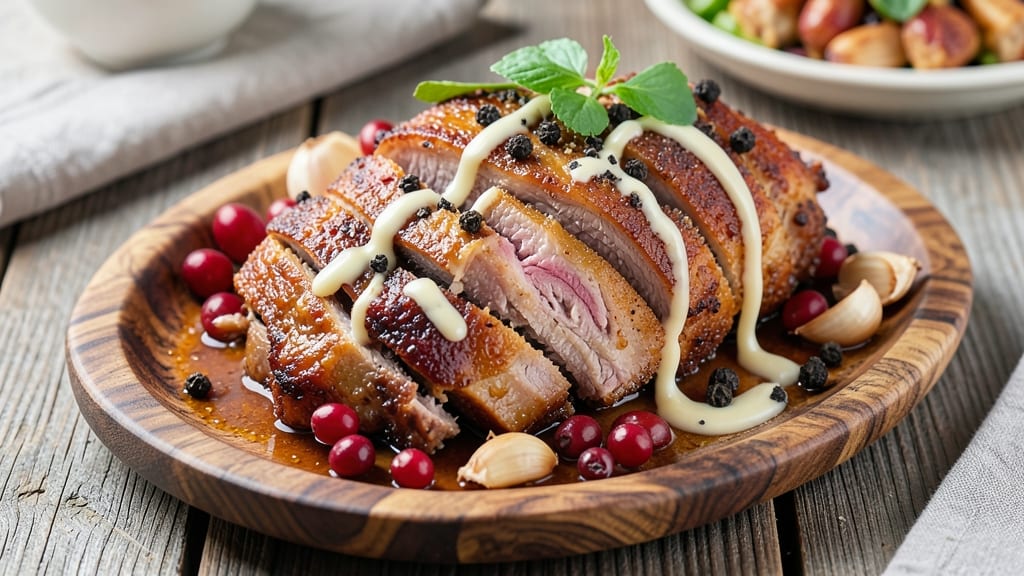
This authentic Goan pork roast recipe brings the vibrant flavors of Goa to your kitchen with its signature coconut-tamarind braise and perfectly spiced bark. 🌟 Growing up in Georgia, I first tasted this dish at a Charleston restaurant where the chef explained how the tamarind and kokum create that signature tangy-sweet balance that makes this pork unforgettable.
The slow-roasting technique transforms tough cuts into melt-in-your-mouth tenderness, while the spice rub develops that coveted crispy exterior we all love.
What sets this recipe apart is the traditional Goan spice blend—black pepper, garlic, and vinegar—that tenderizes the meat while building complex flavors. The coconut milk and tamarind create a rich, slightly tangy braising liquid that infuses every bite.
I've perfected this method over years of cooking pork for large crowds, ensuring the pork stays juicy and the sauce reduces to just the right consistency. This isn't just pork—it's a celebration of Goan heritage on your plate.
The result is pork with a beautifully caramelized exterior and tender, flavorful meat that falls apart with each bite. The sauce clings perfectly, offering that perfect balance of sweet, tangy, and spicy notes that define authentic Goan cuisine.
Serve it with steamed rice and a side of Goan curry for the full experience, or pair it with a local craft beer to complement the rich flavors. This recipe delivers restaurant-quality results in your own kitchen.
For those looking to adapt, you can substitute pork shoulder with chicken thighs, though the texture and flavor will differ slightly. The key to success lies in the marinating time and slow cooking—don't rush this process.
Once you try this authentic Goan pork roast, it will quickly become a staple in your recipe collection. Let's get cooking!
Ingredients for authentic goan pork roast
Six ingredients bring Goa's bold flavors to your pork roast—coconut, tamarind, and spice create magic.
| Ingredient | Amount | Notes |
|---|---|---|
| Pork Shoulder 🍖 | 4 lb | Bone-in for best flavor |
| Coconut Milk 🥥 | 2 cans | Full-fat for richness |
| Tamarind Paste 🍈 | ½ cup | Adjust for tartness preference |
| Kokum 🍇 | ¼ cup | Dried fruit, soaked in water |
| Black Peppercorns 🌶️ | 2 tbsp | Crushed, not ground |
| Garlic Cloves 🧄 | 8 cloves | Minced, not powdered |
| White Vinegar 💧 | ¼ cup | For marinade acidity |
| Brown Sugar 🍯 | ½ cup | Light or dark variety |
| Cumin Seeds 🌿 | 1 tbsp | Toasted for aroma |
| Bay Leaves 🍃 | 2 whole | Fresh or dried |
| Onion 🧅 | 1 whole | Yellow, sliced |
| Olive Oil 🫒 | ¼ cup | For searing |
| Salt 🧂 | 2 tsp | Kosher or sea salt |
| Fresh Ginger 🧅 | 2 tbsp | Grated, not powdered |
The pork shoulder is non-negotiable here—bone-in stays juicier during the long cook. Costco or local butchers usually have it pre-cut for convenience. Look for good marbling; it's worth the extra few cents per pound. If you can't find bone-in, bone-out works but may need extra basting. I've used Trader Joe's frozen pork shoulder in a pinch—thaw it overnight in the fridge. Tamarind paste can be tricky to find; Indian or Asian markets stock it, or sub with lime juice (though it won't be identical). For kokum, check the Indian aisle—it's dried and needs soaking before using.
No tamarind? Lime juice plus a pinch of sugar gets you close, though the depth won't be the same. Running low on coconut milk? Light coconut milk at half the amount plus extra sugar works, but full-fat gives that creamy texture. The cumin seeds must be toasted—dry pan for 30 seconds until fragrant, then grind. Fresh ginger and garlic are worth the extra minute to prep; powdered versions lack that bright punch. For the vinegar, white is traditional, but apple cider vinegar adds subtle sweetness. The brown sugar can be swapped for jaggery if you're going full authentic, but regular sugar works fine.
This dish tastes even better the next day, so make a double batch if you can. Store leftovers in the fridge for 4-5 days or freeze for 3 months. I like to portion it into meal-sized containers—just reheat with a splash of water. The sauce thickens as it cools, so add a splash of water when reheating. For serving, warm some rice in a rice cooker while the pork finishes—it's a perfect match. The sauce pairs well with naan or roti too if you're feeling extra.
Why You'll Love This Recipe
- One-Pot Magic: I swear by this—just toss pork shoulder, coconut milk, and tamarind into one pot, and let the slow cook do the rest. No chopping, no fuss, just hands-off flavor.
- Tangy-Creamy Bliss: That tamarind-kokum combo? It’s the secret weapon—tart enough to wake up your taste buds, then the coconut milk smooths it into something dangerously addictive. The peppercorns add a little kick that lingers.
- Party or Pantry: Serve it with rice for a quick weeknight dinner, or double the batch for gatherings—it reheats like a dream. Honestly, I’ve brought this to potlucks and had people asking for the recipe before dessert even came out.
- Budget-Friendly Feast: Pork shoulder stretches so far, and the spices cost pennies. Plus, leftovers taste just as good cold—perfect for packed lunches or a lazy Sunday. My wallet and my family thank me every time.
Step-by-step instructions for authentic Goan pork roast
Here's how to create that signature Goan spiced bark and tangy coconut-tamarind braise.
👨🍳 Step 1: Prepare the Pork and Spice Marinade
Start by patting the 4 lb pork shoulder completely dry with paper towels—this helps the spices adhere and creates that coveted crispy bark. In a large bowl, combine the 2 tbsp black peppercorns (crushed lightly), 8 cloves garlic (minced), 2 tbsp fresh ginger (grated), 1 tbsp cumin seeds (toasted and ground), 2 tsp salt, and 0.25 cup white vinegar. Rub this mixture all over the pork, working it into the crevices. Let it marinate for at least 4 hours (overnight is even better) in the refrigerator.
Here's the thing—this marinade does double duty. The vinegar tenderizes the meat while the spices build that aromatic bark. I like to press the spices firmly into the surface so they stick during cooking. Don't skip the resting time; it makes all the difference in flavor development.
🔥 Step 2: Sear the Pork for Maximum Flavor
Heat a large Dutch oven over medium-high heat and add 0.25 cup olive oil. Once shimmering, carefully add the marinated pork shoulder. Sear on all sides until you get deep golden-brown coloration—about 8-10 minutes total. You'll smell those spices releasing, and that's when you know you're on the right track.
Don't rush this step. The goal is to create a flavorful crust that'll caramelize during the braising. If the pork releases easily from the pan, it's ready to move to the next stage. Remove the pork and set it aside on a plate, leaving all that beautiful browned fond in the pot.
🍳 Step 3: Build the Tangy Coconut-Tamarind Base
In the same Dutch oven, add the 1 whole onion (sliced) and cook for 3-4 minutes until softened. Then stir in the 0.5 cup tamarind paste and 0.25 cup kokum (previously soaked in 1 cup warm water for 30 minutes). Let this mixture bubble gently for 5 minutes—you'll see it thicken slightly as the tamarind releases its tangy goodness.
Now pour in the 2 cans coconut milk and scrape up all those browned bits from the bottom of the pot. This is where all the magic happens—the tamarind and kokum create that signature Goan tang while the coconut milk adds richness. The mixture should look like a thick, aromatic sauce at this point.
🥘 Step 4: Braise Until Fork-Tender
Return the pork to the pot, along with 0.5 cup brown sugar and 2 whole bay leaves. Bring everything to a gentle simmer, then cover and transfer to a 300°F oven (or use very low heat on the stovetop). Let it cook for 3-4 hours, turning the pork occasionally, until it's fork-tender with a deep mahogany bark.
Here's what to watch for: the pork should pull apart easily when pierced with a fork, and the sauce should have thickened into a glossy glaze. If it looks too thin, uncover and simmer for another 15-20 minutes to reduce. The bark should be dark and crispy—this is your reward for that initial sear.
⏰ Step 5: Rest and Serve with Authentic Flair
Once the pork reaches 203°F internal temperature, remove it from the oven and let it rest for 15 minutes before slicing. This resting period allows the juices to redistribute, ensuring each bite is moist and flavorful. Meanwhile, you can thicken the sauce further by simmering it uncovered for 5-10 minutes if needed.
Slice the pork against the grain for maximum tenderness, and serve with the rich coconut-tamarind sauce spooned generously over each portion. The combination of the crispy bark, tender meat, and tangy sauce is pure Goan comfort food at its finest. Pair it with steamed rice and a simple cucumber salad to complete the meal.
Pro Tips For Making Authentic Goan Pork Roast
- Brown the Meat First: Don’t skip the sear—get that pork shoulder sizzling in a hot pan with a bit of oil before adding the tamarind and kokum. I learned this the hard way: skipping this step makes the sauce taste thin and the pork bland. A few minutes of browning builds flavor that cuts through the coconut milk’s richness.
- Soak Kokum Properly: Soak the kokum in warm water for at least 30 minutes before using—scrub off the outer rind and slice it open to expose the pulp. Sounds tedious, but it makes a real difference in balancing the tamarind’s sharpness. (Yes, even if you’re impatient like me.)
- Simmer, Don’t Boil: Keep the heat low once the coconut milk comes in—boiling it turns the sauce grainy and separates the fat. After burning three batches, I finally figured out: a gentle simmer for 45 minutes lets the flavors meld without curdling. Trust the process.
- Crush Peppercorns Fresh: Skip the pre-ground pepper—crack whole peppercorns in a mortar or with the flat side of a knife right before adding them to the sauce. The aroma and heat are way more intense, and it cuts through the coconut’s creaminess like nothing else. (Your future self will thank you.)
Best sauces and condiments for this dish
Tamarind-Coconut Glaze
The star of this dish is the tamarind-coconut glaze, where the ½ cup tamarind paste and 2 cans coconut milk create that signature tangy-sweet balance.
I like to soak the ¼ cup kokum in 1 cup warm water for 30 minutes before adding it to the pot—this extracts its unique sour flavor without bitterness.
The glaze should coat the back of a spoon when done, with a glossy sheen that clings beautifully to the pork. 🥥
For extra depth, I sometimes add 1 tbsp grated ginger and 1 tsp black pepper directly to the glaze while simmering. This amplifies the Goan flavors without overpowering them. If you find the glaze too thick after braising, simply add 2-3 tbsp warm water and stir until smooth.
The key is patience—rushing the reduction can make it grainy instead of silky.
Spiced Vinegar Marinade
The vinegar marinade with crushed black peppercorns and toasted cumin seeds is what gives the pork its signature crispy bark. I always toast the cumin seeds first in a dry pan for 30 seconds until fragrant—this releases their aromatic oils.
The white vinegar tenderizes the meat while the spices create that aromatic crust. Don't skip the 4-hour marinating time, even if you're eager to cook. I've found that overnight marinating makes the pork even more tender.
For a smokier flavor, add ½ tsp smoked paprika to the marinade. This works especially well if you're serving the pork at a casual gathering where guests might appreciate that extra depth. If you're short on time, a 2-hour marinade still works, but the flavor won't be as developed.
Caramelized Onion Base
The sliced yellow onion forms the aromatic base of the sauce, caramelizing beautifully during the braising process. I like to cook it until it's soft but not browned—this prevents bitterness. The onions should break down into a sweet, jammy texture that blends seamlessly with the tamarind and coconut.
For extra richness, I sometimes add 1 tbsp butter at the end of cooking to incorporate into the sauce. 🧅
If you prefer a sweeter base, add 1 tbsp jaggery (palm sugar) when you add the tamarind. This enhances the natural sweetness of the onions while complementing the tangy flavors.
The onions should be cut into ¼-inch slices for even cooking—thicker slices take longer to soften and can make the sauce uneven.
Brown Sugar Finish
The ½ cup brown sugar added during braising isn't just for sweetness—it helps create that deep mahogany bark on the pork. I like to use light brown sugar for a subtle molasses flavor, but dark brown sugar works too.
The sugar also helps balance the acidity of the tamarind, creating a harmonious flavor profile. Stir it in during the last 30 minutes of cooking to prevent burning.
For a more complex finish, add 1 tsp ground cardamom with the brown sugar. This spice pairs beautifully with the coconut and tamarind, adding a floral note that elevates the dish. If you're serving this at a holiday meal, the cardamom adds a festive touch that guests will notice immediately.
Bay Leaf Infusion
The 2 whole bay leaves might seem like a small detail, but they add an earthy depth that ties all the flavors together. I like to remove them before serving—they're easy to fish out with tongs once the pork is done.
If you're using dried bay leaves, toast them lightly in the pot with the onions to intensify their flavor. Fresh bay leaves have a more delicate aroma, so they work well if you prefer a subtler presence. 🍃
For a different herbal note, substitute 1 sprig fresh thyme or 1 tsp dried oregano along with the bay leaves. Both herbs complement the coconut and tamarind while adding their own unique character.
The key is to add them early in the cooking process so their flavors have time to develop fully.
Nutrition facts
Frequently asked questions
Why does this recipe use vinegar in the marinade?
The white vinegar serves two critical purposes: it tenderizes the tough pork shoulder by breaking down muscle fibers, and it helps build that signature crispy bark through its acidity. The acid also balances the richness of the coconut milk later in the cooking process, creating that perfect tangy-sweet harmony. Don't skip it—this is what makes the bark so irresistible!
Can I substitute tamarind paste if I can't find it?
Yes! For ½ cup tamarind paste, mix ¼ cup lime juice with 2 tbsp brown sugar and 1 tsp lemon zest. While it won't be identical, this combo mimics the tangy-sweet profile. For deeper flavor, add ½ tsp ground coriander to the marinade. The sauce will be brighter but still delicious.
How do I know when the pork is fully cooked?
Use a meat thermometer to check for 203°F internal temperature—this ensures the pork is fork-tender while staying juicy. The bark should be deep mahogany and crispy, while the meat should pull apart easily. If using a thermometer isn't an option, look for these visual cues: the juices should run clear, not pink, when pierced.
What's the best way to reheat leftovers?
Reheat in a skillet with 1-2 tbsp water or broth over medium-low heat for 5-7 minutes, stirring occasionally. This prevents drying out the pork. For extra richness, add 1 tbsp coconut milk to the pan. Leftovers taste even better the next day—this dish improves with time!
Can I make this recipe in a slow cooker?
Follow the same marinating steps, then sear the pork as directed. Transfer everything (including sauce) to a 6-quart slow cooker and cook on low for 8 hours or high for 5 hours. The bark won't be as crispy, but the meat will be perfectly tender. For better texture, broil for 5 minutes at the end to crisp the surface.