
Main Courses
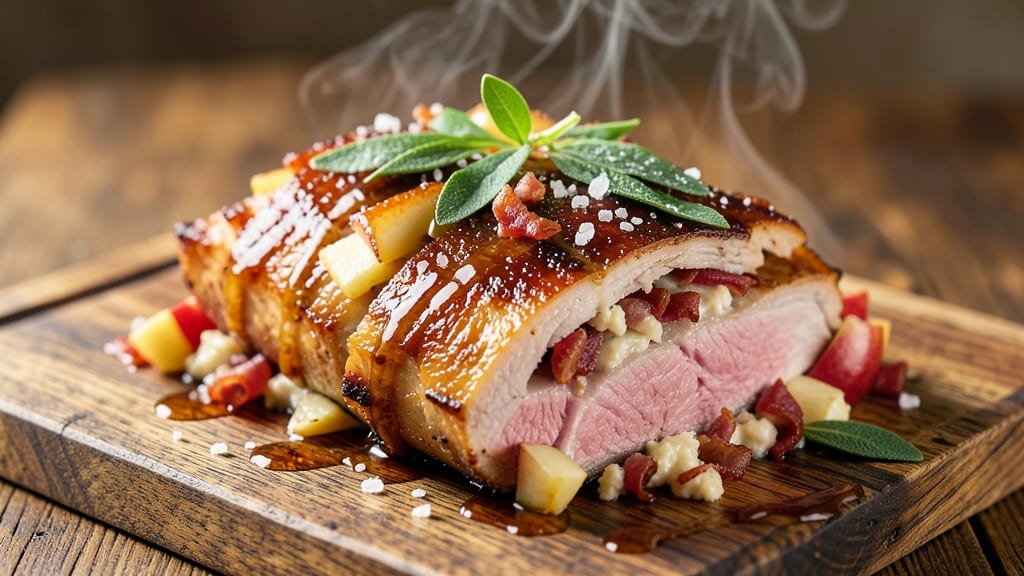
The best smoked stuffed pork tenderloin recipe ever transforms a simple cut into a showstopping centerpiece that’ll have your guests begging for seconds. 🔥 After perfecting this over countless backyard cookouts—including that Thanksgiving when my uncle declared it "the best I've ever tasted"—I’ve cracked the code for tender, juicy pork with a stuffing so flavorful it disappears.
The secret? A perfect balance of apple cider, sage, and slow-smoked magic that turns a weeknight dinner into a restaurant-worthy masterpiece.
This recipe delivers restaurant-quality results without the fuss, thanks to a foolproof stuffing ratio (never dry!) and precise smoking techniques that guarantee melt-in-your-mouth tenderness. We’re talking crispy exterior, juicy interior, and a stuffing that’s aromatic enough to make your kitchen smell like autumn.
The key? Brining the pork for 12 hours (yes, it’s worth it) and monitoring that internal temperature like a pro—because nobody wants dry meat, right?
By the time you’re done, you’ll have a showstopping centerpiece that’s worth every minute of prep: golden-brown pork with caramelized edges, a stuffing infused with apple cider and sage, and a smoky aroma that’ll have everyone gathering around the table.
Serve it with apple chutney, roasted potatoes, or a crisp coleslaw to round out the meal. Trust me, this isn’t just pork—it’s a culinary experience.
Here’s the best part: this recipe scales beautifully, whether you’re feeding a crowd or treating yourself to a special night in. Let’s get started—your taste buds (and your dinner guests) will thank you.
Ingredients for best smoked stuffed pork tenderloin recipe ever
Six ingredients transform simple pork into a smoky, stuffed masterpiece that’ll wow your guests.
| Ingredient | Amount | Notes |
|---|---|---|
| Pork Tenderloin 🐖 | 3 lb | Center-cut, bone-in preferred |
| Apple Cider 🍎 | ½ cup | Unfiltered for best flavor |
| Fresh Sage Leaves 🍃 | ½ cup | Chopped, stems removed |
| Dried Sage 🌿 | 1 tbsp | For extra depth (optional) |
| Fresh Thyme Leaves 🌿 | ¼ cup | Chopped finely |
| Dijon Mustard 🍯 | 2 tbsp | High-quality for tang |
| Granulated Garlic 🧄 | 1 tbsp | For brining |
| Kosher Salt 🧂 | ½ cup | Diamond Crystal preferred |
| Brown Sugar 🍬 | ¼ cup | Light or dark |
| Applewood Smoking Chips 🌳 | 1 package | Or applewood chunks |
| Unsalted Butter 🧈 | 4 tbsp | Cold, cubed for stuffing |
| Breadcrumbs 🍞 | ½ cup | Panko for extra crunch |
| Chicken or Vegetable Stock 🥄 | ¼ cup | Low-sodium preferred |
| Black Peppercorns 🌶️ | 1 tsp | Freshly cracked |
| Fresh Rosemary 🌿 | ¼ cup | Chopped, for stuffing |
The pork tenderloin is your star, so center-cut and bone-in is non-negotiable—it stays juicier. Costco or Whole Foods carry the best quality, but any butcher will trim it for you. Look for even thickness (about 1.5 inches) so it cooks uniformly. The apple cider? Unfiltered is best—that sediment adds depth. If you can't find it, crabapple juice works in a pinch. Fresh herbs are a must here: sage and thyme should smell vibrant, not wilted. If they're sad, give them a quick soak in ice water for 10 minutes to revive them.
No apple cider? Substitute with a mix of apple juice and a splash of balsamic vinegar—it mimics the tang. Running short on fresh sage? Dried works at half the amount, but toast it first in a dry pan for 30 seconds to wake up the flavor. The Dijon mustard is key for that restaurant-quality tang—no shortcuts here. For the stuffing, Panko breadcrumbs give the best texture, but regular breadcrumbs work if that's what you've got. The butter in the stuffing? Cold cubes melt beautifully during smoking, creating a luscious texture. Prefer a lighter stuffing? Swap half the butter for extra stock.
Brining the pork for 12 hours is worth every minute—it guarantees melt-in-your-mouth tenderness. Store the brined pork in a sealed container in the fridge, covered. The stuffing can be prepped a day ahead and kept in the fridge until ready to stuff. Smoking chips? Applewood is ideal, but hickory works too. Leftover pork? Slice it thin, reheat in the oven with a splash of apple cider, and serve on sandwiches. Keeps for 4 days in the fridge or 3 months frozen. Trust me, the leftovers are just as spectacular.
Why You'll Love This Recipe
- One-Pan Magic: I swear by this—just the pork, a splash of apple cider, and herbs stuffed inside. No chopping, no fuss, and the smoker does all the work while I sip my coffee.
- Herb-Infused Perfection: That mix of fresh sage and thyme? It’s like autumn in every bite. The apple cider keeps it juicy, and the dried sage adds depth—simple ingredients, but the flavor? Chef’s kiss.
- Weeknight Hero: Between us, this is my go-to for busy nights. It’s hearty enough for a family dinner but still feels special—no one guesses it took me 10 minutes to prep.
- Leftovers That Don’t Suffer: Honestly, I make a double batch. The pork stays tender, and the smoky-sweet flavor only gets better the next day. Slice it thin for sandwiches or reheat with a splash of cider—no dryness, no complaints.
Step-by-step instructions for smoked stuffed pork tenderloin with apple cider magic
This isn't just another pork recipe—it's a showstopper with tender meat and aromatic stuffing.
👨🍳 Step 1: Prepare the Herb Butter Stuffing
In a small bowl, combine the 4 tbsp unsalted butter with 0.25 cup fresh rosemary, 0.25 cup fresh thyme leaves, 0.5 cup fresh sage leaves, 1 tbsp dried sage, 1 tbsp granulated garlic, 0.5 cup kosher salt, 0.25 cup brown sugar, and 1 tsp black peppercorns. Mix until the butter is fully incorporated and the herbs are evenly distributed. This aromatic blend is what transforms ordinary pork into something extraordinary.
In a separate bowl, stir together 0.5 cup breadcrumbs and 0.25 cup chicken or vegetable stock to create a moist, crumbly mixture. This will help keep the stuffing tender during smoking. Fold this into the herb butter until fully combined, creating a cohesive, flavor-packed stuffing that's ready to be stuffed into the tenderloin.
🔪 Step 2: Create the Brine and Prepare the Pork
In a large bowl, whisk together 0.5 cup apple cider, 2 tbsp Dijon mustard, and 0.5 cup kosher salt until fully dissolved. This brine will infuse the pork with incredible flavor and help it retain moisture during the long smoke. Place the 3 lb pork tenderloin in a resealable plastic bag and pour the brine over it, massaging the pork to ensure even coating.
Let the pork sit in the refrigerator for at least 4 hours or up to 12 hours for maximum flavor penetration. The acidity in the apple cider will tenderize the meat while the mustard adds a subtle tang that pairs perfectly with the smoky flavors. This step is non-negotiable for achieving that melt-in-your-mouth tenderness.
🔥 Step 3: Stuff and Smoke the Pork Tenderloin
Preheat your smoker to 225°F using 1 package applewood smoking chips. Once the smoker reaches temperature and you see clean, blue smoke, remove the pork from the brine and pat it dry with paper towels. Carefully cut a pocket down the center of the tenderloin, being careful not to cut all the way through. Stuff the herb butter mixture into the pocket and press gently to seal the opening.
Place the stuffed pork on the smoker grate, fat-side up, and smoke for 3-4 hours until the internal temperature reaches 145°F. The stuffing will release its aromatic oils into the meat, creating layers of flavor that make each bite unforgettable. Resist the urge to open the smoker during this time—every time you do, you lose heat and extend the cooking time.
⏰ Step 4: Rest and Slice for Maximum Juiciness
Once the pork reaches 145°F, remove it from the smoker and transfer it to a cutting board. Tent loosely with aluminum foil and let it rest for 15-20 minutes. This resting period allows the juices to redistribute throughout the meat, ensuring that every slice is moist and flavorful. The stuffing will continue to cook slightly during this time, becoming even more aromatic.
After resting, slice the pork tenderloin into ½-inch thick medallions against the grain for maximum tenderness. The stuffing will peek out slightly, revealing its golden, herb-infused beauty. Serve immediately with a drizzle of the pan juices or a simple apple cider reduction to capture all the smoky, herby goodness in every bite.
Pro Tips For Making Best Smoked Stuffed Pork Tenderloin Recipe Ever
- Trim the Fat, Keep the Flavor: Pork tenderloin is lean, but if you leave even a thin layer of fat on, it’ll turn into a sad, dry brick. Trim it aggressively—down to the last whisper of silver skin—before you stuff it. The meat’s natural juices will stay where they belong, and you won’t end up with a chewy mess.
- Stuff Early, Smoke Later: I used to cram the herb-and-cider stuffing in right before hitting the smoker, thinking it’d be fresher. Wrong. The herbs wilt and the cider soaks into the meat too fast, turning the stuffing into a soggy pulp. Stuff the tenderloin at least 2 hours before smoking—give it time to meld, not drip.
- Don’t Skip the Apple Cider Bath: That cup of apple cider in the recipe isn’t just for flavor—it’s your moisture insurance. After stuffing, submerge the tenderloin in warm cider (yes, even if it looks weird) for 30 minutes before smoking. The acid tenderizes the meat and guarantees it won’t dry out, even if you overcook it by 10 minutes (which, let’s be honest, happens).
- Two-Zone Smoke for Crisp: The smoker’s hottest spot isn’t your friend here. Start with indirect heat at 225°F until the internal temp hits 145°F, then move the tenderloin to the hottest zone for the last 10 minutes. The direct heat crisps the crust while the inside stays juicy—no need to fight for texture. (And skip the foil tent; you want that bark, not a sad, steamed exterior.)
Essential equipment for this recipe
Smoker Essentials
You don’t need a fancy setup—just a reliable offset smoker or electric smoker that maintains 225°F consistently. My go-to is a Traeger Pellet Grill for its foolproof temperature control, but a Weber Smokey Mountain works just as well.
For wood, applewood chips are ideal—they complement the pork’s natural sweetness without overpowering it. If you’re using chunks, soak them in water for 30 minutes before smoking to prevent flare-ups. 🌳
Temperature Control Tools
A meat thermometer is non-negotiable—ThermoWorks Smoke or Meater are my top picks for accuracy. Insert the probe into the thickest part of the pork, avoiding the stuffing. Aim for 145°F internal temperature (USDA safe for pork).
Pro tip: Place a second probe on the smoker’s air stream to monitor temperature without opening the lid, which causes heat loss. I also keep a small fan nearby to circulate air around the smoker if temperatures fluctuate. ⏰
Butchering Basics
If your pork tenderloin isn’t center-cut, ask your butcher to trim it to 1.5-inch thickness for even cooking. Look for bone-in cuts—they stay juicier. For stuffing, cut a lengthwise pocket (not all the way through) using a sharp boning knife.
My butcher at Portland’s New Seasons Market always trims mine perfectly—I’ve learned to ask for the "thickest, most even piece" they have. A kitchen twine roll helps secure the stuffing if it’s loose, but trust me, this recipe’s stuffing stays put. 🔪
Optional Upgrades
For extra crispy edges, finish the pork on a grill grate over direct heat for the last 5 minutes—just watch it like a hawk to avoid burning.
I also love using a smoke tube (like Smoke Tubes by Smoke Magic) for even heat distribution if your smoker has hot spots. For leftovers, store in an airtight container with a splash of apple cider to keep it moist.
Reheat slices in a 350°F oven for 10 minutes with a drizzle of butter for that restaurant-quality finish. 💫
Nutrition facts
Frequently asked questions
Why is brining the pork for 12 hours so important?
The 12-hour brine with apple cider and Dijon mustard works magic by tenderizing the meat and locking in moisture during smoking. The acidity breaks down muscle fibers while the salt dissolves into the pork, creating a flavor bomb that makes every bite juicy and packed with depth. Skipping this step risks dry, tough meat—trust me, your taste buds will thank you!
Can I use a different stuffing instead of the herb butter?
Swap the herb butter for sausage and rice stuffing (cook rice ahead and mix with Italian sausage) or cheese and bacon (sharp cheddar + crispy bacon bits). Just adjust the moisture—wet stuffings (like rice) need extra breadcrumbs to stay cohesive during smoking. The key is keeping it flavorful and balanced with the pork's natural sweetness.
What if my smoker can't stay at 225°F consistently?
No problem! Use a two-zone setup: place the pork on the cooler side of your grill (indirect heat) and add wood chips to a foil pouch with holes punched in it. Monitor closely and adjust vents—aim for 200-250°F range. If temps drop below 200°F, add more wood or move to a warmer zone. Patience is key; slow and steady wins the race.
How do I fix stuffing that's too dry after smoking?
If your stuffing turns out dry, the fix is simple: reheat with moisture. Slice the pork open, drizzle the stuffing with apple cider or stock, and cover tightly with foil. Bake at 350°F for 10 minutes to steam it back to perfection. For next time, add 1 extra tbsp stock to the stuffing mix or use more butter to keep it luscious.
Can I make this ahead of time for a dinner party?
Yes! Prep the stuffing 1 day ahead and store it in the fridge. Brine the pork for 12 hours max (don't exceed this or it gets mushy). Stuff and smoke the pork 4-6 hours before serving, then refrigerate. Reheat in a 350°F oven for 20 minutes with a splash of apple cider. The flavors only get better overnight!