
Main Courses
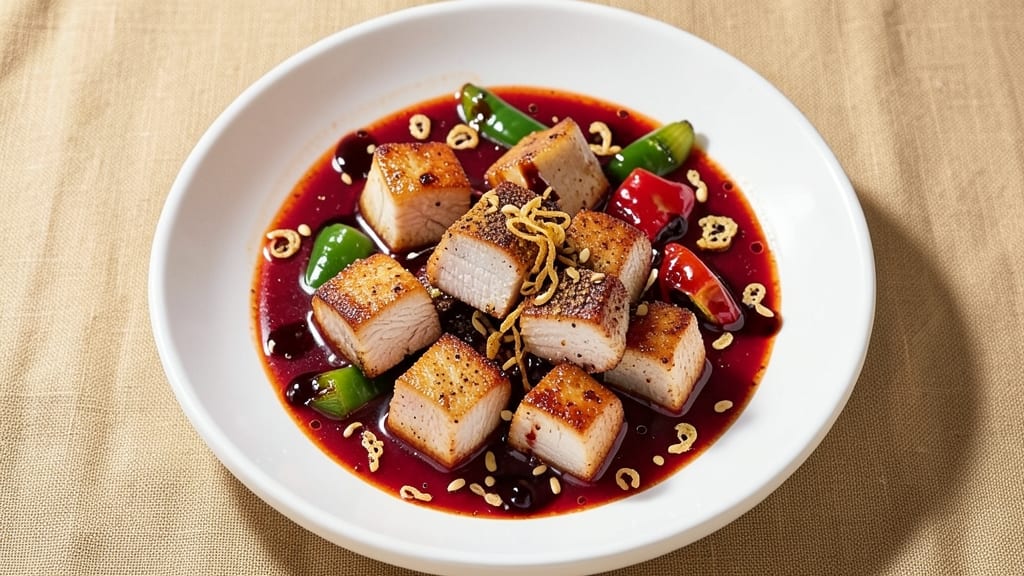
This best sweet and sour pork recipe ever delivers restaurant-quality results with a perfect balance of tangy tamarind sauce, crispy five-spice pork, and a satisfying crunch.
The secret lies in marinating the pork with five-spice powder and cornstarch for extra tenderness and texture, while the sauce combines tamarind paste, vinegar, and a touch of sugar for that signature sweet-tangy kick.
Every bite is a harmonious blend of flavors and textures that will have you reaching for seconds.
What sets this recipe apart is the combination of techniques that create crispy edges and juicy centers in the pork, paired with a sauce that's both vibrant and complex. The marinade not only infuses flavor but also helps the pork develop that coveted crispiness when stir-fried.
Meanwhile, the sauce simmers down to a glossy, slightly thickened consistency that clings beautifully to the pork, enhancing each bite with its bright, tangy profile.
The result is a dish that's as impressive to serve as it is delicious to eat—golden-brown pork pieces with a satisfying crunch, bathed in a glossy sauce that's perfectly balanced between sweet and sour.
This recipe brings together all the elements that make sweet and sour pork a crowd-pleaser, whether you're serving it for a family dinner or a special occasion.
Serve it over steamed jasmine rice or with a side of steamed vegetables to round out the meal. The combination of textures and flavors makes this dish a standout, proving that you can achieve restaurant-quality results at home with the right technique and a little patience. Let's get cooking!
Ingredients for best sweet and sour pork recipe ever
The secret to crispy pork and tangy tamarind sauce starts with these 14 ingredients.
| Ingredient | Amount | Notes |
|---|---|---|
| Pork Shoulder 🐷 | 1 ½ lb | Cut into 1-inch cubes, boneless |
| Five-Spice Powder 🌶️ | 1 tbsp | Store-bought or homemade blend |
| Cornstarch 🌾 | ½ cup | For crispy coating, not flour |
| Tamarind Paste 🍯 | ½ cup | Thick, not runny, for authentic tang |
| Rice Vinegar 🍶 | ½ cup | White vinegar works in a pinch |
| Brown Sugar 🍚 | ½ cup | Light or dark, packed |
| Soy Sauce 🥢 | ¼ cup | Low-sodium preferred |
| Garlic Cloves 🧄 | 6 cloves | Minced, fresh for best flavor |
| Ginger Root 🌿 | 1 tbsp | Freshly grated, not powdered |
| Red Bell Pepper 🍅 | 1 whole | Sliced into strips, any color |
| Green Onion 🧅 | 3 whole | Sliced, for garnish |
| Vegetable Oil 🫒 | ½ cup | High smoke point for frying |
| Salt 🧂 | 1 tsp | Kosher or sea salt |
| Black Pepper 🌶️ | ½ tsp | Freshly ground preferred |
The pork shoulder is your star—look for well-marbled cuts at Costco or your local butcher. If you can't find it pre-cut, ask for it to be cubed to 1-inch pieces (no smaller, or they'll steam instead of crisp). Five-spice powder is non-negotiable here—Penzeys or Trader Joe's have great blends, but homemade (star anise, cinnamon, cloves, fennel, Sichuan pepper) is even better. Tamarind paste? Asian markets carry the good stuff in thick blocks—grate it yourself for maximum tang. For the sauce, brown sugar (not white) gives that caramelized depth, and rice vinegar keeps the tang sharp without overpowering.
No tamarind paste? Substitute 2 tbsp lime juice + 1 tbsp honey—it's not the same but works in a bind. Short on five-spice? Mix 1/2 tsp each cinnamon, ginger, and cloves for a quick version. The cornstarch is crucial—don't skip it for the crispy coating. For the veggies, bell peppers of any color work, but red or yellow add the most vibrant color to the dish. The green onions are just for garnish, so grab a big bunch—you'll use half for decoration and save the rest for other dishes. If you're in a rush, pre-minced garlic and ginger from the jar save time (though fresh is always better).
Pork cubes stay fresh for 2 days in the fridge if marinated in a sealed container. The tamarind paste keeps for 6 months in the pantry once opened—just store it in an airtight jar. For leftovers, this dish reheats beautifully—microwave 1 minute with a splash of water to revive the crispiness. Freeze portions for up to 3 months by laying the pork flat on a tray first, then transferring to a bag. The sauce can be made ahead too—it tastes even better the next day as the flavors meld.
Why You'll Love This Recipe
- Pork Cuts No Waste: That pork shoulder? It’s the budget-friendly hero you didn’t know you needed. One cut yields tender, saucy bites—no fancy trimming or expensive cuts required.
- Tamarind’s Tangy Magic: Honestly, the tamarind paste is what makes this actually sweet and sour—not just cloying sugar. The rice vinegar cuts through the richness, leaving that perfect bright finish.
- Lunchbox Leftovers: Between us, this reheats like a dream—crispy edges stay crispy, sauce clings just right. Pack it in containers for work or school; it’s the only takeout you’ll actually want to eat twice.
- Weeknight Wonder: Five-spice powder and cornstarch do all the heavy lifting. Toss in the pork, simmer, and let the sauce thicken—no stirring, no stress, just 30 minutes of hands-off magic. (Yes, even on a Tuesday night.)
Step-by-step instructions for crispy five-spice crunch pork
This method delivers restaurant-quality texture and flavor—crispy edges, tender meat, and that perfect tangy-sweet balance.
Prep the Pork for Maximum Crispiness
Cut the 1.5 lb pork shoulder into 1-inch cubes—uniform size ensures even cooking. Pat each piece completely dry with paper towels. This step is non-negotiable; any moisture will prevent that golden, shatteringly crisp crust we're after. Place the dried cubes in a bowl and toss with 1 tablespoon five-spice powder, 1 teaspoon salt, and ½ teaspoon black pepper. Let them sit for 10 minutes while you prep the rest—this gives the spices time to cling and penetrate the meat.
Now coat the seasoned pork in ½ cup cornstarch, shaking off any excess. The cornstarch creates that signature crunch that sets this recipe apart from ordinary sweet and sour pork. For best results, work in batches if needed to ensure each piece gets an even, thin layer. This is where the magic begins—your patience here will pay off with that irresistible texture.
Fry to Perfect Golden Crunch
Heat ½ cup vegetable oil in a large skillet over medium-high heat until it shimmers but doesn't smoke—around 350°F. Add the cornstarch-coated pork in a single layer, leaving space between pieces to prevent steaming. Cook undisturbed for 3-4 minutes until the bottoms turn a deep golden brown with crisp edges. Here's the thing: don't move them too soon, or you'll break that perfect crust.
Flip the pork and cook another 3-4 minutes on the second side until golden brown again. The internal temperature should reach 145°F when checked with an instant-read thermometer. Transfer the crispy pork to a paper towel-lined plate to drain excess oil. If you're worried about the meat being undercooked, don't be—it will finish cooking in the sauce. The real test is that irresistible crunch you'll hear when you bite into it.
Build the Tangy-Sweet Sauce
In the same skillet (no need to clean it—the browned bits add flavor), reduce heat to medium and add 6 minced garlic cloves and 1 tablespoon freshly grated ginger. Sauté for 1 minute until fragrant—this releases their aromatic oils that will infuse the sauce. Add ½ cup brown sugar, ½ cup rice vinegar, ¼ cup soy sauce, and ½ cup tamarind paste, stirring constantly to combine.
Bring the mixture to a gentle simmer and let it cook for 5-7 minutes until it thickens slightly and coats the back of a spoon. The sauce should have a glossy sheen and a perfect balance of sweet, tangy, and umami flavors. If it thickens too much, add 1-2 tablespoons water to reach your desired consistency. Taste and adjust seasoning—this is where you can tweak the sweet-sour ratio to your preference, but aim for that bright, vibrant tang that makes this dish special.
Finish with Crispy Pork and Fresh Garnish
Return the crispy pork to the skillet and spoon the sauce over it, tossing gently to coat evenly. Let it simmer together for 2-3 minutes until the pork absorbs some of the sauce and becomes tender. The pork should be fully coated in that glossy, sticky glaze—this is what makes every bite so satisfying. If the sauce seems too thin, let it reduce for another minute or two on the heat.
Transfer the pork and sauce to a serving platter and garnish with sliced red bell pepper strips and green onions. The vibrant colors not only look beautiful but also add a fresh crunch that cuts through the richness. Serve immediately while the pork is still crispy—this dish doesn't wait. The contrast of the crunchy pork with the silky sauce and fresh vegetables makes each bite unforgettable.
Pro Tips For Making Best Sweet And Sour Pork Recipe Ever
- Velvet the Pork First: Tenderize that pork shoulder by poking it all over with a fork, then toss it in a bowl with 1 tablespoon of tamarind paste and 1 teaspoon of five-spice powder. Let it sit for 30 minutes—this isn’t just marinating, it’s breaking down the muscle fibers so your pork falls apart like it’s been slow-cooked for hours (even if you’re not).
- Double-Coat the Cornstarch: Skip the thin slurry—mix your cornstarch with cold water first, then whisk it into the hot sauce after the pork is cooked. The first coating will sear instantly, but the second layer (add another tablespoon of dry cornstarch to the pan) guarantees that glossy, restaurant-quality sheen instead of a dull, sticky mess.
- Save the Vinegar Last: Add rice vinegar only in the final 30 seconds of cooking, or it’ll cook off completely and leave your sauce flat. I learned this the hard way—my first batch tasted like sugar water. If you’re nervous, set a timer or just remember: sour comes last, always.
- Sear in Batches: Crowd the pan, and you’ll steam the pork instead of sear it. Cut the shoulder into even 1-inch chunks and work in two batches—hot oil, not boiling, and just 2-3 minutes per side. The crust should be deep golden, not blackened, or you’ll end up with burnt edges and raw centers. (Yes, even if you’re impatient like me.)
Serving suggestions for best sweet and sour pork recipe ever
Classic Jasmine Rice
I can't imagine serving sweet and sour pork without a bed of fragrant jasmine rice to soak up that tangy-sauce goodness. Cook 1 cup jasmine rice with 1.5 cups water and a pinch of salt in a rice cooker or pot with a tight lid.
For extra flavor, add 1 tsp sesame oil to the cooking water. The rice should be tender but slightly firm—it needs to hold its shape under the sauce. 🍚
Steamed Vegetable Medley
Bright, crisp vegetables balance the richness perfectly. Steam 1 cup broccoli florets, 1 cup snap peas, and ½ cup shredded carrots until just tender-crisp (4-5 minutes).
Toss with 1 tsp toasted sesame seeds and a drizzle of Asian sesame oil before serving. The natural sweetness of the carrots and peas complements the pork beautifully.
Crispy Fried Egg Garnish
For a restaurant-worthy touch, top each serving with a runny yolk fried egg. Crack 2 eggs into a hot pan with 1 tsp neutral oil, cook sunny-side-up for 2 minutes, then cover to set the whites while keeping the yolk runny.
The warm yolk adds luxurious creaminess that cuts through the sauce's acidity.
Wonton Strips for Crunch
Store-bought wonton wrappers add a delightful crunch. Cut 10-12 wonton wrappers into thin strips and fry in ½ inch oil at 375°F for 1-2 minutes until golden. Arrange them artistically around the plate—they'll stay crispy even after the pork sits for a few minutes. 🥢
Dipping Sauce Option
Prepare a quick dipping sauce by mixing 2 tbsp hoisin sauce, 1 tbsp rice vinegar, and 1 tsp chili oil. This adds another flavor layer for guests who want to customize their experience. The spicy-sweet contrast makes every bite even more exciting.
Presentation Tips
Serve the pork in the center of the plate with sauce pooled around it. Arrange the rice in a neat mound, then place the pork pieces on top. Scatter the bell pepper strips and green onions around the plate, then add the fried egg and wonton strips for visual appeal.
The contrast of colors and textures makes the dish look as delicious as it tastes! ✨
Nutrition facts
Frequently asked questions
Can I use chicken or shrimp instead of pork?
For chicken, use 1.5 lbs boneless thighs or breasts cut into 1-inch pieces, but reduce cooking time to 2-3 minutes per side to avoid overcooking. For shrimp (1 lb large), skip the marinating step and cook for just 1-2 minutes per side—they're done when pink. The sauce ratio stays the same, but shrimp cooks much faster, so add it to the sauce at the very end.
What's the secret to getting that perfect crispy texture?
The magic trio is dry pork, cornstarch coating, and high heat. Pat the pork completely dry before coating, use ½ cup cornstarch (not flour), and maintain 350°F oil temperature. Cook in a single layer without crowding, and never stir too soon—let those crispy edges form for 3-4 minutes per side.
Can I make the sauce ahead of time?
Yes! The sauce actually improves overnight as the flavors meld. Make it up to 2 days in advance and store in an airtight container in the fridge. Reheat gently on low heat or in the microwave, stirring occasionally. For extra depth, add 1 tsp soy sauce when reheating to restore richness. The texture will be slightly thicker—just add 1 tbsp water if needed.
Why does my sauce taste too sweet or sour?
Balance is key! If it's too sweet, add 1 tbsp rice vinegar and a pinch of salt. Too sour? Stir in 1 tsp brown sugar or ½ tsp soy sauce for umami depth. Taste as you go—the sauce should be 20% sweet, 70% tangy, 10% savory. For quick fixes, a splash of pineapple juice (for sweet) or lemon juice (for sour) works in a pinch.
How do I reheat leftovers without losing crispiness?
Reheat in a skillet over medium heat with 1 tsp oil for 2-3 minutes until warmed through. The cornstarch coating will crisp up again from the residual heat. For microwave reheating, cover with a damp paper towel and heat for 45 seconds, then finish in the skillet. Avoid saucy reheating—it makes the pork soggy. Store leftovers for up to 3 days in the fridge.