
Main Courses
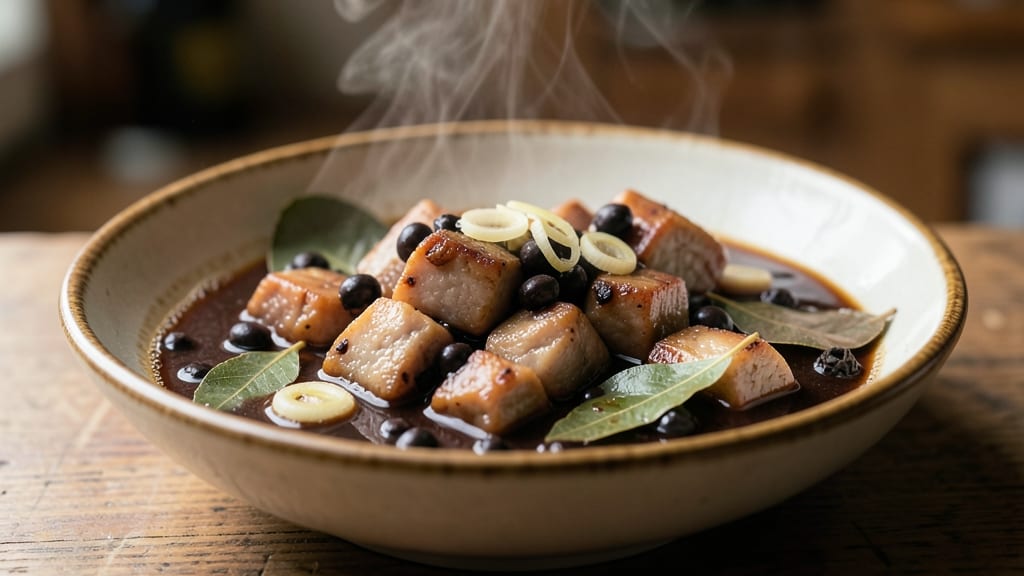
This black eyed peas with pork Filipino recipe brings the comforting flavors of ginataang to your weeknight table—where tender pork shoulder and earthy black-eyed peas braise in a rich, tangy soy-tamarind sauce.
The secret lies in slow-cooked pork that practically melts in your mouth, balanced by the deep umami of soy sauce and the bright tang of tamarind. I first perfected this dish while traveling through the Philippines, where it’s a staple for family gatherings and celebrations.
The beauty of this recipe is its foolproof simplicity—just a handful of ingredients that transform into a deeply flavorful dish with minimal effort.
You’ll start by marinating the pork in soy sauce, garlic, and ginger, then simmer it with black-eyed peas until everything is tender and the sauce thickens into a perfect consistency. The tamarind adds that signature Filipino tang, while bay leaves and peppercorns infuse warmth without overpowering.
What you’ll end up with is a restaurant-quality braise that’s hearty enough for a weeknight dinner but special enough for guests. The pork falls apart easily, soaking up the savory sauce, while the black-eyed peas stay tender with just a hint of bite.
Serve it over steamed rice, and you’ve got a meal that’s as satisfying as it is authentic—no shortcuts, just pure, comforting flavor.
This dish also reheats beautifully, making it perfect for meal prep or leftovers. The longer it sits, the deeper the flavors develop, so if you have time, let it rest overnight before serving. Trust me—once you taste this, it’ll become a regular in your rotation. Let’s get cooking!
Ingredients for black eyed peas with pork filipino
Six ingredients transform into a restaurant-quality Filipino braise—pork so tender it melts, peas rich with soy-tamarind depth.
| Ingredient | Amount | Notes |
|---|---|---|
| Pork Shoulder 🥩 | 2 ½ lb | Cut into 1.5-inch cubes, bone-in preferred |
| Black-Eyed Peas (Dried) 🌱 | 1 ½ cups | Rinsed thoroughly, no soaking required |
| Soy Sauce 🍶 | ½ cup | High-quality Filipino or Japanese preferred |
| Tamarind Paste 🍋 | ¼ cup | Adjust to taste for tanginess |
| Garlic Cloves 🧄 | 6 cloves | Minced, for marinade and braising |
| Fresh Ginger 🌿 | 2 tbsp | Grated, for marinade and depth |
| Bay Leaves 🌿 | 2 whole | Fresh preferred, dried works too |
| Black Peppercorns 🌶️ | 1 tsp | Crushed, for subtle heat |
| Onion 🧅 | 1 whole | Yellow or red, sliced |
| Vegetable Oil 🫒 | 2 tbsp | For searing pork, high smoke point |
| Water 💧 | 2 cups | For braising liquid |
| Salt 🧂 | 1 ½ tsp | Adjust to taste, kosher preferred |
| Brown Sugar 🍯 | 1 tbsp | Balances tangy flavors |
| Green Onions 🧅 | ¼ cup | Chopped, for garnish |
The pork shoulder is non-negotiable—bone-in gives the most flavor, and Asian markets or Costco often have great cuts. Look for good marbling, and ask the butcher to cube it if they won’t pre-cut. Black-eyed peas? Bob’s Red Mill or Trader Joe’s sell the dried ones in bulk—just rinse them well before using. Tamarind paste can be tricky to find, but Filipino stores or Amazon carry it. If you can’t find it, lime juice plus 1 tbsp sugar is a decent stand-in, though it won’t be identical. For the soy sauce, Silver Swan or Lee Kum Kee brands bring that authentic umami punch.
No tamarind? Lime juice plus sugar works, but you’ll lose that signature complexity. Short on brown sugar? White sugar at half the amount does the job, though the color won’t be as rich. The garlic and ginger are where the magic happens—toast the whole cloves in oil first for a deeper flavor. If you’re using dried bay leaves, crush them lightly to release the oils. The green onions at the end? Fresh is best, but frozen chopped ones in a pinch work too. For extra richness, add a splash of coconut milk at the end, though it’s not traditional.
This braise tastes even better the next day—plan ahead. Store in an airtight container in the fridge for up to 4 days, or freeze portions for 3 months. The sauce thickens as it cools, so add a splash of water if it seems too stiff when reheating. Serve over jasmine rice for the full experience. Leftovers make amazing lunches—just reheat with a splash of water to loosen the sauce. If you make a big batch, portion into containers so you’re not digging through one giant pot later.
Why You'll Love This Recipe
- One-Pot Magic: I swear by this recipe for lazy nights—just toss pork shoulder, dried peas, garlic, and soy sauce into a pot, let it simmer, then stir in that tangy tamarind paste at the end. Minimal cleanup, maximum flavor.
- Umami Bomb: That combo of soy sauce and tamarind paste? It’s what makes this dish ridiculously good—sweet, salty, and just a little funky. The pork gets fork-tender while the peas soak up all that deep, savory goodness.
- Weeknight Workhorse: Between us, this is my go-to for busy days. Double the batch, store half for lunches, and you’ve got a meal that’s ready in 30 minutes. (Yes, even on a Tuesday night.)
- Budget Stretch: Pork shoulder and dried peas are cheap, but they feel like a fancy meal. Honestly, I make this when I want something hearty without breaking the bank—every bite tastes like a splurge.
Step-by-step instructions for black eyed peas with pork Filipino braise
Here's how to create a rich, tangy-sweet Filipino pork and black-eyed pea stew that's perfect for busy weeknights.
Prepare the Pork and Aromatics
Cut the 2.5 lb pork shoulder into 1.5-inch cubes, keeping some fat attached for flavor. In a large bowl, combine the pork with the 0.5 cup soy sauce, 0.25 cup tamarind paste, 6 cloves minced garlic, 2 tbsp grated fresh ginger, 1.5 tsp salt, and 1 tbsp brown sugar. Mix thoroughly with your hands so the marinade clings to every piece. Let this sit at room temperature for 15 minutes while you prepare the rest.
In a separate small bowl, crush the 1 tsp black peppercorns with the flat side of a knife or mortar and pestle. This releases their aromatic oils more effectively than pre-ground pepper. Keep this aside for later.
Sear the Pork for Deep Flavor
Heat the 2 tbsp vegetable oil in a large, heavy pot (Dutch oven works best) over medium-high heat until shimmering. Working in batches if needed, add the marinated pork cubes and cook undisturbed for 3-4 minutes per side until deep golden brown with crisp edges. This caramelization builds the foundation for the dish's rich flavor.
As you sear, remove the pork and set it aside. If the oil starts smoking excessively, reduce heat slightly—you want a golden sear, not burnt pork. The pork should release easily from the pot when ready to flip.
Build the Braising Liquid
In the same pot, add the 1 whole sliced onion and cook for 3-4 minutes until softened and beginning to color. Stir in the crushed black peppercorns and cook for 30 seconds to toast slightly, releasing their aroma. Add the 1.5 cups rinsed black-eyed peas, 2 whole bay leaves, and 2 cups water, scraping up any browned bits from the bottom.
Return the seared pork to the pot, along with any accumulated juices. The liquid should come about halfway up the pork cubes. Bring to a gentle simmer—you'll see small bubbles breaking the surface but not a rolling boil—and cover partially with a lid.
Braise Until Tender
Transfer the pot to the oven and cook at 325°F for 2.5 to 3 hours, until the pork is fork-tender and the black-eyed peas are creamy but still hold their shape. The pork should pull apart easily with two forks. If the liquid reduces too much before the pork is tender, add ¼ cup water every 30 minutes to maintain moisture.
About 30 minutes before the pork is done, taste the braising liquid and adjust seasoning if needed. You might need an additional ½ tsp salt or 1 tsp brown sugar to balance the tangy-sweet flavors. The tamarind should be noticeable but not overpowering.
Finish and Serve
Once the pork is tender, remove the bay leaves and discard them. Stir in the 0.25 cup chopped green onions and simmer uncovered for 5 minutes to thicken the sauce slightly and incorporate their fresh flavor. Taste and adjust seasoning one final time—this dish should be savory, tangy, and slightly sweet with a subtle peppery heat.
Serve immediately over steamed rice, letting each person scoop up pork and peas with the rice. The black-eyed peas will be tender but still hold their shape, while the pork will be juicy and infused with the complex flavors of the braising liquid. This dish tastes even better the next day as the flavors meld further!
Pro Tips For Making Black Eyed Peas With Pork Filipino
- CRANK UP THE HEAT FIRST: Start your pork shoulder in a screaming-hot pan—no simmering yet. I used to cook it on medium and wondered why the outside never got that deep caramelized crust. Two minutes of high heat seals the juices and builds flavor before you even add liquid.
- SOAK PEAS IN COLD WATER: Dried black-eyed peas need a good 4-hour soak in cold water (or overnight). Skipping this makes them tough, and no amount of cooking time fixes it. Drain them right before cooking—no need to rinse.
- DON’T DUMP ALL THE SOY SAUCE AT ONCE: Add soy sauce in stages—start with half the amount, let the pork absorb it, then add the rest. I learned this the hard way when my first batch turned salty and one-dimensional. Balance is key.
- MINCE THAT GARLIC FINE: No, "chopped" isn’t enough. Use a knife to smash the cloves flat, then mince into a paste—this releases more flavor. I was skeptical until I tried it; the dish now has a depth that’s hard to ignore.
Wine and beer pairings for these flavors
Filipino Red Wine
For this dish, I reach for a Pinot Noir from the Bohol region of the Philippines—it’s light enough to complement the tangy tamarind but rich enough to stand up to the pork’s deep flavors.
If you can’t find Filipino wine, a California Pinot Noir or Oregon Willamette Valley Pinot works beautifully. The wine’s earthy notes mirror the soy sauce’s umami, while its acidity cuts through the dish’s natural richness. 🍷
Craft Beer Pairings
A Filipino-style lager like San Miguel is my go-to—its crisp, slightly malty profile balances the dish’s tangy-sweet sauce without overpowering it. For a local twist, try a hazy IPA from a Southeast brewery like Atlanta’s Strange Fellows—the citrusy hop notes play off the tamarind’s brightness.
If you prefer something lighter, a Belgian witbier adds a refreshing coriander-spiced contrast.
Non-Alcoholic Options
For a refreshing non-alcoholic match, I love hibiscus tea (tsamba)—its tart, cranberry-like flavor enhances the tamarind’s tang. Serve it chilled with a slice of lime for extra brightness.
Another great option is ginger beer, which complements the dish’s spicy undertones while cleansing the palate. Both options highlight the dish’s Filipino roots without competing for attention.
Serving Suggestion
For a complete experience, serve the wine or beer alongside steamed jasmine rice and a side of kinilaw (Filipino ceviche) or garlic fried rice. The contrast of textures and temperatures—warm braise, cool rice, and crisp greens—makes every bite feel like a celebration.
If you’re feeling adventurous, add a splash of coconut milk to the braise just before serving for a creamy twist.
Nutrition facts
Frequently asked questions
Can I substitute black-eyed peas with another type of bean?
While black-eyed peas are traditional, you can use mung beans (common in Filipino cooking) or adzuki beans in a pinch. For best results, stick with dried beans that hold their shape well during braising. Canned beans won't work—they're too soft and will disintegrate. If using mung beans, reduce cooking time by 15-20 minutes since they cook faster than black-eyed peas.
What's the best cut of pork for this recipe?
Pork shoulder is ideal—it's flavorful and becomes tender when braised. If you can't find it, use pork butt or pork belly (trim excess fat). Avoid lean cuts like tenderloin, as they'll dry out. For extra richness, keep some fat on the cubes—it renders during cooking and keeps the meat juicy. Ask your butcher to cut it into 1.5-inch cubes for even cooking.
How do I adjust the tamarind flavor if it's too strong?
Start with 1 tbsp less tamarind paste and taste as you go. To mellow the tang, add ½ tsp more brown sugar or a splash of coconut milk. If the sauce still tastes too sharp, thin it with 1 tbsp water and simmer for 5 minutes to let flavors meld. Remember: tamarind builds flavor—don't rush to add more once the dish is cooking.
Can I make this recipe in a slow cooker?
Follow the same marinade steps, then sear the pork in a skillet first. Transfer everything to your slow cooker and cook on low for 6-7 hours or high for 4-5 hours. The pork will be fork-tender, and the sauce will thicken naturally. Add ¼ cup water if it gets too dry during cooking. Just skip the oven braising step—slow cookers handle the long cooking time perfectly.
Why did my pork turn out dry?
Overcooking or using lean cuts are the most common causes. Always use pork shoulder or pork butt, and monitor the internal temperature—it should reach 195°F (not 203°F+). If the sauce reduces too much, add ¼ cup water during cooking. For extra moisture, add 2 tbsp coconut milk at the end. The pork should pull apart easily with two forks when done.