
Main Courses
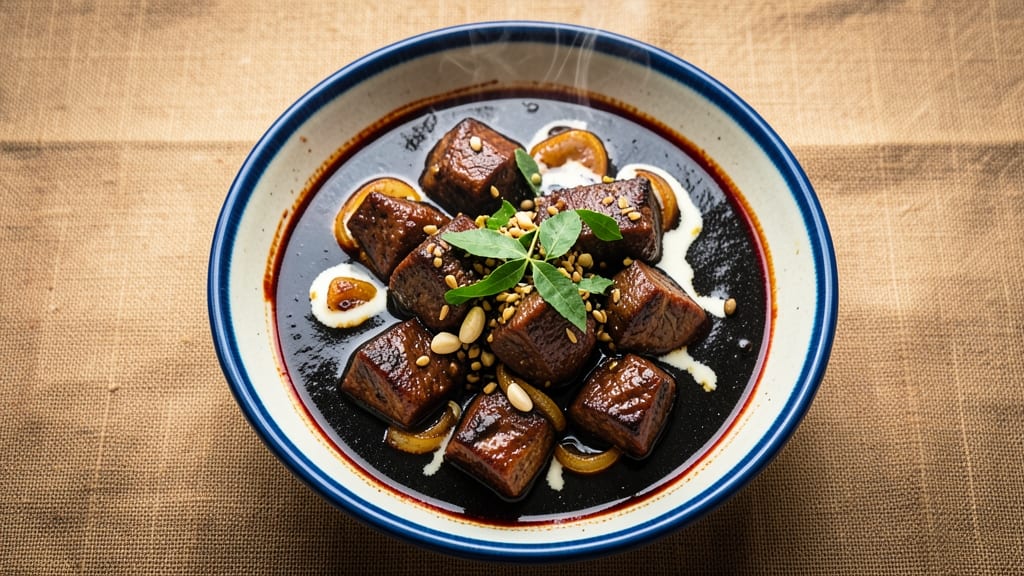
This Sinhala black pork curry brings the bold flavors of Sri Lankan cuisine to your kitchen with a one-pot wonder that marries smoky pork, aromatic spices, and tangy tamarind.
The secret lies in slow-cooked layers—cinnamon and cardamom build warmth while coconut milk and tamarind create depth that lingers long after the first bite.
I first tasted this dish in Colombo's bustling markets, where it was served with steamed rice, and I've since perfected it for home cooks using simple techniques and accessible ingredients.
The magic begins with marinating the pork in a blend of mustard seeds, curry leaves, and black pepper, which tenderizes the meat and infuses it with deep, earthy flavors. As it simmers, the spices bloom into a fragrant paste that forms the backbone of the curry.
What sets this apart is the tamarind—its tartness cuts through the richness of the coconut milk, creating balance that makes every spoonful irresistible. The dish is designed to be made in one pot, minimizing cleanup while delivering restaurant-quality results.
By the time you're done, you'll have a curry that's rich yet complex, with tender pork falling apart in the sauce and a glossy sheen from the coconut milk. The aroma alone will transport you to the streets of Sri Lanka, where this dish is a staple.
Serve it with fluffy jasmine rice or crusty bread to soak up every last drop of that velvety, spice-infused sauce. This is comfort food at its finest—warm, satisfying, and deeply flavorful.
Perfect for family dinners or special occasions, this curry scales beautifully and tastes even better the next day. The leftovers keep well in the fridge, with flavors deepening as the spices meld further.
Whether you're introducing your family to Sinhala cuisine or simply craving a hearty, spiced pork dish, this recipe delivers authenticity without compromise. Let's get cooking—your taste buds won't know the difference between your kitchen and Colombo's finest restaurants.
Ingredients for black pork curry sinhala
Pork shoulder, coconut milk, and tamarind—these three ingredients create the heart of this Sinhala masterpiece.
| Ingredient | Amount | Notes |
|---|---|---|
| Pork Shoulder 🐖 | 1 ½ lb | Bone-in preferred for flavor |
| Coconut Milk 🥥 | 1 can | Full-fat for richness |
| Tamarind Paste 🍈 | ¼ cup | Or 2 tbsp tamarind pulp |
| Yellow Onions 🧅 | 1 whole | Medium size, sliced thin |
| Garlic Cloves 🧄 | 6 cloves | Peeled, minced finely |
| Fresh Curry Leaves 🌿 | ¼ cup | Packed, lightly crushed |
| Mustard Seeds 🌶️ | 1 tbsp | Whole, toasted first |
| Ground Cumin 🌿 | 1 tbsp | Toasted for depth |
| Ground Coriander 🌶️ | 1 tbsp | Freshly ground preferred |
| Cinnamon Sticks 🌿 | 2 whole | Broken into pieces |
| Cardamom Pods 🌿 | 4 whole | Lightly crushed |
| Black Peppercorns 🌶️ | 1 tsp | Crushed, not ground |
| Tomatoes 🍅 | 2 medium | Ripe, chopped roughly |
| Fresh Ginger 🧅 | 1 inch | Peeled, grated finely |
| Salt 🧂 | 1 ½ tsp | Adjust to taste |
| Vegetable Oil 🫒 | 2 tbsp | For tempering |
The pork shoulder is non-negotiable here—bone-in gives more flavor, and Costco or butcher shops usually have the best cuts. Look for good marbling, and if you can't find bone-in, pork butt works too. For the tamarind, Trader Joe's sells it in paste form, but if you're feeling adventurous, grab whole tamarind pods at an Asian market—they're worth it. Curry leaves are the secret hero; frozen works in a pinch, but fresh from an Indian grocery is ideal. Toast the mustard seeds and spices in the oil until they pop—this is where the magic happens, so don't skip it.
No tamarind paste? Lemon juice plus a pinch of sugar mimics the tang, though it won't be identical. Short on curry leaves? Bay leaves at half the amount add depth, but the aroma won't be the same. For the tomatoes, canned crushed tomatoes work if you're in a rush—just drain the excess liquid. The ginger should be fresh; jarred won't give that bright kick. If you're making this ahead, prep the marinade the night before—the flavors meld beautifully overnight.
This curry tastes even better the next day, so make extra. Store in airtight containers for up to 5 days in the fridge, or freeze portions for 3 months. The sauce thickens as it cools, so add a splash of water or coconut milk when reheating. Serve with jasmine rice—it soaks up all that glorious sauce. Leftovers reheat beautifully; just stir in a little water if it's too thick.
Why You'll Love This Recipe
- One-Pot Magic: I swear by this recipe because it’s all in one pot—no chopping mountains of veggies, no last-minute pan scrambling. Just brown the pork, toss in the onions and garlic, add the tamarind paste and coconut milk, and let it simmer. Honestly, the hardest part is waiting for the tamarind to bloom into that deep, tangy richness.
- Tamarind Tang Kick: That tamarind paste? It’s the secret weapon. It cuts through the richness of the pork and coconut milk, giving this curry a bright, almost smoky depth that keeps you reaching for seconds. (Yes, even on a Tuesday night.) The garlic and onions caramelize just enough to add a sweet, sticky contrast—like a hug in a bowl.
- Leftovers That Shine: This curry begs to be made ahead. The flavors actually get better the next day as everything melds together—perfect for packing lunches or reheating for dinner. I’ll be real: I’ve had it cold with rice three mornings in a row, and it’s still spot-on. Plus, it freezes beautifully, so you’re never stuck scrambling for a meal.
- Budget-Friendly Feast: Pork shoulder is affordable, and a can of coconut milk stretches far when paired with onions and garlic. Tamarind paste is a pantry staple that adds serious flavor without costing a fortune. Between us, this recipe feeds four for under $15 and leaves you with leftovers—so it’s basically a win-win. No fancy ingredients, just pure satisfaction.
Step-by-step instructions for black pork curry Sinhala recipe
Here's how to create this rich, tangy curry with layers of spice and coconut depth.
Prepare the Pork and Build the Spice Base
Cut the 1.5 lb pork shoulder into 1-inch cubes and set aside. In a heavy pot, heat the 2 tbsp vegetable oil over medium heat until shimmering. Add the 1 tbsp mustard seeds and let them sizzle for 30 seconds until they pop and turn golden.
Next, add the 2 whole cinnamon sticks and 4 whole cardamom pods, stirring for 20 seconds until fragrant. Add the 1 whole yellow onion (sliced thin) and cook for 5 minutes until softened and translucent. This step develops the aromatic foundation of your curry.
Add Aromatics and Spices
Stir in the 6 cloves garlic cloves (minced finely) and 1 inch fresh ginger (grated finely), cooking for 1 minute until the raw garlic smell disappears. Add the 1 tbsp ground cumin, 1 tbsp ground coriander, and 1 tsp black peppercorns (crushed), stirring for 30 seconds to toast the spices and release their oils.
Add the 2 medium tomatoes (chopped roughly) and cook for 3-4 minutes until they break down into a thick paste. This step deepens the flavor profile by concentrating the tomato's natural sweetness and acidity.
Incorporate Tamarind and Curry Leaves
Pour in the 0.25 cup tamarind paste and 1 can coconut milk, stirring well to combine. Add the 0.25 cup fresh curry leaves (lightly crushed) and 1.5 tsp salt, then bring the mixture to a gentle simmer. This is where the signature tangy-sweet balance begins to develop.
Add the pork cubes and stir gently to coat them evenly in the spiced coconut mixture. The tamarind paste will begin to dissolve, creating a glossy, slightly sticky sauce that clings to the pork.
Simmer Until Tender
Reduce heat to low and cover the pot. Let the curry simmer for 1 hour 15 minutes, stirring occasionally, until the pork is fork-tender and falls apart easily. The sauce should thicken slightly, coating the pork in a rich, aromatic glaze.
Here's the thing—don't rush this step. The slow simmer allows the flavors to meld together, creating that complex, layered taste that makes this curry special. You'll know it's ready when the pork shreds easily with a fork.
Adjust Consistency and Serve
Once the pork is tender, taste the curry and adjust the seasoning if needed. If the sauce is too thick, add 2-3 tablespoons of water to reach your desired consistency. The curry should be thick enough to coat the back of a spoon but still spoonable.
Serve the black pork curry hot, garnished with additional fresh curry leaves if desired. This curry pairs beautifully with steamed rice or crusty bread, ready to deliver that authentic Sinhala flavor profile you're after.
Pro Tips For Making Black Pork Curry Sinhala
- Brown the Pork First: Don’t skip the crispy sear—cut the pork shoulder into 2-inch chunks and brown them in a hot pan with oil until deep golden. I learned this the hard way: rushing to the curry stage without this step means bland, watery meat. Let those bits stick and caramelize for 5-6 minutes before deglazing.
- Blend Tamarind Paste: Tamarind paste is thick and stubborn—mix it with a splash of warm water (about 2 tablespoons) before adding it to the pot. This ensures it dissolves smoothly into the curry instead of clumping like glue. (Yes, even if you’re impatient like me.)
- Simmer Low and Slow: After adding coconut milk, reduce heat to a gentle simmer—no boiling. I used to crank the heat, thinking it’d cook faster, but it just broke the emulsion and made the curry split. Let it bubble softly for 45-60 minutes, stirring occasionally, for tender pork and a velvety sauce.
- Toast the Onions: Sauté the sliced onions in oil until they’re deep golden, not just soft—about 8-10 minutes. This builds flavor that cuts through the richness of the coconut milk. Skip this, and your curry tastes flat, like it’s missing something. (It is.)
Storing and reheating this dish
Fridge Storage Tips
Let your curry cool completely before transferring to an airtight container—glass is best for flavor retention. Store in the fridge for up to 5 days, but I find the flavors actually deepen after 2-3 days as the spices meld further.
The sauce thickens as it cools, so add 1-2 tablespoons of water or coconut milk when reheating to restore that perfect consistency. 🥥
Freezer-Friendly Method
For longer storage, portion the curry into freezer-safe containers or heavy-duty freezer bags, leaving ½-inch headspace for expansion. It keeps well for 3 months, though I recommend using it within 2 months for peak flavor.
When ready to eat, thaw overnight in the fridge—never microwave directly from frozen, as it can make the sauce watery. 🧊
Reheating on Stovetop
My preferred method is stovetop reheating—it preserves the sauce's texture beautifully. Place the curry in a pot over medium-low heat, add 2-3 tablespoons of water or coconut milk, and stir gently for 8-10 minutes until heated through.
Taste and adjust seasoning—it often needs a pinch of salt or tamarind paste to balance the flavors. 🔥
Microwave Shortcuts
For quick meals, transfer a portion to a microwave-safe dish, cover loosely, and heat on 50% power for 2-3 minutes, stirring halfway. If the sauce looks too thick, add 1 tablespoon of water or coconut milk and microwave for another 30 seconds.
Avoid high power—it can make the pork dry out. ⚡
Reviving Leftovers
If your curry tastes a bit flat after storage, boost the flavors by adding 1 teaspoon of fresh lime juice or a pinch of ground black pepper. A sprinkle of toasted mustard seeds or fresh curry leaves right before serving can also wake up the dish.
Trust me, this trick works wonders—it’s like giving your curry a second chance at life. 💫
Nutrition facts
Frequently asked questions
Why does this Sinhala black pork curry have such a deep, smoky flavor?
The signature depth comes from three key elements: toasting whole spices (mustard seeds, cinnamon, cardamom) until they pop, slow-simmering the pork for 1.5 hours to develop rich flavors, and the tamarind-coconut milk balance that creates both tang and richness. The black pepper adds a subtle smokiness that ties everything together.
Can I substitute chicken or beef for the pork?
While pork is traditional, you can use chicken thighs (simmer for 45 minutes) or beef chuck (simmer for 2 hours). For chicken, reduce the tamarind slightly—it needs less acidity. Beef benefits from a longer simmer to tenderize. The spice blend remains identical, but adjust cooking times based on meat density.
What if I can't find fresh curry leaves?
Use ½ the amount of dried curry leaves (if available) or substitute with ½ teaspoon ground coriander plus 2 bay leaves. For maximum authenticity, check Indian grocery stores—they often sell fresh curry leaves in small packs. The aroma is crucial, so don't skip this step entirely.
How do I know when the pork is fully tender?
The pork is ready when it shreds easily with a fork and pulls apart cleanly. For extra assurance, pierce a piece—if the juices run clear (not pink), it's done. The sauce should coat the back of a spoon but remain spoonable. If it's still tough, simmer uncovered for another 15-20 minutes.
Can I make this curry in a slow cooker?
Follow the same marinade and spice steps, then transfer everything to a 6-quart slow cooker on low for 6-7 hours or high for 3-4 hours. The pork will become fork-tender and absorb all the flavors beautifully. Just add 2-3 tablespoons of water if the sauce gets too thick during cooking.