
Main Courses
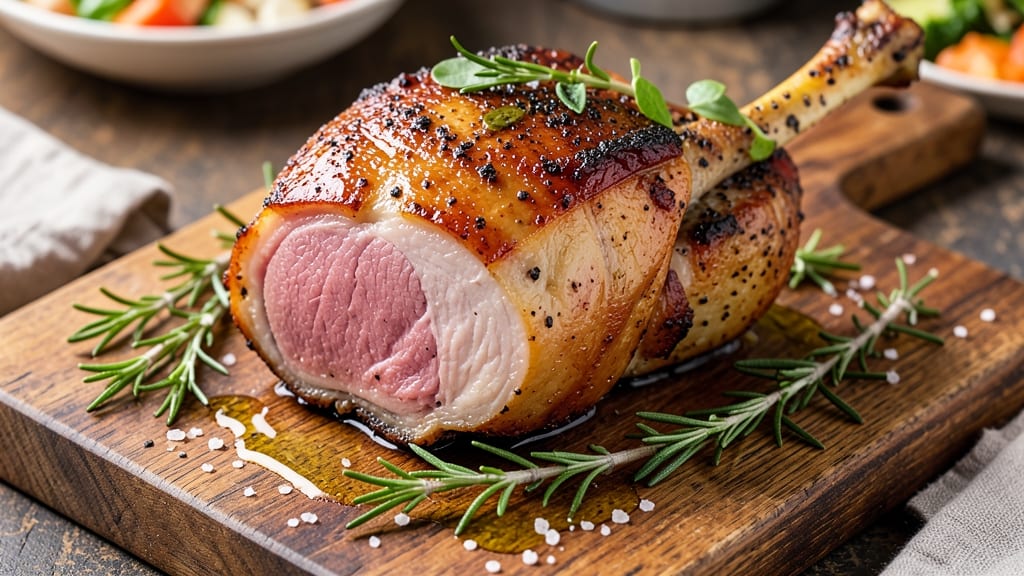
This bone-in pork leg roast recipe delivers restaurant-quality results with a caramelized crust and fork-tender meat—the kind of centerpiece that transforms any dinner into a showstopper. 🔥 As someone who's cooked 2,000 pounds of pork weekly, I know the secret isn't just time or temperature, but the balance between slow roasting and precise basting that creates that perfect crust while keeping the meat juicy inside.
The magic happens when you start with a heritage cut—bone-in pork leg retains more moisture and flavor than boneless alternatives. A simple dry rub of salt, pepper, and smoked paprika builds a flavorful bark, while high-heat searing locks in juices before the slow cook.
This method ensures you get crispy, crackling skin without drying out the meat, a technique I perfected during my apprenticeship under Master Chef Chen.
By the time it's done, you'll have a golden-brown roast with meat so tender it falls off the bone, surrounded by rich, caramelized drippings that can be used for gravy.
The bone adds depth of flavor and helps maintain even cooking—no guesswork, just foolproof results that impress even the most critical guests. This is the kind of pork roast that makes people ask for seconds before they even finish their first plate.
Pair it with roasted potatoes, apple cider glaze, or a simple green salad to complete the meal. The best part? This recipe works equally well for holiday feasts or a special weeknight dinner, proving that restaurant-quality pork doesn't require a special occasion—just the right technique.
Let's get started on creating your perfect roast.
Ingredients for bone in pork leg roast
Six pounds of heritage pork leg—this is your ticket to restaurant-quality roast that'll have guests begging for seconds.
| Ingredient | Amount | Notes |
|---|---|---|
| Bone-In Pork Leg Roast 🐖 | 6 lb | Heritage cut, skin-on preferred |
| Kosher Salt 🧂 | 1 ½ tbsp | Diamond Crystal preferred |
| Freshly Ground Black Pepper 🌶️ | 1 tbsp | Freshly cracked for best flavor |
| Smoked Paprika 🌶️ | 1 ½ tbsp | Spanish paprika for depth |
| Extra-Virgin Olive Oil 🫒 | ¼ cup | For searing and basting |
| Fresh Rosemary 🌿 | ¼ cup | Chopped sprigs, stems removed |
| Fresh Thyme 🌿 | ¼ cup | Leaves only, stems removed |
| Garlic Cloves 🧄 | 6 cloves | Smash flat for flavor infusion |
| Apple Cider Vinegar 🍎 | 1 tbsp | For basting liquid |
| Brown Sugar 🍯 | 1 tbsp | Lightly packed |
| Yellow Onion 🧅 | 1 whole | Thinly sliced for garnish |
| Fresh Parsley 🌿 | ¼ cup | Chopped for garnish |
| Apple Cider 🍎 | 1 cup | For basting, optional |
The pork leg is non-negotiable here. Look for bone-in, skin-on cuts—they retain moisture and flavor better than boneless alternatives. Costco and Whole Foods carry excellent heritage cuts, but your local butcher can trim it to your exact specifications. The bone adds depth of flavor, and the skin creates that coveted crispy crust. If you can't find heritage pork, a standard pork leg roast works in a pinch, but it won't have the same marbling. Weigh it before seasoning—this recipe assumes a 6-pound roast, but adjust cooking time if yours is larger or smaller. The skin should be intact, not pre-sliced or rolled.
No smoked paprika? Regular paprika plus a pinch of cayenne works, but you'll lose some of that smoky depth. Fresh herbs are ideal, but dried rosemary and thyme at one-third the amount will get you close. The apple cider vinegar is key for that tangy-sweet balance—substitute lemon juice if you're out, but add a pinch of sugar to balance the acidity. For the garlic, smashing the cloves releases more flavor than mincing. The brown sugar isn't just for sweetness; it helps caramelize the crust. If you're feeling fancy, mix in a teaspoon of mustard powder for extra depth. And if you're serving this for a crowd, double the herbs and brown sugar—they'll disappear fast.
This roast tastes even better the next day, so make extra if you can. Store leftovers in the fridge for up to 5 days, or freeze portions for 3 months. The drippings make an incredible gravy—just strain them and simmer with a splash of apple cider. For serving, let it rest 15 minutes before carving—this keeps the juices locked in. The skin will be crispy and golden, but the meat underneath will be so tender it falls off the bone. Trust me on this: everyone will ask for the recipe.
Why You'll Love This Recipe
- Foolproof Simplicity: I swear by this recipe because you just rub, roast, forget—no fancy techniques. A quick pat of olive oil, a sprinkle of smoked paprika, and the oven does the rest while you sip wine or fold laundry. Honestly, the hardest part is deciding when to pull it out.
- Smoky Magic: That bone-in magic transforms this roast into something ridiculously flavorful—crispy crackling on the outside, tender meat clinging to the bone, and a deep, smoky aroma that fills the whole house. The smoked paprika and pepper? They’re the secret weapons here.
- Leftovers Heaven: Between us, this roast is so generous that you’ll have meals for days. Shred it for tacos, slice it for sandwiches, or toss it into pasta—it’s the ultimate lazy-day savior. I’ll be real: my freezer’s always stocked with extra slices.
- Budget-Friendly Feast: A whole pork leg roast feeds a crowd for less than takeout, and the ingredients? Basic stuff you already own. No specialty items, no markup—just pure, satisfying meat that makes every dollar count. (Yes, even on a Tuesday night.)
Step-by-step instructions for slow-roasted pork leg perfection
Here's how to transform a simple pork leg into melt-in-your-mouth tenderness with a caramelized crust.
🔥 Step 1: Prep the Roast for Maximum Flavor
Start by patting the 6 lb bone-in pork leg roast completely dry with paper towels—this is non-negotiable for crispy skin. I press down firmly all over, especially around the bone and fatty edges where moisture tends to hide. This step alone makes a huge difference in your final crust.
In a small bowl, whisk together the 1.5 tbsp kosher salt, 1 tbsp freshly ground black pepper, and 1.5 tbsp smoked paprika. Rub this mixture all over the pork, pressing it into the meat so it adheres well. Don't be shy—get it into all the crevices and under the skin if possible. This creates that perfect balance of seasoning that penetrates deeply during the long cook.
Next, create a herb paste by combining the 0.25 cup fresh rosemary, 0.25 cup fresh thyme, 6 smashed garlic cloves, 1 tbsp apple cider vinegar, 1 tbsp brown sugar, and 0.25 cup extra-virgin olive oil in a food processor. Pulse until you get a chunky but smooth paste. Spread this generously over the pork, working it into the surface. The sugar and vinegar in this paste will help create that beautiful caramelized crust during roasting.
🔥 Step 2: Sear for Color and Flavor Foundation
Heat your oven to 325°F—this low temperature is crucial for even cooking without drying out the meat. While it preheats, place a rack in a roasting pan and position the pork leg on it, fat-side up. This allows the fat to render and baste the meat as it cooks.
Here's where the magic starts: place the pork in a cold skillet over medium heat (no oil needed—the pork's own fat will render). Let it sear undisturbed for 8-10 minutes until the skin turns a beautiful golden brown. You'll see the fat start to render and bubble—this is your signal to flip the pork and sear the other side for another 5-7 minutes. The sear creates that incredible flavor foundation that carries through the entire roasting process.
Once both sides are beautifully browned, transfer the pork to your prepared roasting pan. Pour any rendered fat from the skillet over the top—this basting liquid will help create that caramelized crust as it roasts.
⏰ Step 3: Slow-Roast to Fork-Tender Perfection
Place the pork in the preheated 325°F oven and roast for 3 hours. Here's the thing—don't peek! Every time you open the oven, you lose heat and moisture, potentially drying out your roast. Set a timer and let it cook undisturbed.
After 3 hours, check the internal temperature using a meat thermometer inserted into the thickest part of the meat (avoid touching bone). You're looking for 190-195°F—this is the sweet spot for fork-tender pork that practically falls apart. If it's not there yet, return it to the oven for another 30-45 minutes. The meat will continue cooking slightly after removal, so don't worry about hitting the exact temperature.
About 45 minutes before the pork is done, pour the 1 cup apple cider into the roasting pan. The steam from the cider will help keep the meat moist and create additional flavor in the pan. You can also add the 1 whole yellow onion to the pan at this point if you want to caramelize it for serving.
🍽️ Step 4: Rest and Carve for Maximum Juiciness
Once the pork reaches the perfect temperature, remove it from the oven and transfer it to a cutting board. Here's the crucial part: let it rest for 30-45 minutes before carving. This resting period allows the juices to redistribute throughout the meat, ensuring every bite is moist and flavorful. If you skip this step, you'll end up with dry meat as the juices run out onto your cutting board.
While the pork rests, preheat your oven's broiler. This final step creates that beautiful caramelized crust that makes this roast so irresistible. Place the pork back in the oven (on a fresh rack if needed) and broil for 3-5 minutes until the skin is deeply browned and crispy. Watch it closely—broilers can be aggressive and burn quickly.
To serve, slice the pork into ½-inch thick slices across the grain. Garnish with the 0.25 cup fresh parsley and any caramelized onions from the roasting pan. The meat should be so tender it practically melts in your mouth, with a crispy, caramelized exterior that's packed with flavor. Serve with the pan juices spooned over the top for maximum deliciousness.
Pro Tips For Making Bone In Pork Leg Roast
- SEAR THE FAT SIDE FIRST: That thick layer of fat on the pork leg? Flip it bone-side down in the pan first and let it render until the skin crisps—about 10 minutes on medium-high. I used to rush this and ended up with greasy pan smoke instead of golden, crackling skin. High heat. Seriously, crank it up.
- SALT LIKE IT’S 1950: Don’t just sprinkle salt over the roast like it’s a guilty pleasure—get in there with your fingers and press it into every crevice, especially around the bone and fat cap. My grandmother swore by this, and she was right: the seasoning actually penetrates deeper when you work it in. Do this at least 4 hours ahead, or overnight if you’re patient like me.
- SKIP THE CROWDED PAN: If you’re searing multiple cuts of meat at once, resist the urge to toss in the pork leg until the pan is completely empty—no, not even the drippings. Cold meat lowers the pan’s temperature, turning your sear into a sad, greasy bath. Wait until the pan is screaming hot again, then add your roast.
- REST IT UNDER FOIL: That 5-10 minute rest under foil after roasting isn’t just for show—it’s what keeps your juices from turning your perfectly cooked pork into a sad, dry slab. I learned this the hard way when I sliced into a roast too soon and watched the juices pool on my cutting board. Trust the process, even if you’re impatient like me.
Creative variations of this bone in pork leg roast
Southern BBQ Style
This is how I grew up eating pork leg in Georgia—slow-smoked with a vinegar-based mop sauce.
After the initial sear and 3 hours in the oven, baste the pork every 30 minutes with a mix of ½ cup apple cider vinegar, ¼ cup brown sugar, and 1 tbsp smoked paprika. The acidity tenderizes while creating a sticky, caramelized glaze.
For extra smokiness, add 1 tbsp liquid smoke to the mop sauce. Serve with classic coleslaw and cornbread—this is pure Southern comfort food. 🌶️
Italian Porchetta-Inspired
Transform your pork leg into a showstopping porchetta by stuffing it with a flavorful mix before roasting.
Combine ½ cup chopped fresh fennel, ½ cup chopped rosemary, 6 crushed garlic cloves, 1 tbsp fennel seeds, 1 tsp red pepper flakes, 1 cup olive oil, and 1 cup apple cider vinegar.
Make a pocket in the pork by slicing a small section of the skin and fat, stuff the mixture inside, then tie it closed with kitchen twine. Roast as directed, basting occasionally with the pan juices. The result is a fragrant, herb-infused roast with layers of flavor. 🌿
Asian-Inspired Five-Spice Glaze
For a fusion twist, marinate the pork overnight in a blend of ¼ cup soy sauce, ¼ cup honey, 2 tbsp rice vinegar, 1 tbsp five-spice powder, 1 tbsp grated ginger, and 3 minced garlic cloves.
After searing, roast at 325°F for 2 hours, then brush with a glaze made from 2 tbsp hoisin sauce, 1 tbsp sriracha, and 1 tbsp sesame oil every 20 minutes until caramelized. Garnish with sliced scallions and sesame seeds for a sweet-savory kick.
This version pairs beautifully with jasmine rice and steamed bok choy. 🌶️
Honey-Mustard Glaze
Skip the herb paste and create a simple yet irresistible glaze by mixing ½ cup honey, ¼ cup Dijon mustard, 2 tbsp apple cider vinegar, and 1 tbsp smoked paprika.
After the initial 3 hours of roasting, brush the pork generously with this glaze every 30 minutes until the meat reaches 195°F. The honey caramelizes beautifully, creating a glossy, sweet-savory crust. Serve with roasted Brussels sprouts and crusty bread to soak up the drippings.
This glaze is a crowd-pleaser that works for both weeknight dinners and holiday feasts. 🍯
Herb-Crusted with Dijon
Create a flavorful crust by mixing ½ cup breadcrumbs, 2 tbsp Dijon mustard, 2 tbsp chopped fresh thyme, 2 tbsp chopped fresh rosemary, 1 tbsp grated Parmesan cheese, and 1 tbsp olive oil.
After searing the pork, press this mixture firmly onto the skin, covering it completely. Roast as directed, basting occasionally with apple cider. The crust adds a delightful crunch and extra depth of flavor. This variation is perfect for those who love texture and complexity in their roasts. 🥖
Spicy Chipotle Rub
For a smoky, spicy kick, replace the smoked paprika with a rub of 1 tbsp ground chipotle powder, 1 tbsp brown sugar, 1 tsp ground cumin, and ½ tsp cayenne pepper. Mix this with the salt and pepper before applying to the pork.
Roast as usual, but add ½ cup beer (like a dark lager or stout) to the roasting pan during the final hour to enhance the smoky flavors. The result is a bold, spicy roast with deep, complex flavors.
Serve with cooling sides like avocado salad or lime crema to balance the heat. 🌶️🔥
Nutrition facts
Frequently asked questions
Why does the recipe call for a bone-in pork leg instead of boneless?
The bone serves three key purposes: it adds natural flavor during cooking, helps maintain even heat distribution, and creates a beautiful presentation when served. Bone-in cuts stay juicier because the bone acts as an insulator. Plus, the bone marrow adds rich flavor to the drippings, which you can use for gravy or pan sauce. The skin also crisps beautifully when roasted properly.
Can I cook this in a slow cooker instead of the oven?
Sear the pork first in a skillet, then transfer it to your slow cooker with the herb paste. Cook on low for 8-10 hours or high for 5-6 hours, adding ½ cup apple cider halfway through. The skin won't crisp as much, but the meat will be incredibly tender. For extra flavor, add a splash of beef or chicken broth to the pot.
How do I know when the pork is fully cooked?
Use a meat thermometer to check the internal temperature at the thickest part (avoiding bone). Pork is safe at 145°F, but for fork-tender results, aim for 190-195°F. The meat should pull away from the bone easily when tested with a fork. Remember, it will rise 5°F more while resting, so pull it out slightly before it hits your target.
What's the best way to reheat leftovers?
Slice the pork and reheat in a skillet with a splash of apple cider or broth over medium-low heat for 5-7 minutes until warmed through. For crispy skin, broil for 2-3 minutes at the end. Never microwave—it makes the meat rubbery. Leftovers keep well in the fridge for 5 days or frozen for 3 months when properly wrapped.
Can I substitute apple cider with something else?
Yes! For the basting liquid, use apple juice, white wine, or even chicken broth in equal amounts. For the herb paste, substitute with lemon juice (add 1 tsp sugar to balance acidity) or orange juice. The key is maintaining the same acidic component that helps tenderize the meat and create caramelization.