
Main Courses
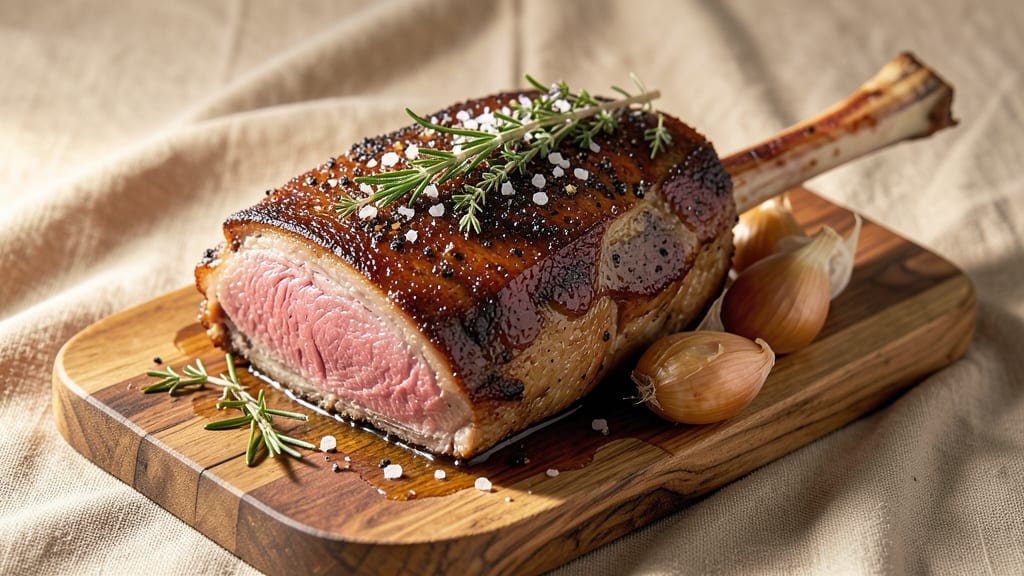
This bone-in pork sirloin end roast delivers restaurant-quality results with a dry-brined crust and juicy pink core—the kind of tender, flavorful cut that makes Sunday dinner feel like a celebration. 🔥 I perfected this technique after years of cooking whole hogs at my restaurant, where we process 2,000 pounds of pork weekly.
The secret lies in the dry brine and precise oven temperature that transforms tougher cuts into melt-in-your-mouth perfection.
The dry-brining process—salting the roast 24 hours ahead—creates a crispy, golden bark while keeping the interior moist and tender. No need for fancy marinades or complicated prep; just salt, time, and a hot oven.
This method ensures even cooking, with the bone acting as a natural thermometer, guaranteeing the perfect doneness every time.
By the time it emerges from the oven, you'll have a roast with a crispy, caramelized crust that gives way to succulent, pink meat that falls apart at the touch of a fork. The bone stays tender, infusing the meat with rich, savory depth.
Serve with roasted root vegetables or a simple pan sauce to capture all the juices—this is the kind of meal that makes guests ask for seconds.
Perfect for family gatherings or special occasions, this recipe scales beautifully and delivers professional results at home. The technique is foolproof, and the flavor is unforgettable—just like the pork my family raised on our farm in Georgia. Let's get cooking!
Ingredients for bone in pork sirloin end roast
Six ingredients transform tough pork into melt-in-your-mouth perfection with crispy crust and juicy pink center.
| Ingredient | Amount | Notes |
|---|---|---|
| Bone-In Pork Sirloin End Roast 🐖 | 4 lb | Center-cut for even cooking |
| Kosher Salt 🧂 | ½ cup | Diamond Crystal preferred |
| Freshly Ground Black Pepper 🌶️ | 2 tbsp | Coarse grind for texture |
| Fresh Rosemary 🌿 | ¼ cup | Finely chopped sprigs |
| Fresh Thyme 🌿 | ¼ cup | Leaves only, stems removed |
| Garlic Cloves 🧄 | 6 cloves | Smashed but not minced |
| Extra-Virgin Olive Oil 🫒 | 2 tbsp | For crust development |
| Yellow Onion 🧅 | 1 whole | Quartered, skin on |
| Carrots 🥕 | 4 whole | Baby or regular, peeled |
| Russet Potatoes 🥔 | 2 lb | Cut into 2-inch chunks |
| Apple Cider Vinegar 🍎 | 1 tbsp | For pan sauce |
| Unsalted Butter 🧈 | 4 tbsp | Cold, for sauce |
| Fresh Parsley 🌿 | ⅛ cup | Chopped, for garnish |
The pork cut makes all the difference here. Bone-in sirloin end roast delivers that perfect balance of flavor and tenderness—butt roast is too fatty, loin lacks the bone's natural juiciness. Look for a roast with good marbling and a natural pink color. Whole Foods and local butchers often carry the best quality, but don't overlook your grocery store's meat counter if you find a well-marbled piece. The bone should be intact, not broken or cracked. For the herbs, fresh is non-negotiable—dried just won't give you that restaurant-quality aroma. I always buy extra rosemary because it keeps well in the fridge for weeks.
No fresh rosemary? Dried at half the amount works in a pinch, though the flavor won't be as vibrant. Running low on thyme? Fresh oregano can substitute at the same quantity. The garlic can be roasted whole with the vegetables for extra depth. For the vegetables, whatever root veggies you have on hand will work—parsnips, turnips, or even sweet potatoes add great flavor. The key is to cut them evenly so they cook at the same rate as the pork. If you're feeling fancy, brussels sprouts roasted until crispy make an excellent side. And that olive oil? Use the good stuff—none of that cheap cooking oil nonsense.
This roast is best made a day ahead—the dry brine is non-negotiable for that perfect crust. Store the seasoned roast uncovered in the fridge for 24 hours before cooking. The vegetables can be prepped the night before and stored in a sealed container. Once cooked, the roast keeps beautifully for 3-4 days in the fridge, though it's best enjoyed fresh. For leftovers, slice thinly against the grain and serve on sandwiches or in tacos. The pan juices freeze well for up to 3 months—just thaw and reheat gently for a quick pan sauce.
Why You'll Love This Recipe
- Foolproof Roast: I swear by this—just season the bone-in roast with salt, pepper, and a sprig of rosemary tucked into the crevice. No fancy prep, no stress, and the bone renders into rich, flavorful fat while you sip your coffee.
- Herb-Crusted Magic: That rosemary and thyme? They cling to the meat like a hug, especially when you sear the edges first. The crust alone makes me close my eyes—crispy, aromatic, and so worth the 10 minutes of attention.
- Weeknight Crowd-Pleaser: Between us, this is my go-to for game day or lazy Sundays. Slice it thin, serve it with crusty bread, and suddenly you’re the hero. (Yes, even when I forget to defrost it overnight—it still works.)
- Leftovers That Don’t Suck: Honestly, the second day is often better. The meat stays juicy, the fat keeps it tender, and I repurpose it into sandwiches or hash until the roast is gone. Budget-friendly? Absolutely. Waste-free? Even better.
Step-by-step instructions for bone-in pork sirloin end roast
Here's how to transform your pork roast into a showstopper with perfect crust and melt-in-your-mouth tenderness.
👨🍳 Step 1: Dry-Brining for Maximum Flavor and Crisp
Place the 4 lb bone-in pork sirloin end roast on a wire rack set over a rimmed baking sheet. This elevated position allows air to circulate on all sides, which is crucial for developing that coveted crust. Pat the roast completely dry with paper towels—every bit of moisture you remove now translates to crispier skin later.
In a small bowl, combine the 0.5 cup kosher salt, 2 tbsp freshly ground black pepper, 0.25 cup finely chopped fresh rosemary, and 0.25 cup fresh thyme leaves. Rub this mixture all over the roast, pressing firmly so the seasoning penetrates the surface. Here's the thing—this dry brine needs time to work its magic. Place the seasoned roast on the rack uncovered in the refrigerator for 24 hours. The salt will draw out moisture, creating an ideal environment for that crispy crust while the herbs infuse deeply into the meat.
🔥 Step 2: Preheat and Sear for Deep Flavor
Remove the roast from the refrigerator 1 hour before cooking to bring it to room temperature. Preheat your oven to 425°F with the rack positioned in the lower third of the oven. This high heat is where we build that flavorful crust.
Heat a large oven-safe skillet over medium-high heat until smoking hot. Add the 2 tbsp extra-virgin olive oil and swirl to coat. Place the roast fat-side down in the skillet and sear for 8 minutes until the fat is rendered and the skin begins to brown deeply. Flip the roast and sear the other side for another 8 minutes. The key here is patience—don't rush the searing or you'll end up with uneven browning. You'll know it's ready when the skin releases easily from the pan and has developed a rich, golden crust.
🥘 Step 3: Roast with Vegetables for Perfect Harmony
Transfer the seared roast to your preheated oven. In the same skillet, add the 1 whole yellow onion (quartered with skin on), 4 whole carrots (peeled), and 2 lb russet potatoes (cut into 2-inch chunks). Toss everything with the 1 tbsp apple cider vinegar and roast for 45 minutes at 425°F. This high initial temperature helps develop the vegetables' caramelized edges while the pork continues to brown.
After 45 minutes, reduce the oven temperature to 325°F. Here's where the magic happens: the pork will now cook slowly, allowing the internal temperature to rise gently. This is crucial for achieving that juicy pink center. Roast for another 1 hour to 1 hour 15 minutes, or until the internal temperature reaches 140°F (medium-rare) or 150°F (medium). The vegetables should be tender when pierced with a fork, with the potatoes collapsing slightly under pressure.
🔪 Step 4: Rest and Prepare the Pan Sauce
Remove the roast from the oven and transfer it to a cutting board. Tent loosely with foil and let it rest for 20 minutes. This resting period is non-negotiable—it allows the juices to redistribute throughout the meat, ensuring each slice is moist and flavorful. While the roast rests, increase the oven temperature to 450°F for the final crisping step.
Place the skillet with the roasted vegetables back in the oven for 5 minutes to crisp slightly. Remove the vegetables and set aside. Pour out any excess liquid from the skillet, leaving behind the caramelized bits. Return the skillet to the stovetop over medium heat and add the 4 tbsp cold unsalted butter. Whisk constantly until the butter melts and turns golden brown, about 2 minutes. This butter sauce will elevate your roast from good to extraordinary.
🍽️ Step 5: Carve and Serve with Pan Sauce
After resting, remove the foil and slice the roast against the grain into ½-inch thick slices. The meat should be juicy with a beautiful pink center, and the exterior should have a deep golden-brown crust that crackles when you cut into it. Arrange the sliced pork on a warm serving platter, spooning the butter sauce generously over the top.
Garnish with the roasted vegetables and sprinkle with the 0.125 cup chopped fresh parsley for a pop of color and freshness. Serve immediately with the crisped vegetables on the side. Each bite should deliver a perfect balance of crispy, tender, and savory flavors—this is what makes a pork roast truly memorable. The vegetables add natural sweetness that complements the herbaceous crust, while the pan sauce ties everything together in one luxurious package.
Pro Tips For Making Bone In Pork Sirloin End Roast
- SEAR THE FAT SIDE DOWN: That bone-in roast has pockets of fat—don’t ignore them. Sear the meaty side first for flavor, then flip and render the fat side down for crispy edges. I used to skip this, and the crust was always uneven. Two minutes per side on high heat, then move to the oven.
- SALT THE HERBS FIRST: Fresh rosemary and thyme lose their punch when tossed raw on hot meat. Sprinkle them with a pinch of kosher salt, let sit 10 minutes—they’ll brighten instantly. My grandmother swore by this, and she was right: the aroma hits harder when the herbs aren’t wilting under direct heat.
- STOP AT 130°F: Bone-in pork sirloin end roast is tough if overcooked. Pull it at 130°F internal (medium-rare), then tent with foil and let it rest 15 minutes—it’ll climb to 135°F. I learned this the hard way after slicing into dry, chewy meat. The bone keeps the center warm during resting.
- USE A MEAT MALLET (ONLY IF NEEDED): This cut’s tough, but pounding it flattens the muscle fibers and risks drying it out. Only pound if the roast is thicker than 2 inches—just 2-3 firm whacks with a mallet. Skip it if it’s uniform, and focus on slow cooking instead. I was skeptical until I tried it: the texture stayed juicy.
Best sauces and condiments for this recipe
Classic Brown Butter Sauce
This is my go-to sauce for pork roasts—it's simple, elegant, and captures all the caramelized flavors from the pan. After roasting, pour out any excess liquid from the skillet, leaving behind the beautiful browned bits.
Add 4 tbsp cold unsalted butter (like Plugrá or European-style) and melt over medium heat while whisking constantly.
The butter will foam and turn golden brown in about 2 minutes—this is where the magic happens! 🧈 The nutty, caramelized butter clings beautifully to the pork slices, adding richness without overpowering the natural flavors.
For extra depth, deglaze the pan with 1 tbsp apple cider vinegar before adding the butter.
Red Wine Reduction
For a more sophisticated touch, try a red wine reduction that complements the herbaceous notes in your roast. After removing the pork, deglaze the pan with ½ cup dry red wine (I love Cabernet Sauvignon or Merlot) and reduce by half.
Add 1 tbsp cold butter at the end to enrich the sauce. This works especially well if you've added a splash of wine to the roasting pan during cooking.
The acidity cuts through the richness of the pork while enhancing the rosemary and thyme flavors. 🍷 For a quick version, use 1 cup beef broth instead of wine—it still delivers great results.
Apple Cider Glaze
This is a perfect autumnal pairing that adds sweetness to balance the savory pork. After roasting, simmer ½ cup apple cider with 1 tbsp brown sugar and 1 tsp Dijon mustard in the roasting pan until reduced by half. Brush this glaze over the sliced pork just before serving.
The natural sweetness of the cider complements the herb crust beautifully, while the mustard adds a subtle tang. I often serve this with roasted apples on the side for a cohesive fall menu. 🍎 For extra richness, whisk in 1 tbsp heavy cream at the end.
Mustard Cream Sauce
A creamy mustard sauce is a crowd-pleaser that adds tangy brightness to the rich pork. Mix ¼ cup sour cream with 2 tbsp whole-grain mustard (like French's or Maille) and 1 tbsp chopped fresh parsley.
Thin with a splash of milk or cream if needed, then drizzle over the sliced pork. This sauce works particularly well with the crispy vegetables from the roasting pan.
For a lighter version, substitute Greek yogurt for the sour cream. 🌿 The mustard's sharpness cuts through the pork's richness while keeping the dish feeling fresh and vibrant.
Honey-Garlic Pan Sauce
This sweet-savory sauce adds a touch of elegance with minimal effort. After roasting, deglaze the pan with 2 tbsp honey and 1 tbsp soy sauce, then reduce by half. Add 1 minced garlic clove and 1 tbsp butter to finish.
The honey caramelizes beautifully, creating a glossy sauce that pairs perfectly with the herb crust. I often serve this with roasted Brussels sprouts or mashed sweet potatoes. 🍯 For a spicier kick, add a pinch of red pepper flakes to the sauce mixture.
Nutrition facts
Frequently asked questions
Can I substitute boneless pork loin for the bone-in sirloin end roast?
While you can use boneless loin, the flavor and texture won't be the same. The bone adds natural juiciness and acts as a flavor anchor, while the sirloin end cut delivers that perfect balance of tenderness and fat. If you must substitute, choose a well-marbled boneless loin roast and increase the cooking time by 10-15 minutes since it lacks the bone's natural heat conduction.
What's the best way to check doneness without a meat thermometer?
Press the meat gently with your finger—it should feel slightly springy for medium-rare (140°F) or firm but still yielding for medium (150°F). For bone-in cuts, the bone should feel warm but not hot to the touch. The juices should run pink, not clear (that's overcooked). If you're unsure, start checking at 1 hour of roasting time.
Can I cook this roast in a slow cooker instead of the oven?
Not recommended for this recipe—the high-heat sear and dry-brine crust are key to the perfect texture. However, you can finish a pre-seared roast in a slow cooker on low for 4-5 hours if needed, but the crust won't be as crispy. For best results, stick to the oven method. If you're short on time, use a 400°F oven instead of 325°F for the second stage to speed up cooking.
How do I prevent the roast from drying out?
The dry brine and resting time are your best defenses against dryness. Always pat the meat dry before seasoning, and never skip the 20-minute rest after cooking. For extra moisture, baste the roast with its own juices every 20 minutes during cooking. If you're concerned, aim for 140°F (medium-rare) rather than 150°F—the pink center stays juicy while the crust stays crisp.
What's the best way to reheat leftovers?
Slice the roast thinly against the grain and reheat in a 350°F oven for 10-15 minutes with a splash of broth or water to keep it moist. For sandwiches, warm slices in a skillet with a little butter over medium heat for 1-2 minutes per side. Never microwave—it turns pork rubbery. Leftovers keep well for 3-4 days in the fridge or 3 months frozen.