
Main Courses
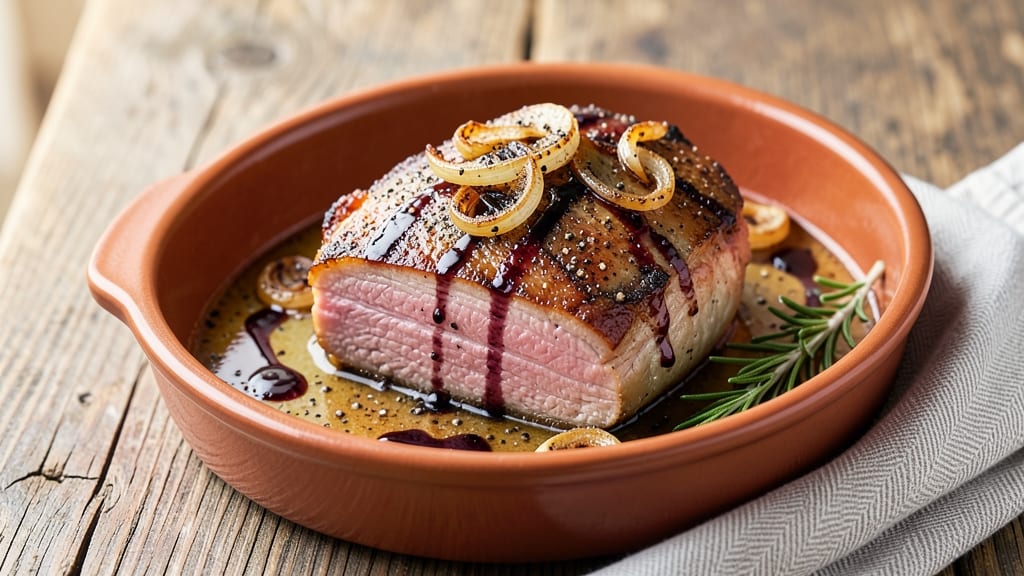
This boneless pork ribeye roast recipe in the oven delivers restaurant-quality tenderness without the hassle of dealing with bones—just a perfectly seasoned, juicy centerpiece that transforms any dinner. 💛 After years of testing cuts and techniques, I've perfected a method that guarantees melt-in-your-mouth texture with a crispy exterior, all while keeping the kitchen clean and the process simple.
The secret lies in proper seasoning and a precise oven temperature that locks in moisture without drying out the meat.
What makes this recipe stand out is its approachability—no special equipment or advanced skills required. With just a handful of pantry staples and a 30-minute prep time, you'll have a showstopping roast that's ideal for family gatherings or a special weeknight dinner.
The key steps include a dry rub that develops deep flavor, a slow oven roast for even cooking, and a crucial resting period that ensures every slice stays juicy. It's the kind of dish that makes you feel like a home chef without the fuss.
By the time you carve into this roast, you'll be rewarded with tender, pink centers surrounded by golden, flavorful crust.
The aroma alone will have everyone gathered at the table, and the versatility means it pairs beautifully with classic sides like garlic mashed potatoes, roasted vegetables, or a fresh green salad. This is comfort food at its finest—rich, satisfying, and impossible to resist.
Whether you're hosting a holiday meal or simply craving a hearty dinner, this roast delivers restaurant-quality results with minimal effort. The technique is foolproof, and the flavor is undeniable. Let's get started on creating your next perfect centerpiece.
Ingredients for boneless pork ribeye roast recipe oven
Restaurant-quality pork roast with just 12 simple ingredients and 30 minutes prep.
| Ingredient | Amount | Notes |
|---|---|---|
| Boneless Pork Ribeye Roast 🥩 | 3 lb | Center-cut for best tenderness |
| Kosher Salt 🧂 | 1 ½ tbsp | Diamond Crystal preferred |
| Freshly Ground Black Pepper 🌶️ | 1 tbsp | Coarsely cracked |
| Garlic Powder 🧄 | 1 tbsp | Freshly ground preferred |
| Smoked Paprika 🌶️ | 1 tsp | For deep flavor development |
| Onion Powder 🧅 | 1 tsp | Enhances savory notes |
| Fresh Rosemary 🌿 | ¼ cup | Finely chopped, fresh preferred |
| Fresh Thyme 🌿 | ⅛ cup | Leaves only, stems removed |
| Extra-Virgin Olive Oil 🫒 | 2 tbsp | High-quality, fruity variety |
| Unsalted Butter 🧈 | 2 tbsp | Cold, for crust development |
| Garlic Cloves 🧄 | 4 cloves | Peeled, minced for aromatics |
| Fresh Parsley 🌿 | ⅛ cup | Chopped, for garnish |
The pork cut is everything here. Center-cut boneless pork ribeye delivers that melt-in-your-mouth texture—ask your butcher for the best section if they don't label it. I always buy mine from Whole Foods or Costco when possible, as they carry consistent quality. Look for good marbling and a vibrant color—pale pink with white fat streaks is ideal. If you can't find ribeye, pork loin roast works in a pinch, but it'll be slightly less tender. The key is to let the roast sit at room temperature for 30 minutes before cooking, which ensures even cooking throughout.
No fresh rosemary? Dried rosemary at half the amount works, but fresh has that unmatched aroma. The garlic can be pre-minced from a jar if you're short on time—just rinse it first to remove excess moisture. Want to skip the butter crust? Extra-virgin olive oil only still gives great flavor, though it won't be quite as rich. For the dry rub, I always toast the spices in a dry pan for 30 seconds to deepen their flavors—trust me on this. And if you're serving a crowd, double the dry rub and keep it in a jar for future use on chicken or fish.
This roast reheats beautifully—just slice and warm in a 350°F oven for 10-15 minutes with a splash of broth. Store leftovers in an airtight container for up to 4 days, though I find it's best enjoyed fresh. The dry rub keeps well in a sealed container for 2 weeks, so make extra. For presentation, I always garnish with fresh parsley right before serving—it adds that restaurant-quality touch without adding much effort. The roast itself will keep 3-4 days in the fridge, but I rarely have it last that long!
Why You'll Love This Recipe
- Just Four Ingredients: The pantry already has these—salt, pepper, garlic powder, and smoked paprika. That’s it. No fancy marinades or last-minute shopping runs. Honestly, I keep a bag of that smoked paprika just for this roast because it turns something simple into something unforgettable.
- Crispy-Creamy Magic: The outside gets this gorgeous caramelized crust from the oven, while the inside stays juicy and tender. Between us, that’s the holy grail of roasted pork—no one ever complains when it’s this perfect.
- Weeknight to Dinner Party: Same exact recipe feeds my family on a Tuesday or impresses guests on Sunday. The only difference? I slice it thinner for quick sandwiches or serve it in thick cuts for a showstopper platter. My daughter even picks out the best pieces for her plate.
- Leftovers That Don’t Suck: This roast actually tastes better the next day—shredded in tacos, tossed in pasta, or reheated for breakfast hash. I’ll be real: I make it on Sunday just so I have easy lunches all week. (Yes, even on a Tuesday night.)
Step-by-step instructions for perfectly roasted pork ribeye
Here's how to transform a simple roast into melt-in-your-mouth perfection with crispy edges and juicy centers.
👨🍳 Step 1: Prep the Roast for Maximum Flavor
Remove the boneless pork ribeye roast from the refrigerator and let it sit at room temperature for 30 minutes before cooking. This ensures even cooking throughout. While it rests, prepare your dry rub by combining 1.5 tbsp kosher salt, 1 tbsp freshly ground black pepper, 1 tbsp garlic powder, 1 tsp smoked paprika, and 1 tsp onion powder in a small bowl.
Pat the roast dry with paper towels—this is critical for creating that perfect crispy crust. Then, generously coat all sides with the dry rub mixture, pressing it into the meat so it adheres well. For extra flavor, sprinkle 0.25 cup finely chopped fresh rosemary and 0.125 cup fresh thyme leaves over the top. This herb layer will infuse the meat with aromatic depth during roasting.
🔥 Step 2: Sear for Color and Crust Development
Preheat your oven to 425°F. Heat a large oven-safe skillet over medium-high heat until it's very hot. Add 2 tbsp extra-virgin olive oil and 2 tbsp cold unsalted butter to the skillet. Once the butter foams, carefully place the seasoned roast in the skillet, fat-side down.
Sear the roast for 4-5 minutes until it develops a deep golden-brown crust. Here's the thing—don't move it around. Let it sit undisturbed so it gets that perfect caramelization. Flip the roast and sear the other side for another 3-4 minutes. The butter should sizzle and bubble, creating a flavorful crust that locks in juices. Transfer the skillet to the preheated oven.
🔥 Step 3: Roast to Juicy Perfection
Roast the pork ribeye for 25-30 minutes until the internal temperature reaches 140°F for medium-rare. I use a meat thermometer inserted into the thickest part of the roast—this is the only reliable way to ensure perfect doneness. The roast should have a deep golden crust and be slightly pink in the center.
If you prefer your pork more well-done, continue roasting for an additional 5-10 minutes until the internal temperature reaches 150°F. The key is to remove it from the oven just before it reaches your desired temperature—it will continue cooking slightly as it rests. Don't skip this step; the resting period is when the juices redistribute for that melt-in-your-mouth texture.
🍳 Step 4: Create a Garlic Butter Pan Sauce
While the roast rests, place the skillet with the drippings over medium heat. Add the 4 minced garlic cloves and sauté for 30 seconds until fragrant—don't let it burn, or it will turn bitter. Pour in ¼ cup water or broth (if you have any left from cooking vegetables) and scrape up all those delicious browned bits from the bottom of the pan.
Let the sauce simmer for 2-3 minutes until it thickens slightly into a glossy consistency. Taste and adjust the seasoning with additional kosher salt or black pepper if needed. This sauce will elevate your roast from good to spectacular, adding another layer of flavor.
🍽️ Step 5: Rest, Slice, and Serve
Transfer the roast to a cutting board and let it rest for 10-15 minutes before slicing. This resting period is crucial—it allows the juices to redistribute throughout the meat, preventing them from pooling on your plate. While it rests, garnish with 0.125 cup chopped fresh parsley for a pop of color and freshness.
Slice the roast against the grain into ½-inch thick slices. The grain runs lengthwise, so cutting perpendicular to this direction ensures each bite is tender. Serve the sliced pork ribeye with the garlic butter pan sauce spooned over the top, and pair with roasted vegetables or crusty bread to soak up every last bit of that flavorful sauce. Enjoy immediately while it's still warm and juicy!
Pro Tips For Making Boneless Pork Ribeye Roast Recipe Oven
- CRANK THE OVEN HIGH FIRST: I learned this the hard way—starting at 375°F means you’ll end up with a dry, sad roast. Sear the pork at 450°F for 10 minutes first, then drop to 325°F. That crust locks in flavor and moisture, and you’ll get a restaurant-worthy finish.
- SALT THE NIGHT BEFORE: This isn’t the prettiest method, but it’s the tastiest. Generously coat the roast with kosher salt and let it sit uncovered in the fridge overnight. The salt breaks down the proteins, so you end up with a juicier, more tender cut—no extra seasoning needed when you cook it.
- SKIP THE CROWDED PAN: Resist the urge to add oil or water to the pan while searing. The pork’s own fat renders, and you want that fat to crisp into flavor. If it’s too much, blot the roast with paper towels before searing—just don’t skip the sear entirely.
- USE A MEAT THERMOMETER: I was skeptical until I tried it. Pork ribeye is tricky—it’s done at 145°F internal, but pulling it too early means it’ll dry out. Stick the thermometer in the thickest part, and don’t cut into it until you hit that temp. (Yes, even if it looks undercooked.)
Best sauces and condiments for this boneless pork ribeye roast recipe oven
Garlic Butter Sauce
This simple yet transformative sauce turns your pork roast into a showstopper. After searing the meat, I always deglaze the pan with 4 minced garlic cloves and ¼ cup water or beef broth, scraping up those precious browned bits that pack serious flavor.
The butter you used for searing adds richness, while the garlic infuses warmth—just 30 seconds of cooking prevents bitterness. For extra depth, finish with a pinch of smoked paprika before serving. 💛
Honey-Mustard Glaze
For a sweet-and-tangy contrast, brush the roast with a mix of 2 tbsp Dijon mustard, 1 tbsp honey, and 1 tbsp apple cider vinegar during the last 10 minutes of roasting.
The acidity cuts through the richness while the honey caramelizes beautifully. I love this glaze for special occasions—it pairs perfectly with the pork's savory depth. Reserve some for drizzling over the finished slices.
Red Wine Reduction
Save the drippings from your roast and reduce them with ½ cup dry red wine (like Cabernet Sauvignon) and 1 tbsp butter. Simmer until thickened to a glossy consistency—this sauce adds sophistication without overpowering the pork.
I often make a double batch to use on steak or chicken later. For a shortcut, use store-bought red wine reduction from the gourmet section of your local market.
Herb-Infused Olive Oil
Create a vibrant finishing oil by blending ¼ cup extra-virgin olive oil with 2 tbsp chopped fresh rosemary, 1 tbsp chopped thyme, and a pinch of kosher salt. Heat gently for 1 minute, then strain.
Drizzle over sliced pork just before serving—it adds freshness and brightness that cuts through the richness. This works beautifully as a marinade too if you're prepping ahead.
Apple Cider Pan Sauce
Swap the wine for ½ cup apple cider and follow the same reduction method as the red wine sauce. The natural sweetness and acidity of the cider complement the pork's savory notes perfectly.
I discovered this version while testing for holiday meals—it's become a family favorite. For extra depth, add a splash of apple cider vinegar during the final reduction.
Spicy Chili-Crème
Crank up the heat with a sauce of 2 tbsp crème fraîche or sour cream, 1 tsp chili powder, and ½ tsp cayenne. Mix it with the pan drippings for a creamy, spicy contrast.
This sauce works surprisingly well with the pork's richness—just be mindful of heat preferences. I keep a small bowl on the table for guests to adjust their portions. 🌶️
Nutrition facts
Frequently asked questions
What's the best way to choose a boneless pork ribeye roast at the store?
Look for a cut with good marbling—those white fat streaks throughout the meat. The color should be vibrant pink with white fat, not pale or grayish. A center-cut roast will be more tender than one from the end. I always check the label for "ribeye" specifically—sometimes stores sell pork loin labeled as ribeye.
Can I cook this roast at a lower temperature for more even cooking?
Yes! For a more gentle approach, reduce your oven temperature to 325°F and increase cooking time by about 25-30 minutes. This works especially well for larger roasts (over 4 lbs). The key is to use a meat thermometer—remove it when it hits 140°F for medium-rare, then let it rest. The lower temp prevents overcooking while still developing great crust.
What if my roast turns out dry? How can I fix it?
Dryness usually happens from overcooking or not resting properly. If yours is dry, try slicing thinly and serving with extra sauce or gravy. For next time, remove the roast when it reaches 140°F (medium-rare) and rest for 15 minutes—this keeps it juicy. Also, avoid cutting into it too soon after cooking. The juices need time to redistribute!
How far ahead can I prepare the dry rub?
You can make the dry rub up to 2 weeks ahead and store it in an airtight container. For best flavor, toast the spices for 30 seconds in a dry pan before mixing. If you're short on time, you can even use pre-made pork rub from the store—just check it has smoked paprika and garlic powder. The herbs (rosemary/thyme) should be added fresh right before cooking for maximum aroma.
What are the best sides to serve with this pork roast?
Classic pairings include garlic mashed potatoes, roasted root vegetables (carrots, parsnips), or a crisp green salad with vinaigrette. For something heartier, try apple sauce or sautéed green beans with bacon. The garlic butter sauce from the roast also works beautifully drizzled over buttered egg noodles. I always recommend at least one starchy side to soak up all that flavor!